Fine Motor Skills Normal Worksheets for Ages 3-5 - Page 2
105 filtered results
-
From - To
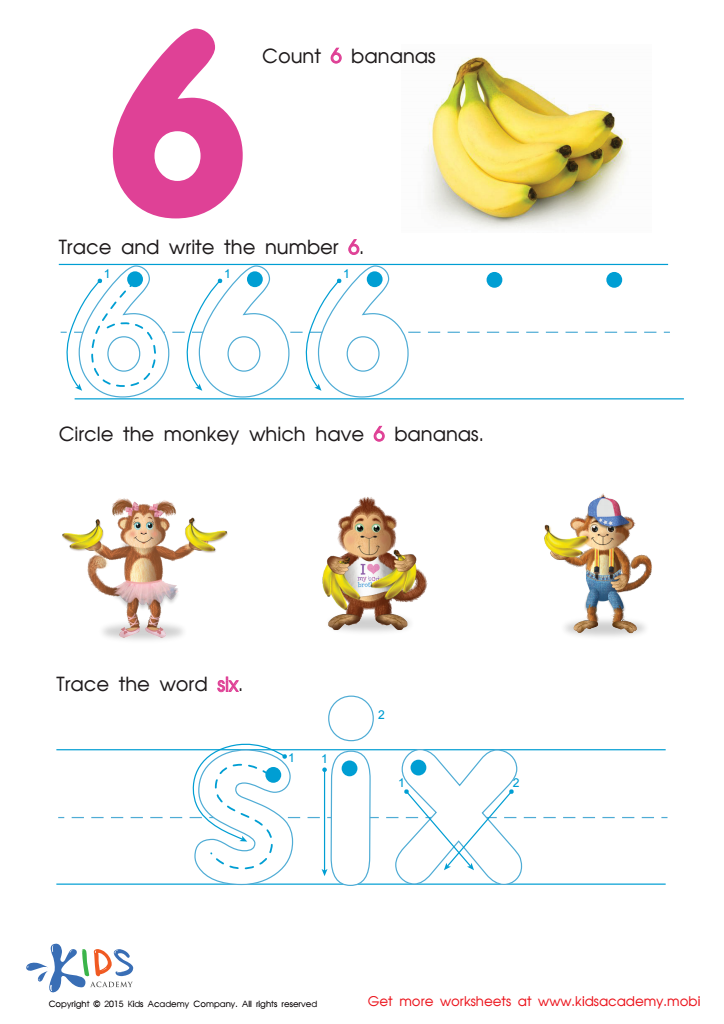
Tracing And Writing Number 6 Worksheet

Spacemen Coloring Page
 Assign to My Students
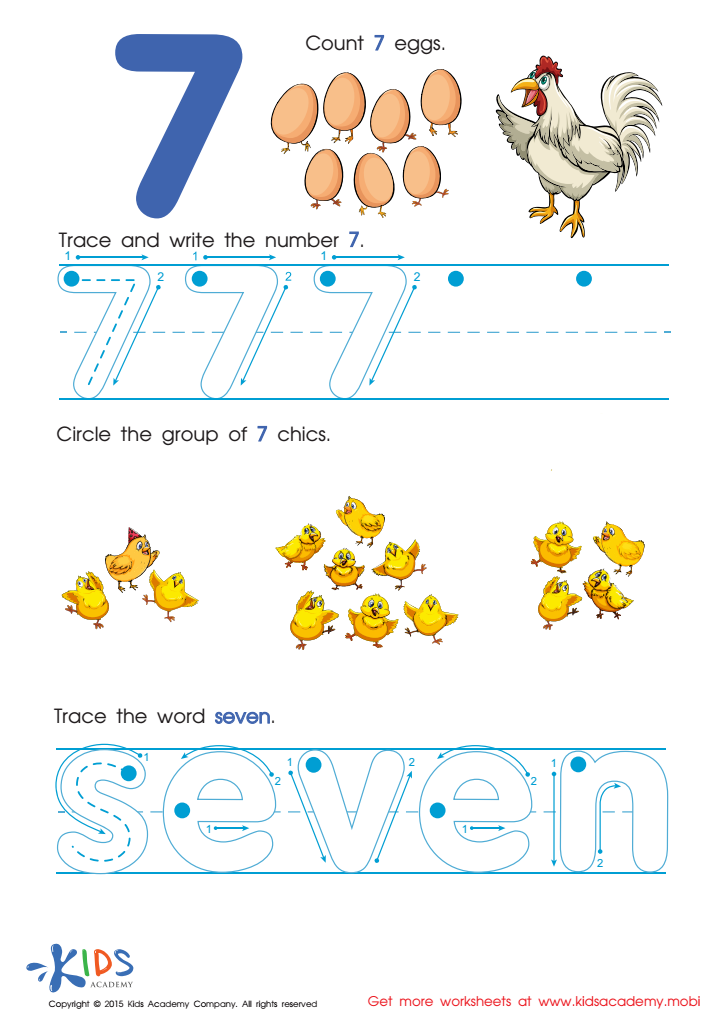
Trace And Write Number 7 with Fun Worksheet
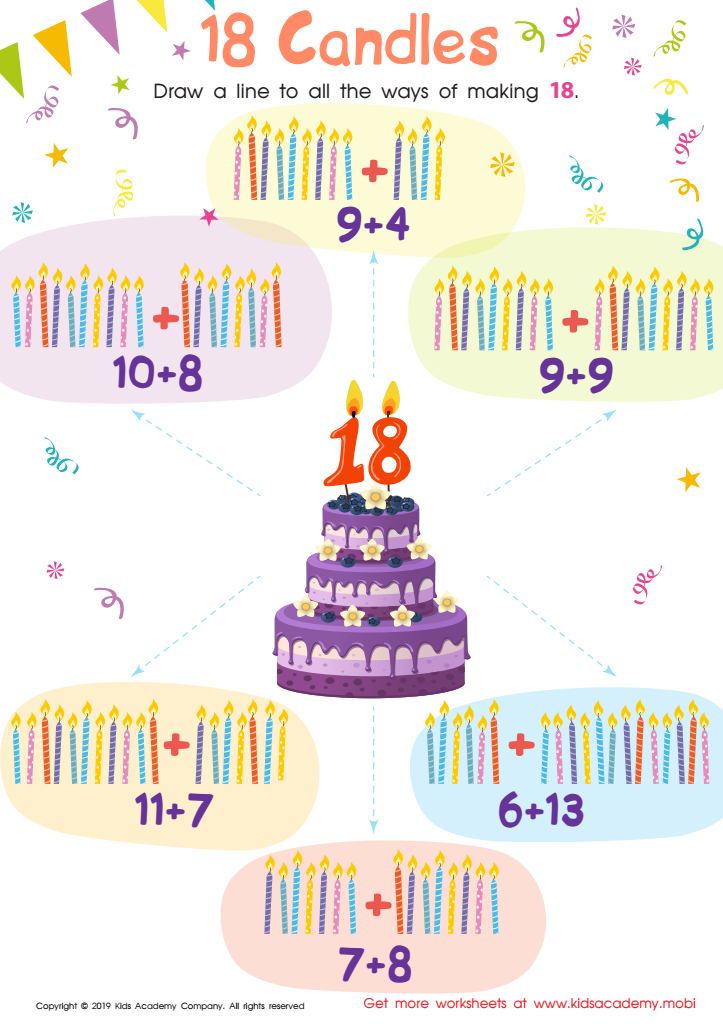
18 Candles Worksheet
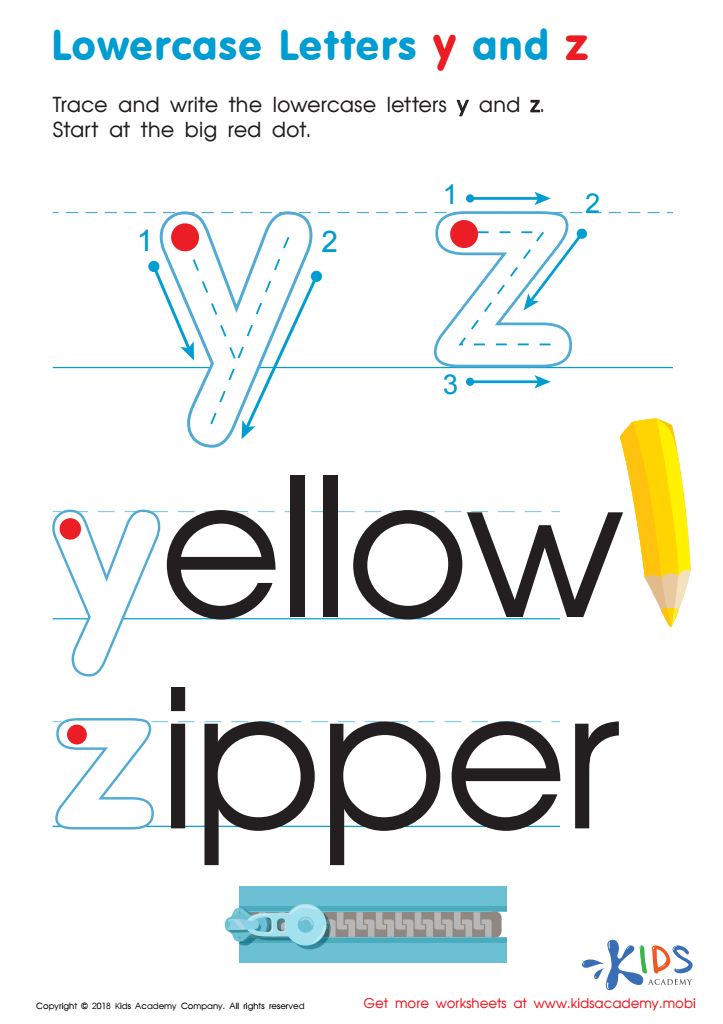
Lowercase Letters y z Worksheet

Snowman Tracing Winter Words Worksheet
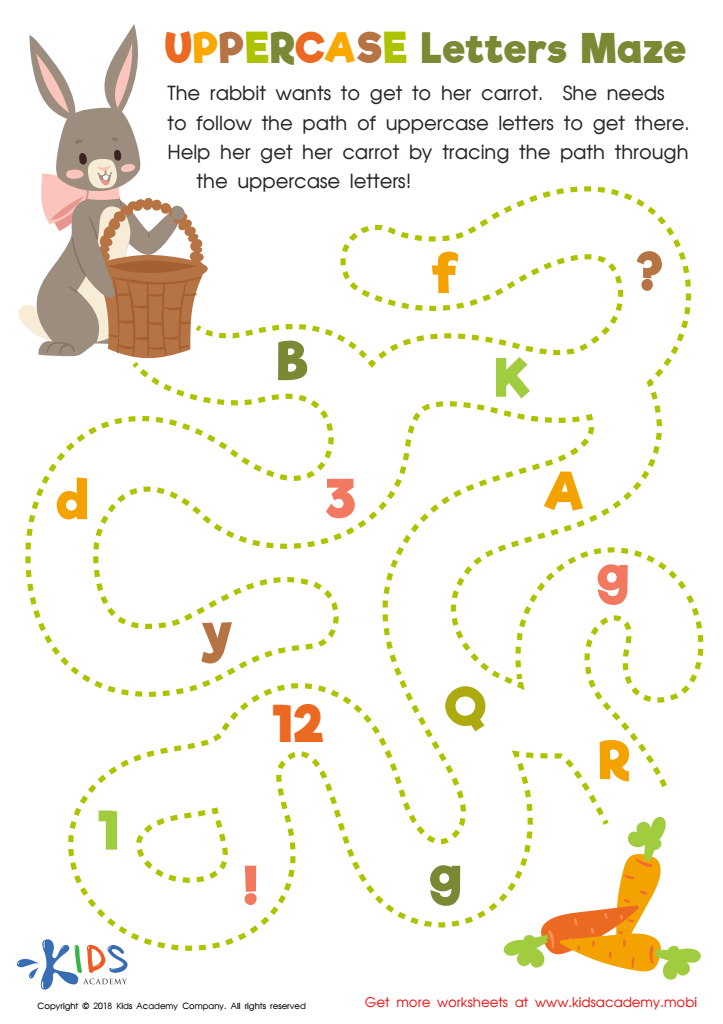
Uppercase Letters Maze Worksheet

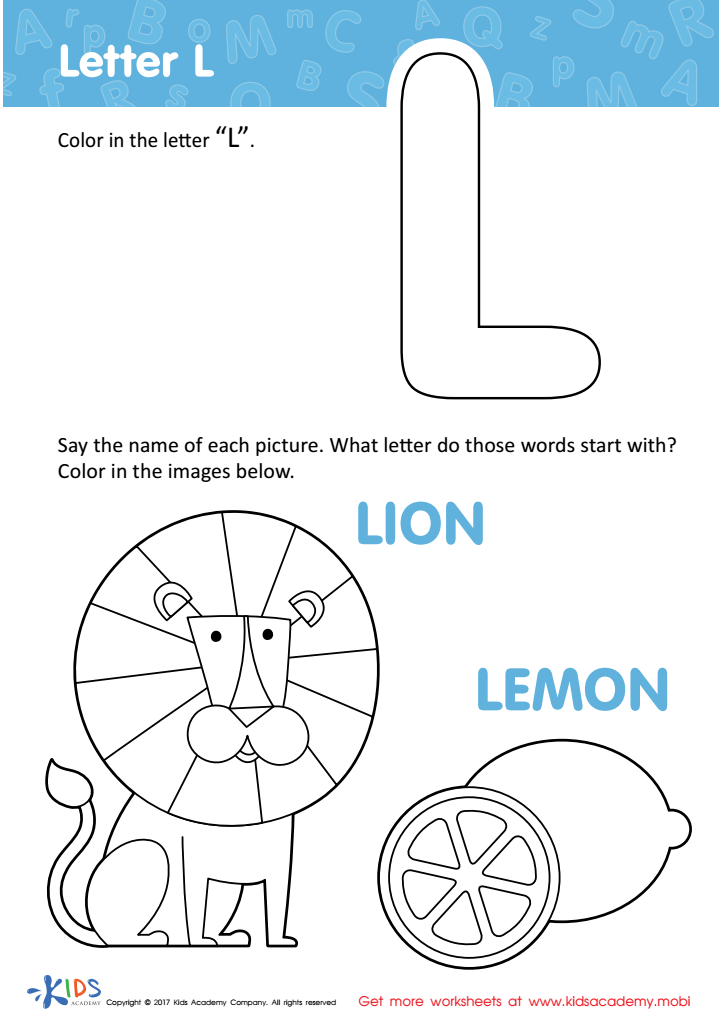
Letter L Coloring Sheet
Assign to My Students
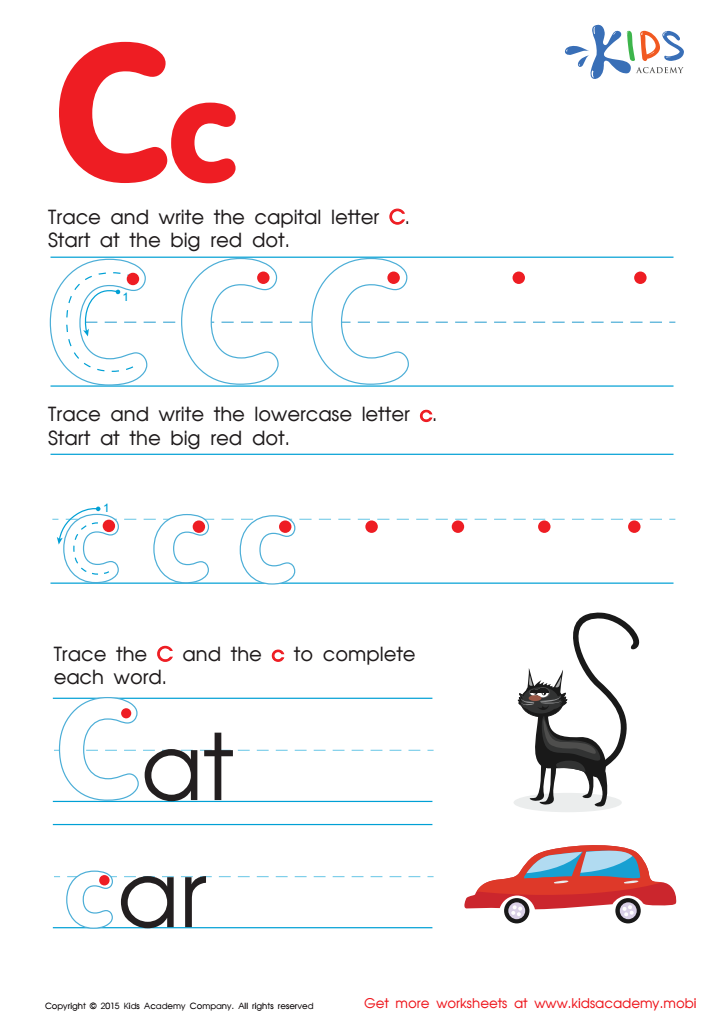
Letter C Tracing Page
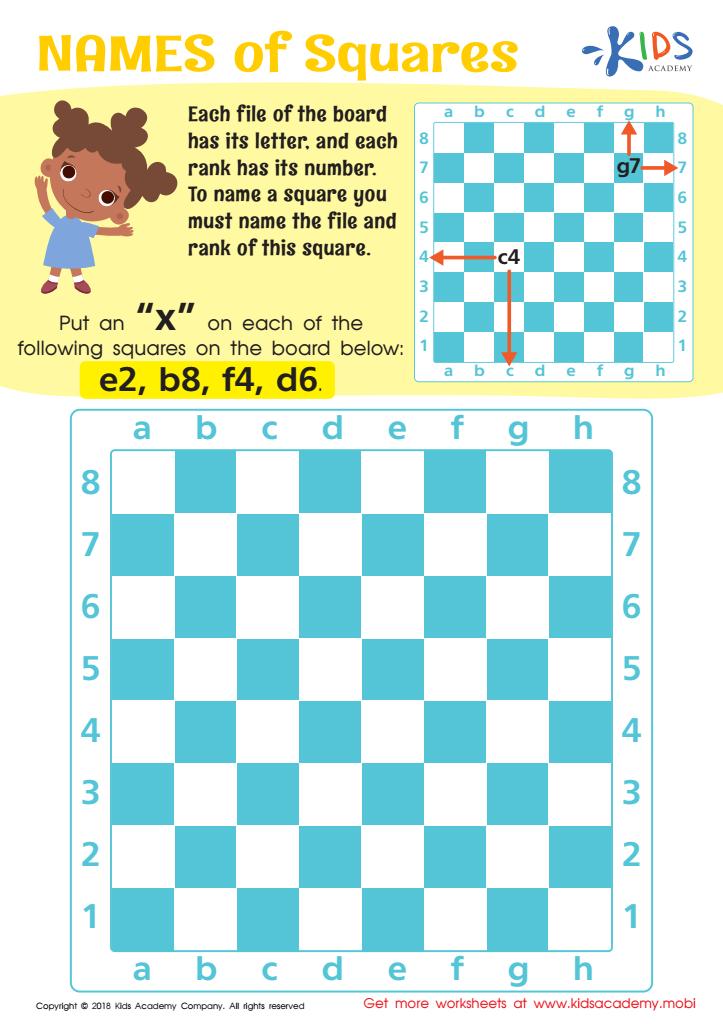
Names of Squares Worksheet
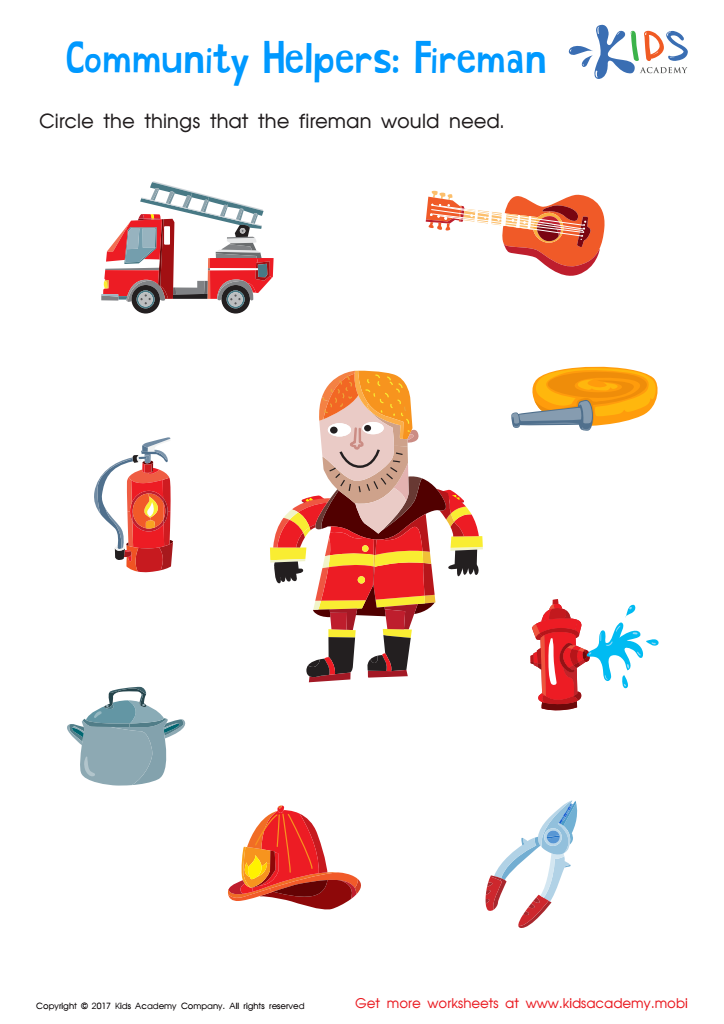
Fireman Worksheet
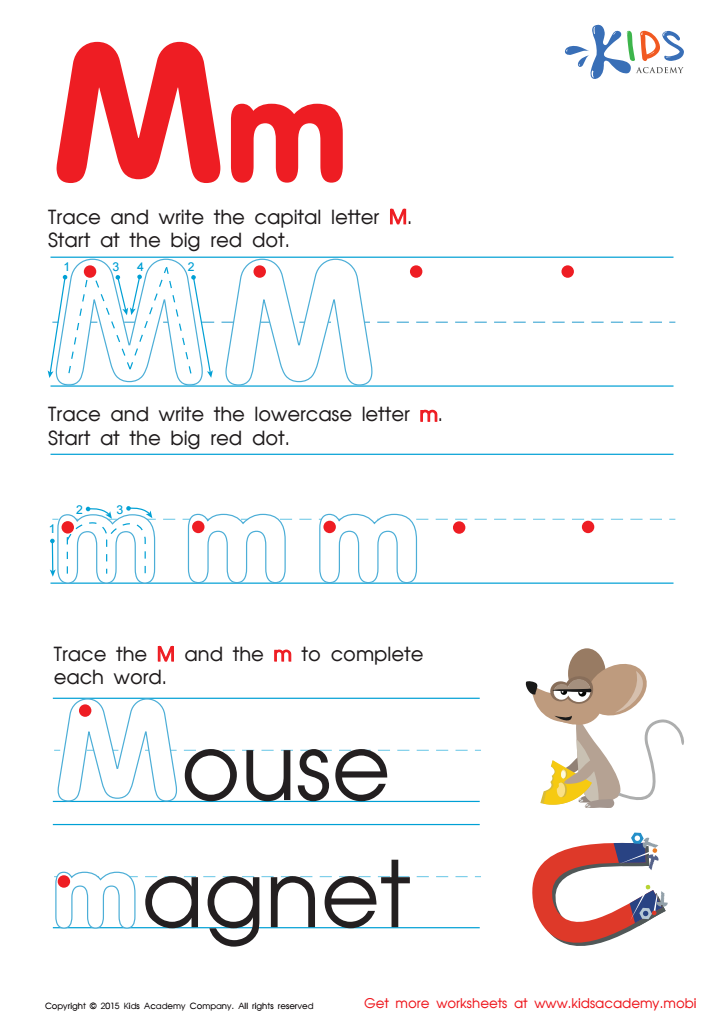
Letter M Tracing Page
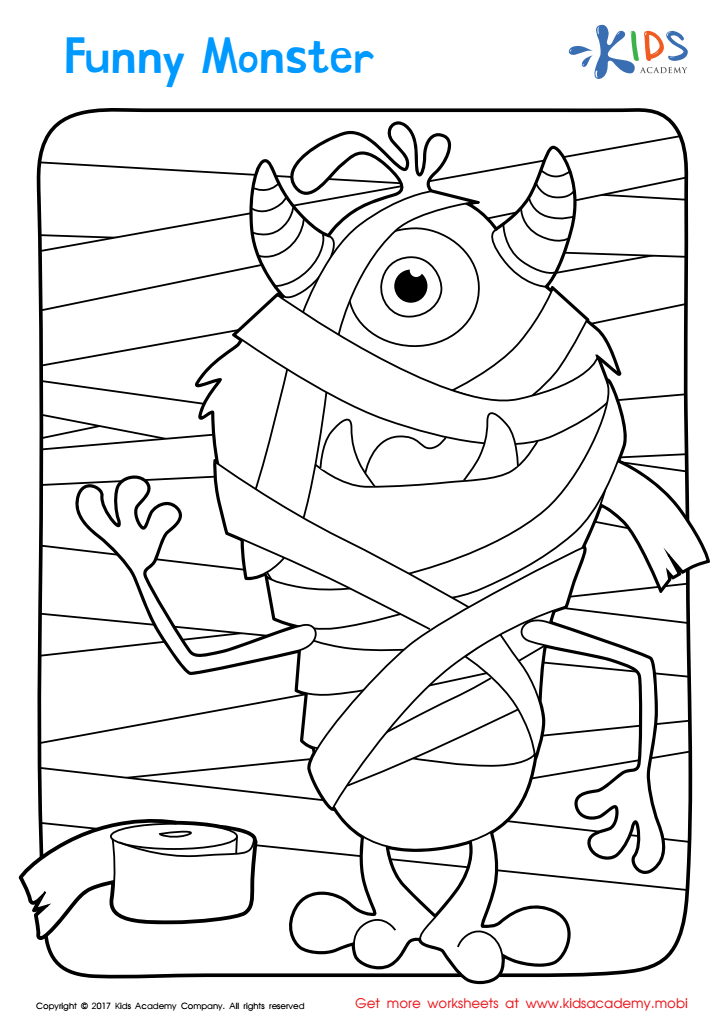
Halloween: A Funny Monster Worksheet
Assign to My Students
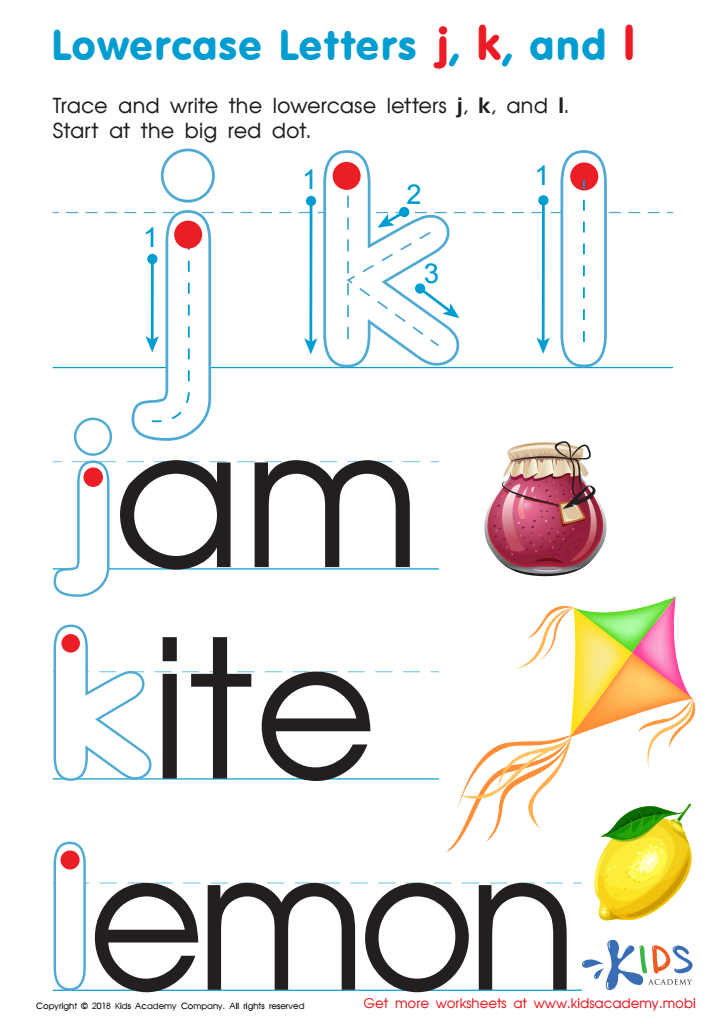
Lowercase Letters j k l Worksheet


Find lowercase Letters s t u Worksheet
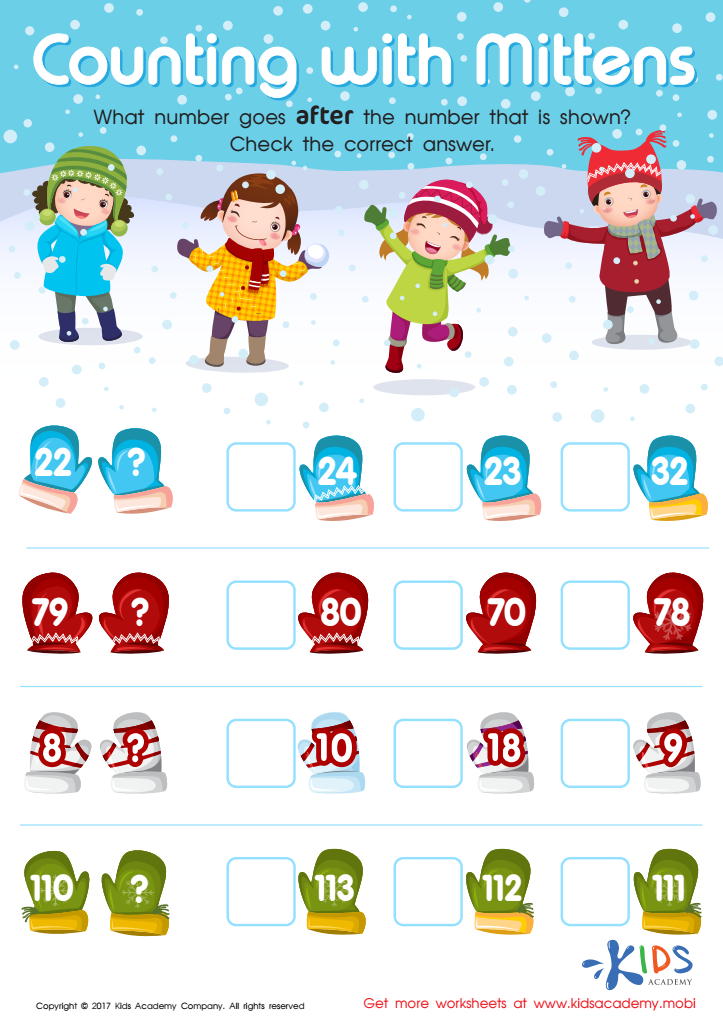
Counting with Mittens Worksheet
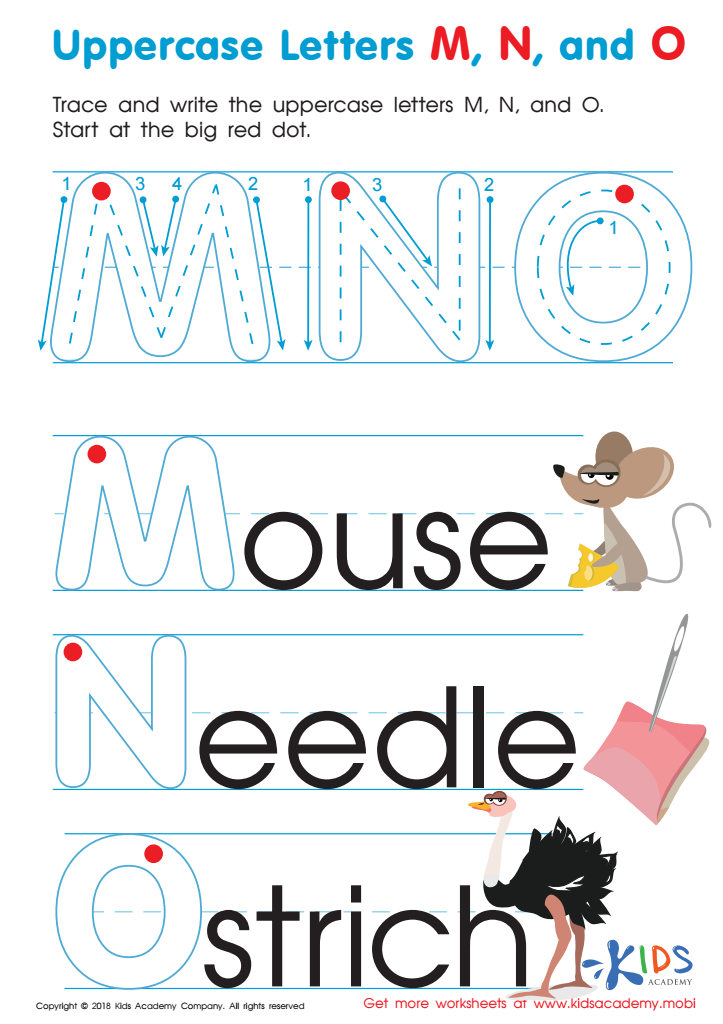
Uppercase Letters M, N, and O Worksheet
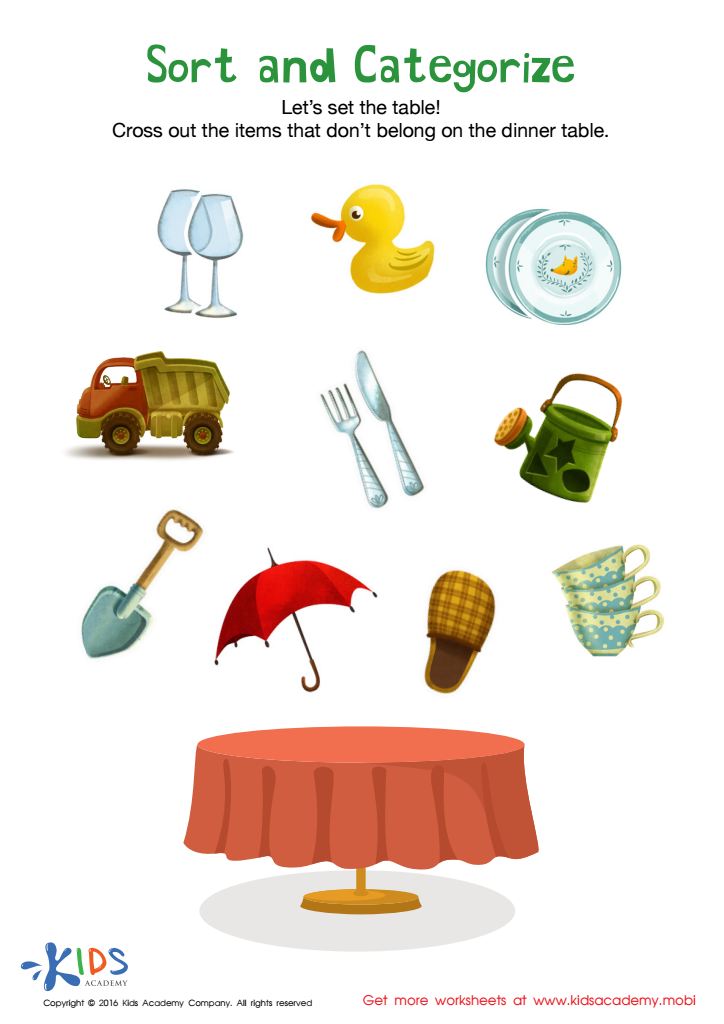
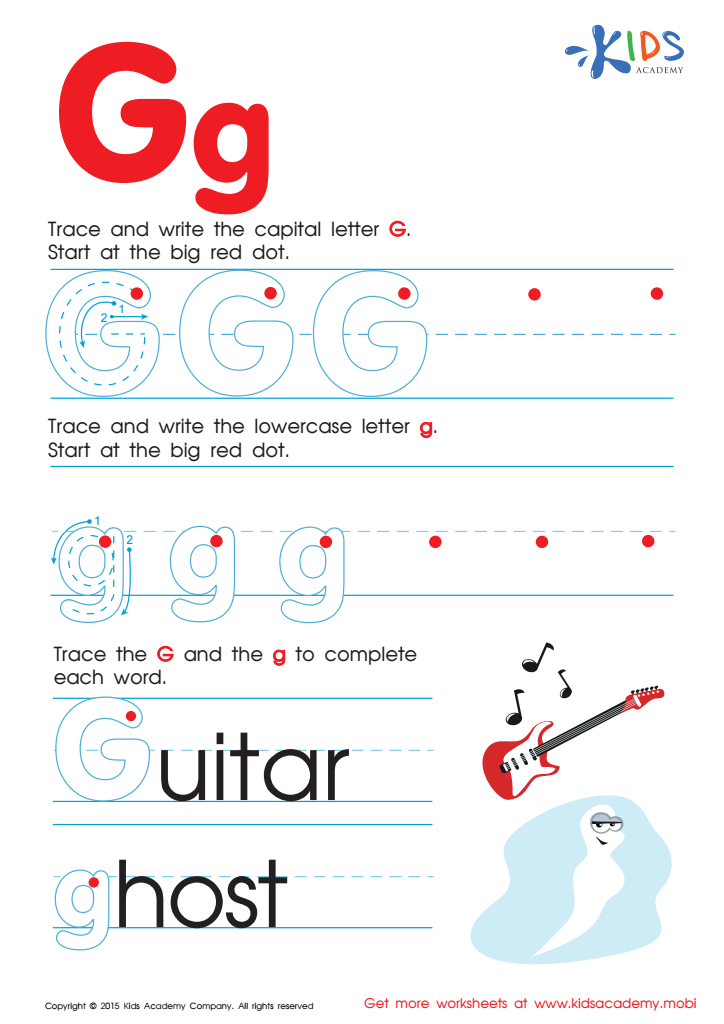
Letter G Tracing Page

Easter Holiday Printable
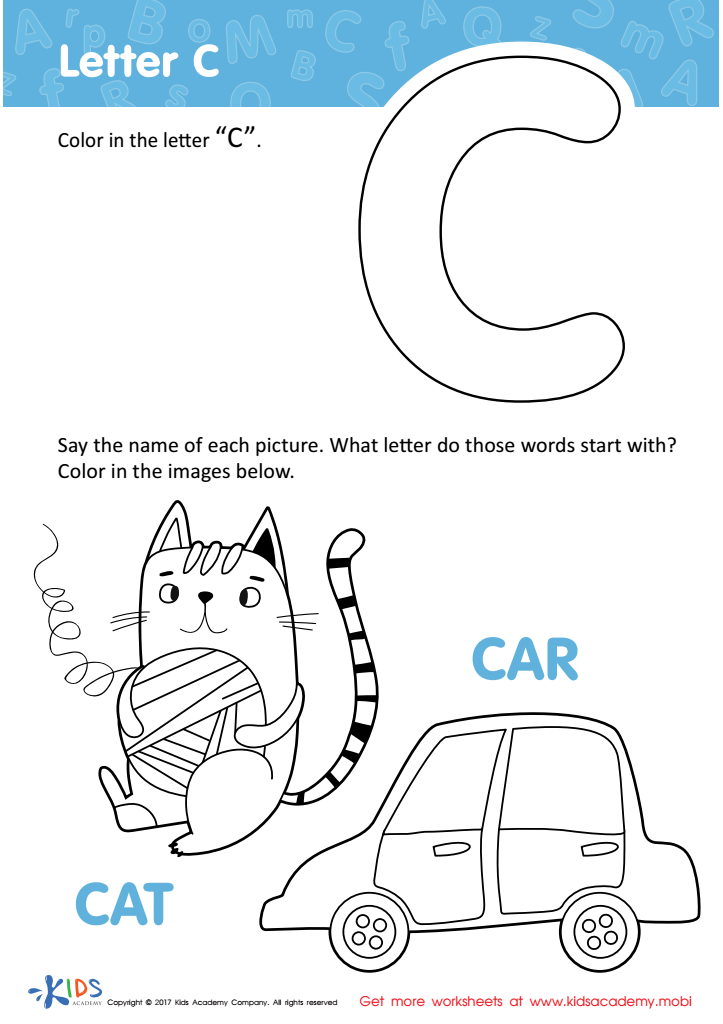
Letter C Coloring Sheet
Assign to My Students
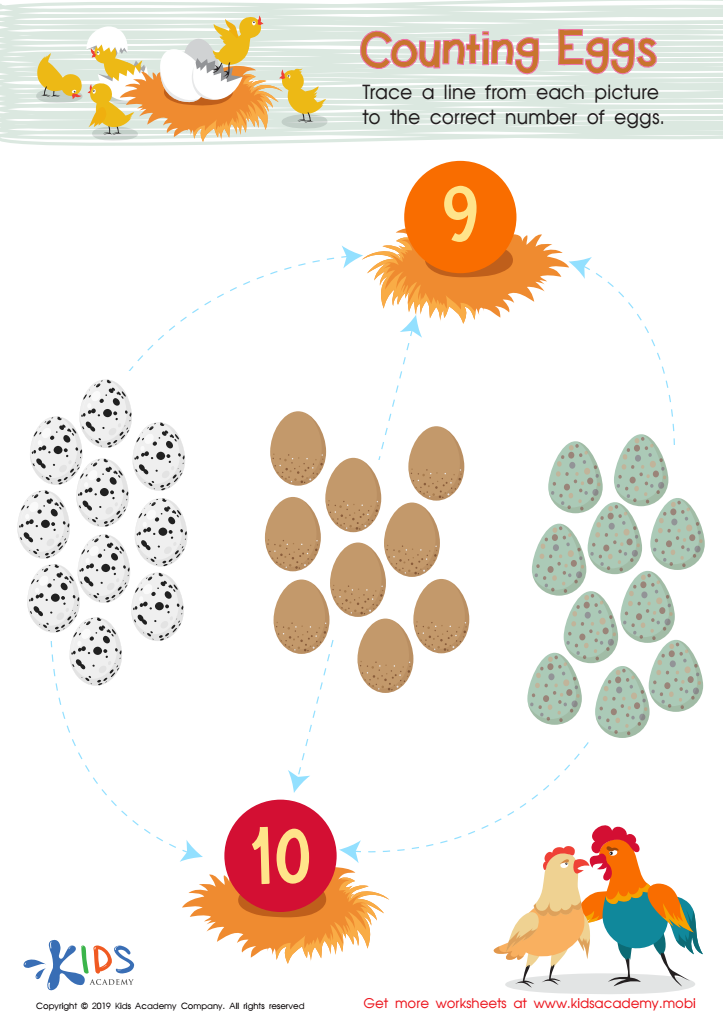
Counting Eggs Worksheet








Fine motor skills are crucial for children aged 3-5 as they lay the foundation for future learning and development. These skills involve the coordination of small muscles, particularly in the hands and fingers, which enable children to perform tasks such as grasping, manipulating objects, and using tools. Parents and teachers should care about the development of these skills because they impact a child's ability to engage in essential daily activities, both inside and outside the classroom.
Fine motor skills are not only important for self-care tasks like dressing or feeding but also play a significant role in academic readiness. Activities such as writing, cutting with scissors, and even drawing rely heavily on these skills. Proficient fine motor abilities correlate with higher levels of confidence and independence in young children. Furthermore, developing fine motor skills encourages cognitive growth, as they often involve problem-solving and critical thinking.
In the early years, children learn through play, so parents and teachers can support fine motor development by providing engaging and hands-on activities. Promoting these skills nurtures a child's overall development, setting the stage for lifelong learning and resilience. Awareness and proactive support from caregivers are key to helping children thrive in their early educational experiences.








