Reading Skills Improvement Worksheets for ages 3-5 are designed to enhance your child's early literacy abilities. These engaging activities focus on key skills like letter recognition, phonics, and basic vocabulary. Created by education experts at Kids Academy, our worksheets employ fun, interactive methods to make learning enjoyable and effective. Each worksheet is tailored to support developmental milestones, ensuring that young learners build a strong foundation for reading success. Reinforce classroom learning at home with our expertly crafted resources, and watch as your child’s confidence and reading proficiency grow steadily. Start your journey towards literacy success today!

Check out this FREE "Reading skills improvement" Trial Lesson for age 3-5!

Review

Favorites
With answer key
Interactive
  • 3-5
  • Reading skills improvement
  • Normal
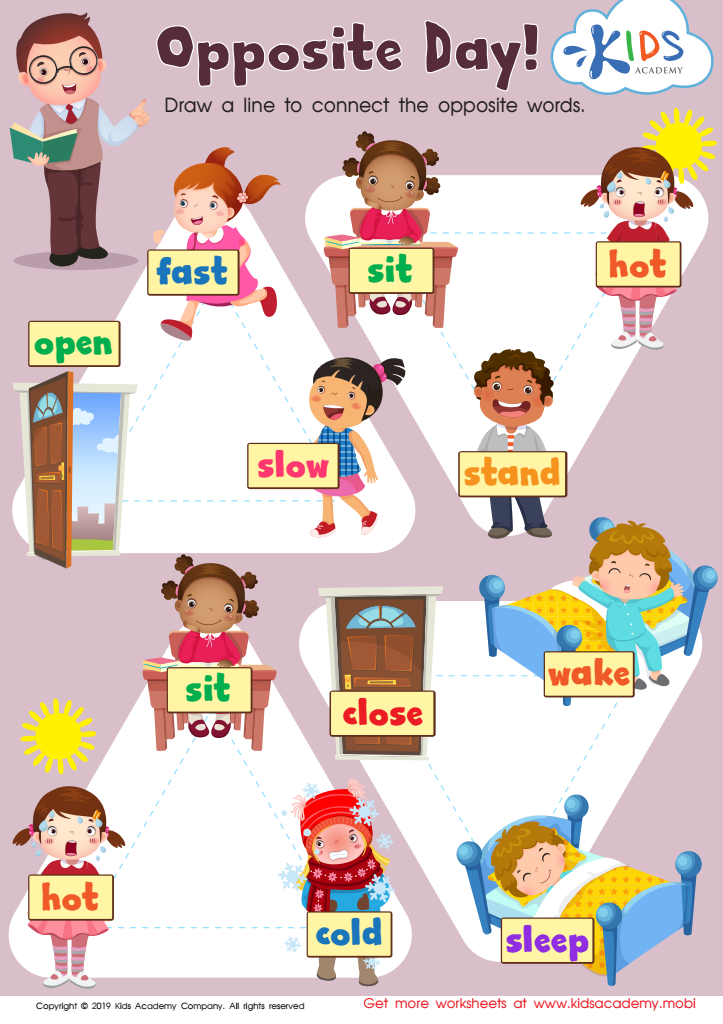
Opposite Day Worksheet

Opposite Day Worksheet

Early learners need to know about opposites to improve their higher-order thinking and critical thinking. This fun worksheet helps them understand the concept, practice opposite words, read high-frequency words and work on fine motor skills. Download the traceable PDF to get started.
Opposite Day Worksheet
Worksheet
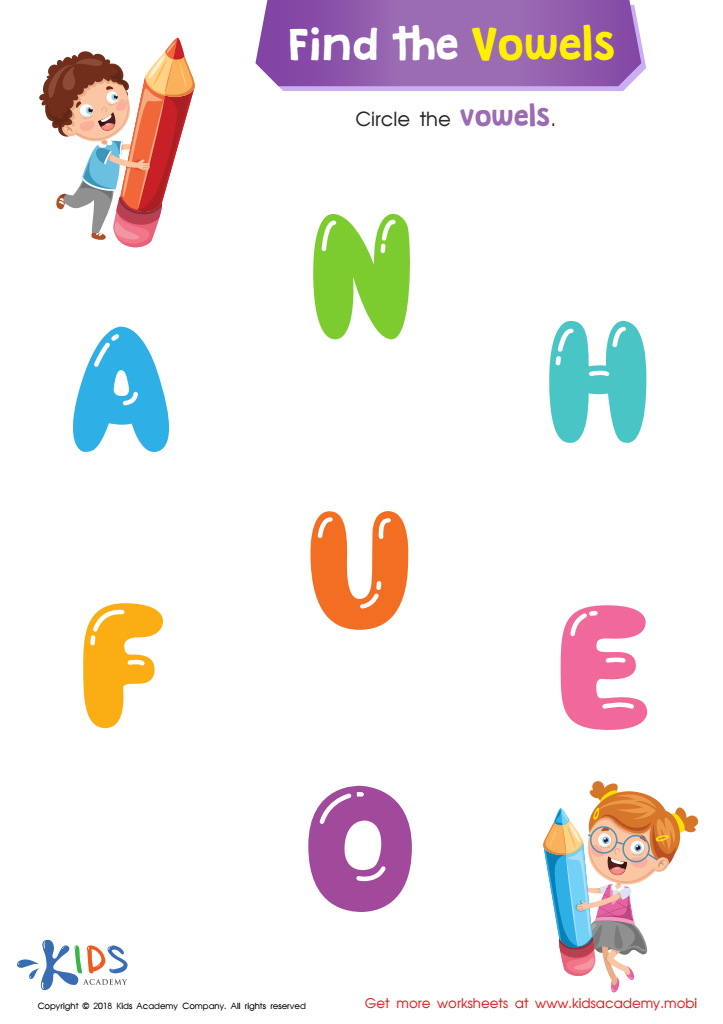
Find the Vowels Reading Worksheet

Find the Vowels Reading Worksheet

This worksheet helps kids identify vowels with bright colors and engaging activities to strengthen their visual discrimination and fine motor skills. Young learners will find it easy to succeed and be excited to keep reading!
Find the Vowels Reading Worksheet
Worksheet
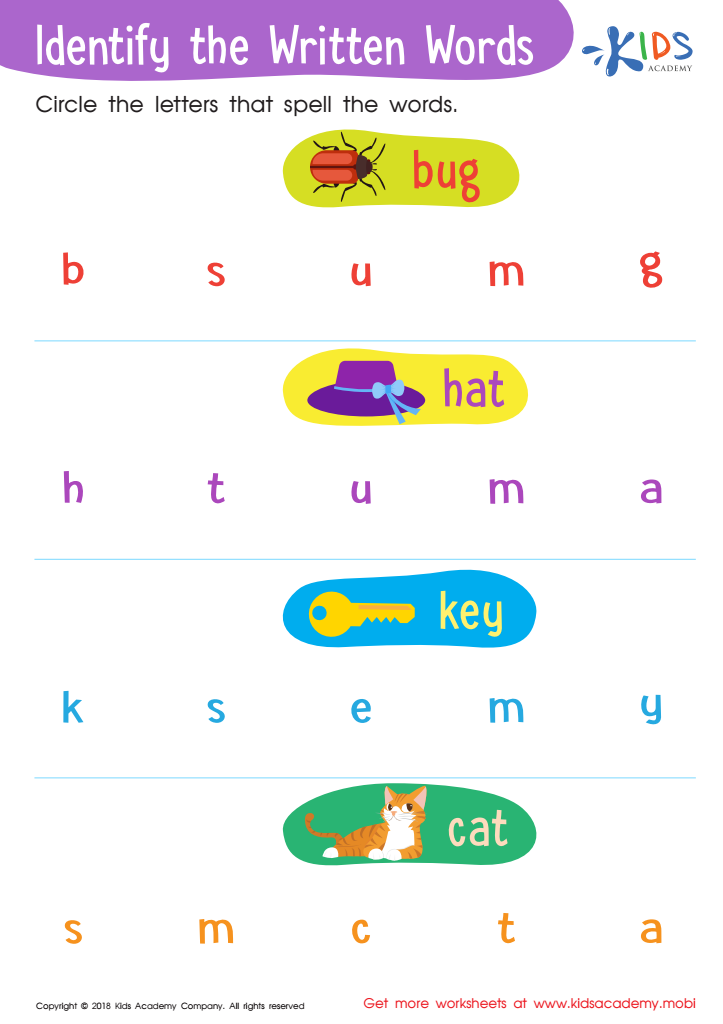
Identify the Written Words Worksheet

Identify the Written Words Worksheet

Have your students identify the objects on the printout, then spell the words. If they already know how to spell, this exercise should be easy. Help them circle the correct letters from the set to spell out the words. This is a great way to reinforce reading and spelling skills. Max 80 words.
Identify the Written Words Worksheet
Worksheet
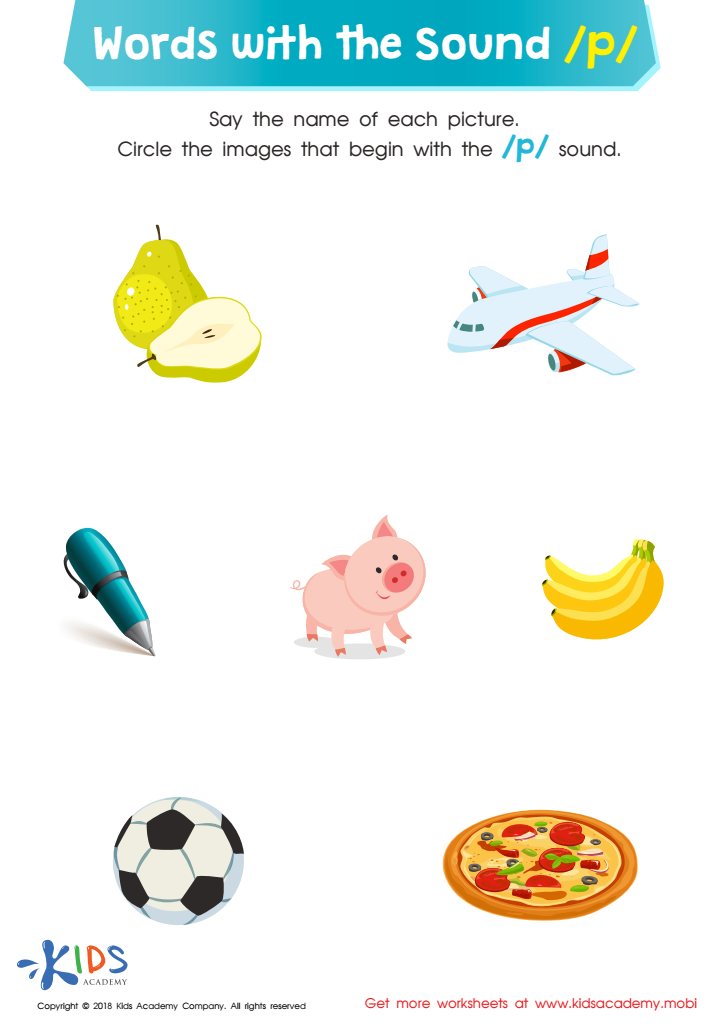
Words with sound p Reading Worksheet

Words with sound p Reading Worksheet

Working on this fun worksheet? Name each picture aloud and listen carefully before circling those that start with the letter «p»! Pizza, pig, plane, or banana - practice phonics to help your child recognize the letter «p» sound for successful early reading and decoding!
Words with sound p Reading Worksheet
Worksheet
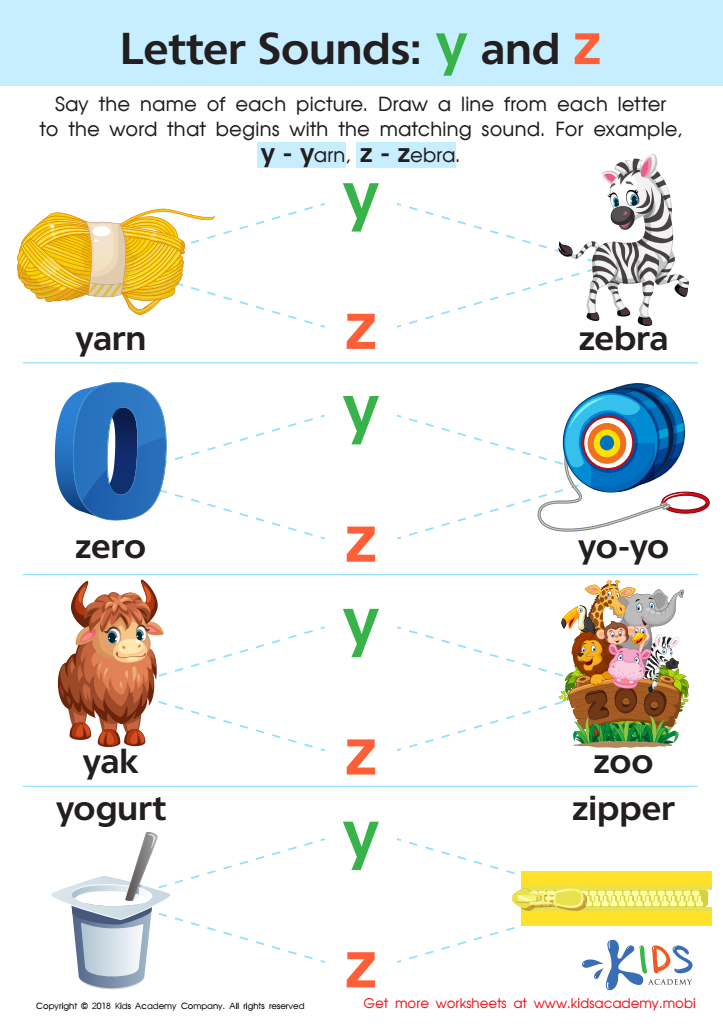
Letter Y and Z Sounds Worksheet

Letter Y and Z Sounds Worksheet

Y and Z can be tricky for kids to learn. Kids Academy has the answer with a great worksheet. "Yo-yo", "yak" and "zebra" help kids recognize, say and trace each letter. Plus, they can read the words and match them to images! Let your child try and help them master phonics at the end of the alphabet.
Letter Y and Z Sounds Worksheet
Worksheet
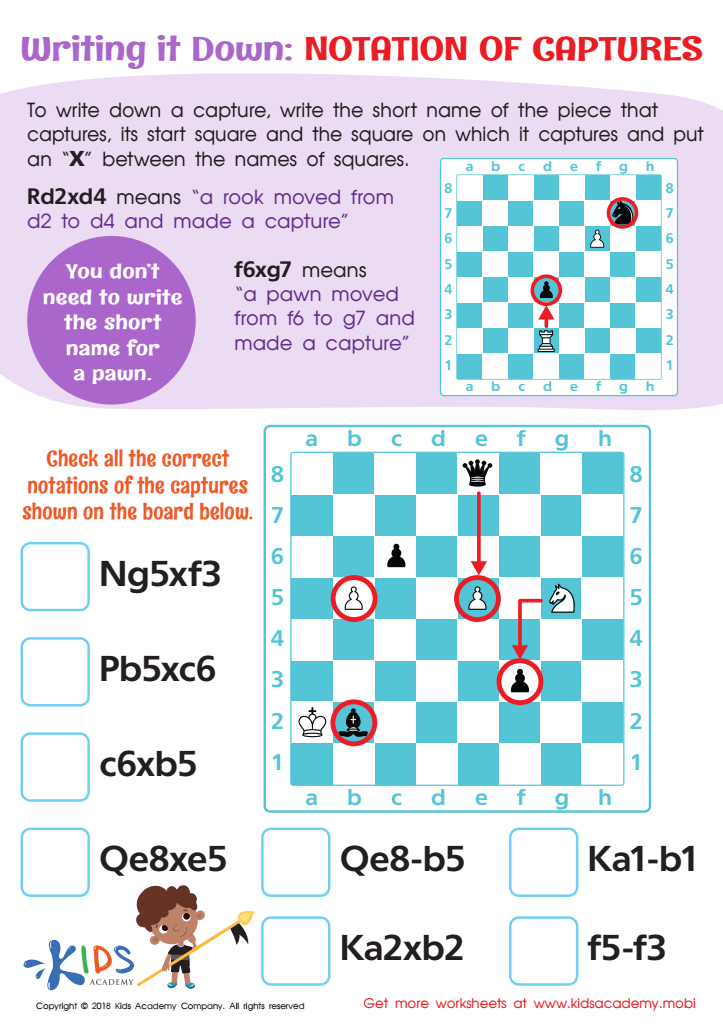
Notation of Captures Writing it Down Worksheet

Notation of Captures Writing it Down Worksheet

To teach students how to record captures in chess, use this worksheet. Write down the piece's short name, start sq., and the sq. where it captures, separating them with an X. For example, Rd2Xd4 means a rook moved d2 to d4 and took a piece. Pawn captures don't need a name.
Notation of Captures Writing it Down Worksheet
Worksheet
Lets Count Syllables Worksheet


Lets Count Syllables Worksheet

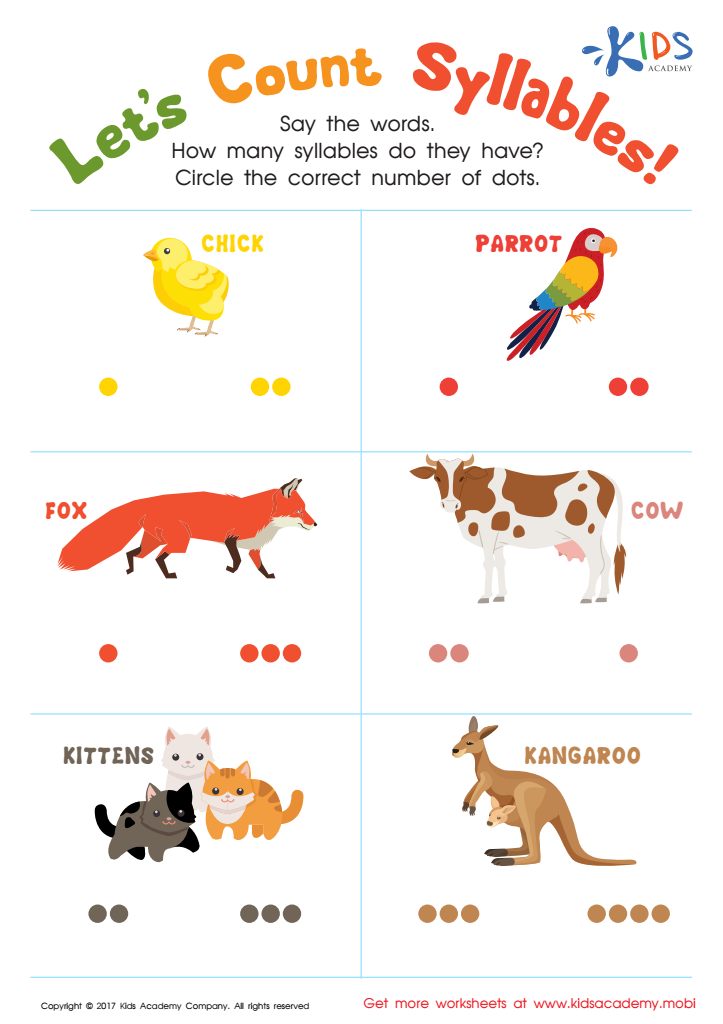
This fun animal worksheet makes learning to read easier by breaking words into syllables. Bright, cheery pictures give context and help kids choose the right syllable count. Count together and enjoy as your child learns and gains success!
Lets Count Syllables Worksheet

Worksheet


Early reading skills are fundamental to children’s overall development and future academic success, especially for ages 3-5, a crucial period of growth. During these formative years, a child's brain is exceptionally receptive to learning new skills, and reading unlocks pathways for cognitive, emotional, and social development.

Enhancing reading skills early builds a solid foundation for literacy, promoting better comprehension and communication abilities. Children who are read to and engage with books regularly develop a richer vocabulary and a stronger grasp of language structure, essential tools for effective communication and later learning across all subjects. This early exposure also nurtures a love for stories and learning, fostering lifelong learning habits.

Moreover, reading activities stimulate imagination and curiosity, encouraging kids to explore and understand the world around them. It strengthens attention spans and boosts concentration, teaching patience and persistence.

From a social perspective, shared reading time provides valuable opportunities for bonding with caregivers, creating emotional security and fostering a love for books in a supportive environment. It also introduces children to diverse cultures and ideas, broadening their understanding and empathy.

Therefore, parents and teachers should prioritize reading skills during these early years to support cognitive growth, academic readiness, and emotional and social development. Investing time in nurturing these skills sets the stage for children’s future success and wellbeing.