Shape Recognition Normal Worksheets for Ages 3-5 - Page 2
36 filtered results
-
From - To
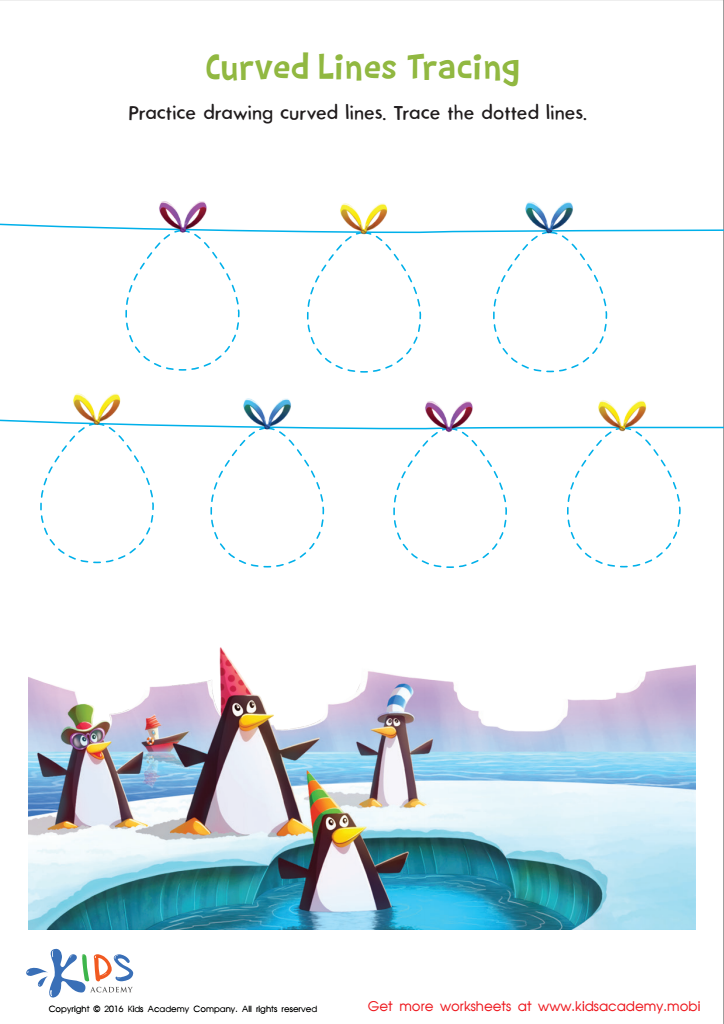
Curved Lines Tracing Worksheet
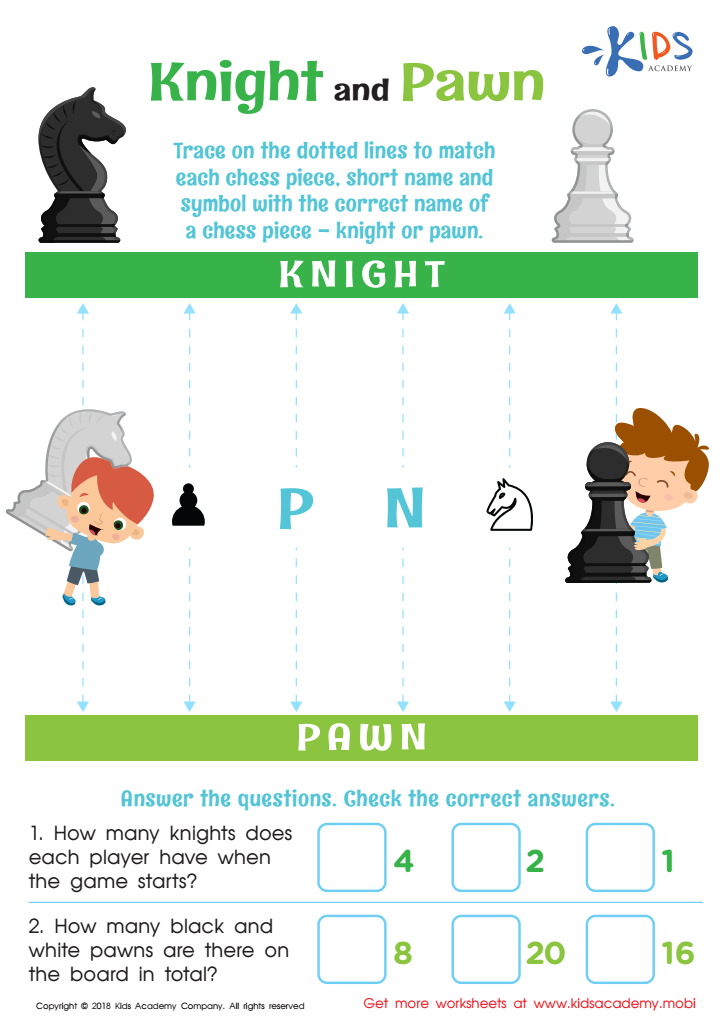
Knight and Pawn Worksheet
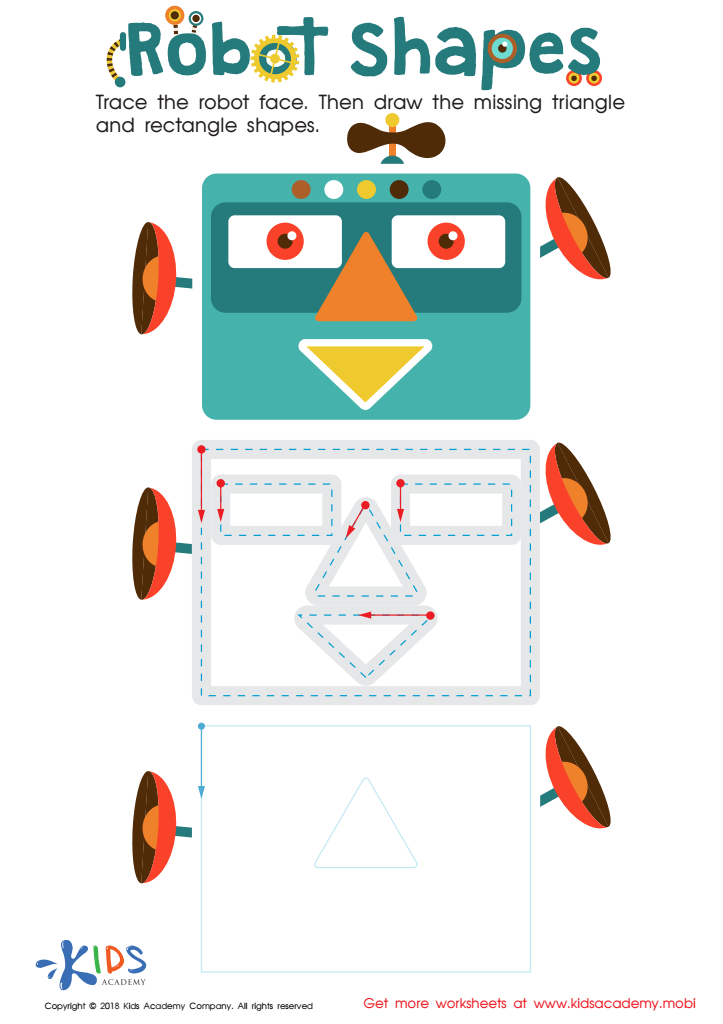
Robot Shapes Worksheet
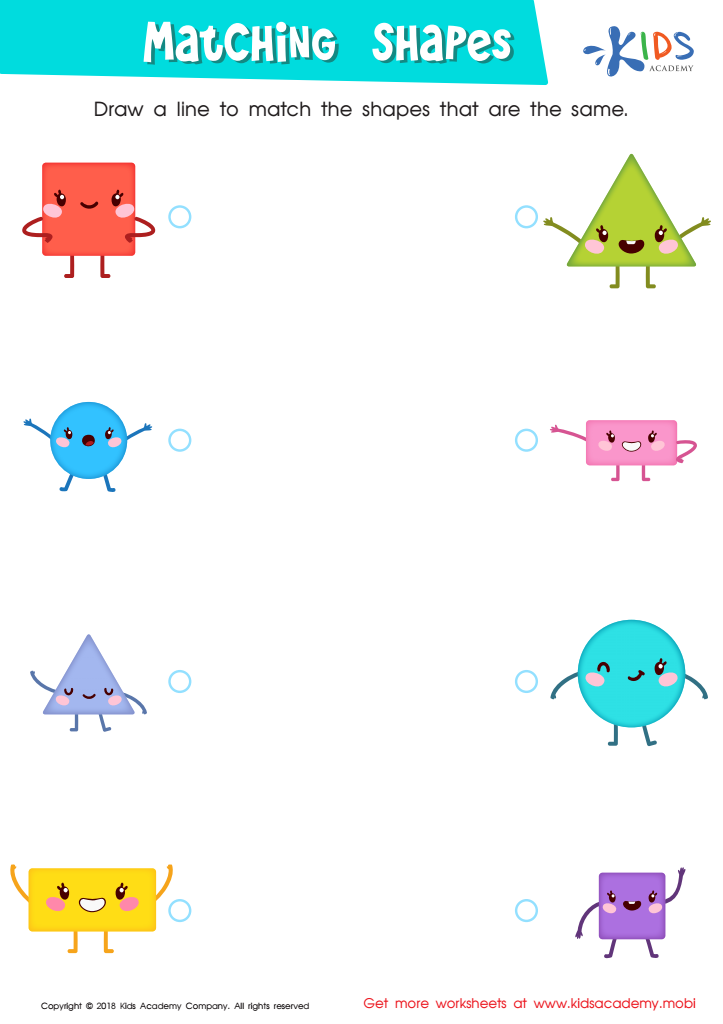
Matching Shapes Worksheet
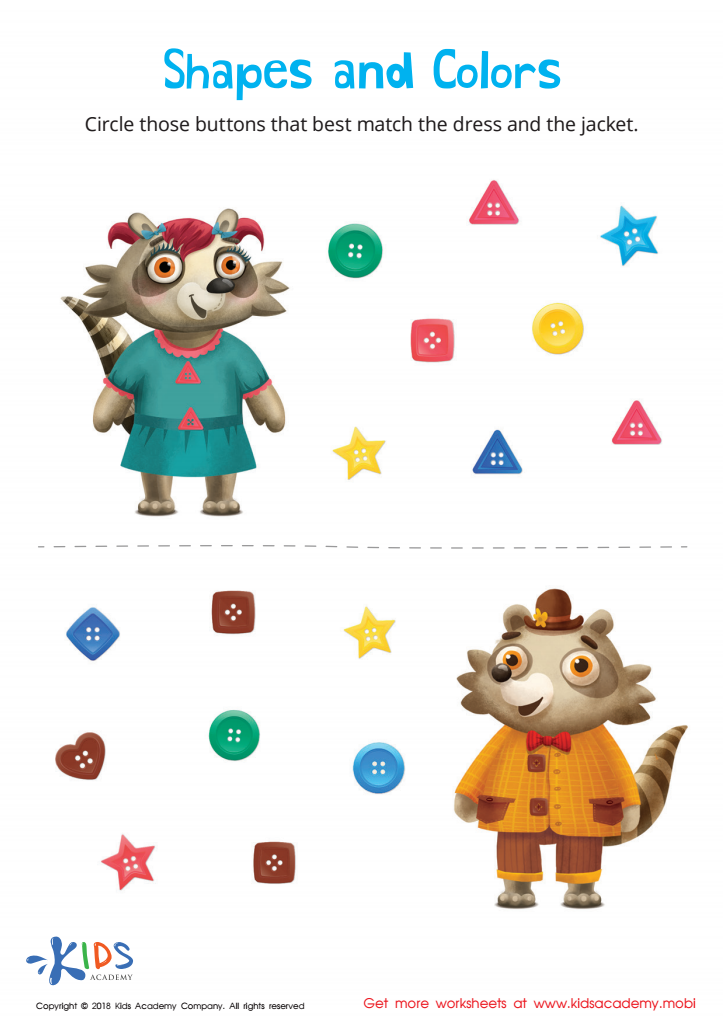
Shapes and Colors Worksheet
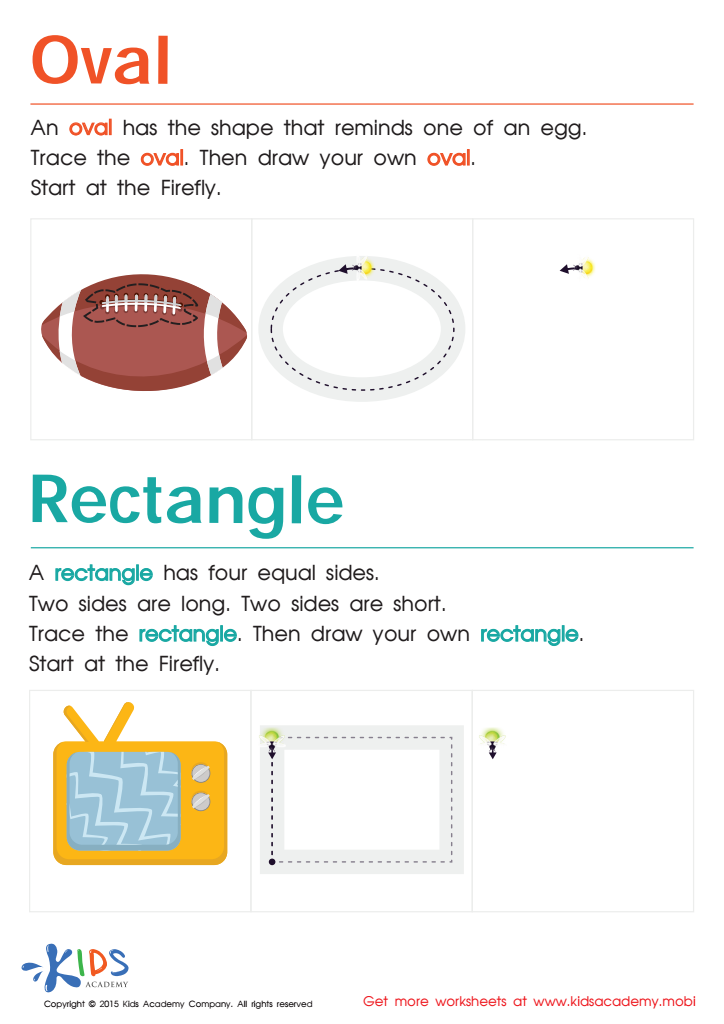
Easy Drawing of Ovals And Rectangles Worksheet
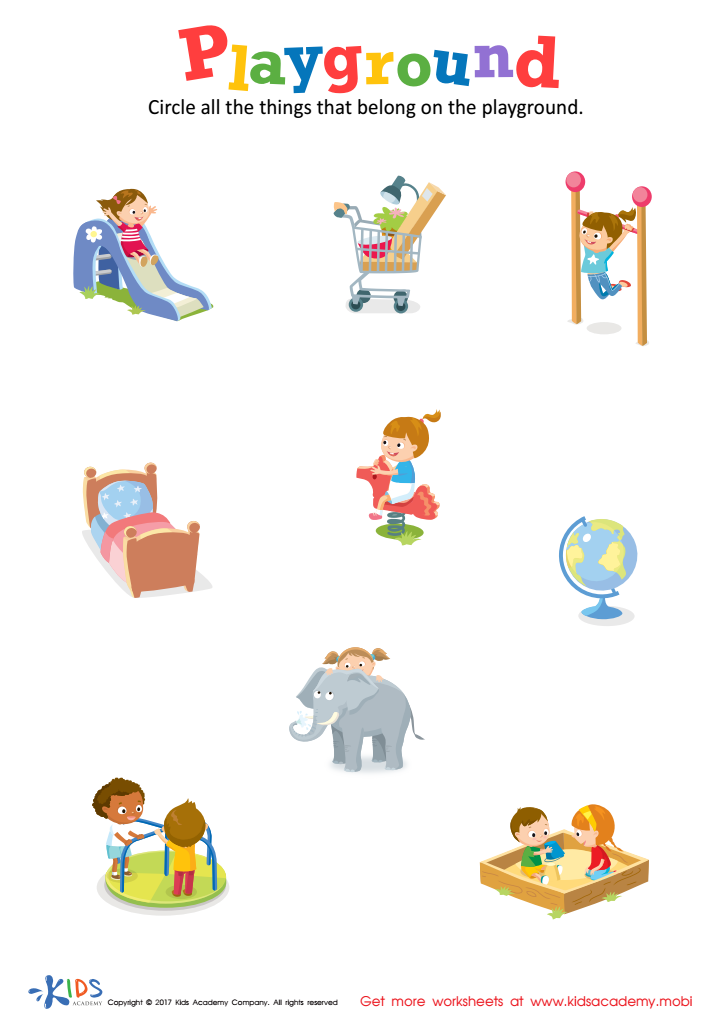
Playground Worksheet
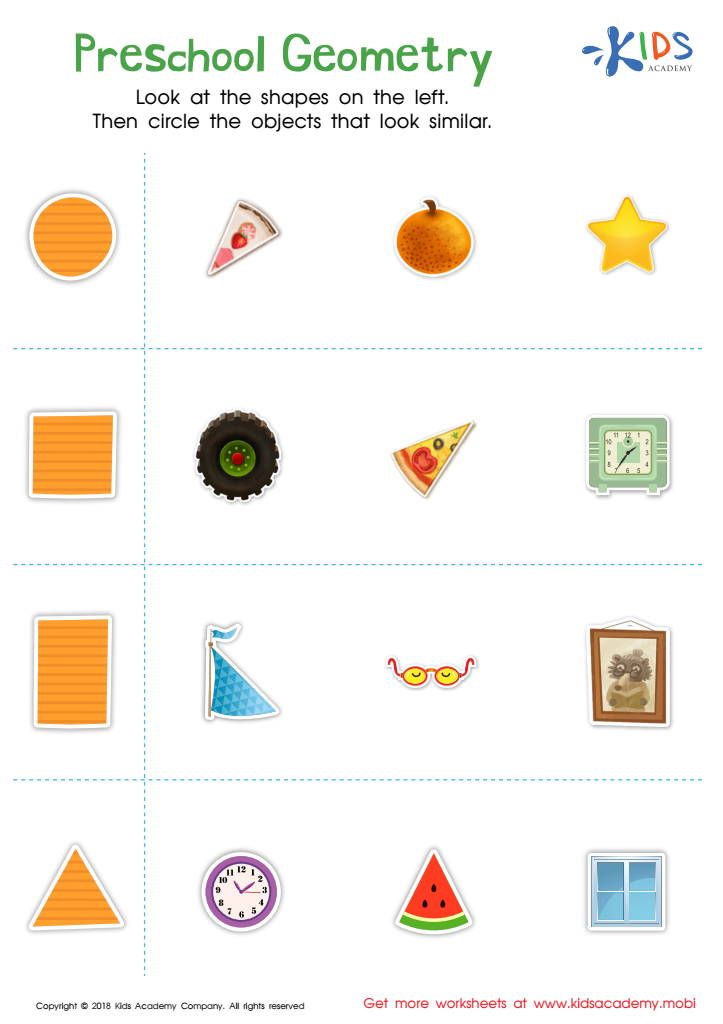
Preschool Geometry Worksheet
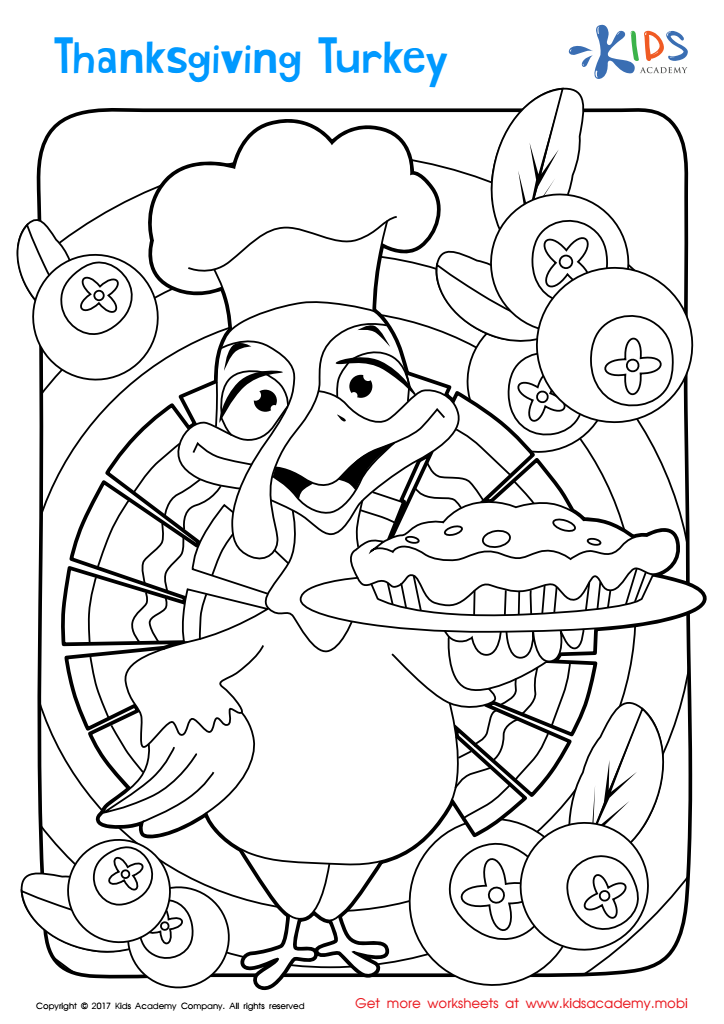
Turkey Thanksgiving Day Worksheet
 Assign to My Students
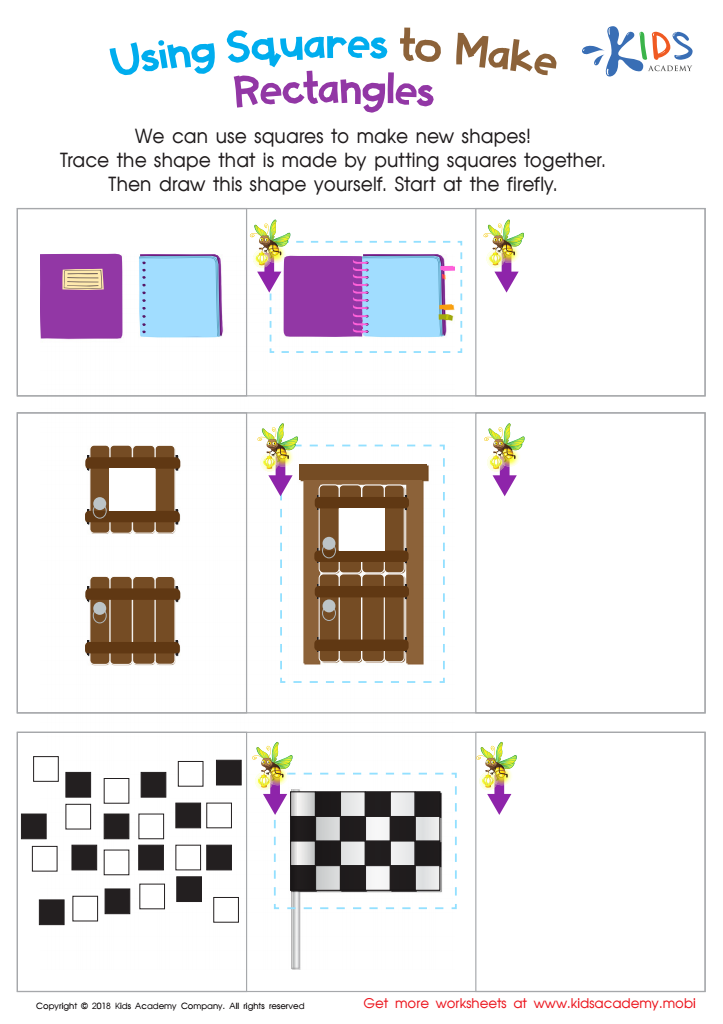
Using Squares to Make Rectangles Worksheet
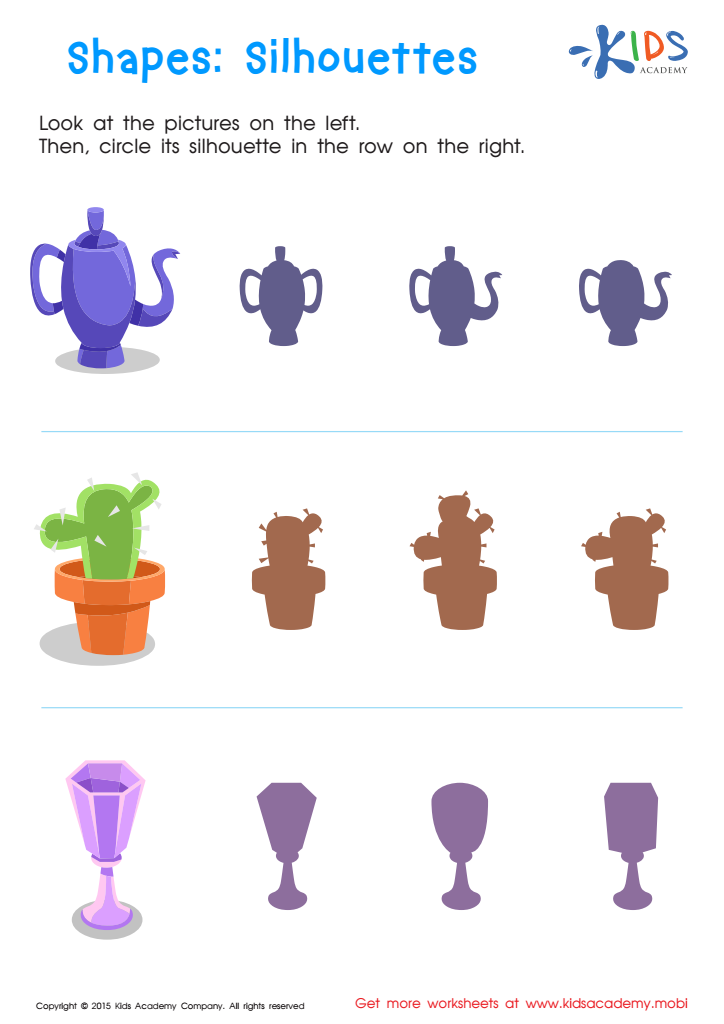
Silhouettes – Shapes Worksheet
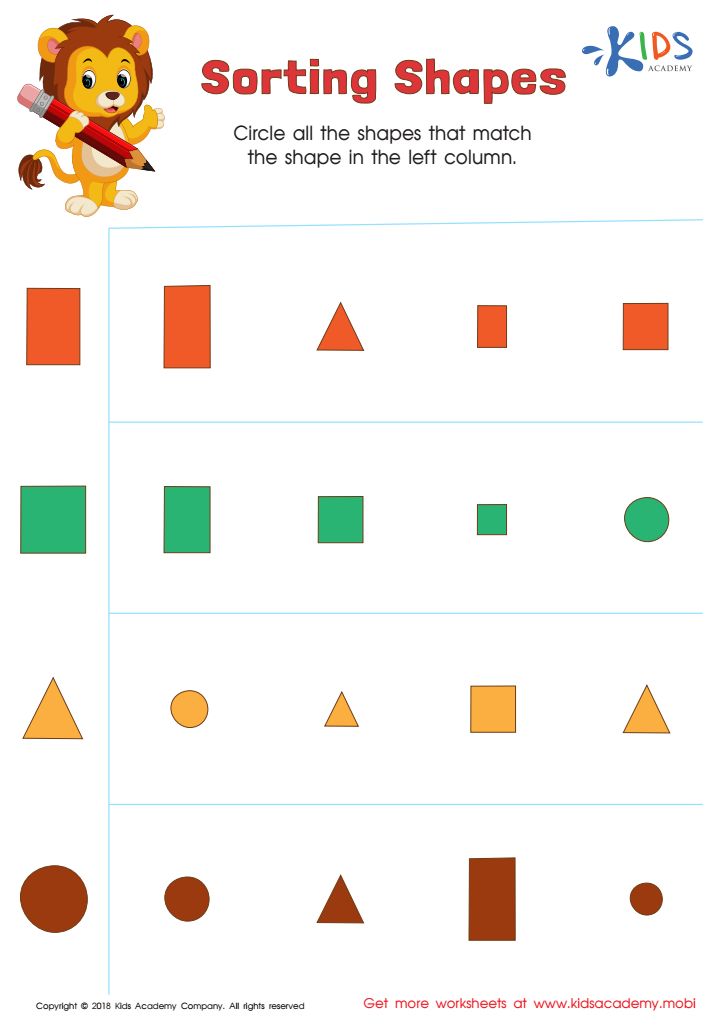
Sorting Shapes - Part 2 Worksheet








Shape recognition is a fundamental skill that forms the basis for a child's cognitive development and problem-solving abilities. For children aged 3 to 5, learning to identify and classify shapes aids in the development of critical thinking and spatial awareness. Parents and teachers should care about this skill because it enhances a child's ability to perceive and interact with their environment.
When children recognize shapes, they begin to understand geometry, improve their overall observational and analytical skills, and start to make connections between objects, which lays foundation for more complex mathematical concepts later on. Furthermore, engaging in shape recognition helps foster language development, as children learn to describe shapes and their attributes, expanding their vocabulary.
Incorporating shape recognition into everyday activities through games, art, or outdoor exploration can make learning enjoyable and interactive. Parents and teachers create an enriched learning environment that promotes confidence and curiosity. As children transform shape recognition into meaningful experiences, they engage with an array of learning domains, encompassing creativity, reasoning, and social interactions. Ultimately, early shape recognition contributes significantly to a child's life skills, laying the groundwork for lifelong learning and development.








