Understanding Sequences Normal Worksheets for Ages 3-5
4 filtered results
-
From - To
Discover our "Understanding Sequences Normal Worksheets" designed for children aged 3-5, aimed at enhancing early mathematical skills. These engaging and interactive worksheets help young learners grasp the concept of sequences through fun activities and vibrant illustrations. By focusing on recognizing and predicting patterns, children develop critical reasoning and problem-solving abilities. Each worksheet is tailored to foster creativity while ensuring a solid foundation in logical thinking. Perfect for at-home learning or classroom use, these resources make mastering sequences enjoyable and effective. Explore our collection today to support your child's early education in a playful and engaging manner!
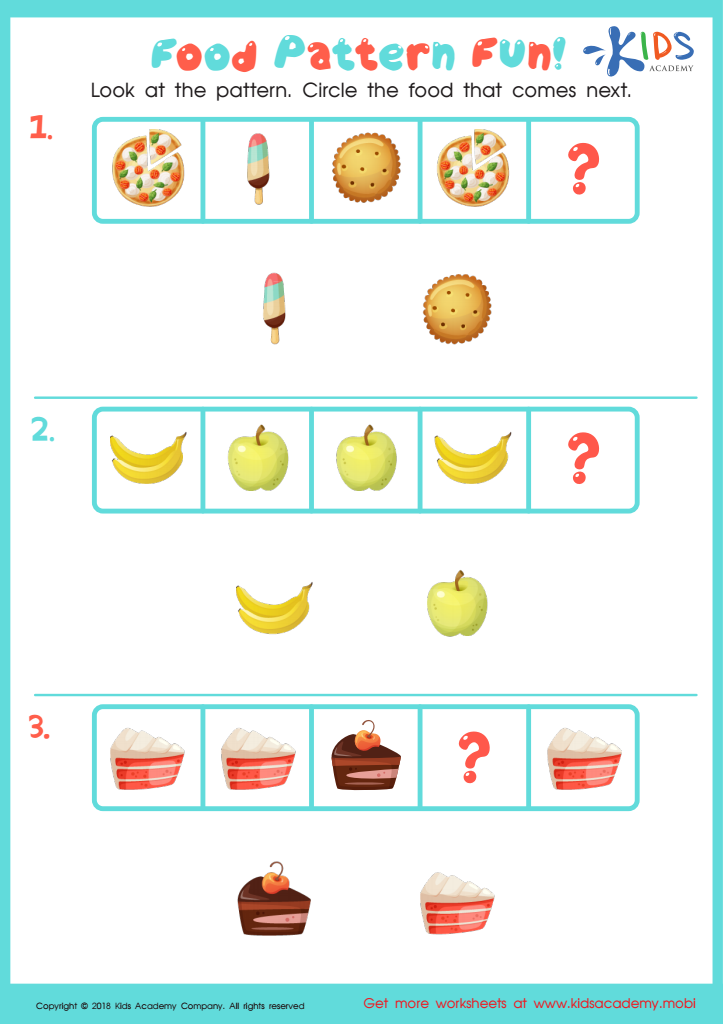
Food Pattern Fun Worksheet
 Assign to My Students
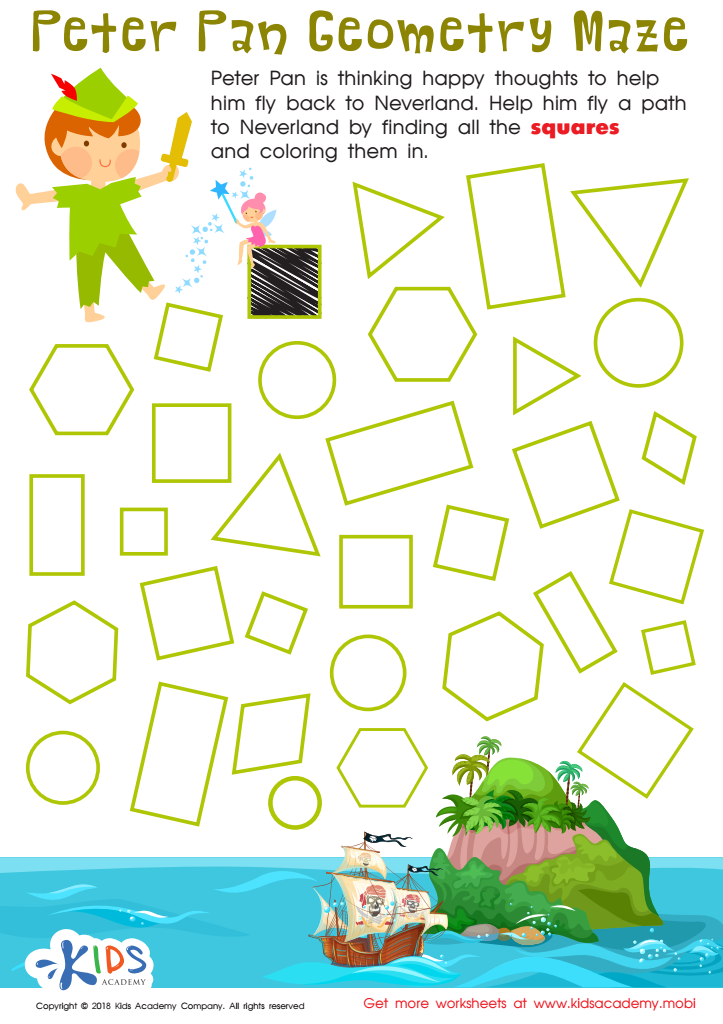
Peter Pan Worksheet
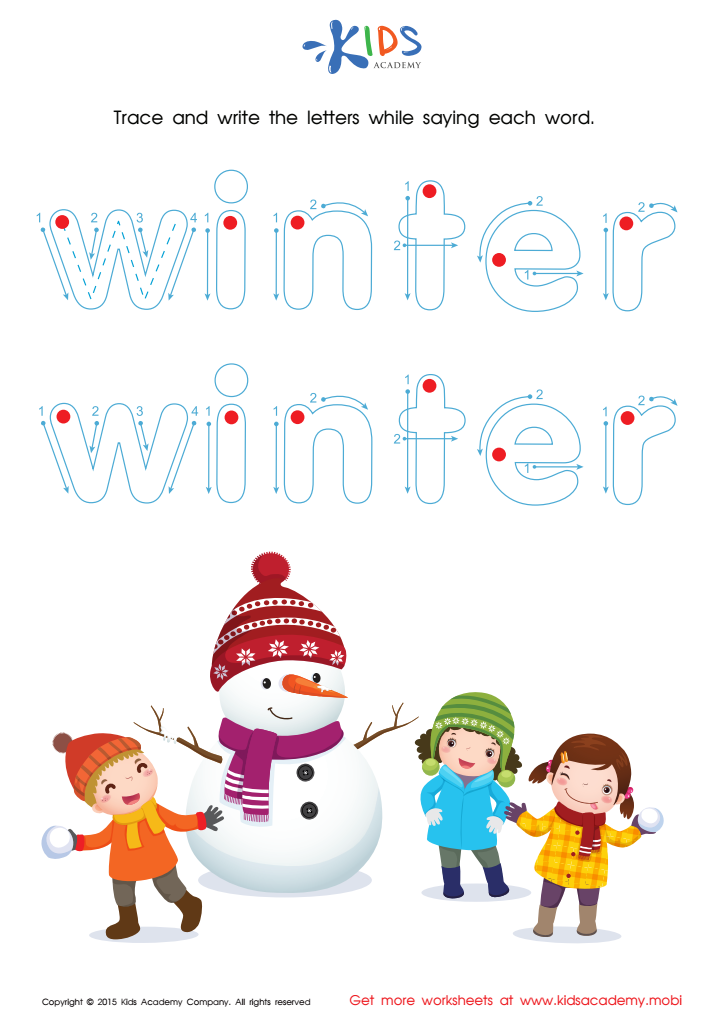
Snowman Tracing Winter Words Worksheet
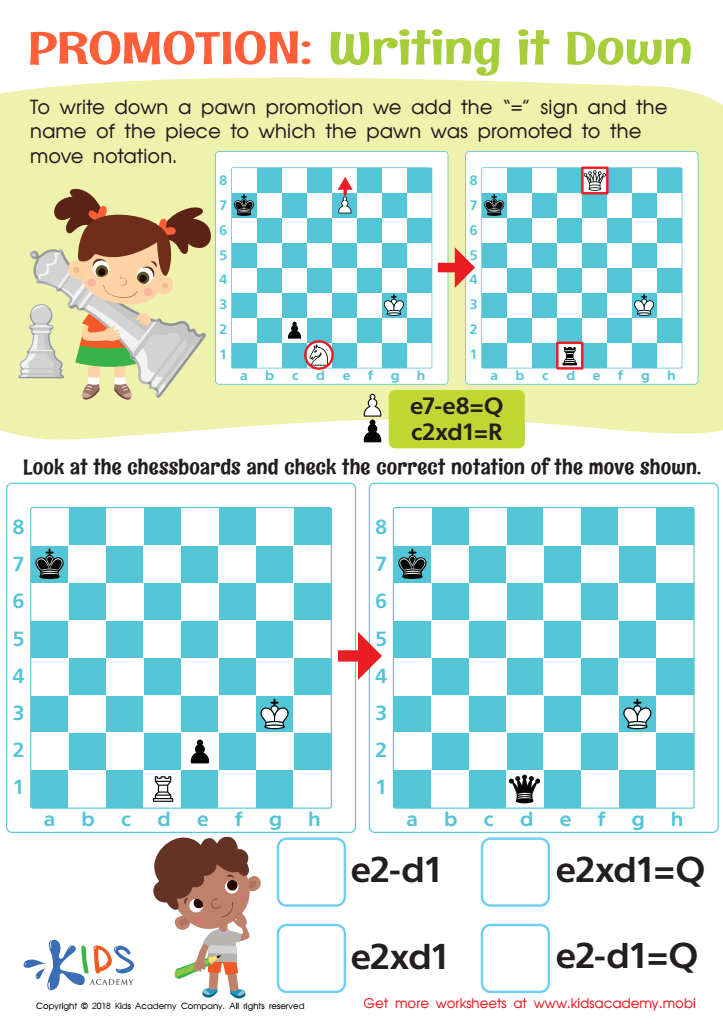
Writing it Down Worksheet


.jpg)




Understanding sequences is a foundational skill crucial for children aged 3-5, laying the groundwork for more complex cognitive abilities. It encompasses the ability to recognize, predict, and create patterns, which is vital for their overall cognitive development. For parents and teachers, nurturing this skill is essential as it supports early math development and enhances critical thinking.
Engaging with sequences fosters problem-solving skills and logical reasoning. Children learn to notice relationships between objects and events, assisting them in everyday tasks like following routines or instructions. Additionally, this skill improves language development as children learn to describe the order of events or patterns, enriching their vocabulary and communication abilities.
Incorporating sequence understanding into play and learning can be fun and interactive. Activities like sorting toys, arranging books, or following step-by-step instructions during games can reinforce this concept. By emphasizing sequences in early education, parents and teachers contribute to a child's readiness for formal education, helping them adapt to more complex tasks that require understanding order and patterns. Overall, fostering sequence understanding equips young children with essential cognitive tools that will benefit them throughout their academic journey and in life.








