Understanding symmetry Normal Worksheets for Ages 3-5
3 filtered results
-
From - To
Explore our engaging "Understanding Symmetry Normal Worksheets" designed specifically for preschoolers aged 3-5! These colorful and interactive worksheets introduce young learners to the concept of symmetry in a fun and relatable way. Through various activities, children will identify symmetrical shapes, complete patterns, and enhance their visual perception skills. Our resources promote fine motor development while fostering critical thinking as kids discover the beauty of symmetry in everyday objects. Perfect for home or classroom use, these worksheets encourage creativity and curiosity in young minds. Start your journey into the world of symmetry today and watch your little ones’ skills blossom!
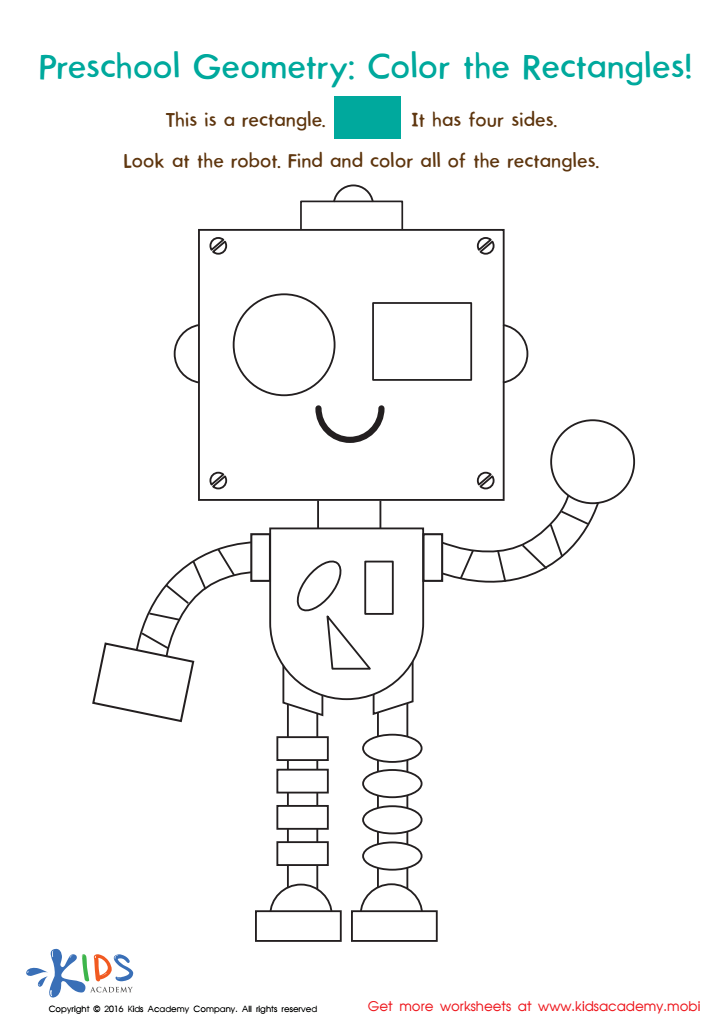
Geometry Worksheet
 Assign to My Students
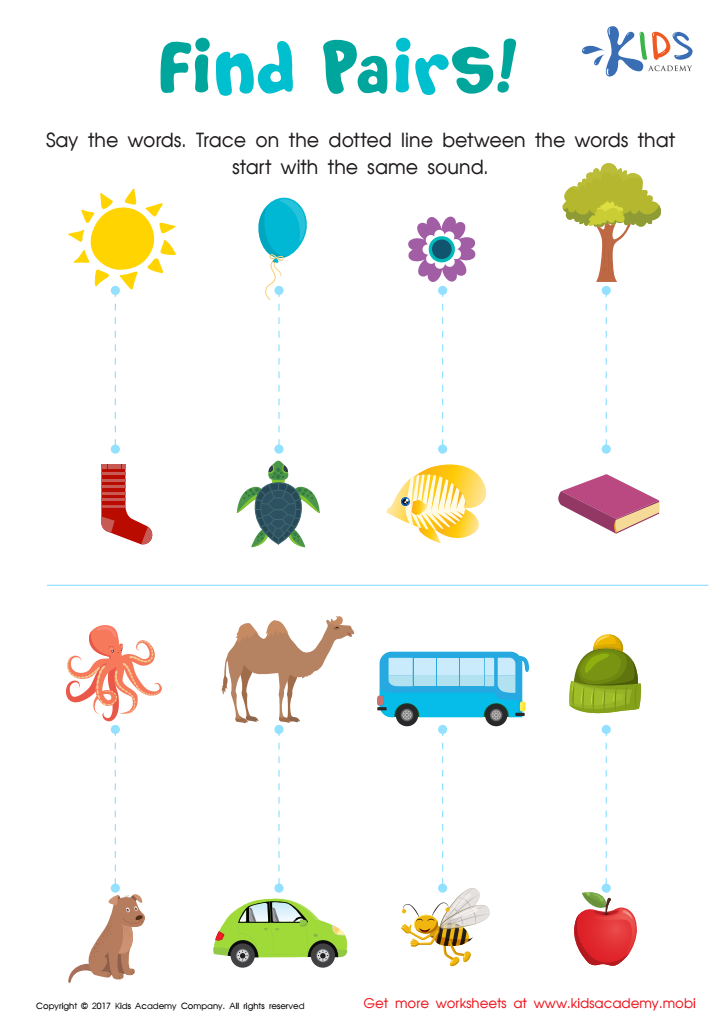
Beginning Sound: Find Pairs Worksheet
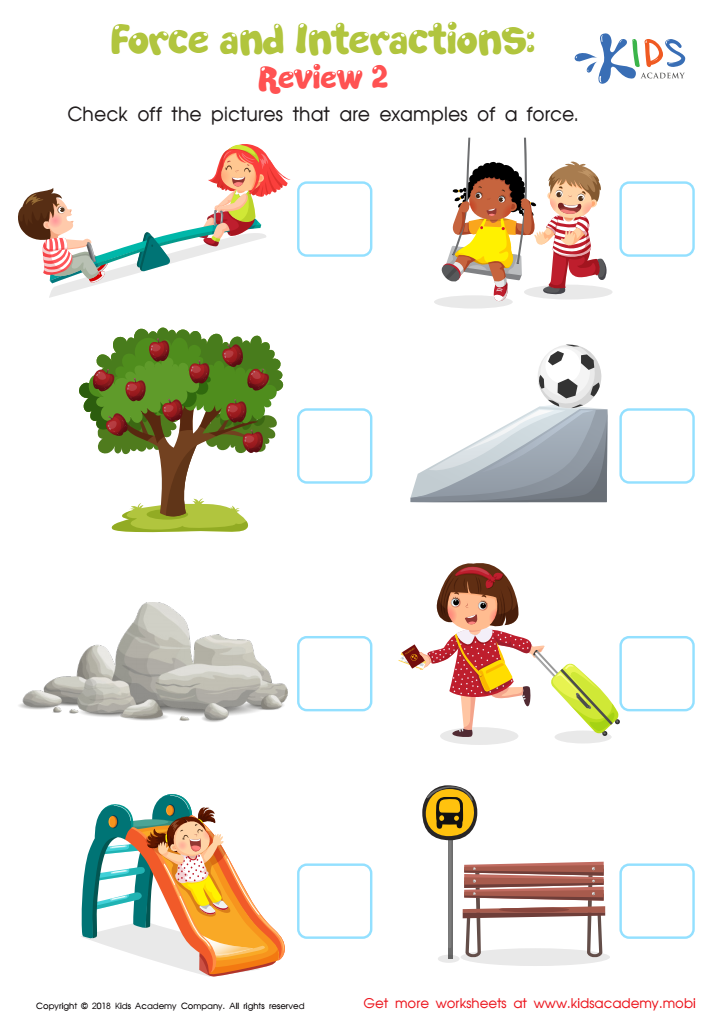
Force and Interactions: Review 2 Worksheet








Understanding symmetry is crucial for children ages 3-5 as it lays the foundation for spatial awareness and critical thinking skills. At this age, children are naturally curious about the world around them, and introducing the concept of symmetry can enhance their observational skills. Recognizing symmetry in objects, patterns, and nature helps foster early mathematical abilities. For instance, when children identify a butterfly’s wings or a new toy’s design as being symmetrical, they engage in problem-solving and logical reasoning, which are essential skills for later mathematics and science learning.
Moreover, understanding symmetry promotes creativity and artistic expression. When children create artwork using symmetrical designs, they explore balance and organization, which can also boost fine motor skills as they practice cutting, folding, or drawing. Engaging with symmetry can also be a fun way to incorporate language skills through descriptive activities, prompting discussions around concepts like “half,” “mirror,” and “same.”
By participating in games, songs, and hands-on activities that emphasize symmetry, parents and teachers create a rich learning environment. This foundational knowledge will not only prepare young children for more advanced mathematical concepts but also encourage a lifelong appreciation for the patterns and beauty found in the world around them.








