Vocabulary development Normal Worksheets for Ages 3-5 - Page 2
29 filtered results
-
From - To
 Assign to My Students
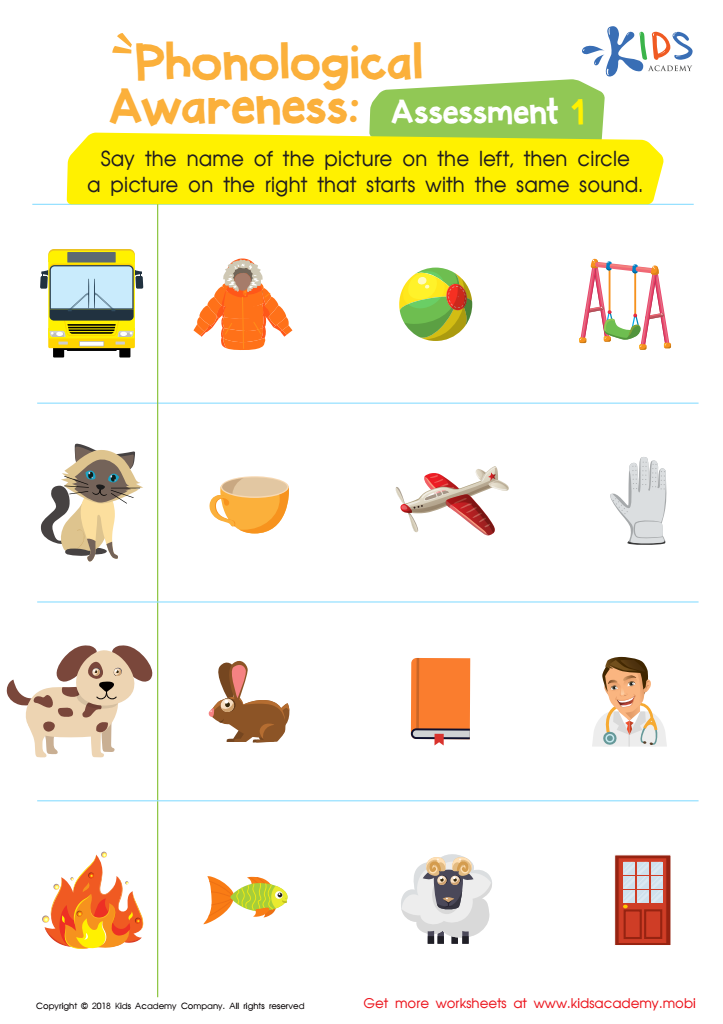
Phonological Awareness: Assessment 1 Worksheet
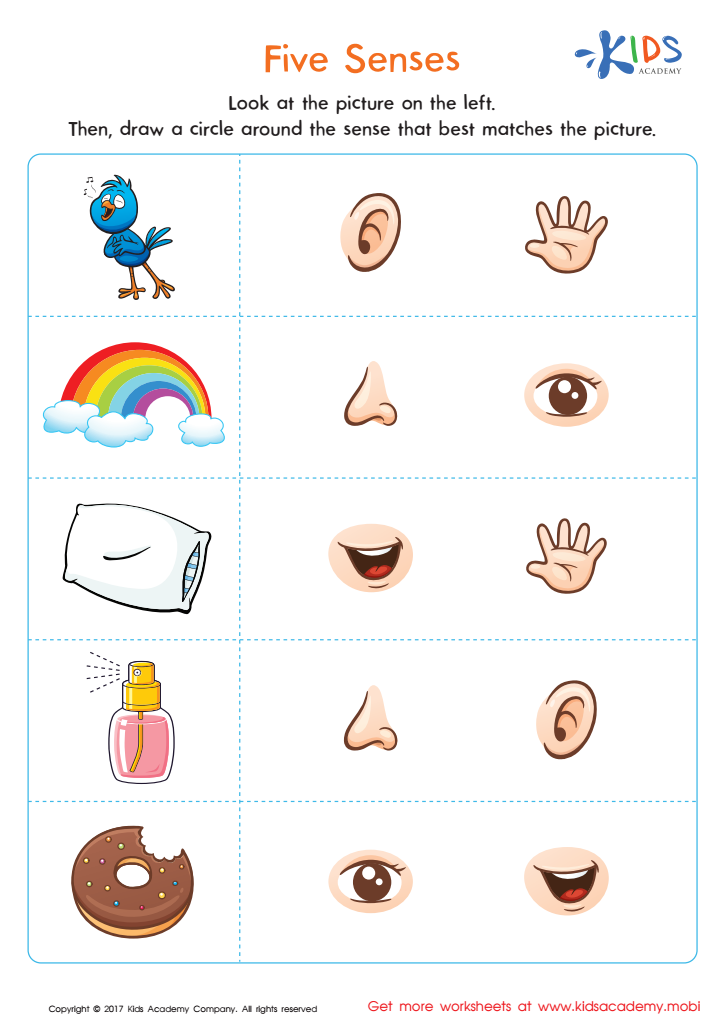
Five Senses Printable
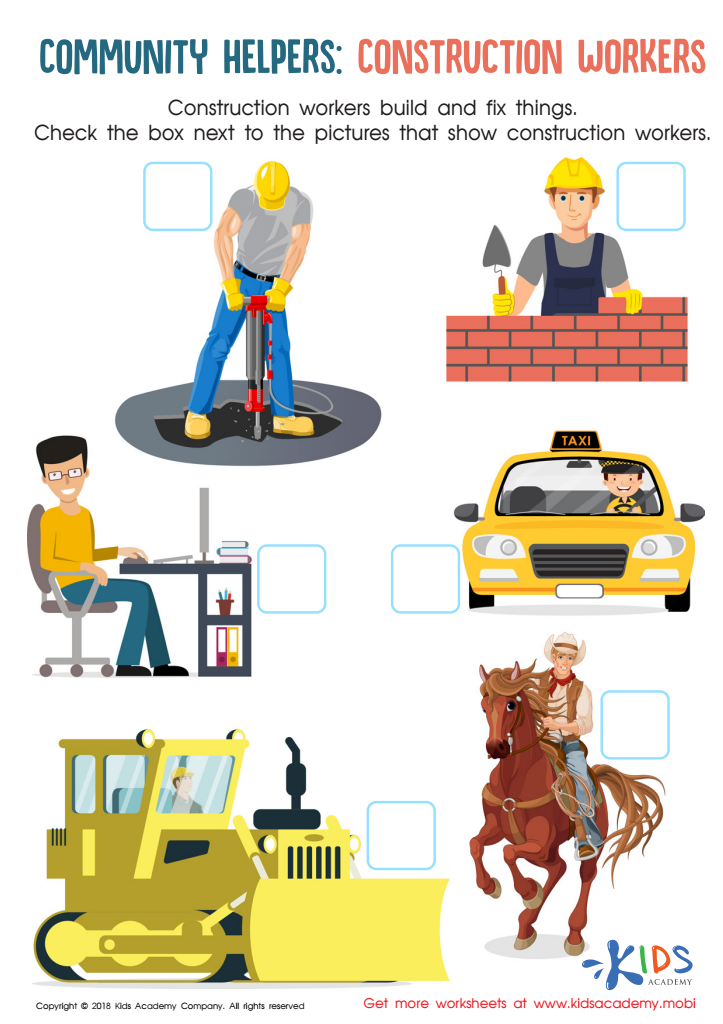
Construction Workers Community Helpers Worksheet
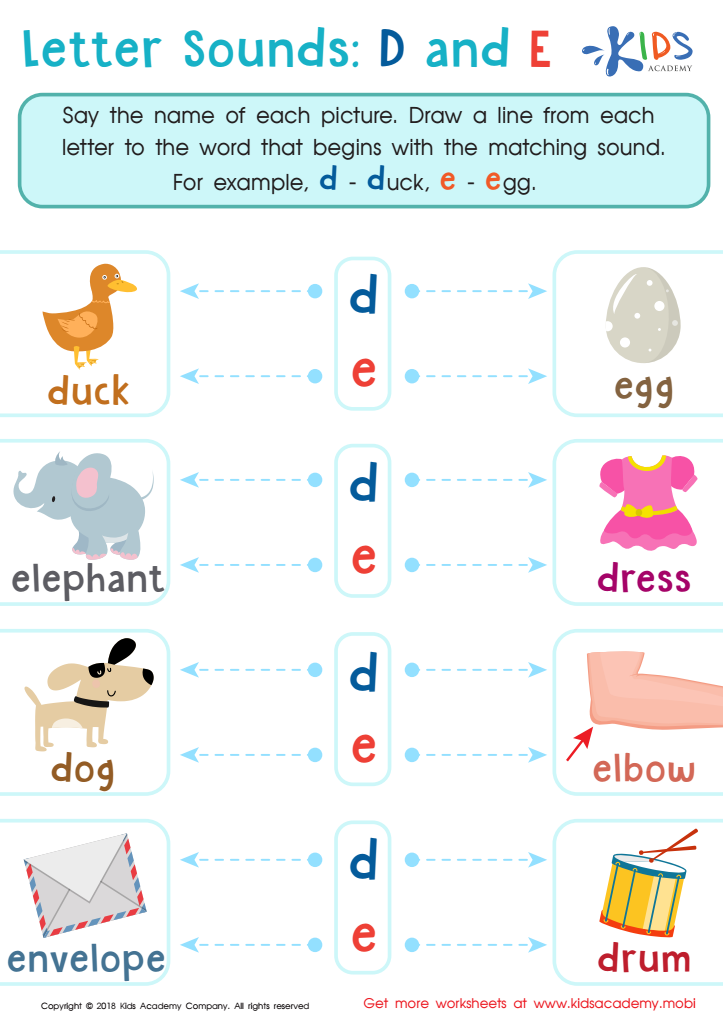
Letter D and E Sounds Worksheet


.jpg)

.jpg)

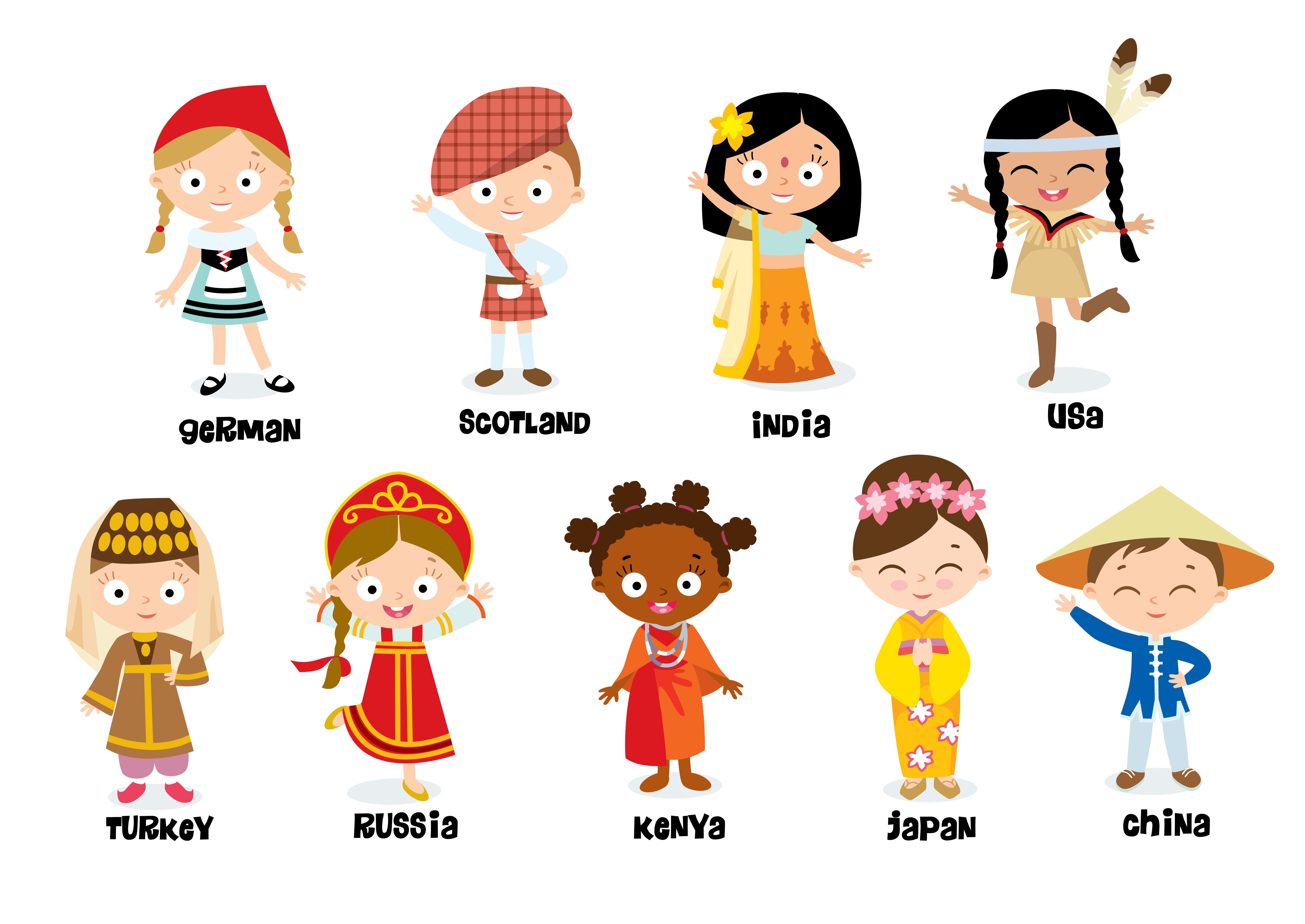

Vocabulary development is critical for children aged 3-5 because this is a formative period for linguistic, cognitive, and social growth. First, language skills are foundational to all learning; a rich vocabulary enables children to express thoughts, ask questions, and pursue knowledge effectively. If a child has a robust vocabulary, they will find it easier to comprehend instructions and stories, which enhances their academic performance and love for learning.
Moreover, vocabulary development directly contributes to reading proficiency. Children who know more words can more easily decode them when reading, which supports overall literacy. Early exposure to a variety of words also improves cognitive abilities such as memory, problem-solving skills, and critical thinking, setting the stage for lifelong intellectual curiosity and academic success.
Socially, a well-developed vocabulary helps children interact more effectively with peers and adults. They can more precisely convey their feelings, negotiate in play, and build relationships. Effective communication reduces frustration and boosts self-esteem, fostering a positive learning environment.
Parents and teachers play a pivotal role in nurturing vocabulary through everyday interactions, storytime, and intentional teaching practices like song and play. By prioritizing vocabulary development, they equip children with crucial tools that underpin future learning, emotional well-being, and social competence.








