Vocabulary enhancement Normal Worksheets for Ages 3-5 - Page 2
74 filtered results
-
From - To
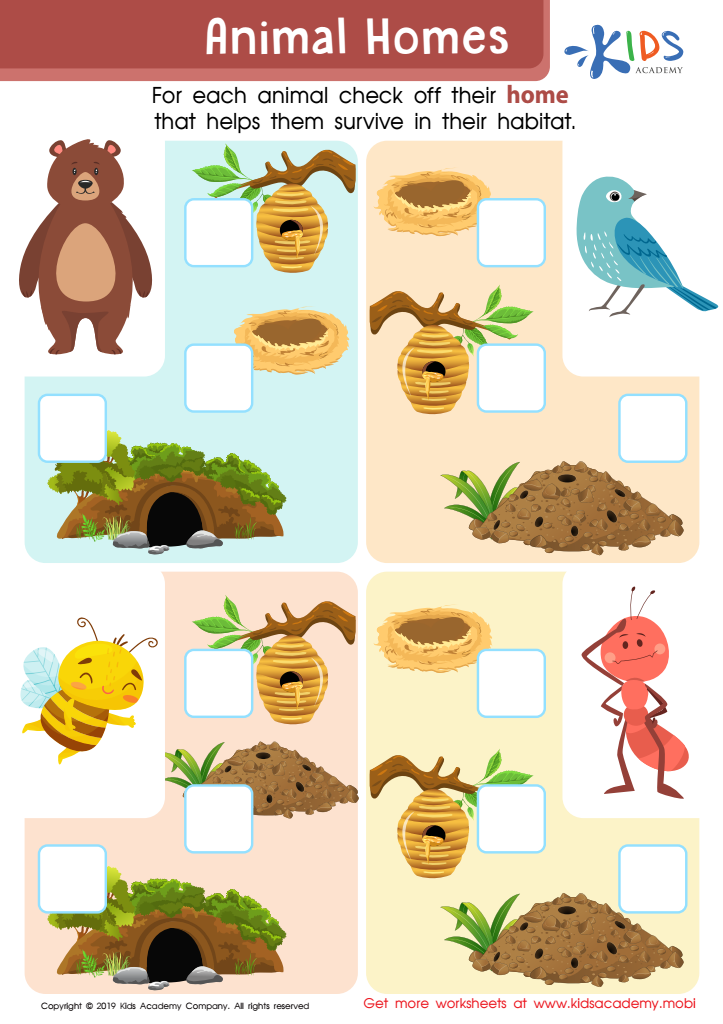
Animal Homes Worksheet
 Assign to My Students
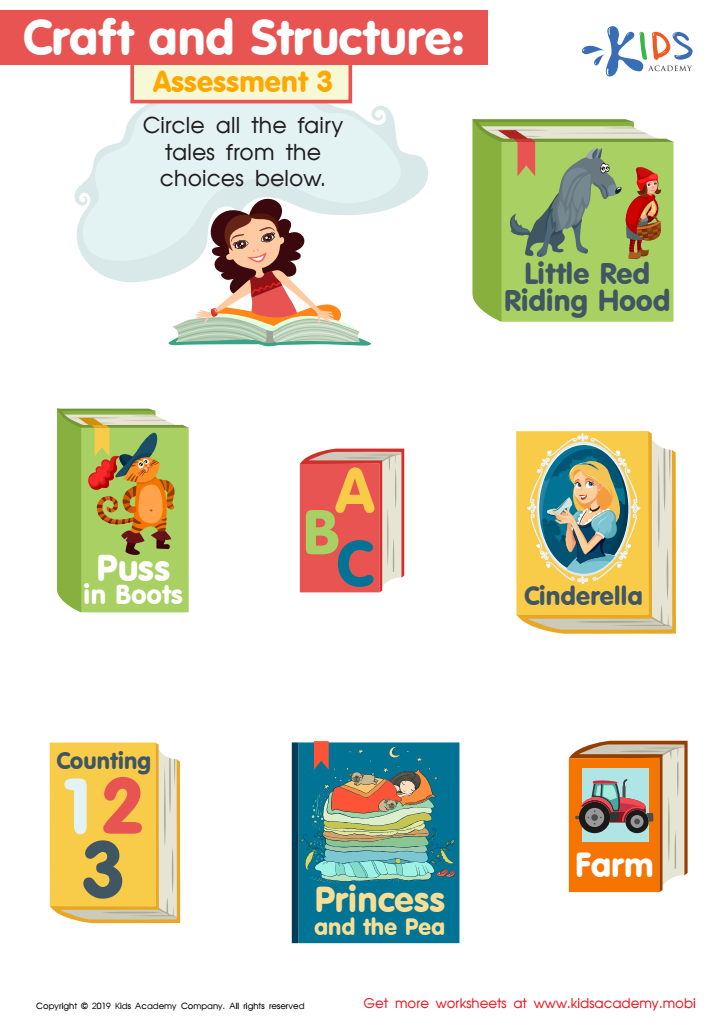
Craft and Structure: Assessment 3 Worksheet
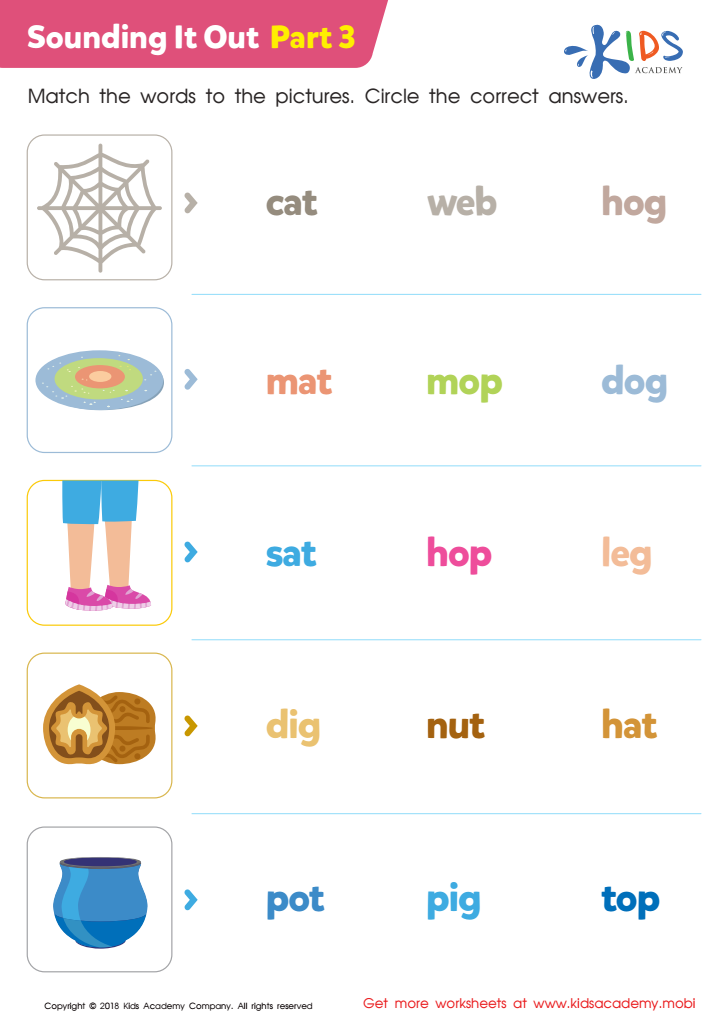
Sounding it Out: Part 3 Worksheet
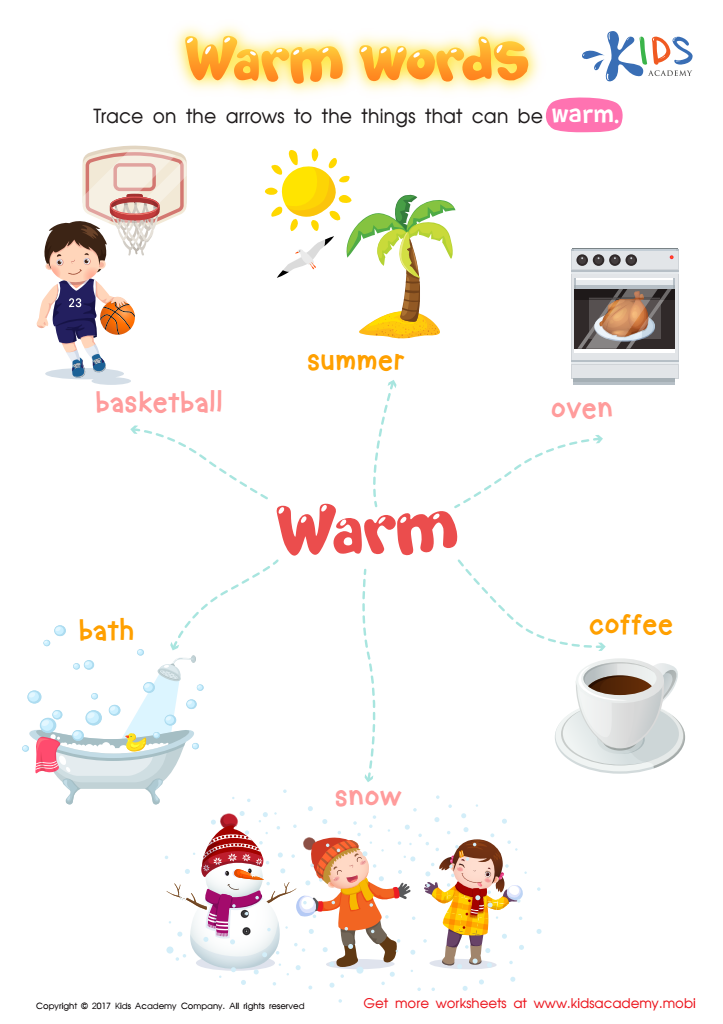
Warm Words Worksheet
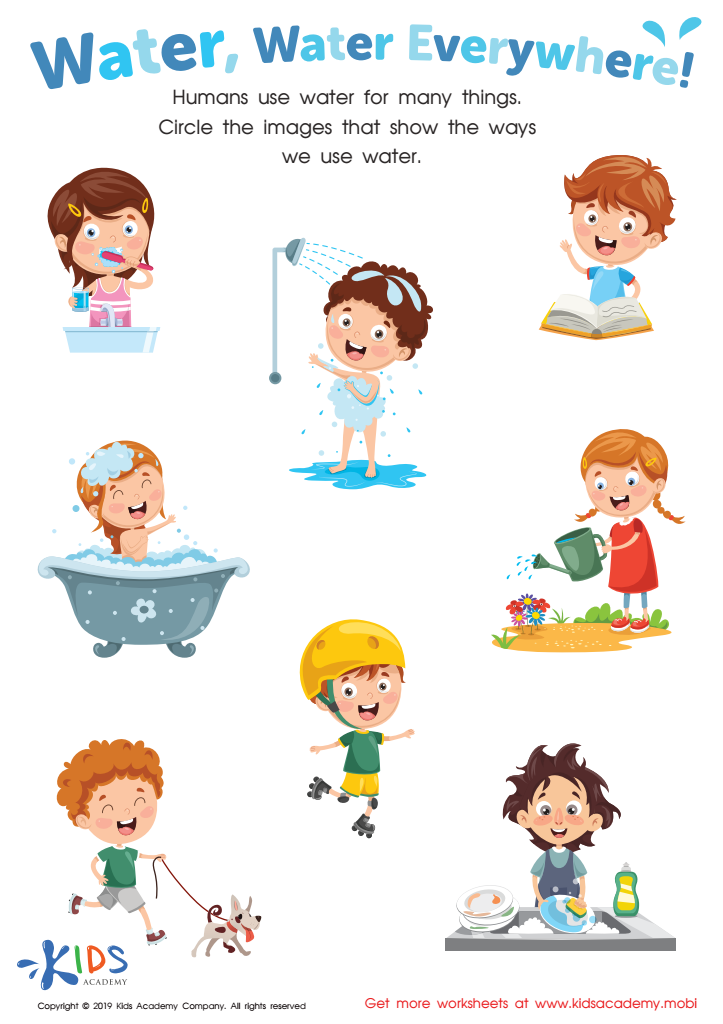
Water, Water Everywhere! Worksheet
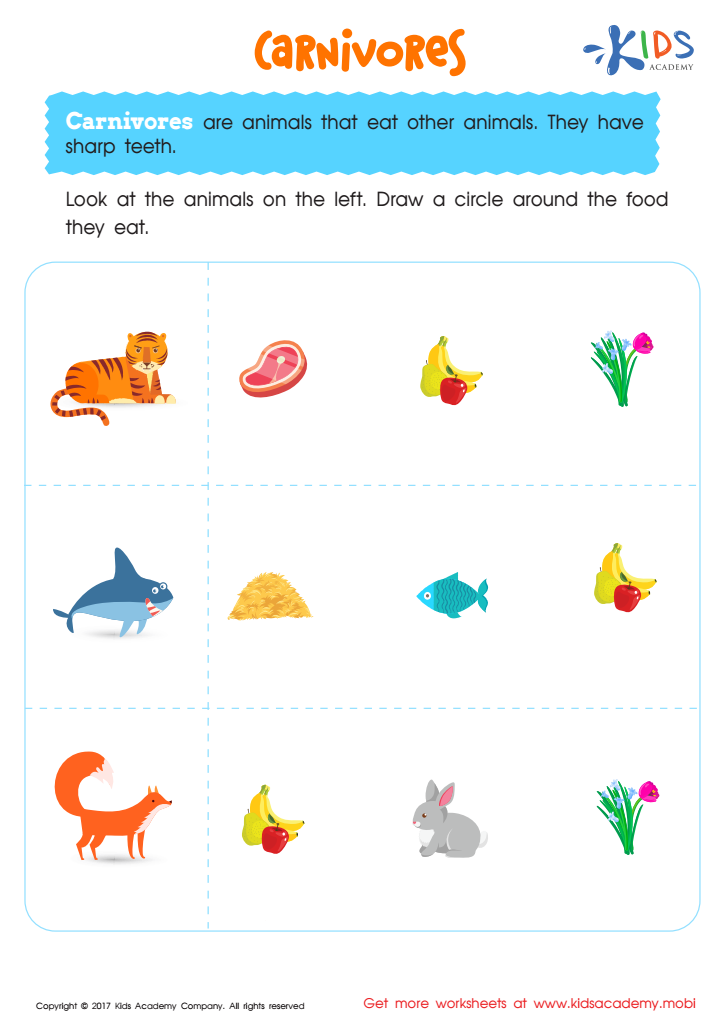
Carnivores Worksheet
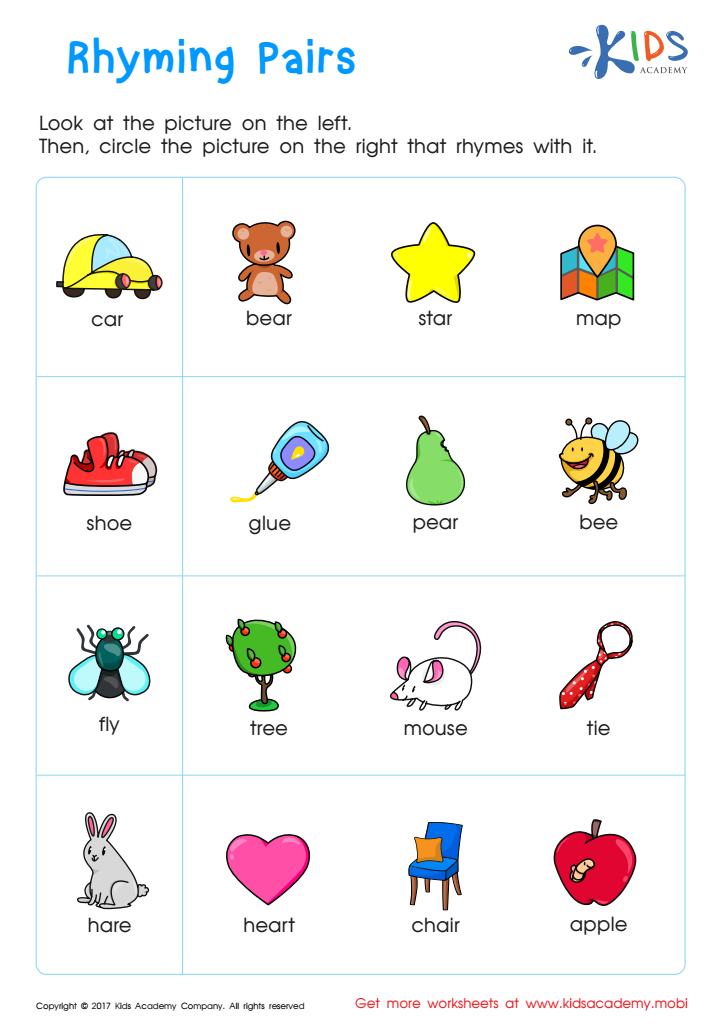
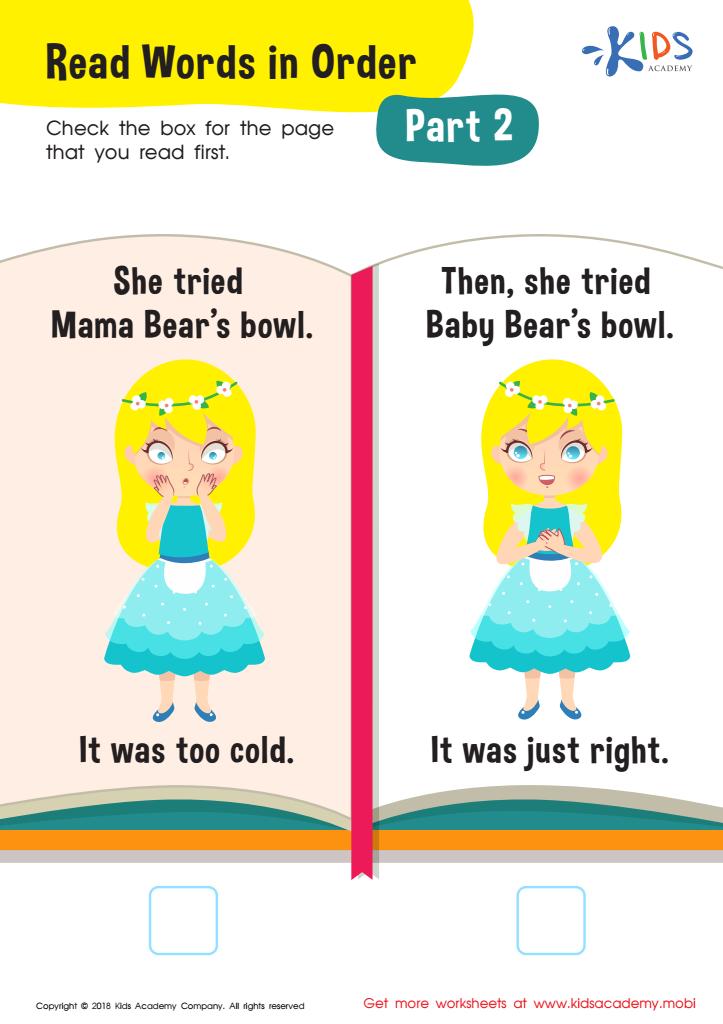
Read Words Order Part 2 Worksheet
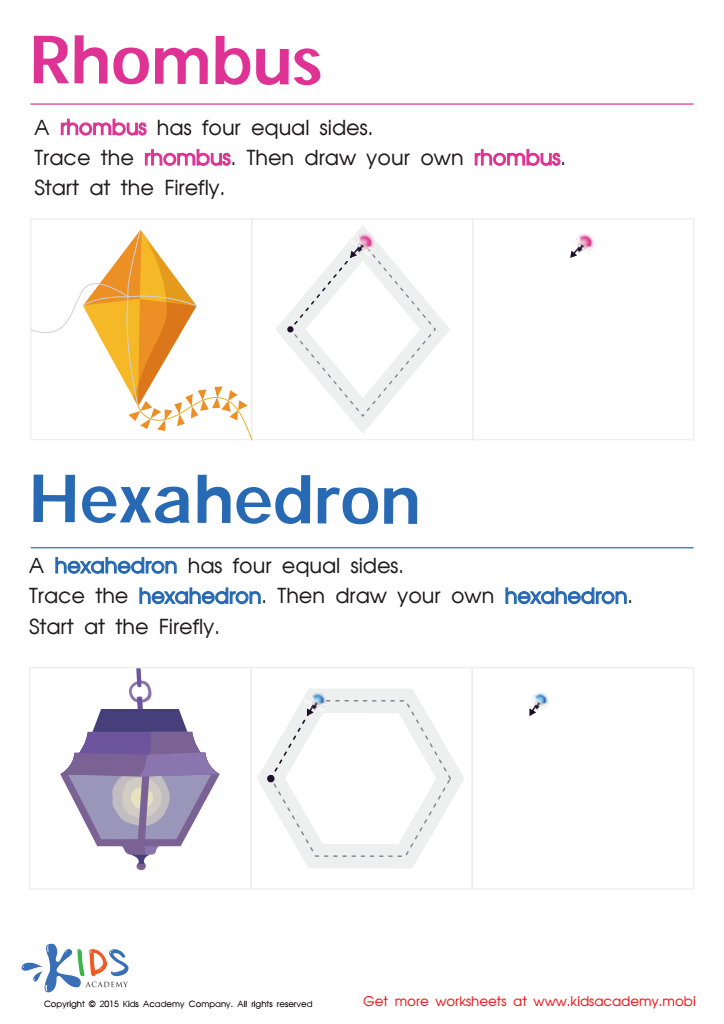
Draw a Rhombus And a Hexahedron Printable
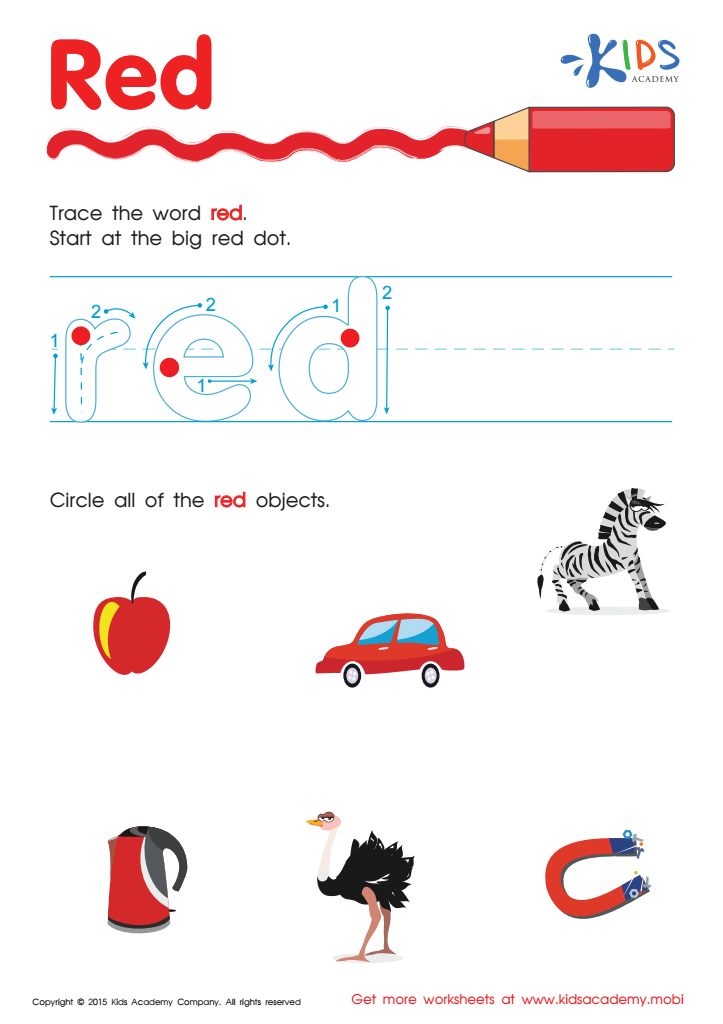
Red Tracing Color Words Printable
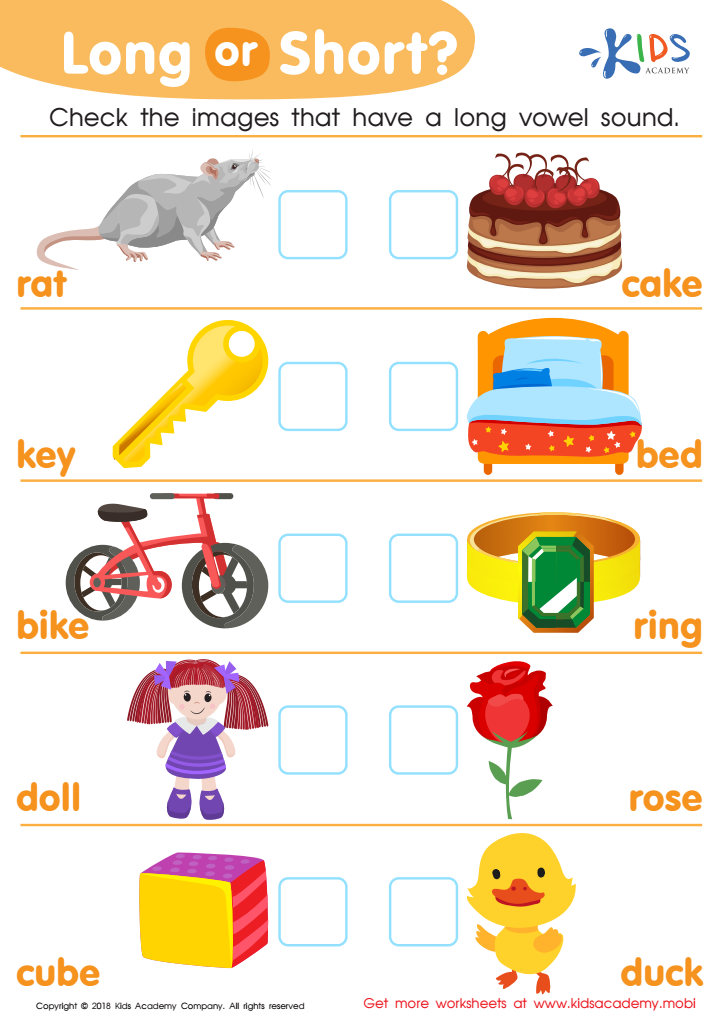
Long or Short Reading Worksheet
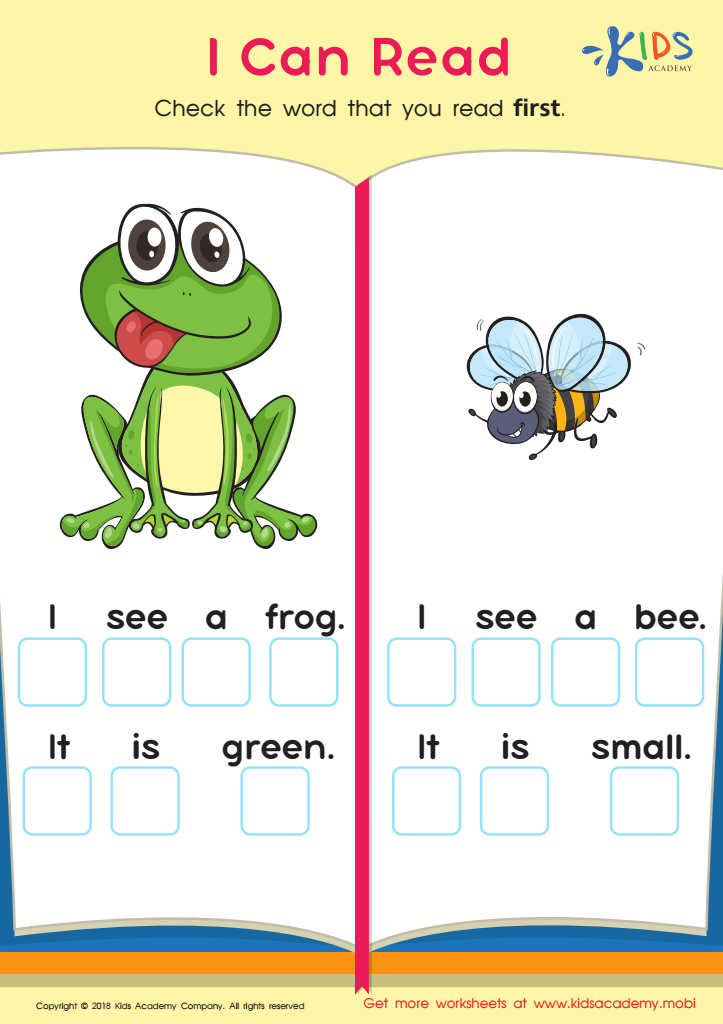
I Can Read Worksheet
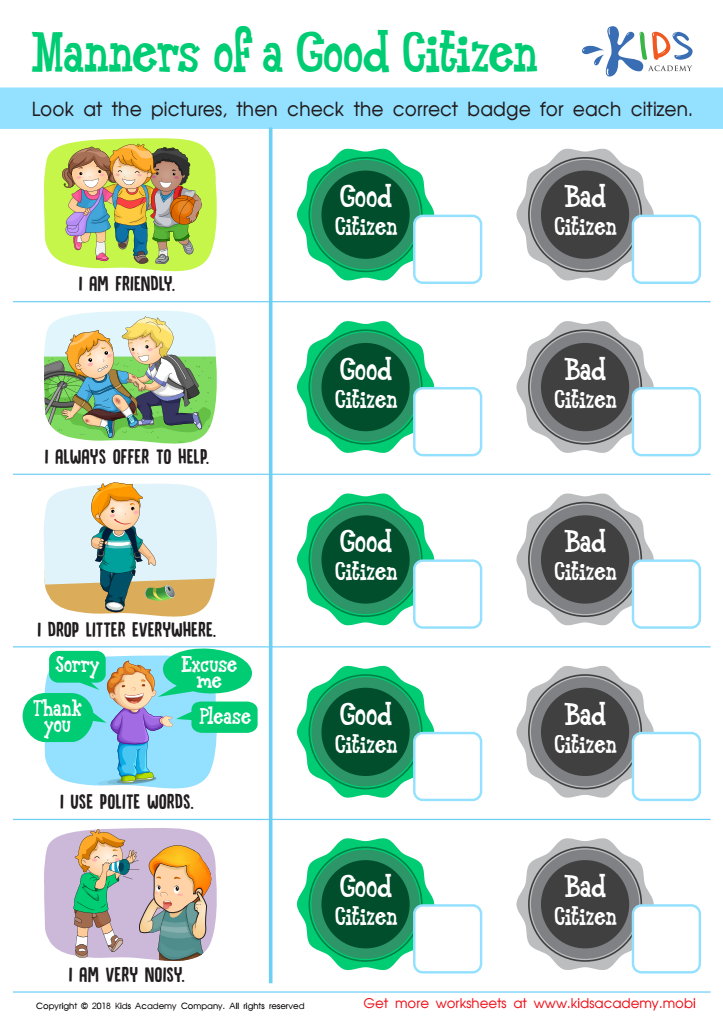
Manners of a Good Citizen Worksheet
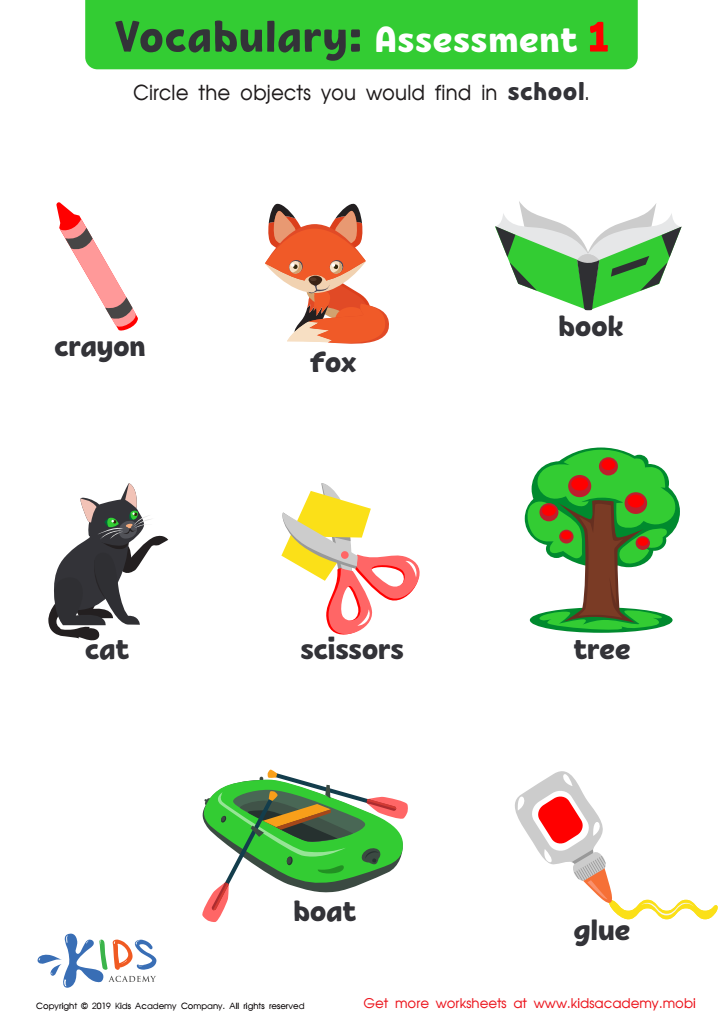
Vocabulary: Assessment 1 Worksheet
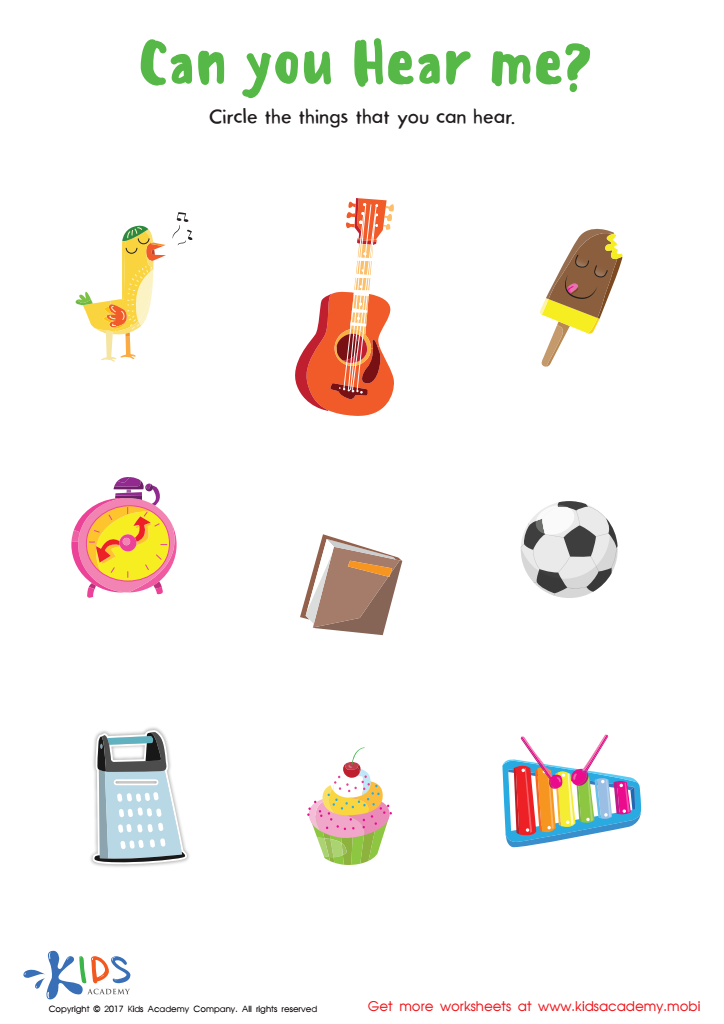
Can You Hear Me Worksheet
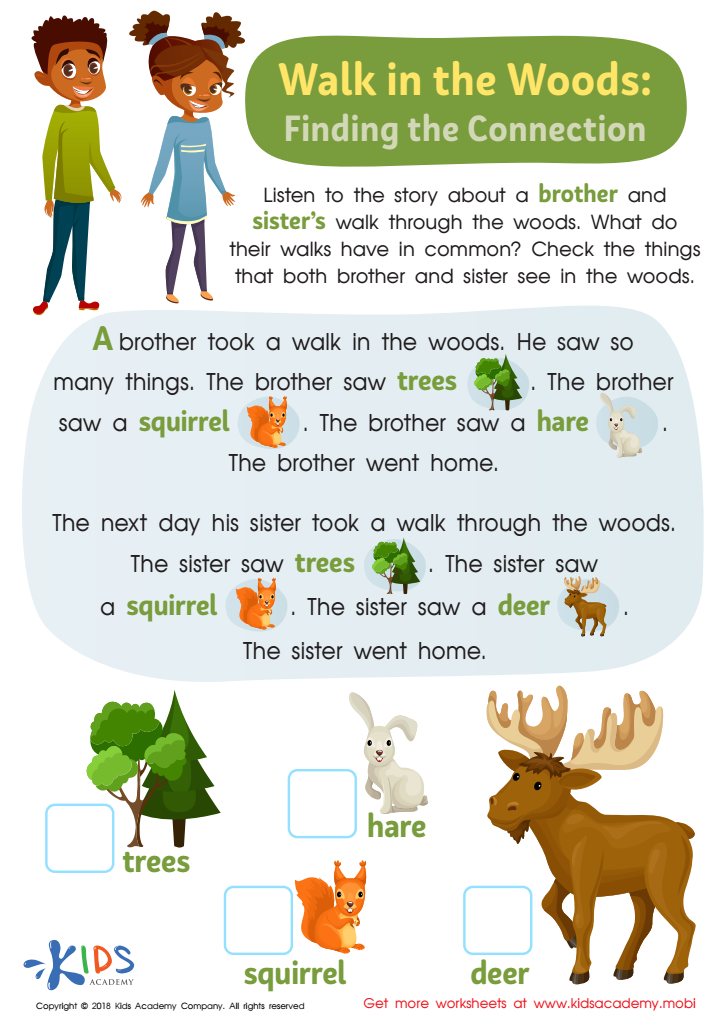
Walk In the Woods: Finding Connections Worksheet
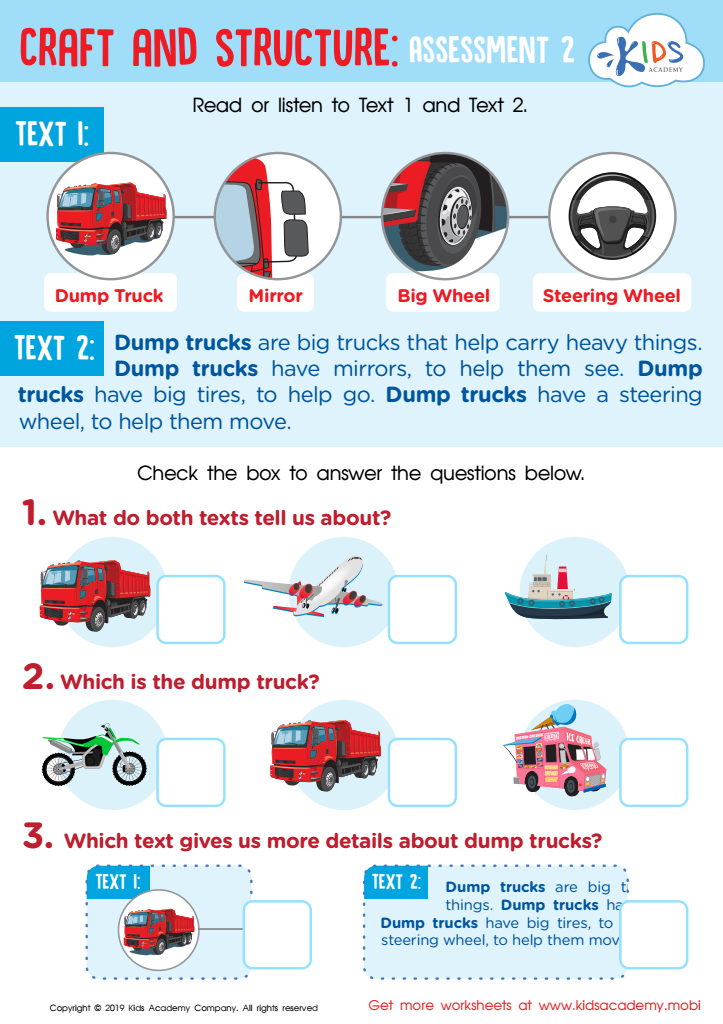
Craft and Structure: Assessment 2 Worksheet

Thanksgiving Holiday Printable
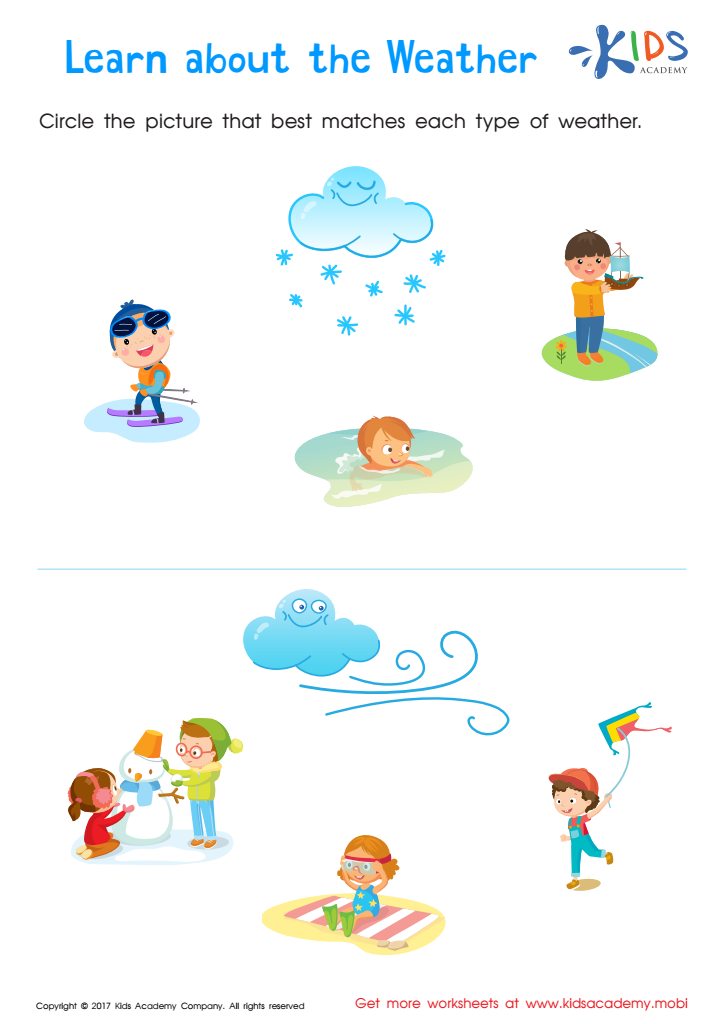
About the Weather Printable
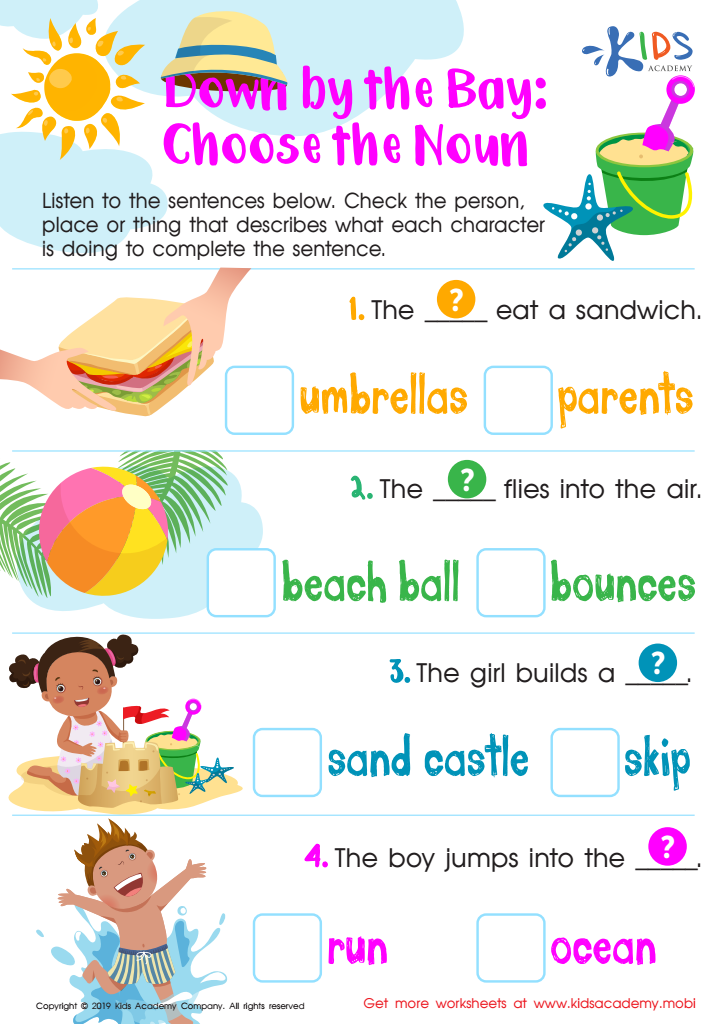
Down by the Bay: Choose the Noun Worksheet
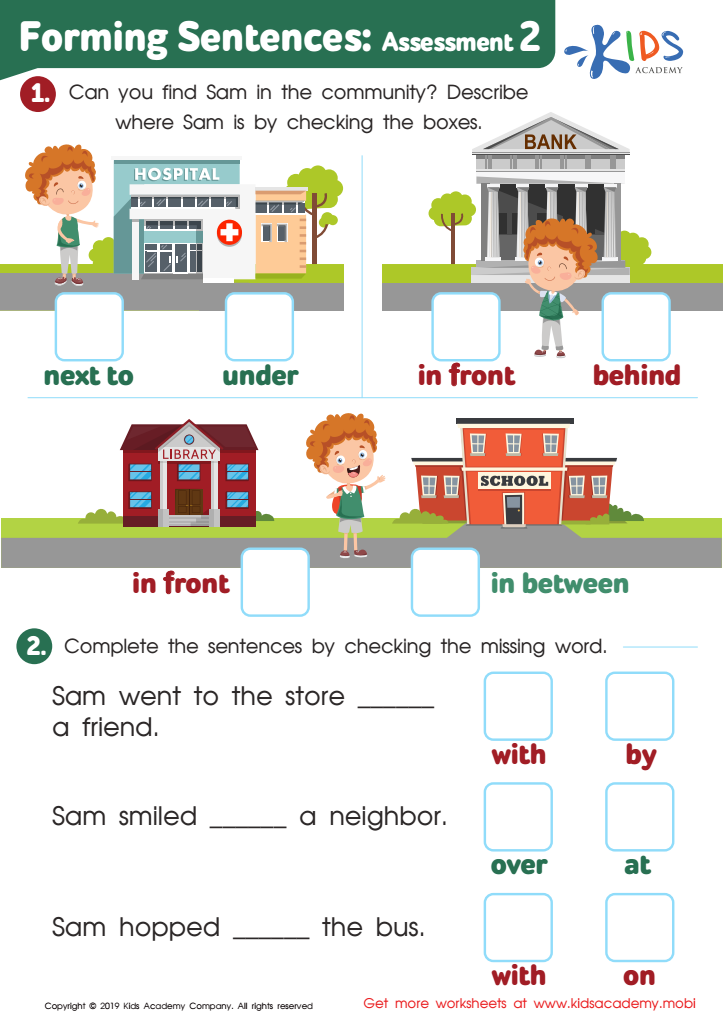
Forming Sentences: Assessment 2 Worksheet
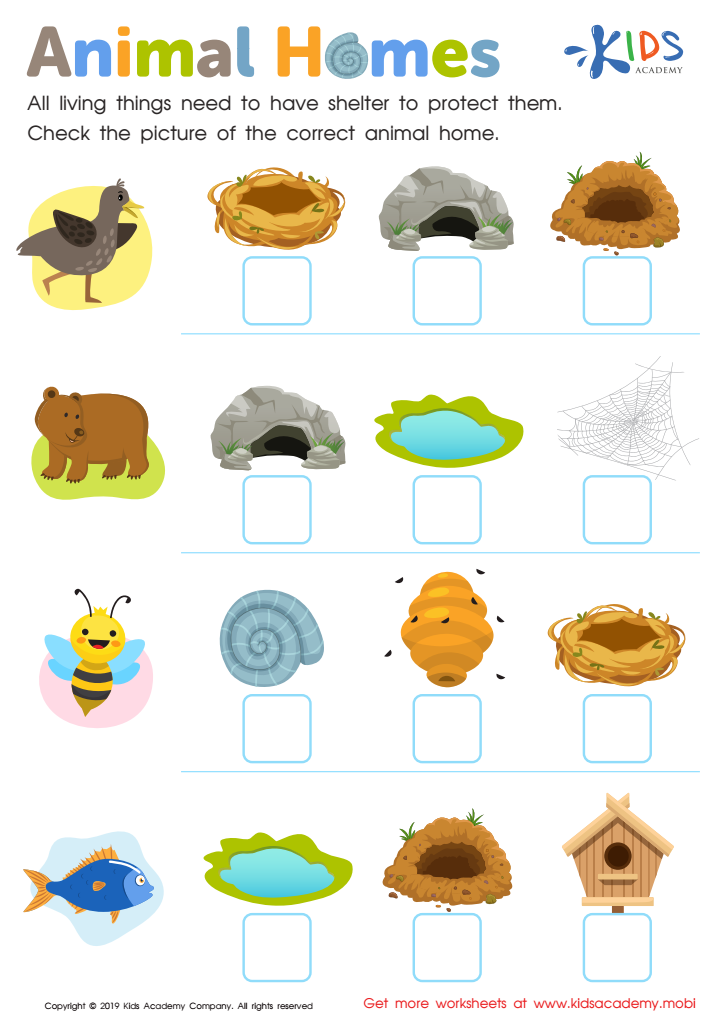
Animal Homes Worksheet
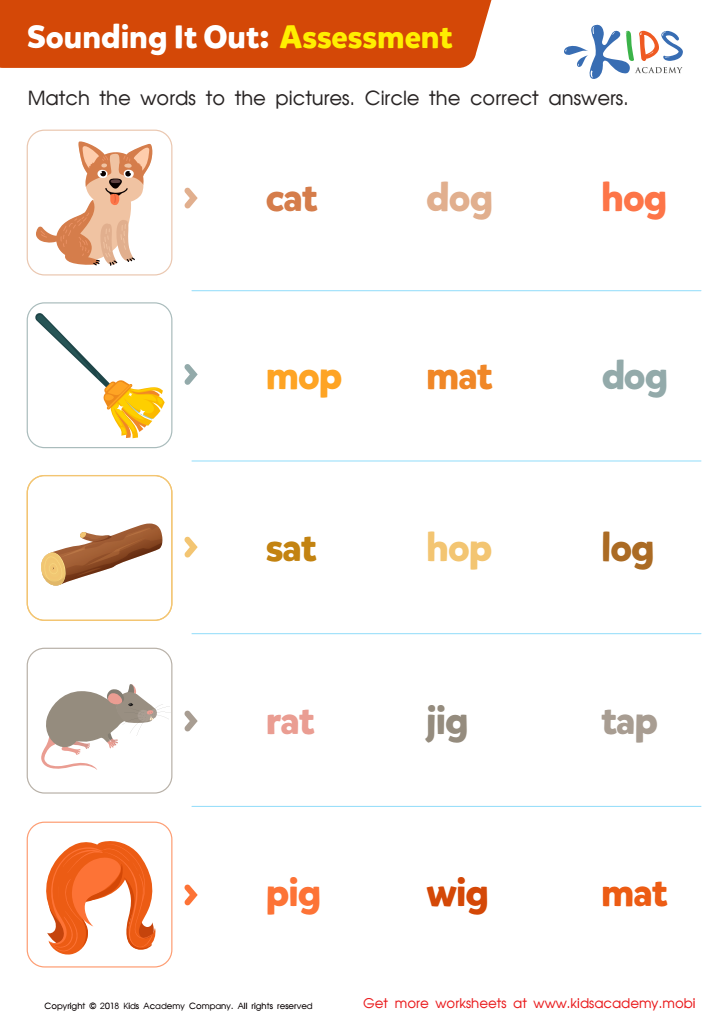
Sounding it Out: Assessment Worksheet
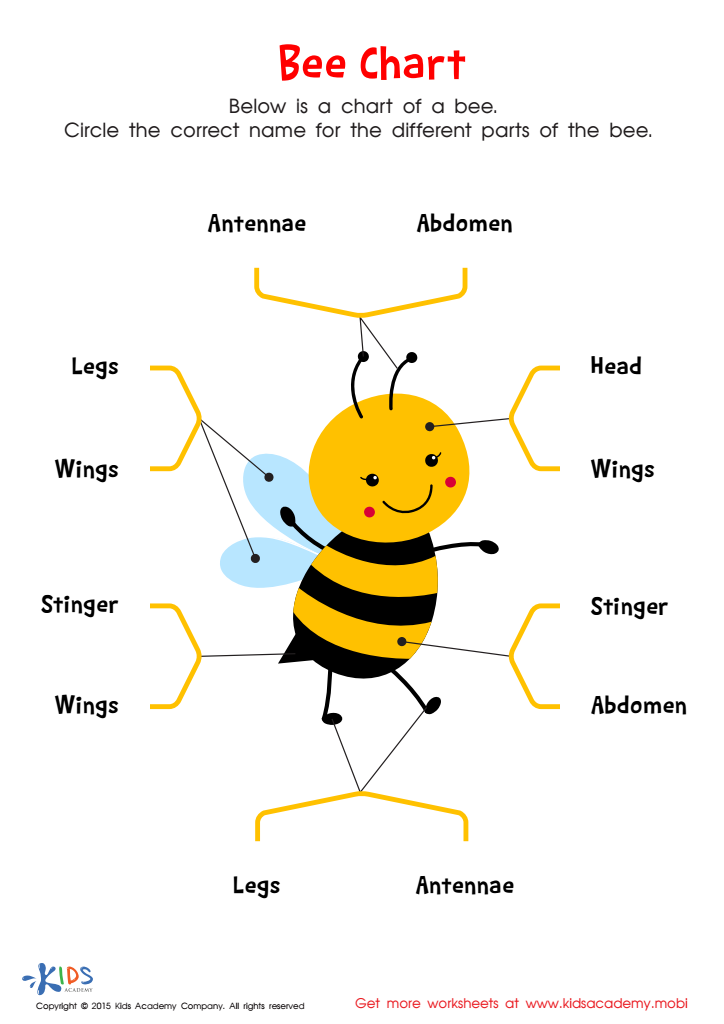








Vocabulary enhancement during the ages of 3-5 is critical for a child’s cognitive and social development. This formative period, often referred to as the "critical period," is when children are most receptive to language learning. A rich vocabulary lays the foundation for effective communication, enabling children to express their thoughts and feelings more clearly.
Parents and teachers play essential roles in this enhancement process. By actively engaging young learners through reading, storytelling, and conversations, they provide invaluable exposure to new words and contexts. This not only fosters language skills but also boosts understanding and retention of information.
Furthermore, a strong vocabulary is linked to improved literacy skills, which directly correlates with academic success in later years. Children with expansive vocabularies are better equipped to comprehend complex texts, participate in discussions, and engage with diverse subject matter.
Additionally, vocabulary enhancement promotes social skills. Children with better language abilities can share ideas, negotiate with peers, and resolve conflicts more effectively, fostering healthier relationships.
Overall, investing in vocabulary development early on has long-lasting benefits, creating a nurturing environment that supports both academic achievement and social-emotional growth. Parents and teachers should prioritize this development to empower children for future success.








