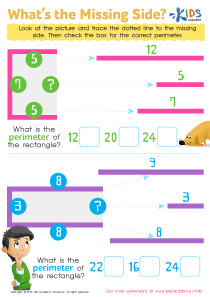
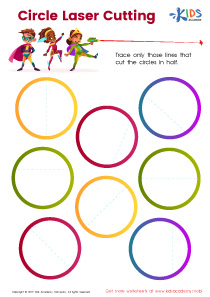
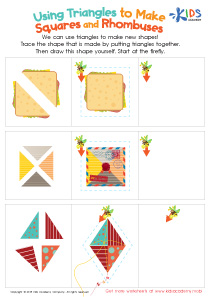
Fine Motor Skills Normal 2D Shapes Worksheets for Ages 3-5
4 filtered results
-
From - To
Discover the ideal "Fine Motor Skills Normal 2D Shapes Worksheets for Ages 3-5" at Kids Academy! Specially designed for early learners, these engaging worksheets are perfect for enhancing fine motor skills while introducing basic 2D shapes. Children will enjoy tracing, coloring, and matching activities that not only foster hand-eye coordination but also build crucial pre-writing skills. Each vibrant, child-friendly worksheet helps young learners recognize and differentiate circles, squares, triangles, and more in a fun, playful manner. Set the foundation for math success and cognitive development with our expertly crafted, developmentally appropriate resources today!
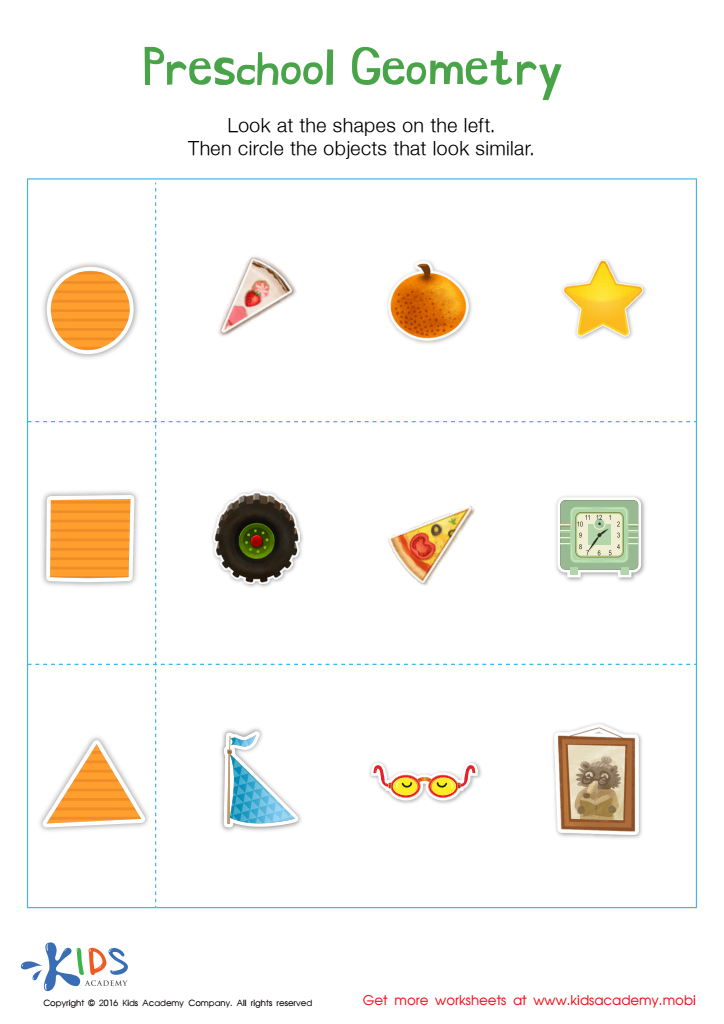
Preschool Geometry Match Up Worksheet
 Assign to My Students











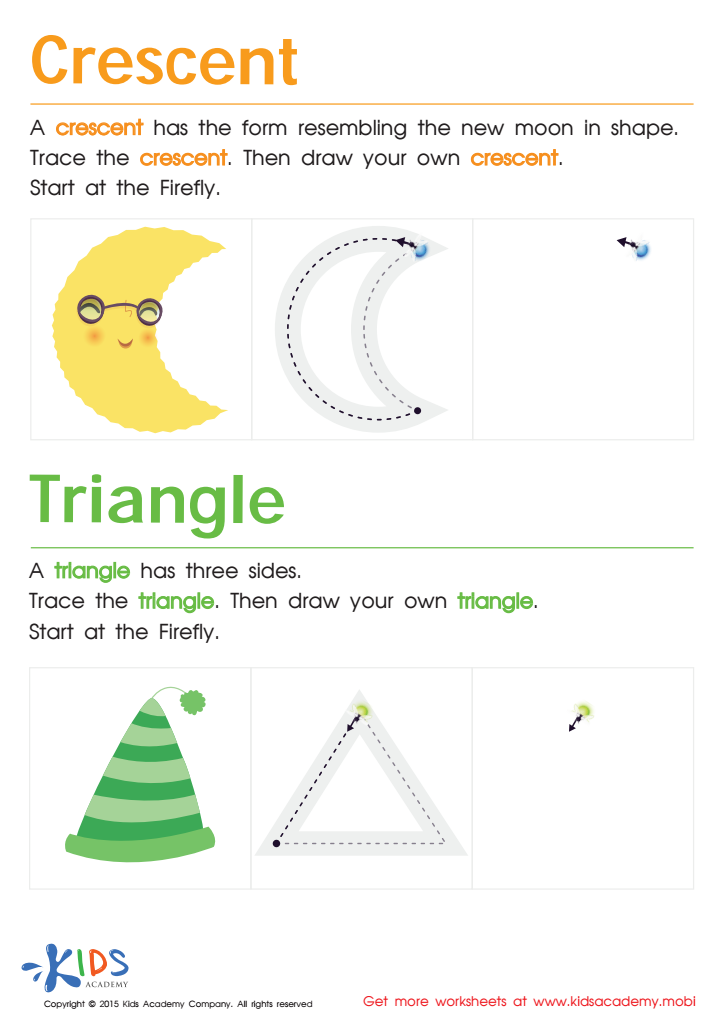
Learning to Draw Crescents And Triangles Worksheet
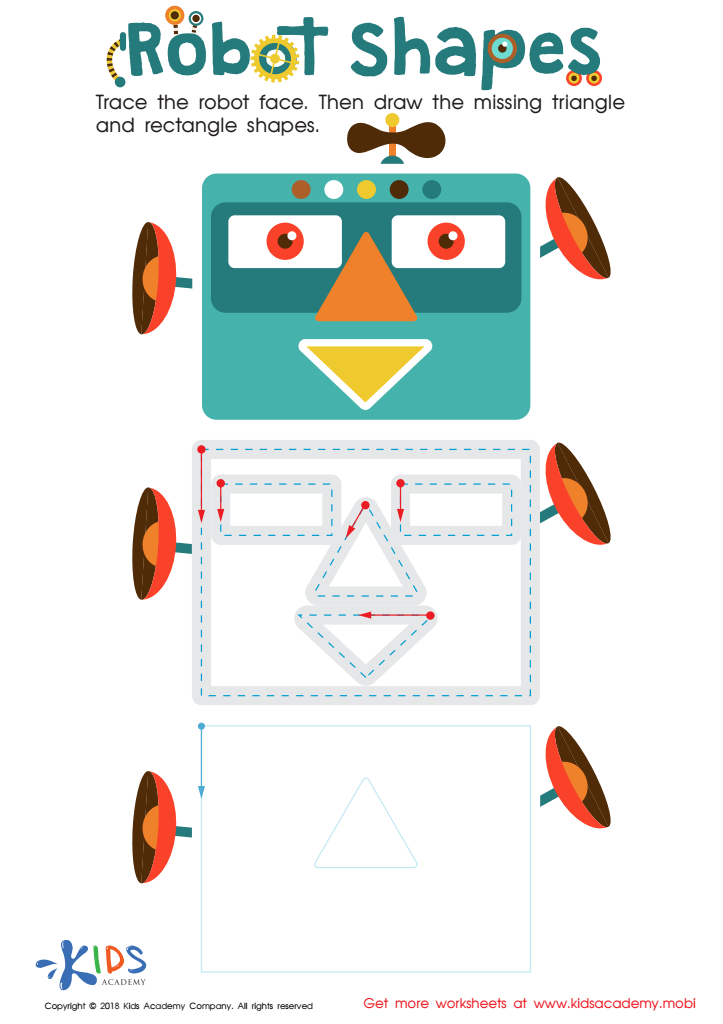
Robot Shapes Worksheet
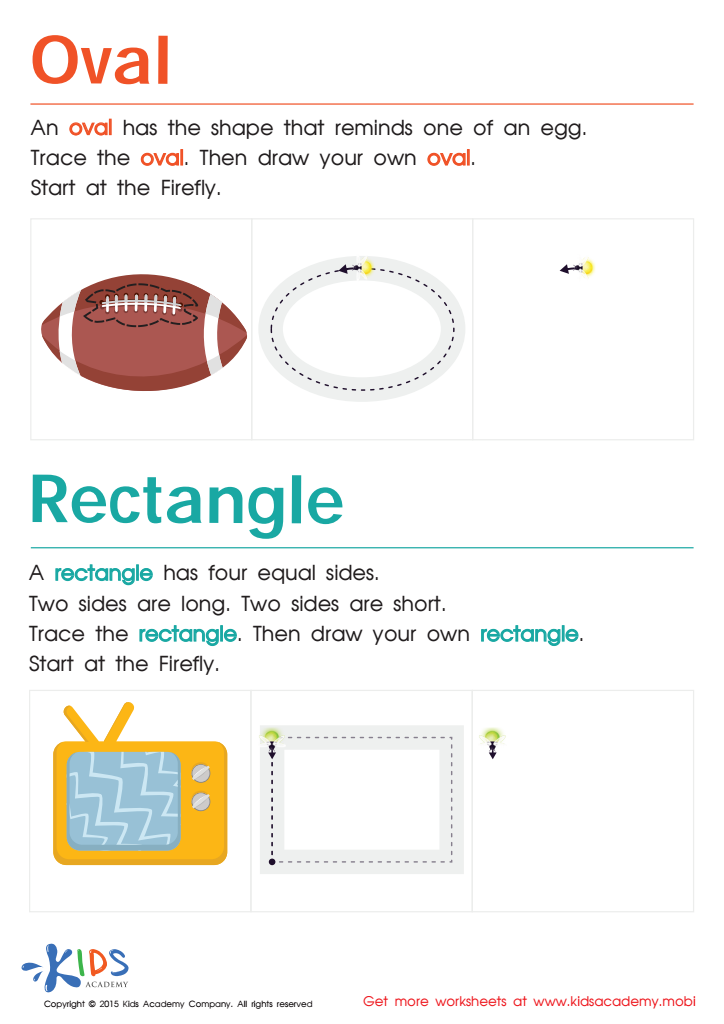
Easy Drawing of Ovals And Rectangles Worksheet








Fine motor skills and understanding normal 2D shapes are fundamental aspects of early childhood development, particularly for children aged 3-5. These skills are crucial for day-to-day activities and advanced learning.
Fine motor skills involve the refined use of the small muscles in the hands and fingers, which are essential for tasks such as writing, drawing, manipulating small objects, buttoning clothes, and using utensils. Without developed fine motor skills, children may struggle with these everyday activities, negatively impacting their independence and self-esteem. Engaging in activities like drawing shapes and cutting along lines enhances these skills, supporting later academic tasks such as writing letters and numbers.
Understanding normal 2D shapes, such as circles, squares, and triangles, plays a significant role in spatial awareness and cognitive development. Shapes are building blocks for geometry, math, and further educational concepts. Recognizing and describing shapes foster early math language and thinking, promoting problem-solving abilities and logical thinking.
Parents and teachers who prioritize fine motor skills and 2D shape recognition help children build a solid foundation for future learning. Activities that blend these aspects, like puzzles and sorting games, not only make learning enjoyable but also offer kids the tools needed for success in more complex tasks as they grow.