Problem-Solving Skills Normal 2D Shapes Worksheets for Ages 3-5
5 filtered results
-
From - To
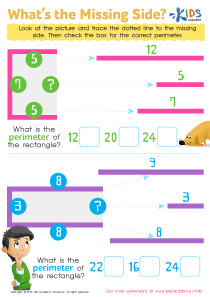
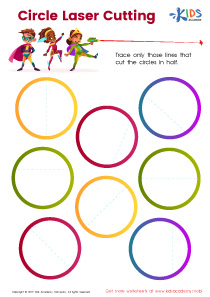
Enhance your child's problem-solving skills with our engaging Normal 2D Shapes Worksheets, specially designed for ages 3-5. These printable activities introduce young learners to essential shapes like circles, squares, and triangles in a fun and interactive way. Each worksheet encourages critical thinking as kids navigate through various puzzles and challenges, helping them develop spatial awareness and reasoning skills. Perfect for home or classroom use, our worksheets provide a stimulating environment for early learners to practice identifying, sorting, and manipulating shapes. Equip your child with foundational math skills while fostering a love for learning through these dynamic and creative worksheets!
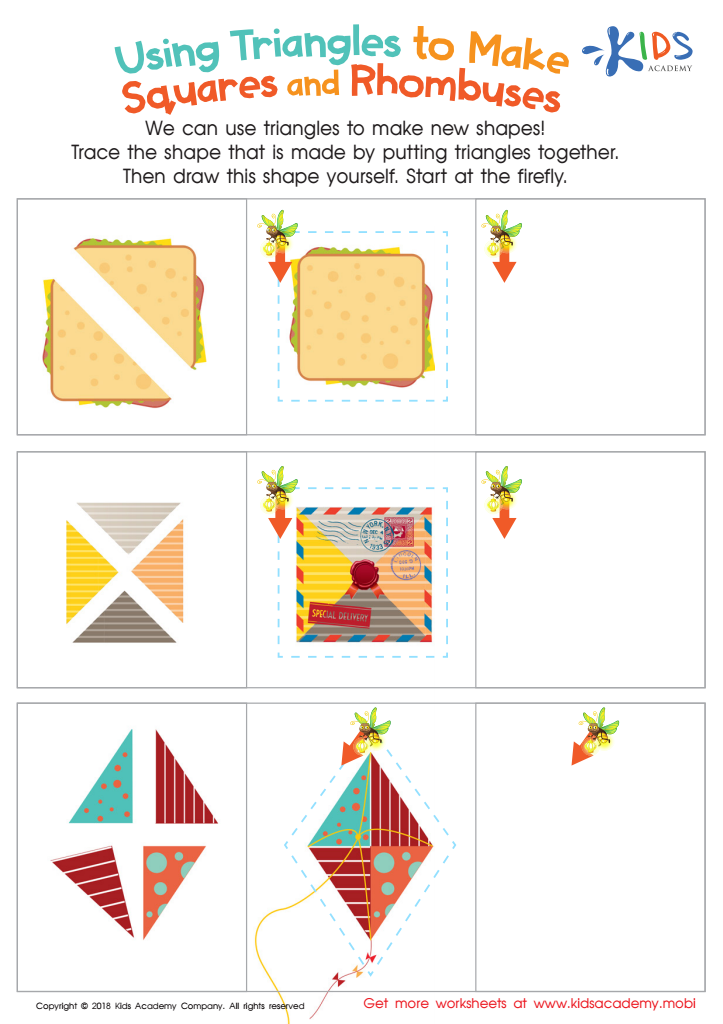
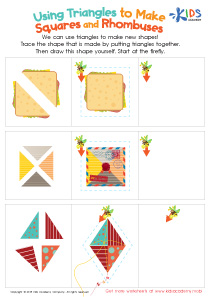
Using Triangles to Make Squares and Rhombuses Worksheet
 Assign to My Students











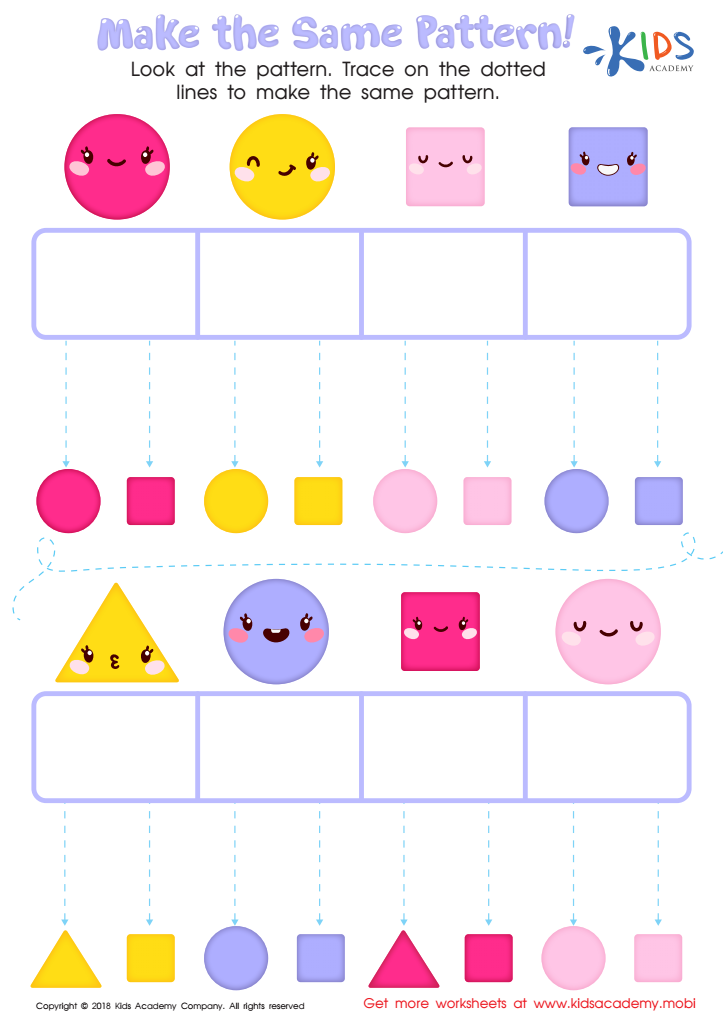
Make the Same Pattern Worksheet
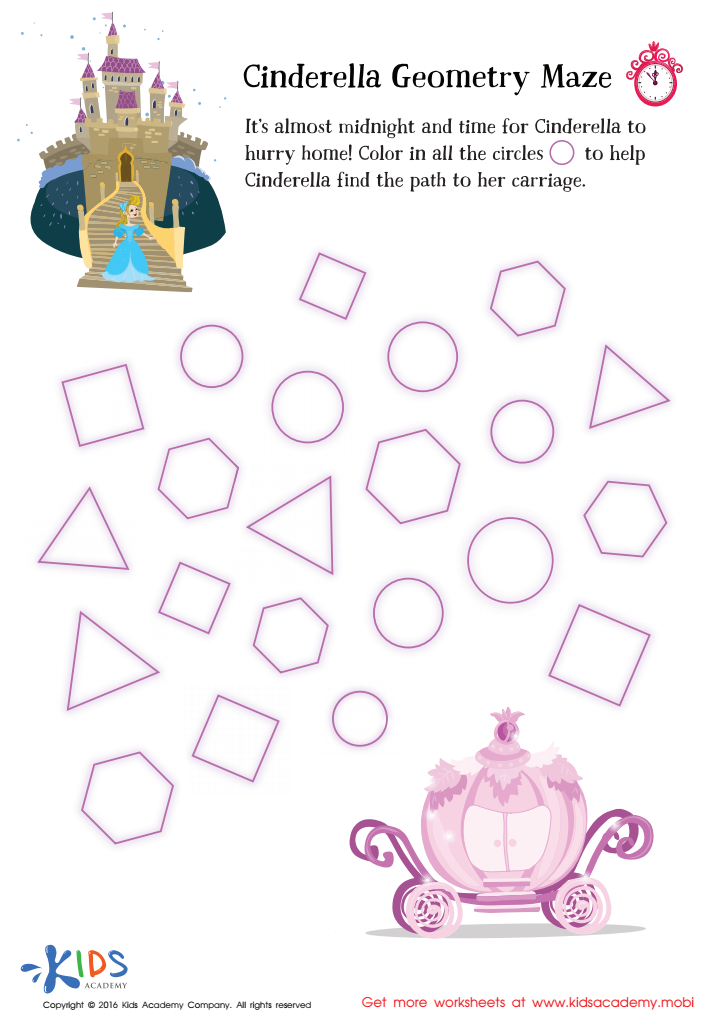
Cinderella Geometry Maze Worksheet
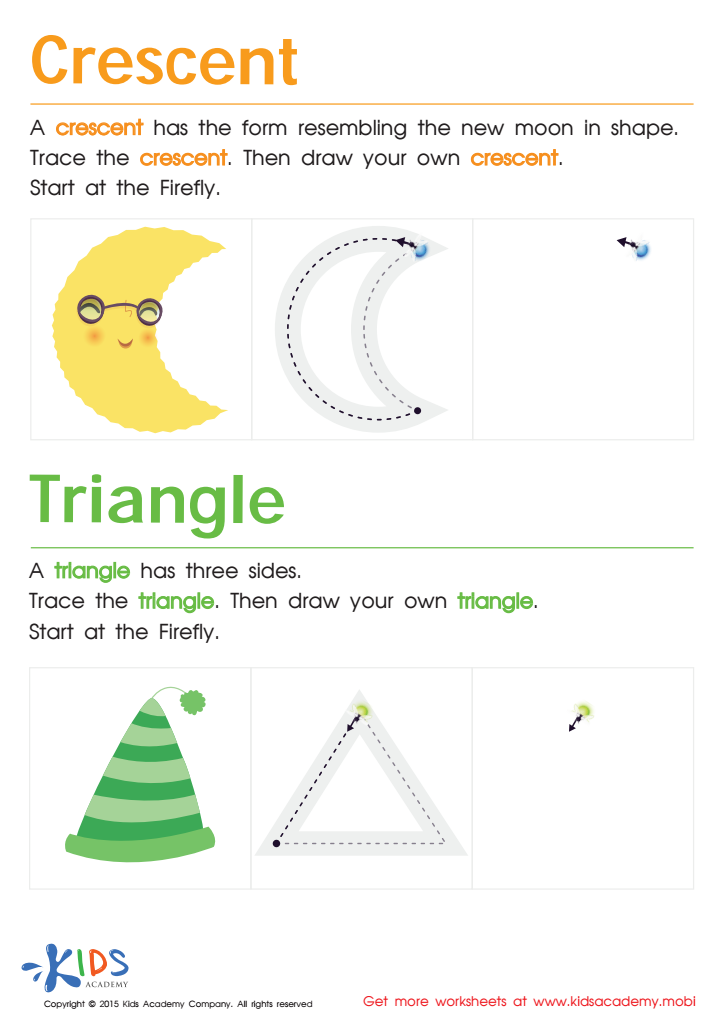
Learning to Draw Crescents And Triangles Worksheet
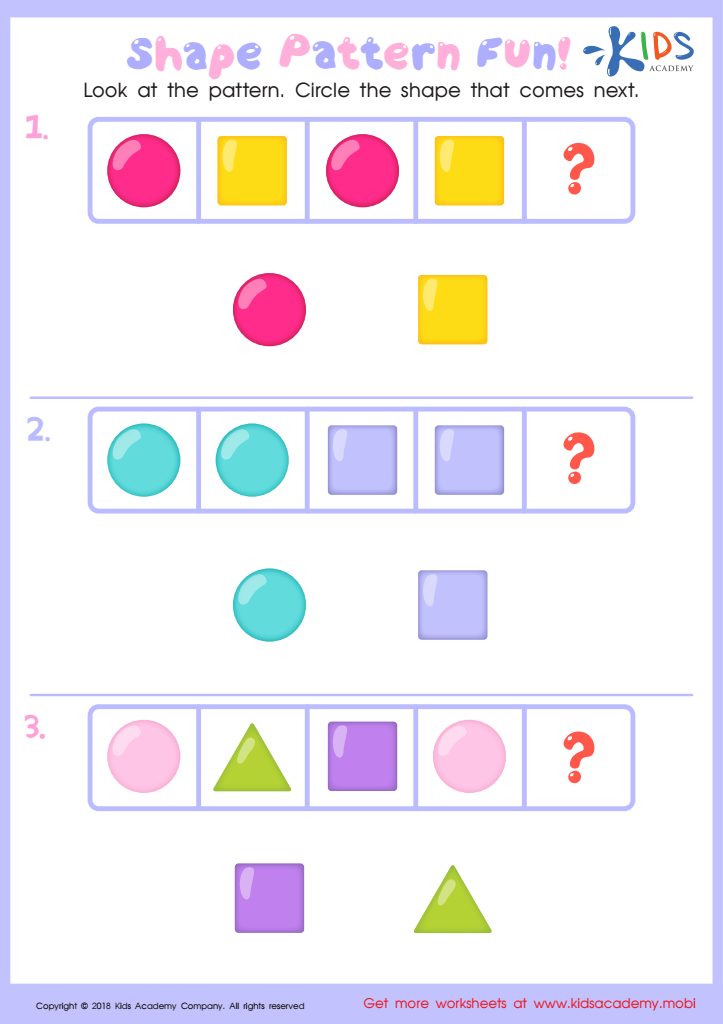
Shape Pattern Fun Worksheet








Parents and teachers should prioritize problem-solving skills associated with normal 2D shapes for children aged 3-5 because these foundational skills significantly contribute to a child's cognitive, social, and emotional development. Engaging with shapes helps young learners understand spatial relationships, patterns, and how objects relate to each other in their environment. As children identify and manipulate shapes, they enhance their critical thinking skills, learning how to approach challenges with logic and creativity.
Moreover, early interaction with 2D shapes fosters essential mathematical concepts that serve as the building blocks for future learning. By recognizing shapes and solving problems related to them—like matching, categorization, and puzzle completion—children develop their reasoning abilities, which are crucial for subjects like math and science later on.
Additionally, problem-solving activities promote collaboration as children often work together to find solutions, enhancing their social skills, and encouraging respect for different perspectives. Lastly, these activities help children build confidence as they experience the joy of overcoming challenges, setting a positive foundation for their lifelong learning journey. Thus, integrating shape-based problem-solving into early education is key to nurturing well-rounded, successful learners.