Visual discrimination Normal Matching Worksheets for Ages 3-5
3 filtered results
-
From - To
Unlock the potential of early learning with our Visual Discrimination Normal Matching Worksheets designed for ages 3-5. These PDFs enhance key skills by guiding children to match shapes, colors, and patterns. Developed by educational experts, each worksheet inspires cognitive growth through fun activities. Perfect for preschool and kindergarten, our resources support vital development in visual perception and comparison. Engage your young learners with exercises specifically crafted to sharpen focus and prepare them for future academic success. Introduce your child to a world of learning through playful, hands-on activities that make education enjoyable and effective. Download now and watch them thrive!
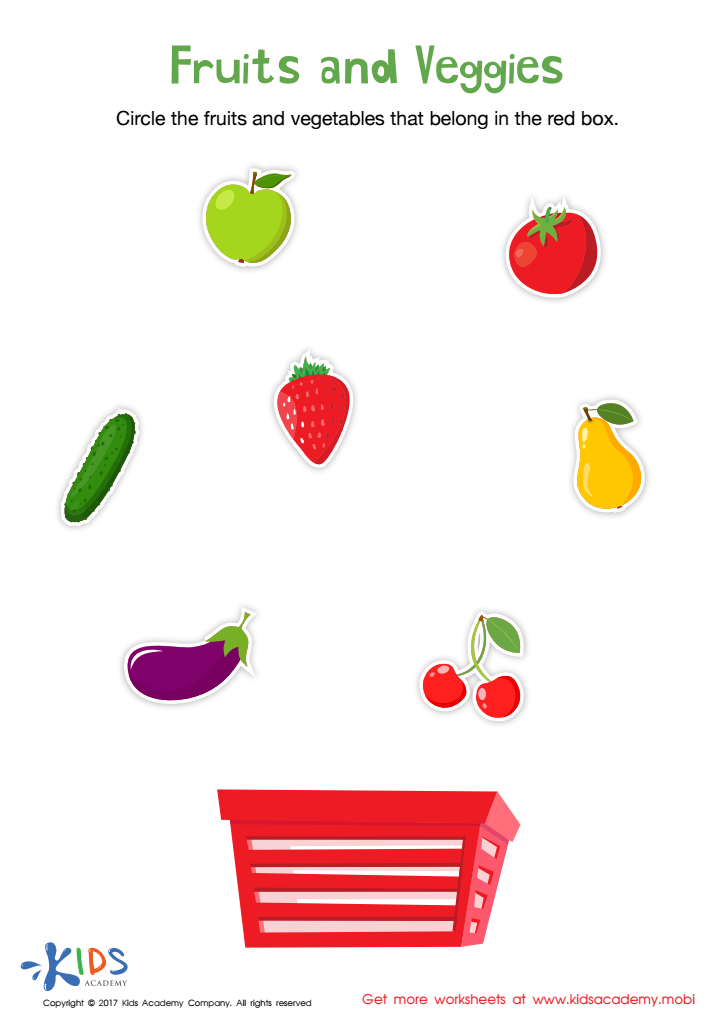
 Assign to My Students
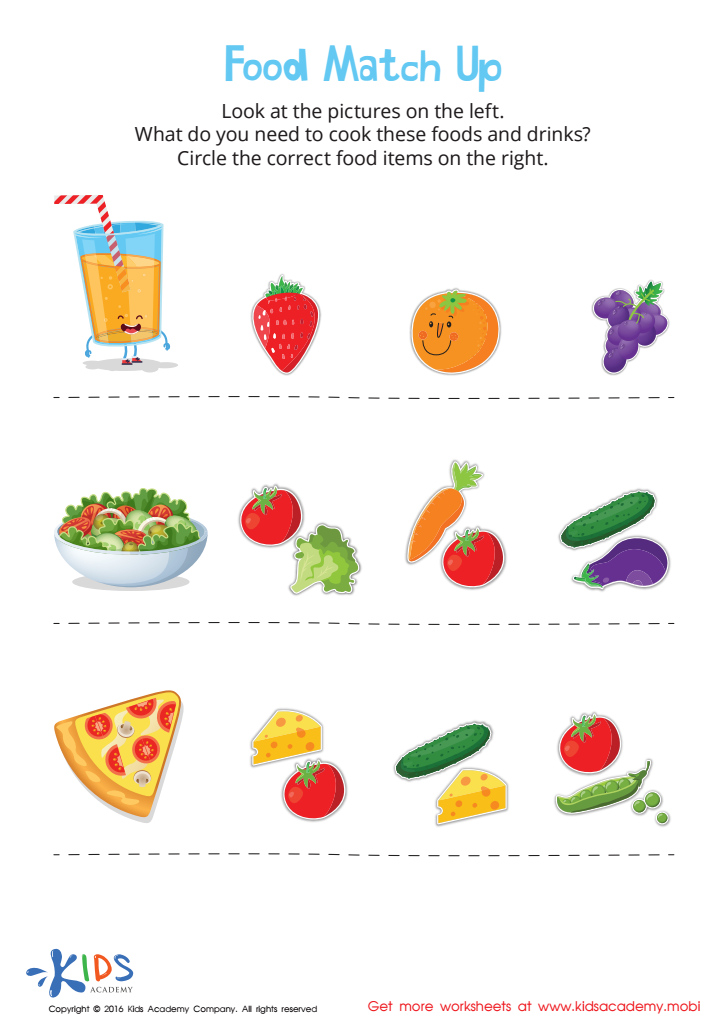
Food Match Up Worksheet
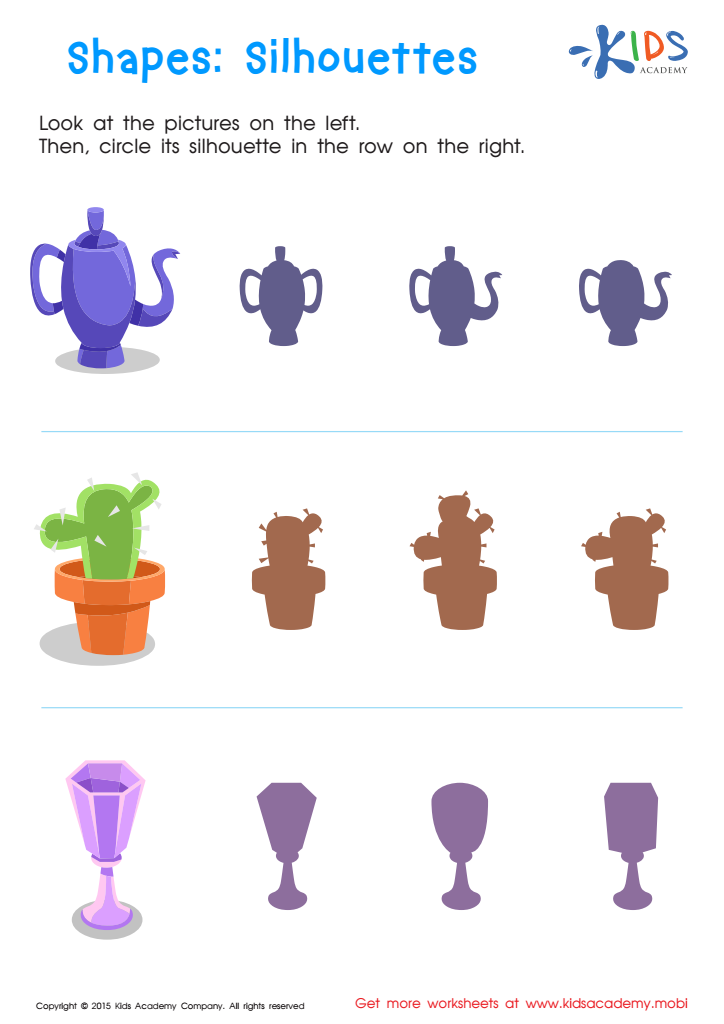
Silhouettes – Shapes Worksheet





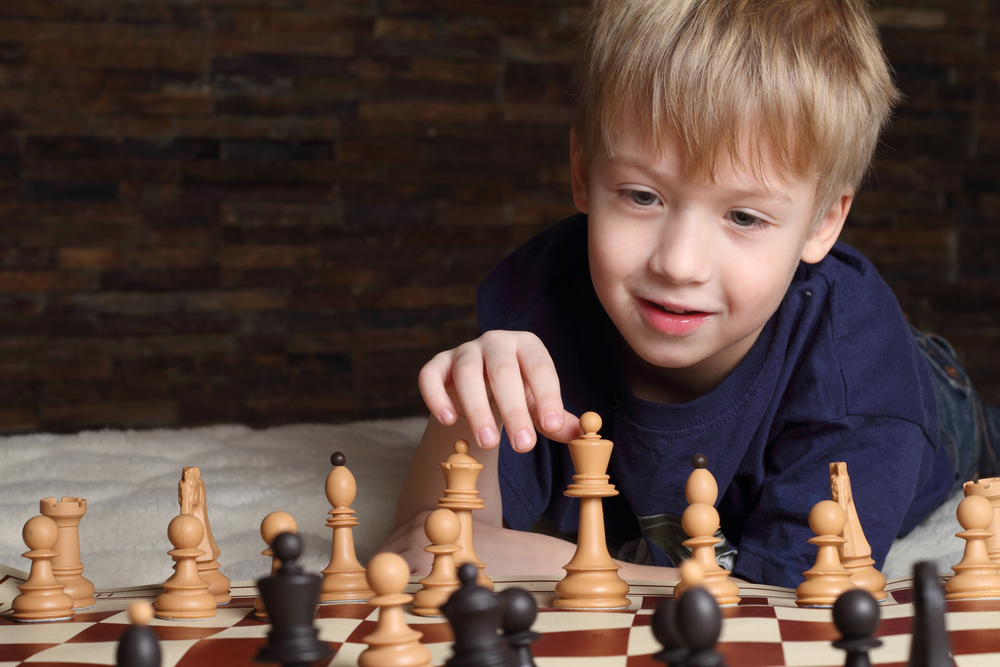

Visual discrimination is the ability to recognize differences and similarities among shapes, patterns, colors, and objects. This skill is often honed through activities, referred to as normal matching, where children ages 3-5 match identical items or distinguish one item from another. Parents and teachers should pay special attention to this developmental milestone because it forms the foundation for future learning and academic success.
Firstly, visual discrimination is crucial for reading and writing. Children learn to distinguish between different letters and numbers, which look similar but hold various meanings, enabling proper literacy. For example, deciphering "b" from "d" or "p" from "q" relies on strong visual discrimination skills.
Secondly, this skill is important for mathematical understanding. Matching, recognizing patterns, and understanding spatial relationships are important concepts in early math education. Identifying and sorting shapes, sizes, and colors build a child's capacity to understand and solve more complex problems later.
Furthermore, strong visual discrimination skills contribute to a child's self-confidence and social skills. Successfully participating in matching games and puzzles improves cognitive abilities and provides a sense of accomplishment.
To support young learners effectively, parents and teachers can incorporate engaging and age-appropriate matching activities into daily routines. This focus will ensure children develop essential skills for academic success and everyday activities, thereby laying a robust foundation for their future education.








