Alphabet Recognition Normal Alphabet Worksheets for Ages 3-6 - Page 2
42 filtered results
-
From - To
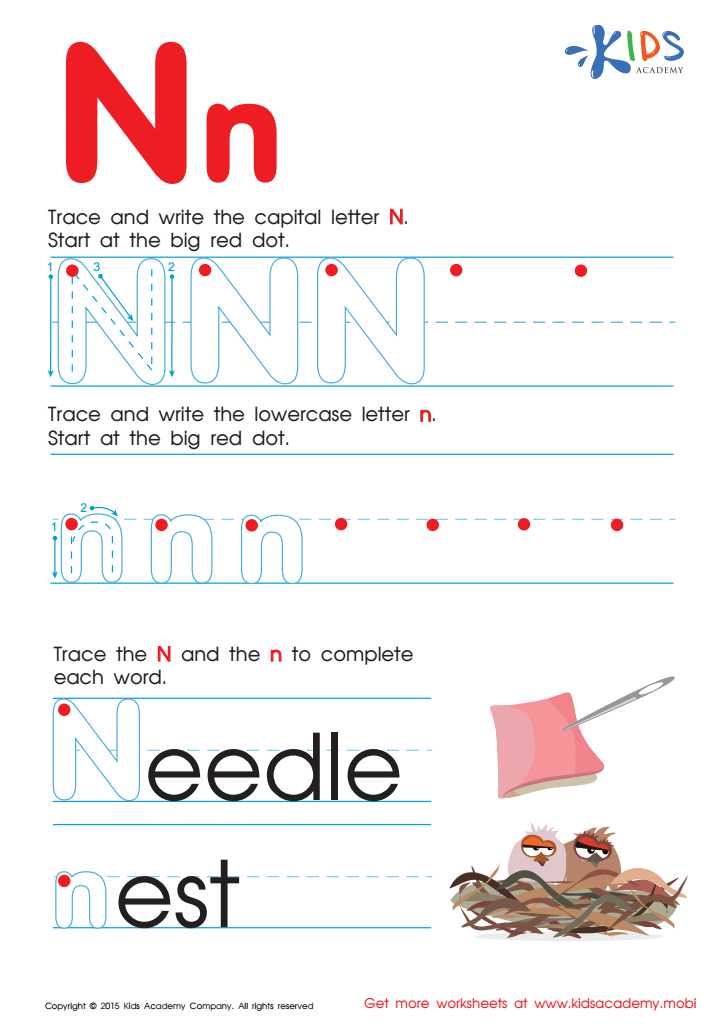
Letter N Tracing Page
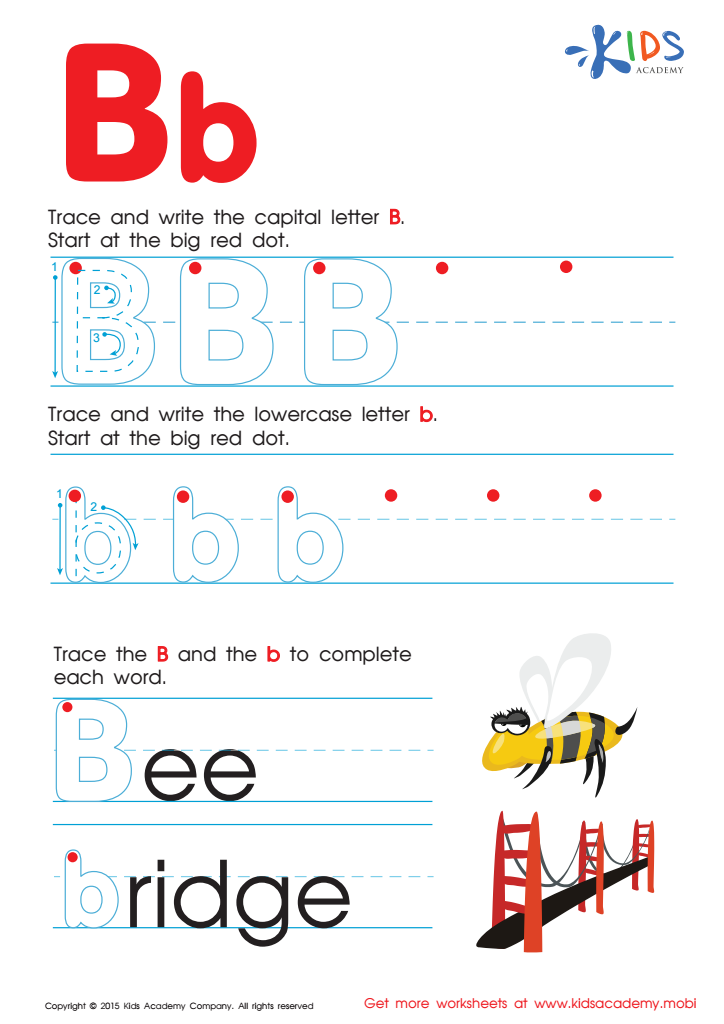
Letter B Tracing Page
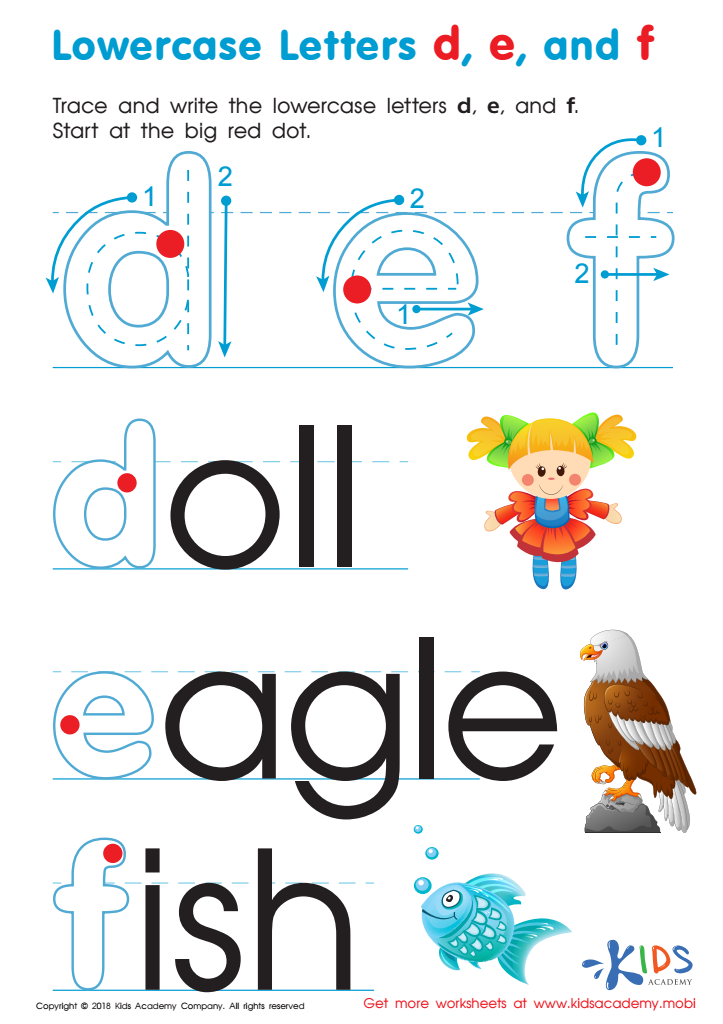
Lowercase Letters d e f Worksheet
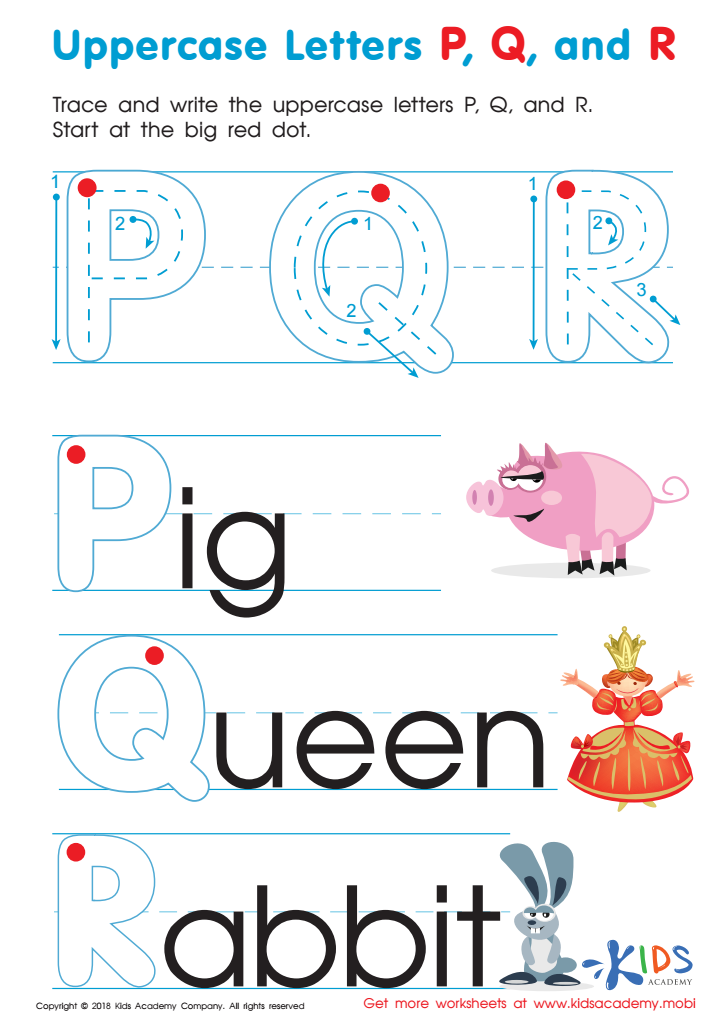
Uppercase Letters P, Q, and R Worksheet
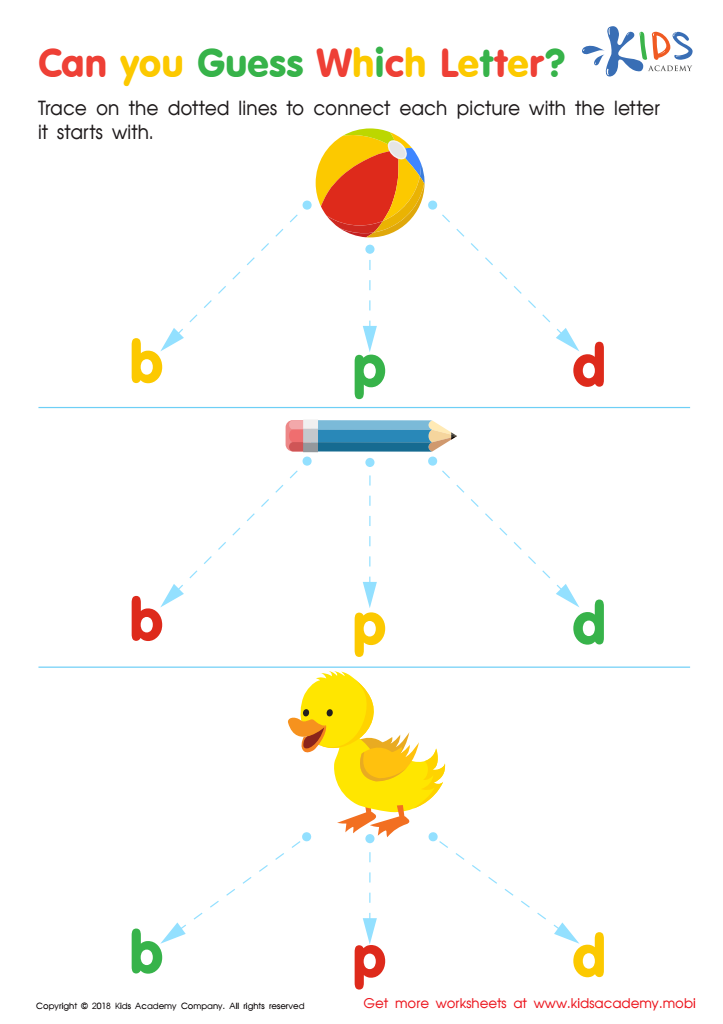
Can you Guess Which Letter? Worksheet
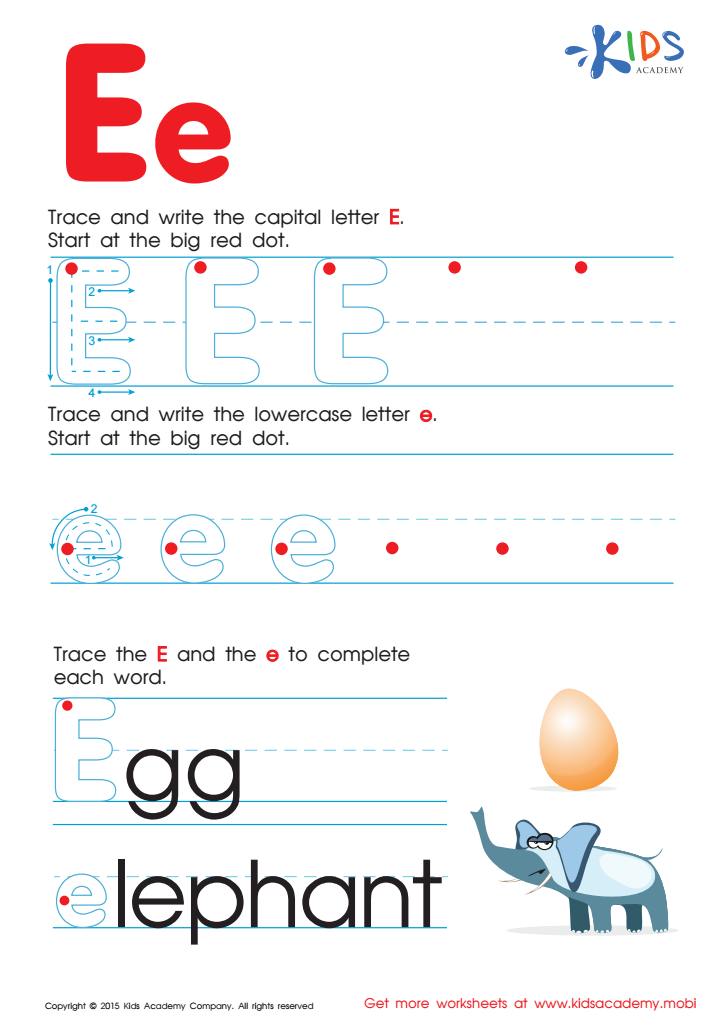
Letter E Tracing Page
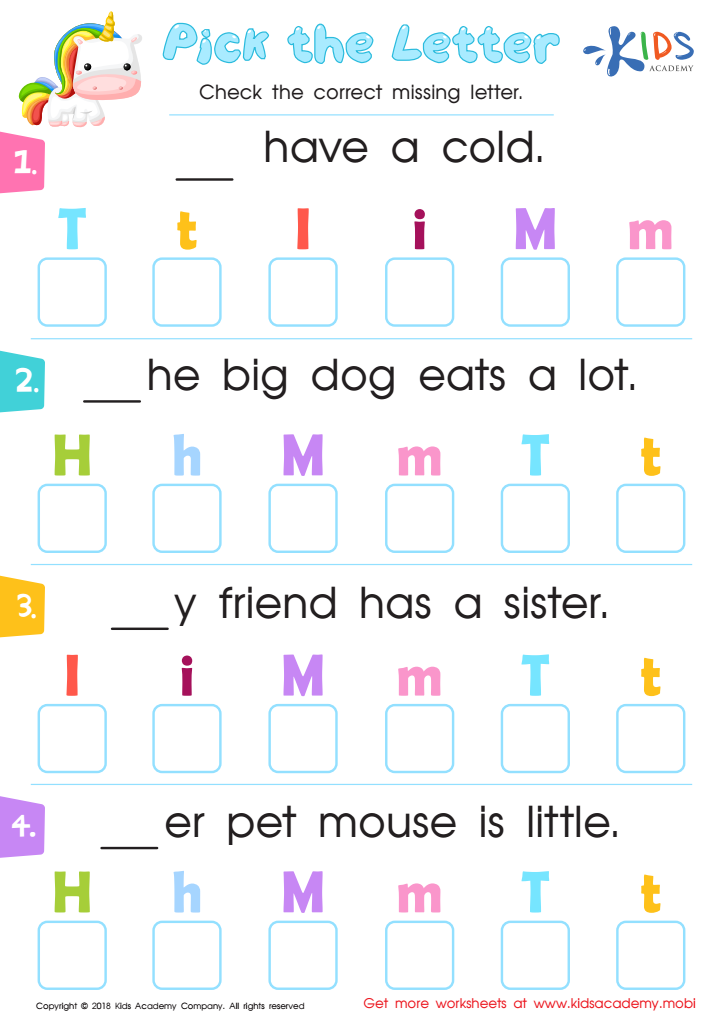
Pick the Letter Worksheet
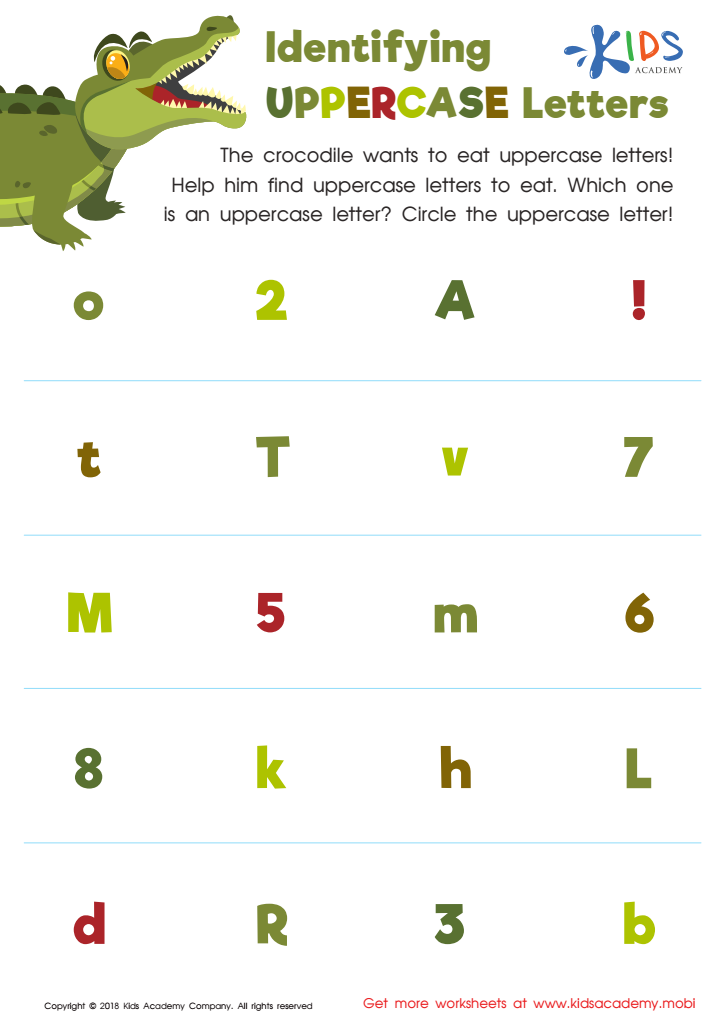
Identifying Uppercase Letters Worksheet
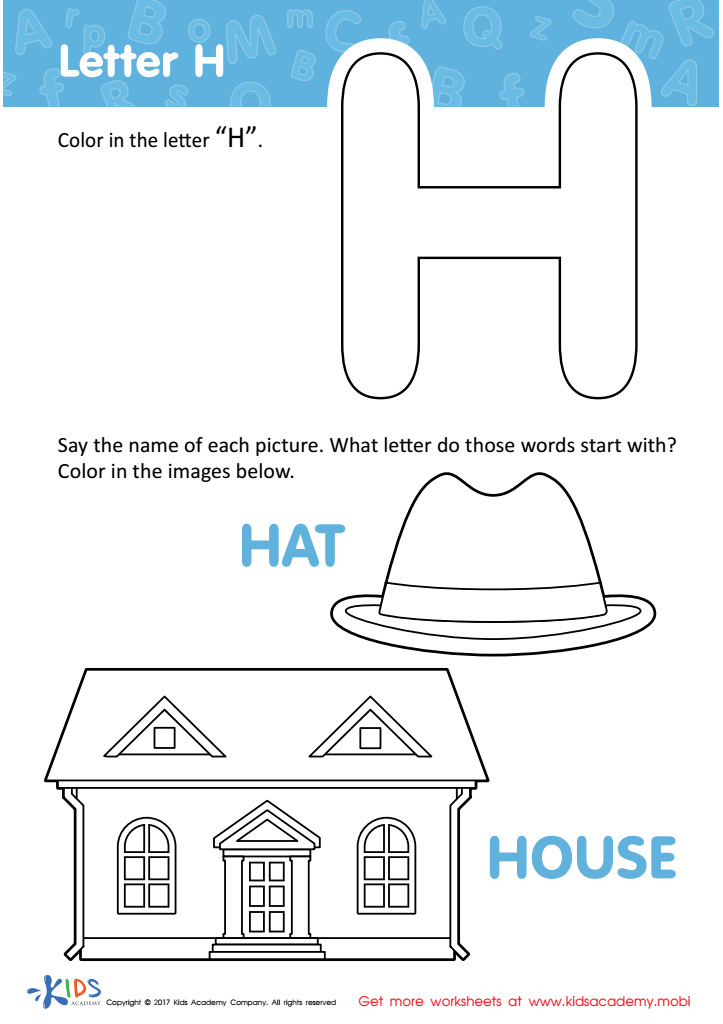
Letter H Coloring Sheet
 Assign to My Students
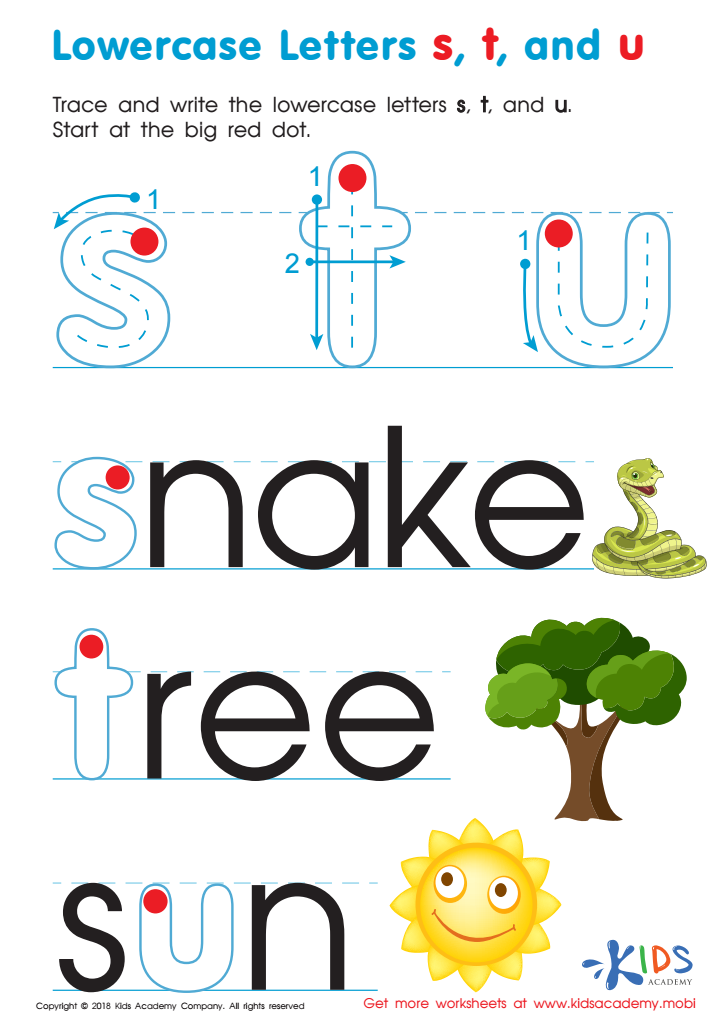
Lowercase Letters s t u Worksheet
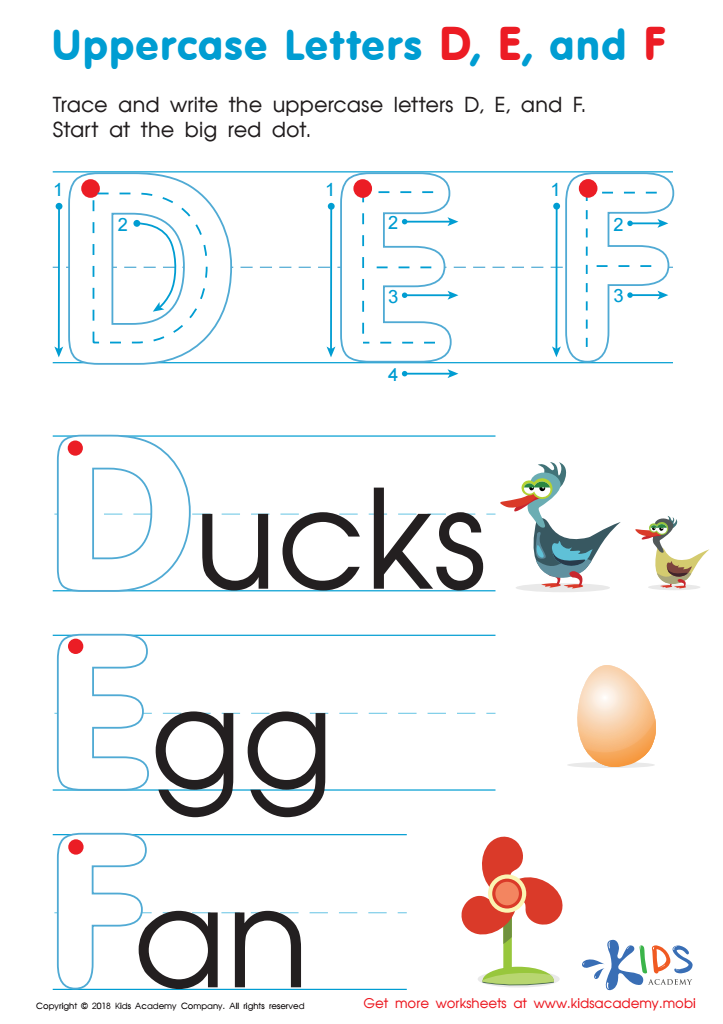
Uppercase Letters D, E, and F Worksheet
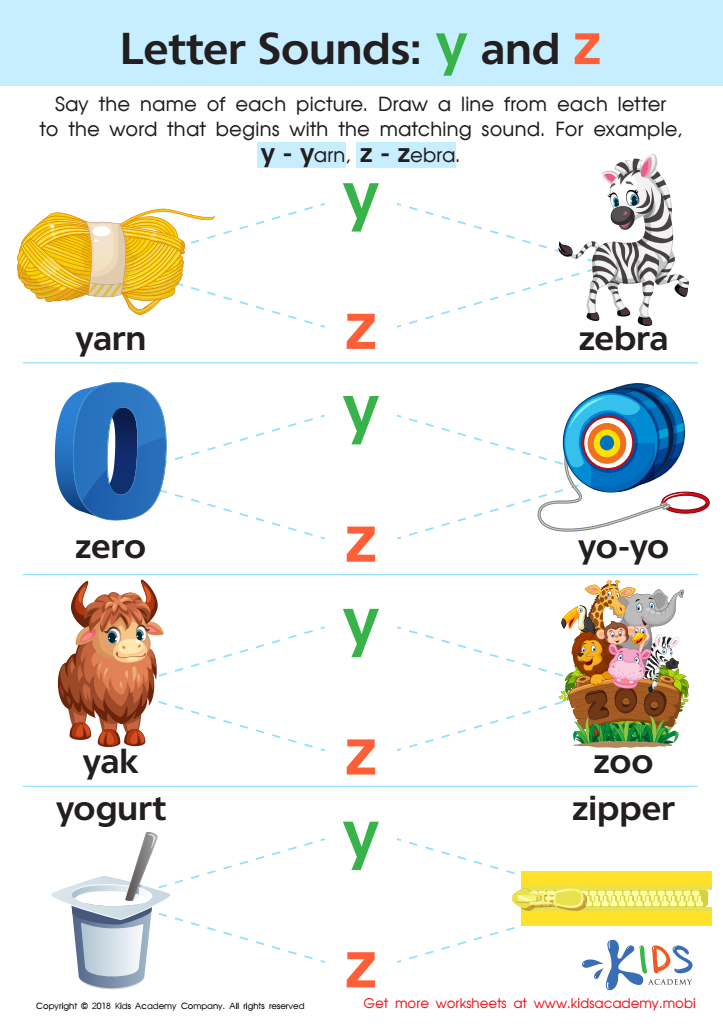
Letter Y and Z Sounds Worksheet
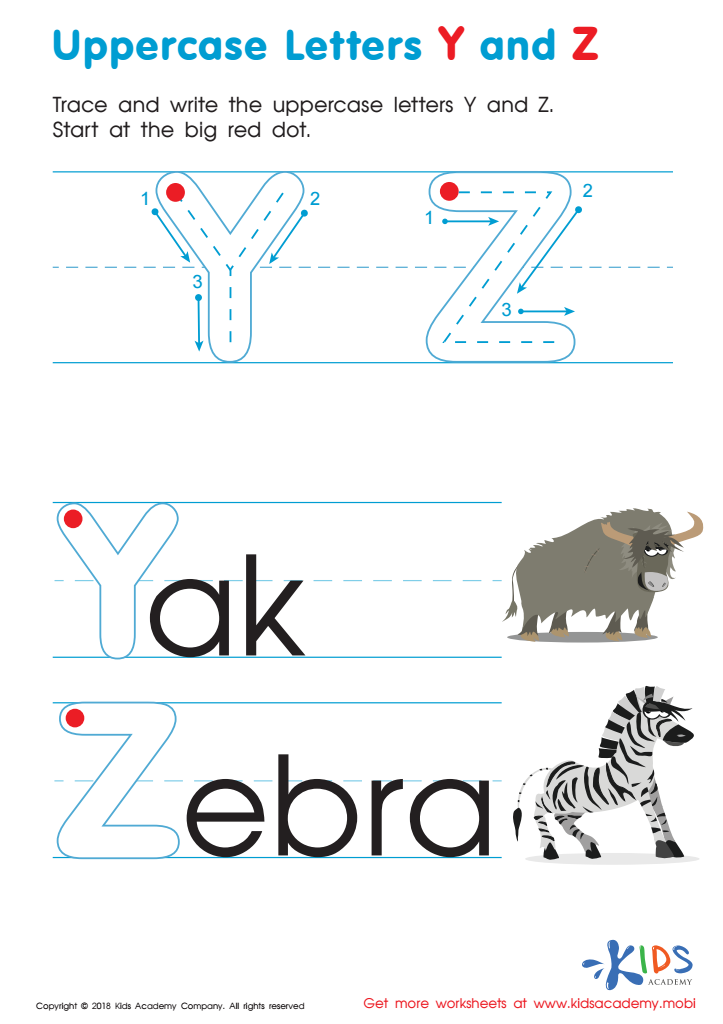
Uppercase Letters Y Z Worksheet
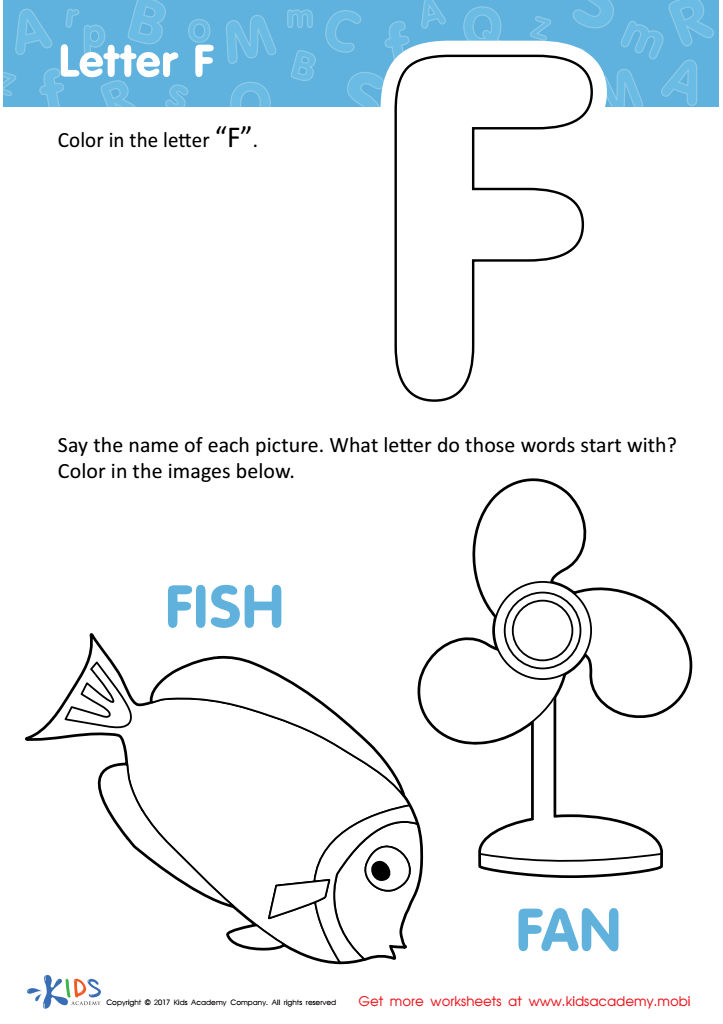
Letter F Coloring Sheet
Assign to My Students
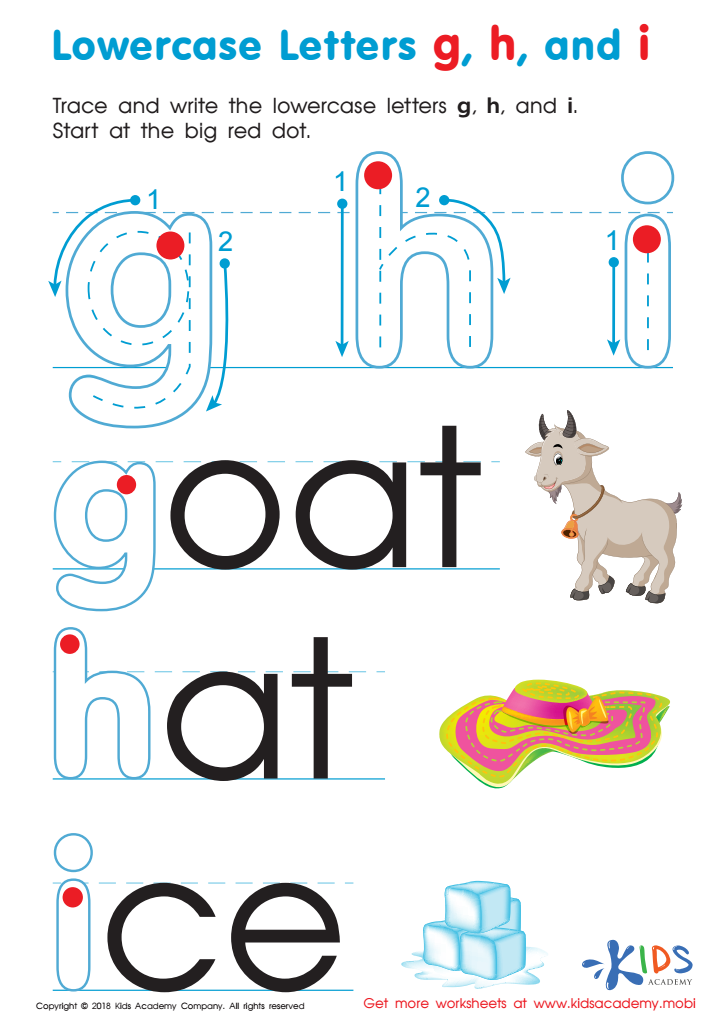
Lowercase Letters g h i Worksheet
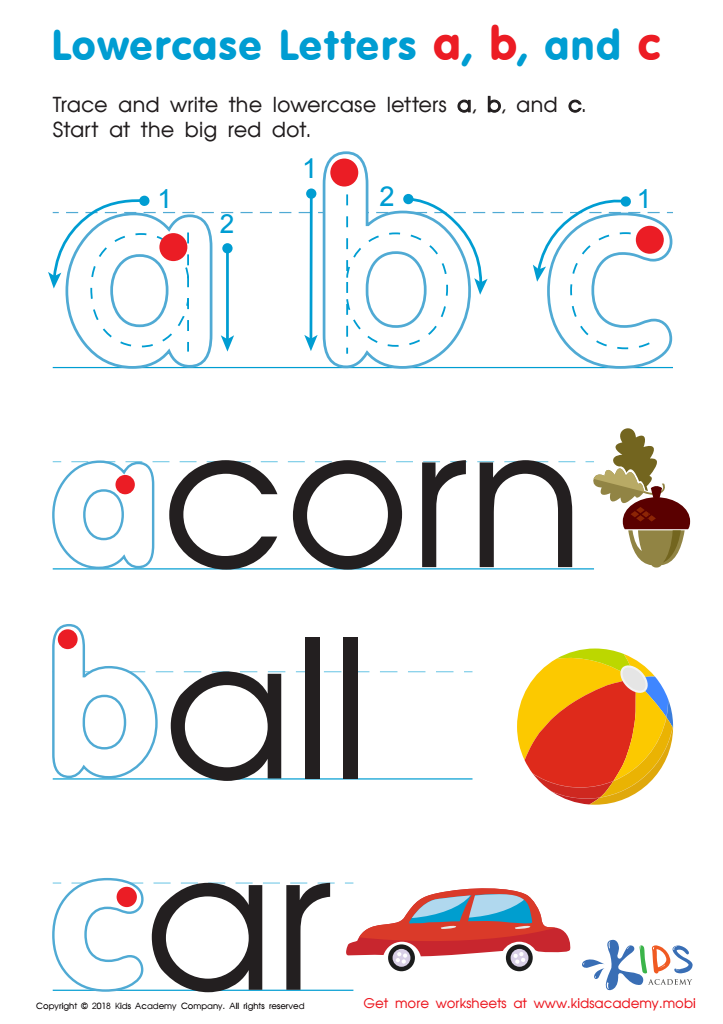
Lowercase Letters a b c Worksheet
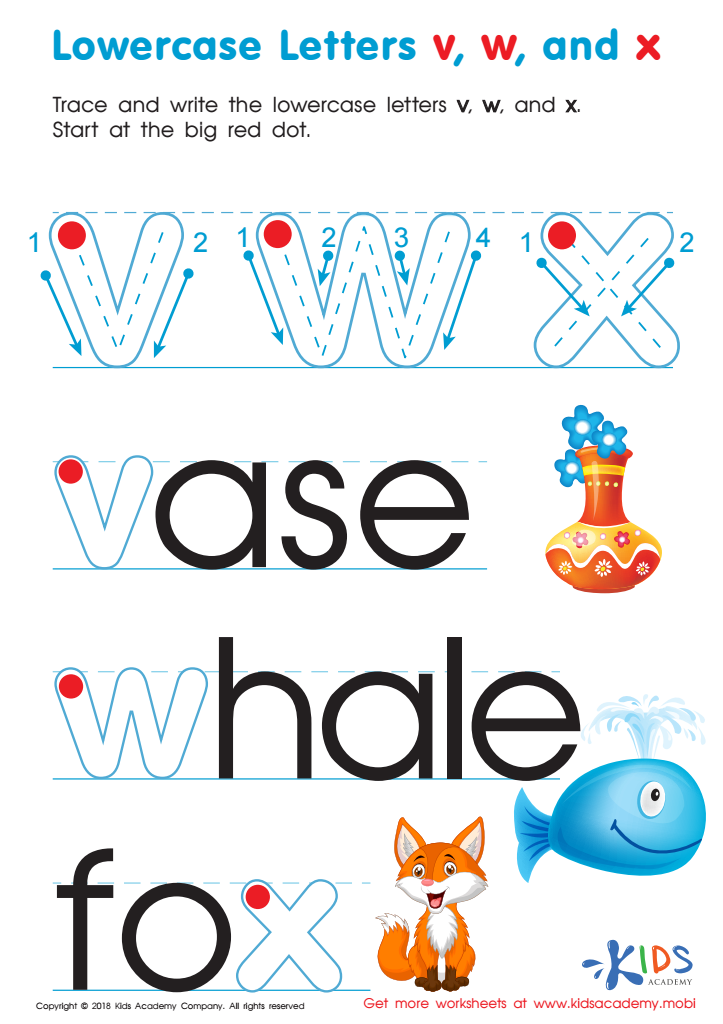
Lowercase Letters v w x Worksheet
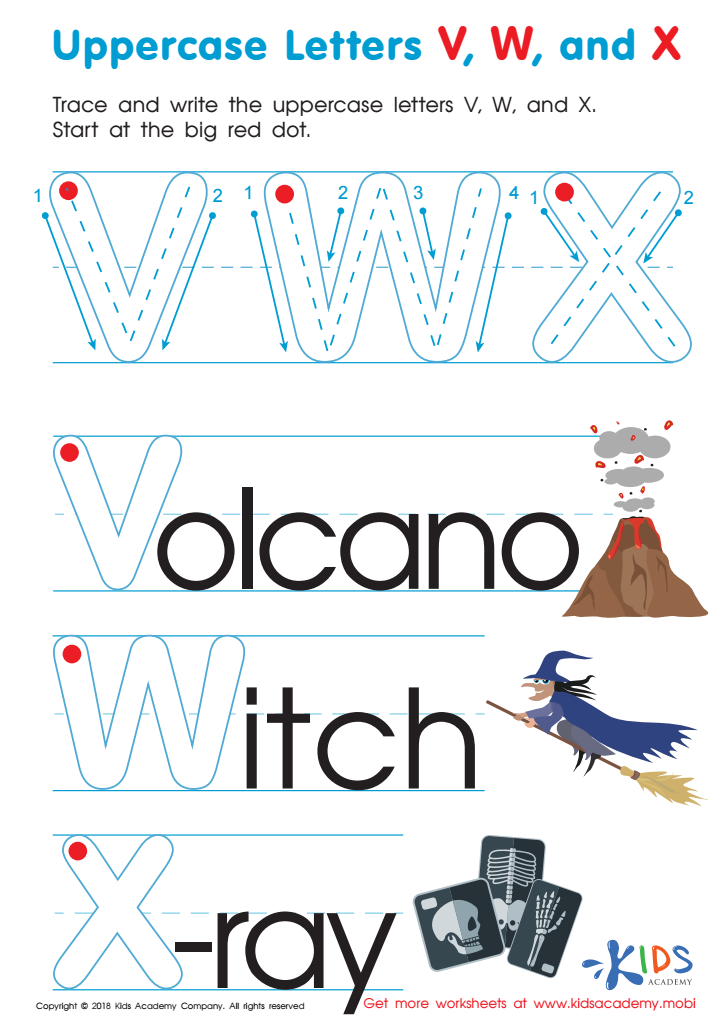
Uppercase Letters V, W, and X Worksheet








Alphabet recognition is a crucial developmental milestone for children ages 3-6, laying the groundwork for literacy skills essential for communication and learning. Parents and teachers should prioritize this foundational skill for several reasons. First, understanding the alphabet enhances children’s ability to decode words, enabling them to read and write effectively as they progress in their education. Early recognition fosters phonemic awareness—an understanding of the sounds that letters represent—which is pivotal for spelling and pronunciation.
Additionally, recognizing letters builds children’s confidence in language use. When children can identify letters, they feel more empowered to engage with books and written materials, fostering a love of reading that can last a lifetime. Also, this skill often correlates with improved vocabulary development and overall academic success.
Furthermore, practicing alphabet recognition in a playful, interactive manner can strengthen parent-child or teacher-student bonds. Utilizing games, songs, and stories makes learning exciting and memorable, promoting a positive attitude towards education. As children develop this skill, they gain essential tools that support their cognitive, social, and emotional growth, preparing them for future learning challenges. In summary, prioritizing alphabet recognition in early learners is vital for their educational journey and lifelong language acquisition.







