Cognitive Development Normal Phonics Worksheets for Ages 3-6
5 filtered results
-
From - To
Discover our Cognitive Development Normal Phonics Worksheets designed specifically for ages 3-6. These engaging and educational resources are created to boost your child's reading and writing abilities through captivating phonics exercises. Each worksheet focuses on key developmental milestones, nurturing young minds with activities that enhance letter recognition, sound identification, and basic word formation. Ideal for parents and educators, these worksheets aim to build a strong foundation in literacy while promoting cognitive skills such as memory, attention, and problem-solving. Help your child embark on their learning journey with effective, fun-filled phonics practice tailored for early learners.
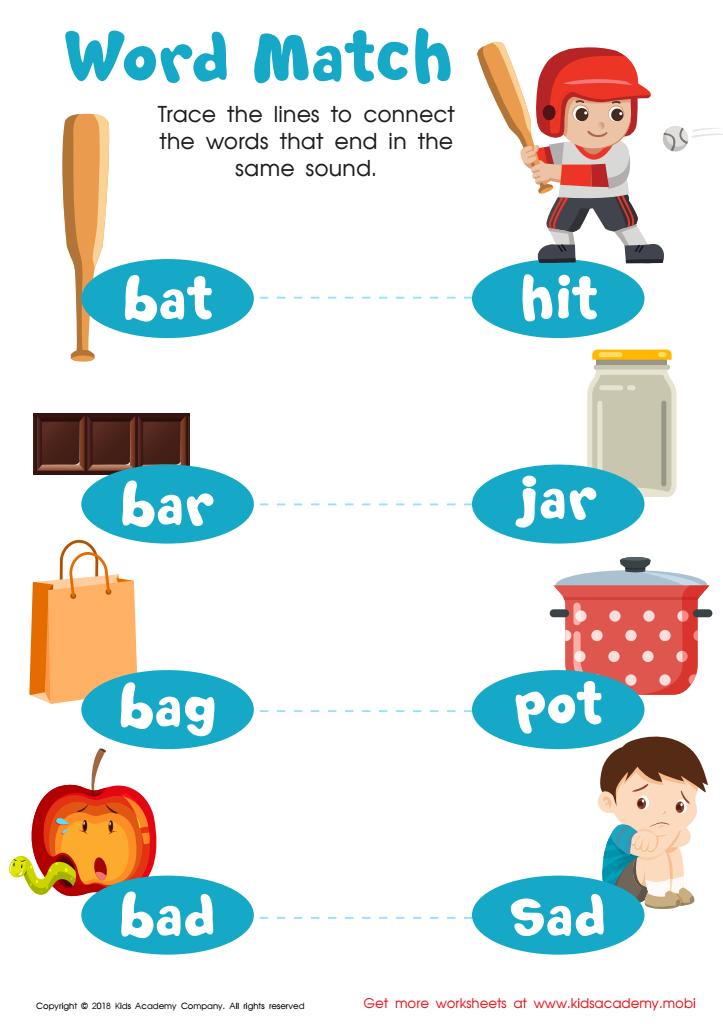
Word Match Reading Worksheet
 Assign to My Students
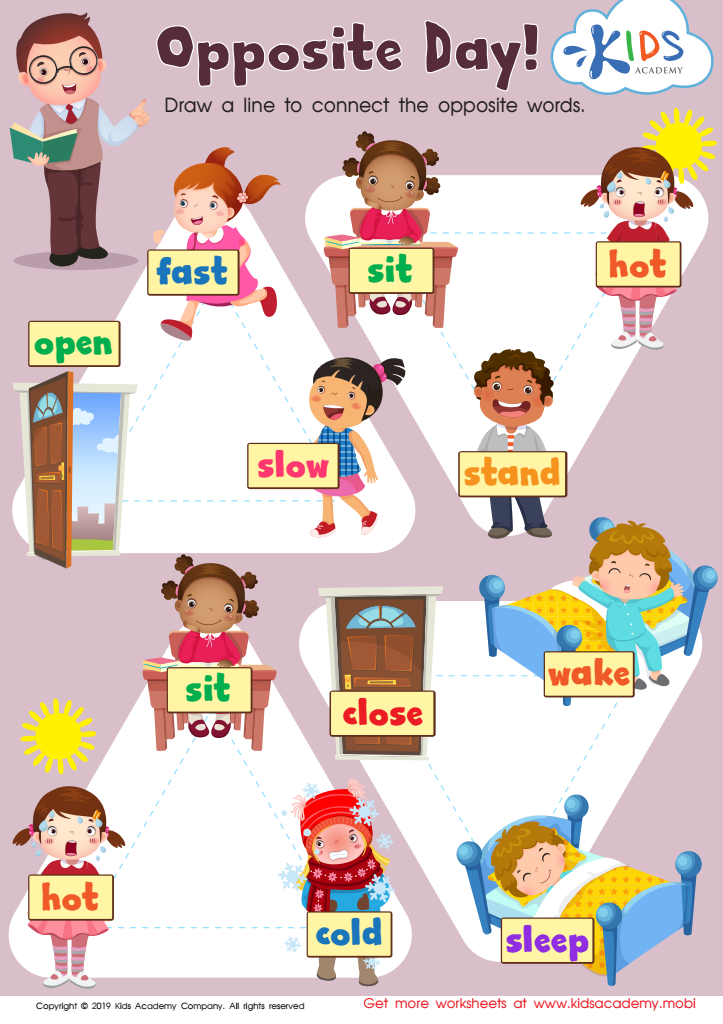
Opposite Day Worksheet
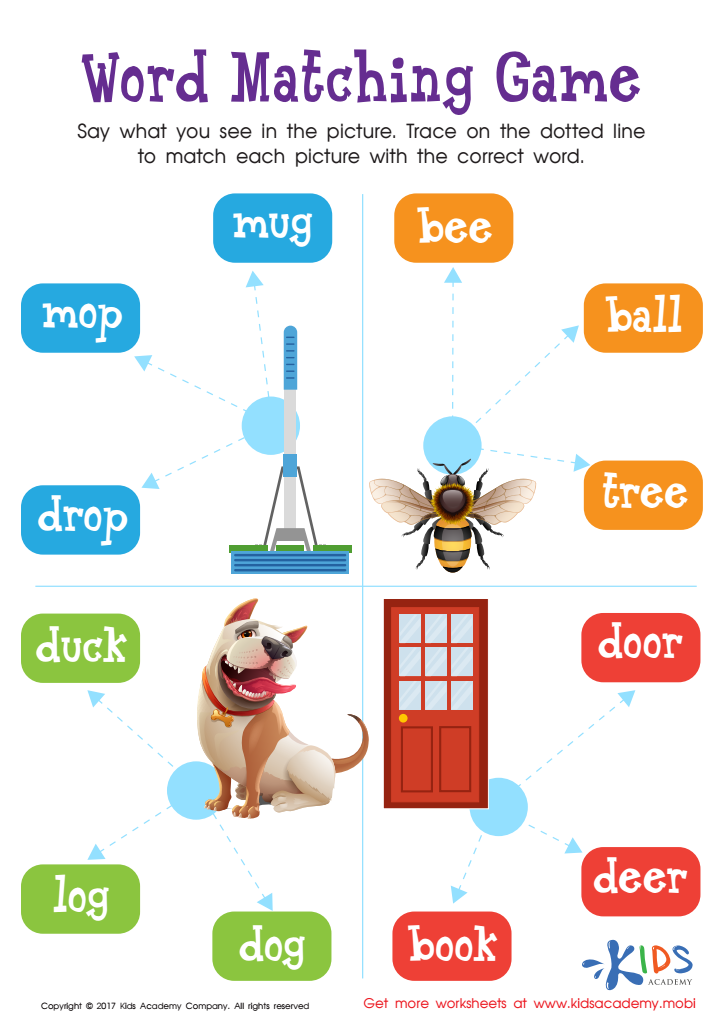
Word Matching Game Worksheet
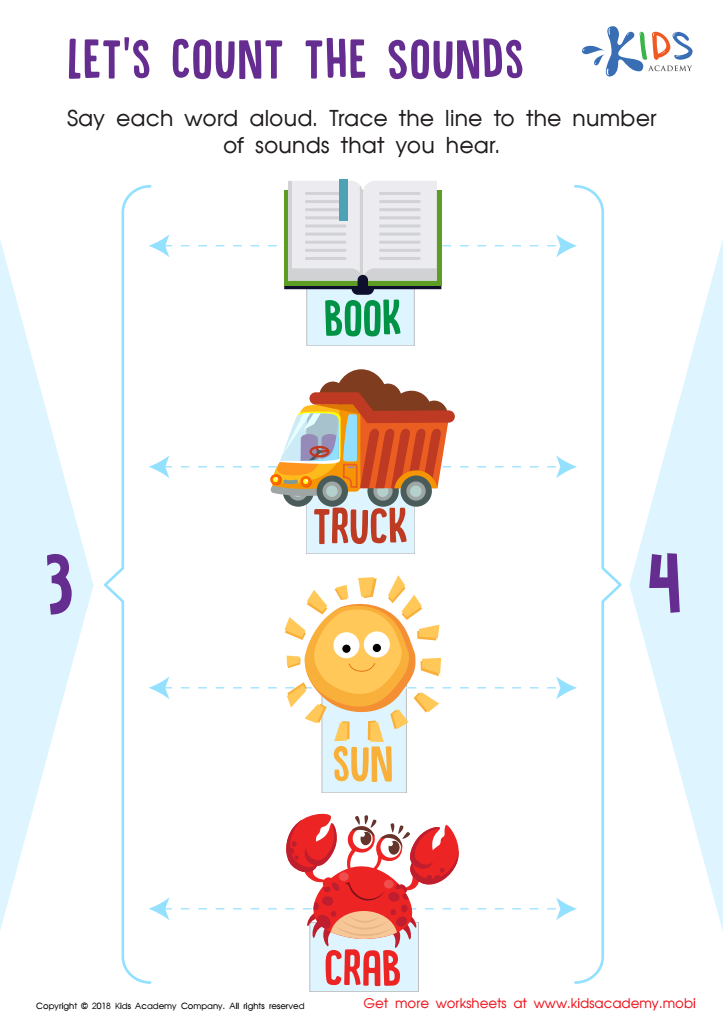
Let's Count the Sounds Worksheet
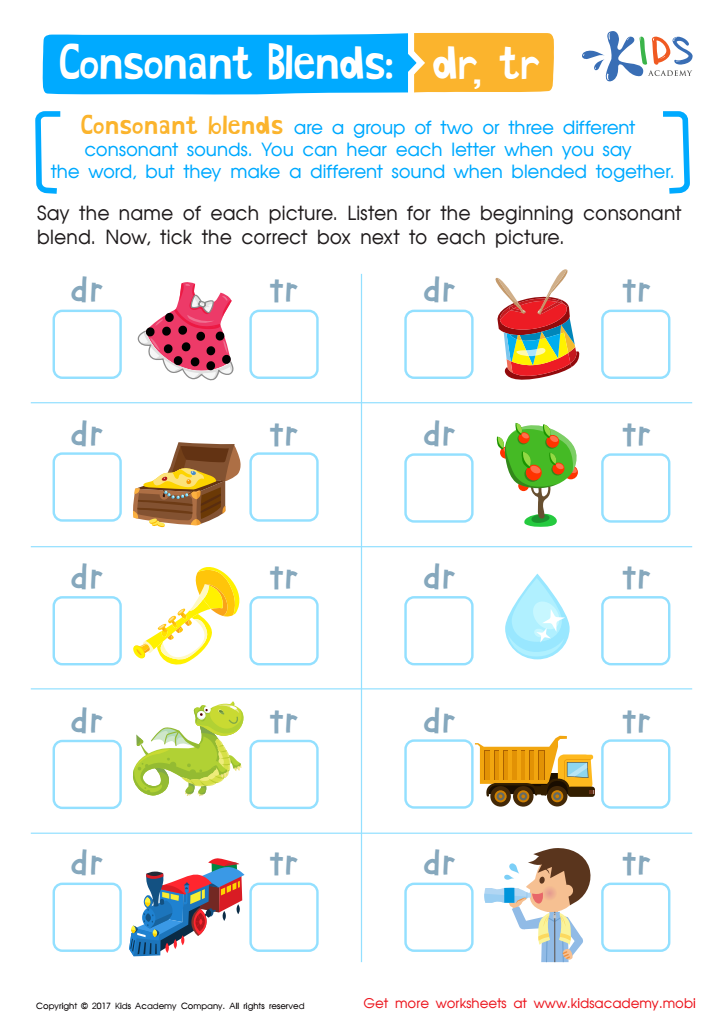
Consonant Blends: "Dr" and "Tr" Printable








Parents and teachers should be deeply invested in the cognitive development and normal phonics progression of children ages 3-6 because these early years are a foundational period for educational growth. Cognitive development encompasses numerous critical skills that are essential for a child's intellectual growth, such as attention, memory, problem-solving, and language acquisition.
Phonics, the method of teaching reading by correlating sounds with letters or groups of letters, plays a vital role in this process. It equips children with the fundamental ability to read and decode words, which is crucial for literacy. This age range is when children are most receptive to learning sounds and letters, making it an ideal time to nurture these abilities.
Effective phonics instruction can boost a child's confidence and motivation, leading to better academic performance and a lifelong love of reading. It also supports other educational areas by enhancing vocabulary, comprehension, and spelling skills. Engaging in age-appropriate phonics activities helps build neural pathways in the brain, facilitating smoother cognitive development in both spoken and written language.
By prioritizing cognitive development and phonics at these early stages, parents and teachers can lay a solid educational foundation, preparing children for future academic and life successes. This early intervention can make a significant difference in a child's ability to become a proficient reader and a confident learner.







