Reading comprehension Normal Phonics Worksheets for Ages 3-6 - Page 2
39 filtered results
-
From - To
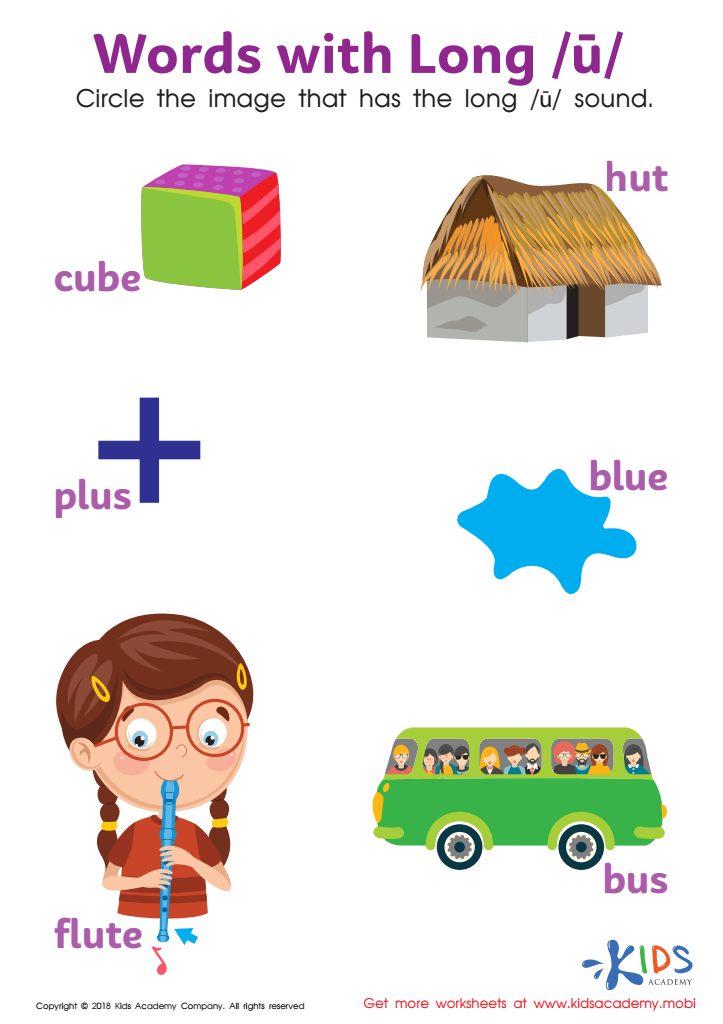
Words with Long U Reading Worksheet
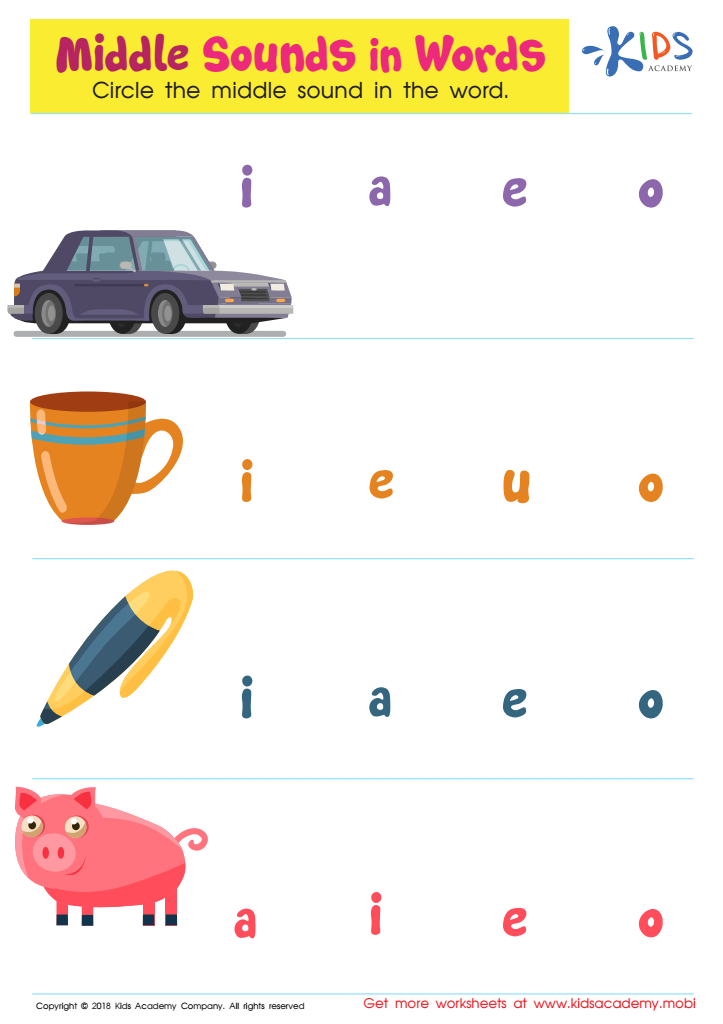
Middle Sounds in Words Worksheet
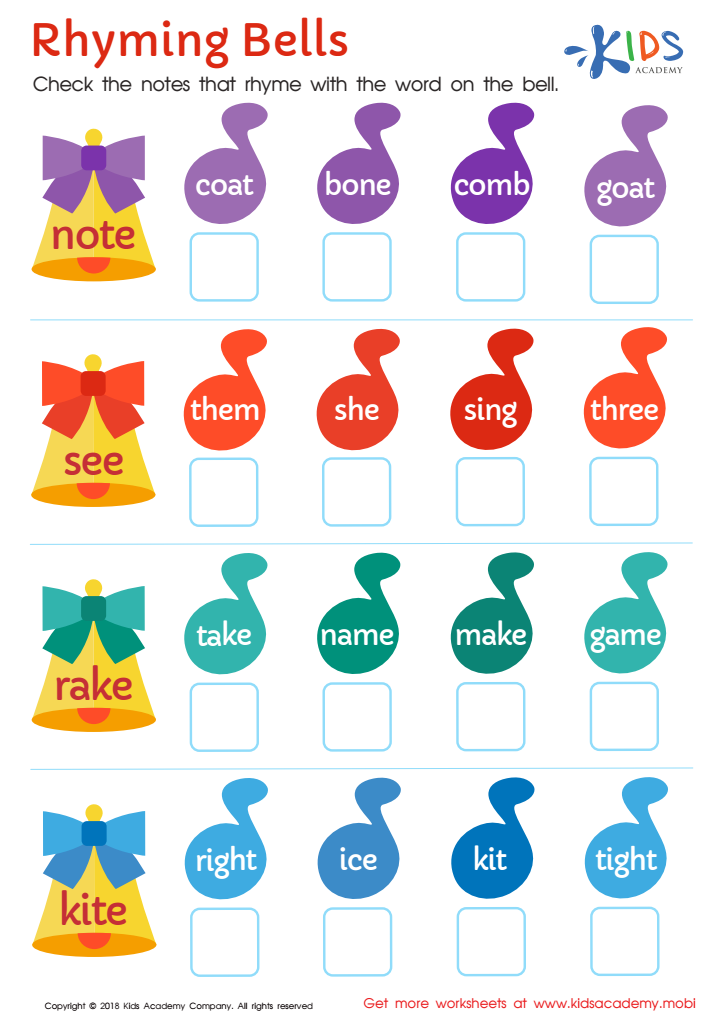
Rhyming Bells Worksheet

First Words: Picture Rhymes Worksheet
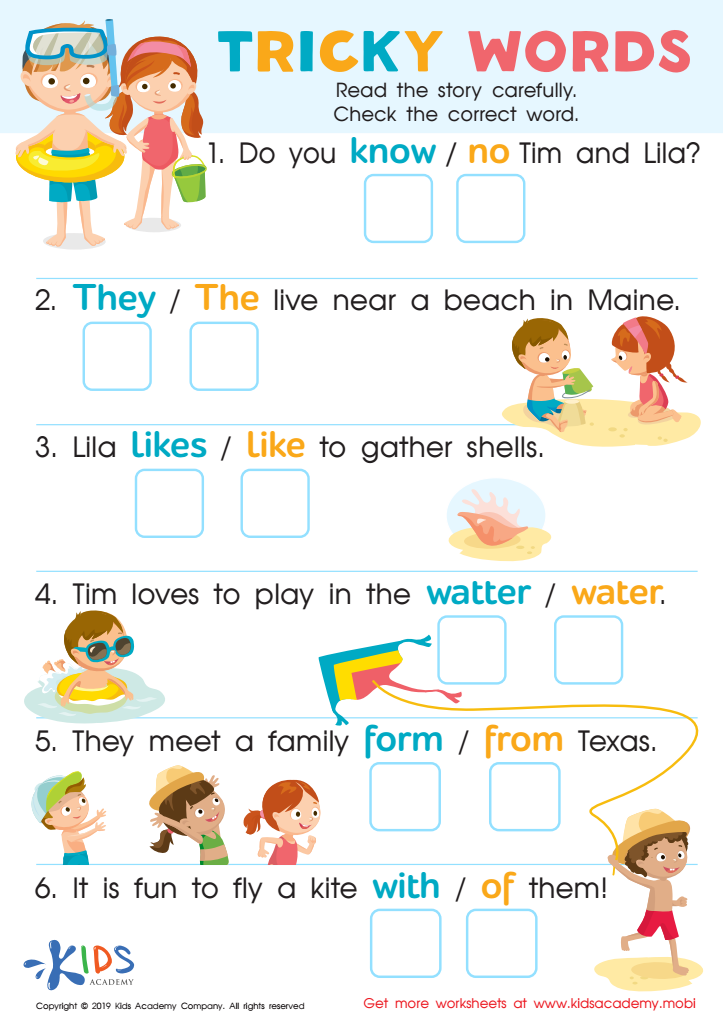
Tricky Words Worksheet
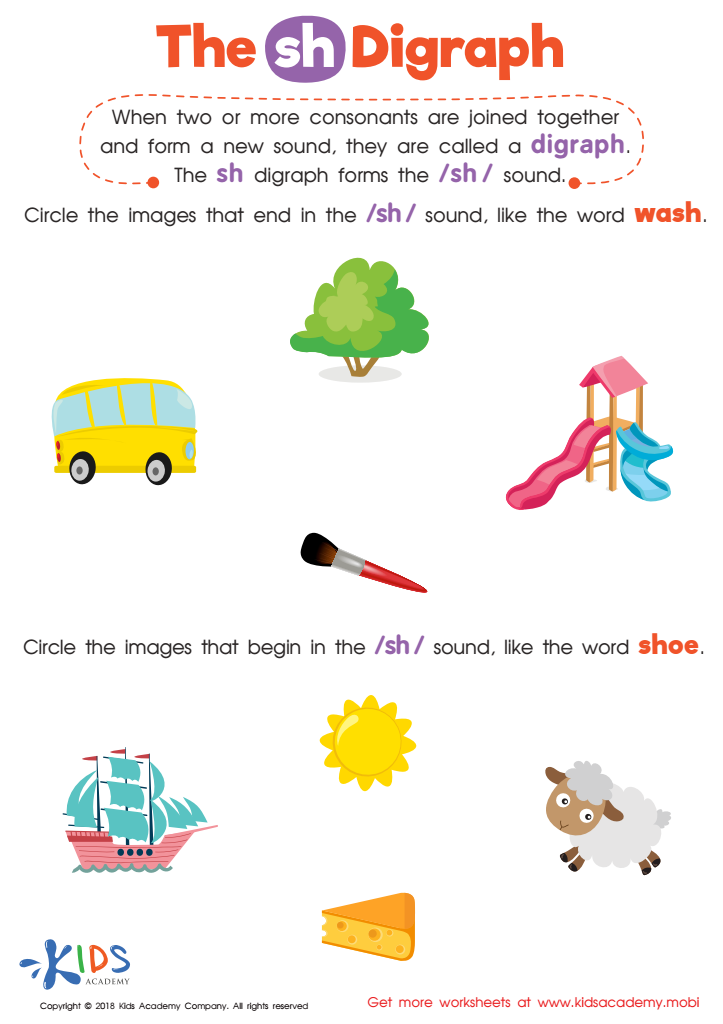
The SH Digraph Worksheet
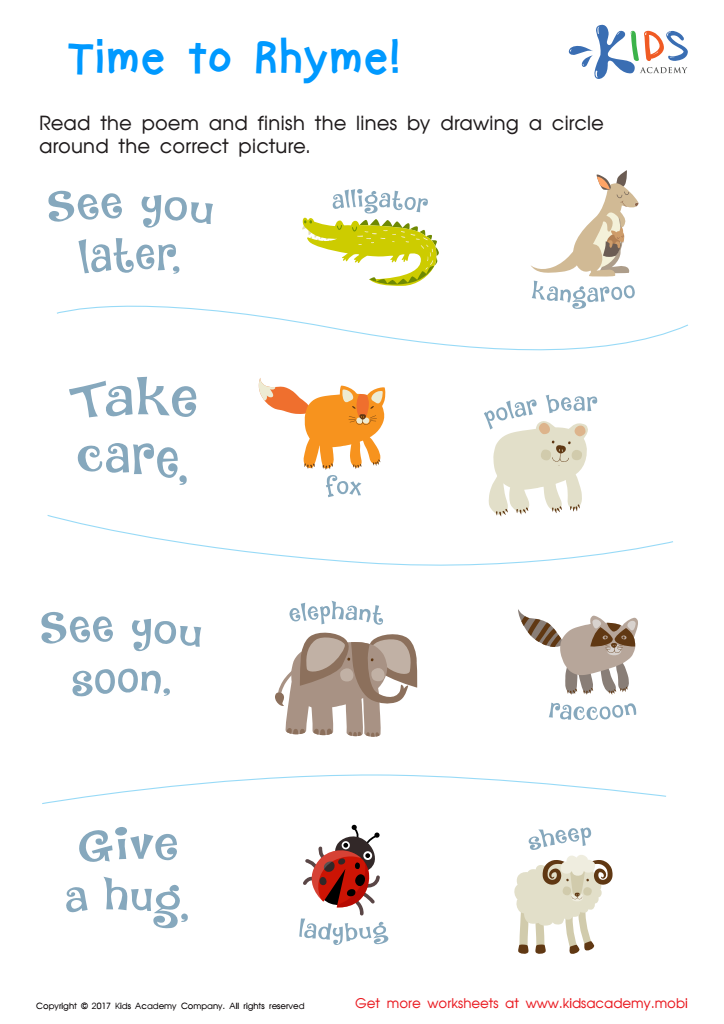
Time to Rhyme Rhyming Worksheet
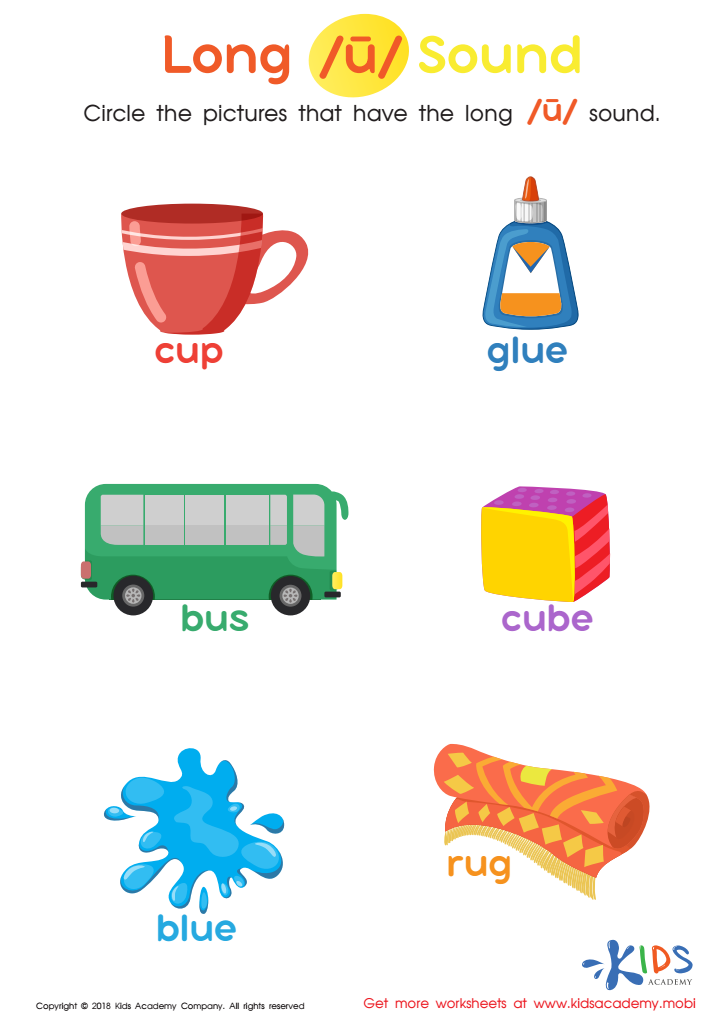
Long «u» Sound Worksheet
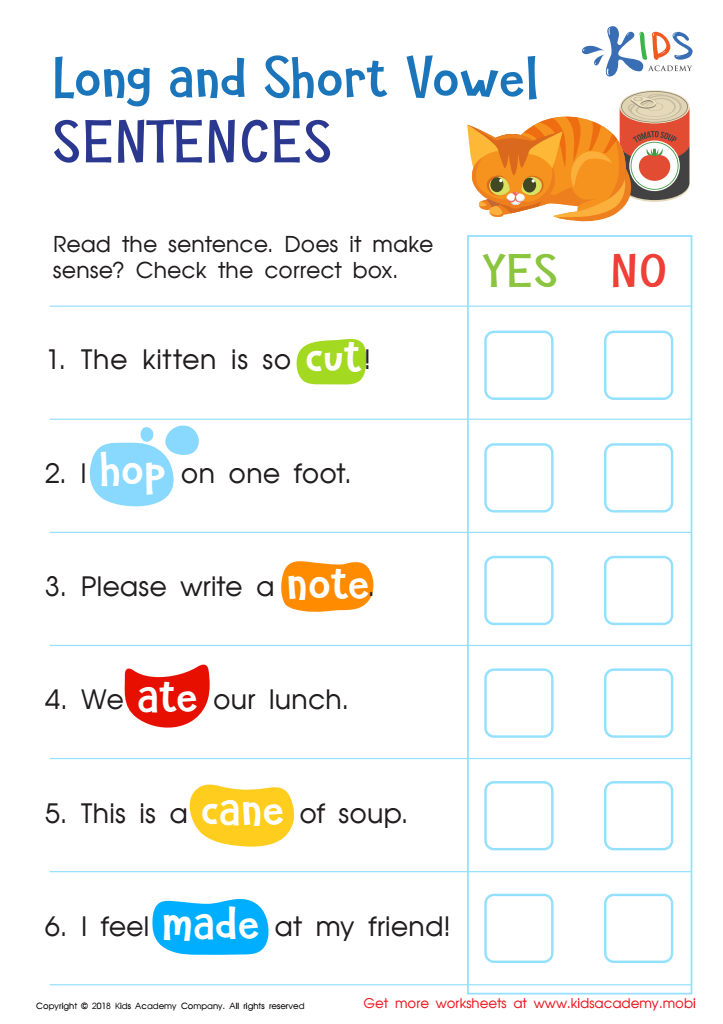
Long and Short Vowel Sentences: Assessment Worksheet
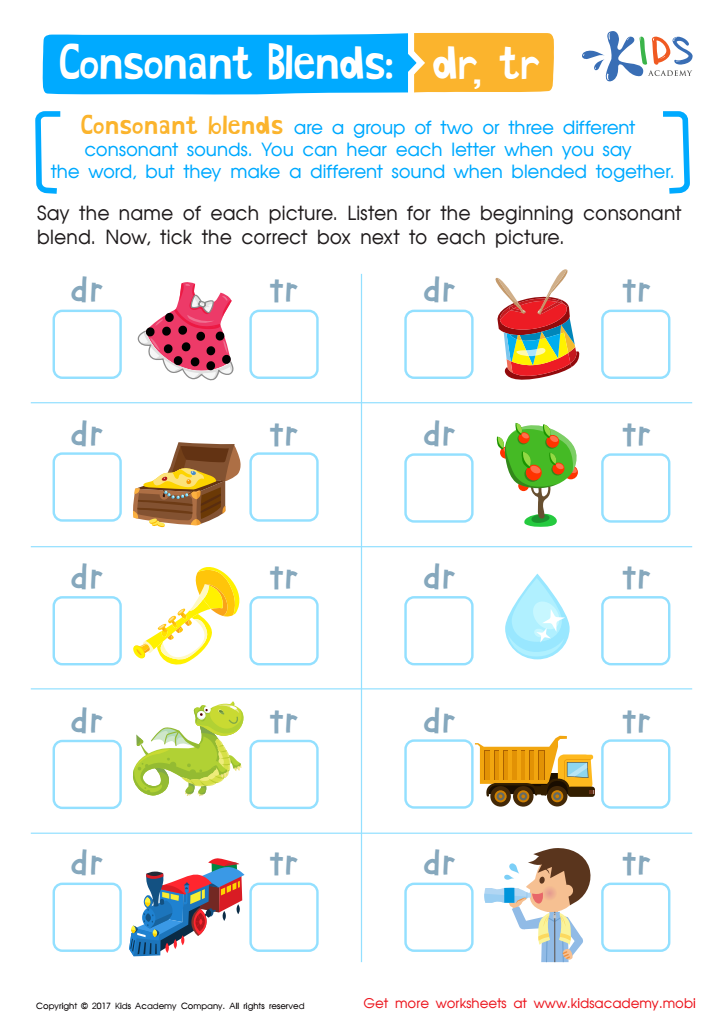
Consonant Blends: "Dr" and "Tr" Printable
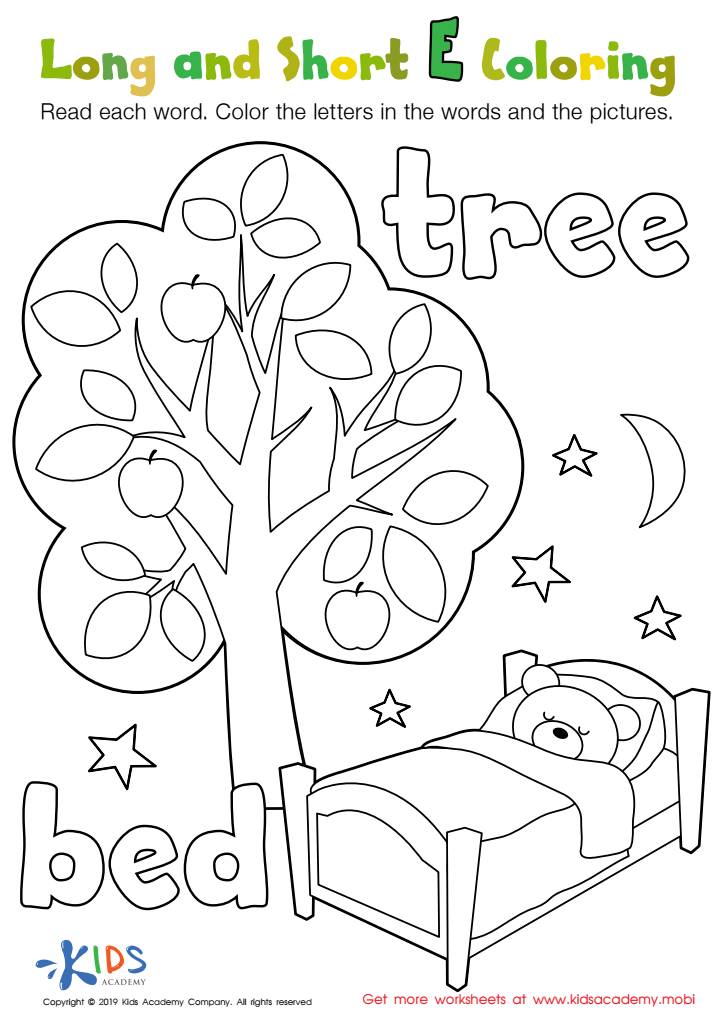
Long and Short E Worksheet
 Assign to My Students
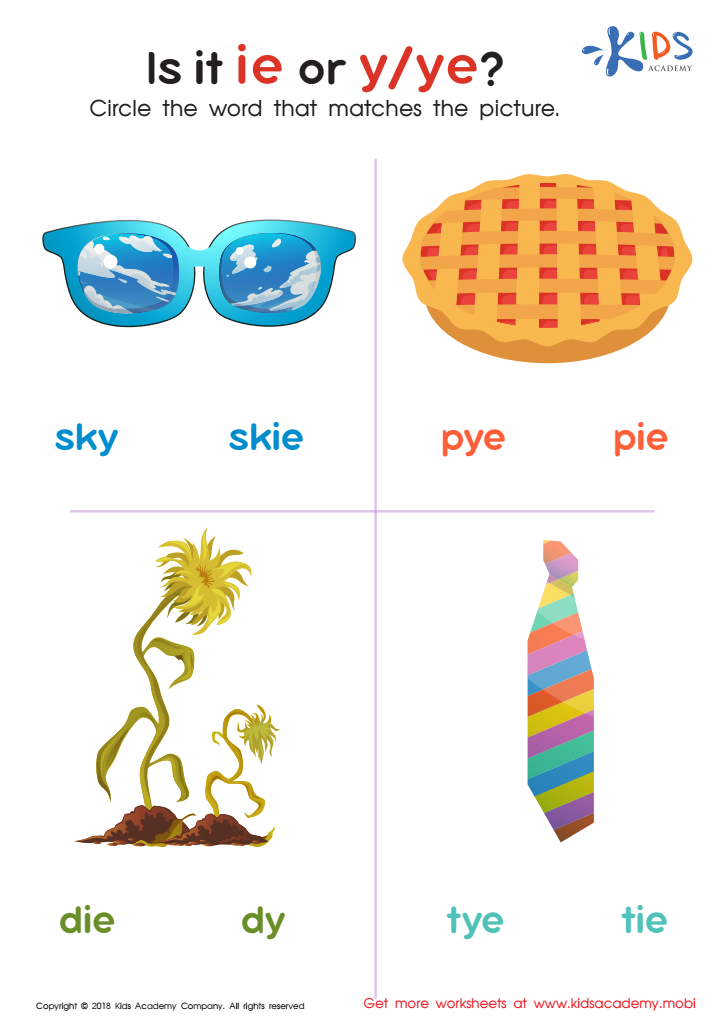
Is It IE or Y/Ye? Worksheet
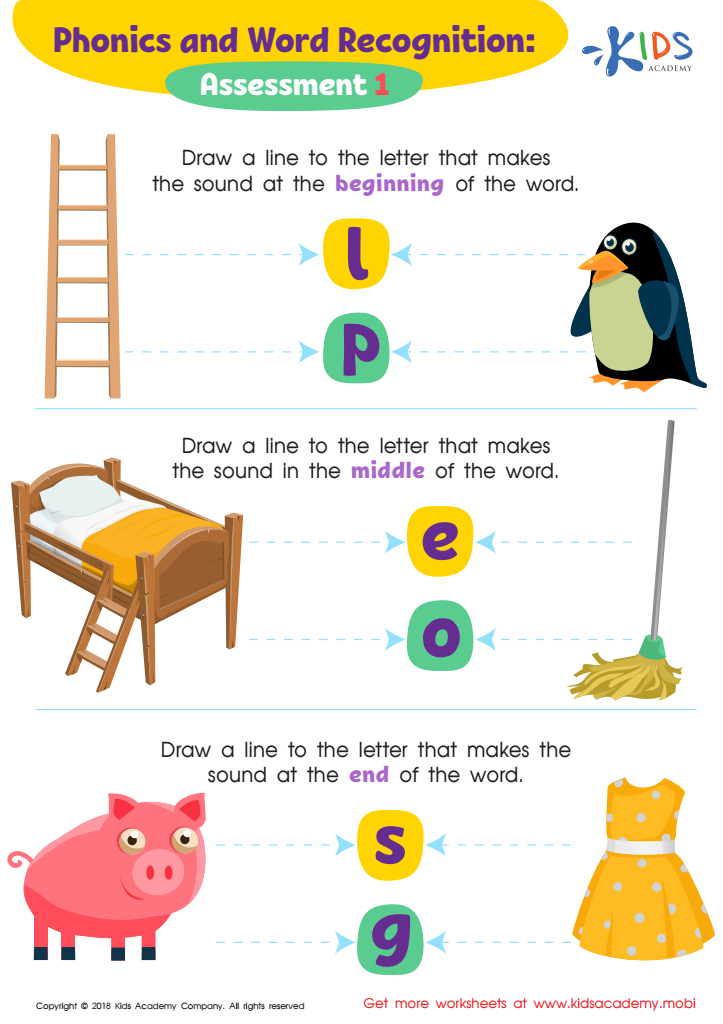
Phonics and Word Recognition: Assessment 1 ELA Worksheet
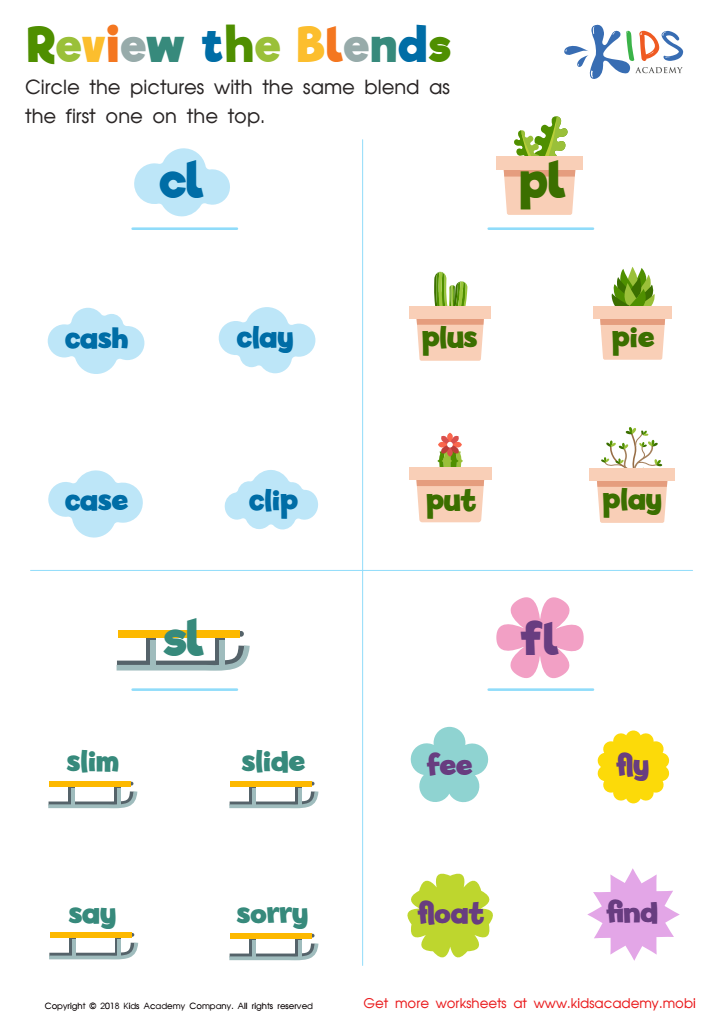
Review the Blends Worksheet
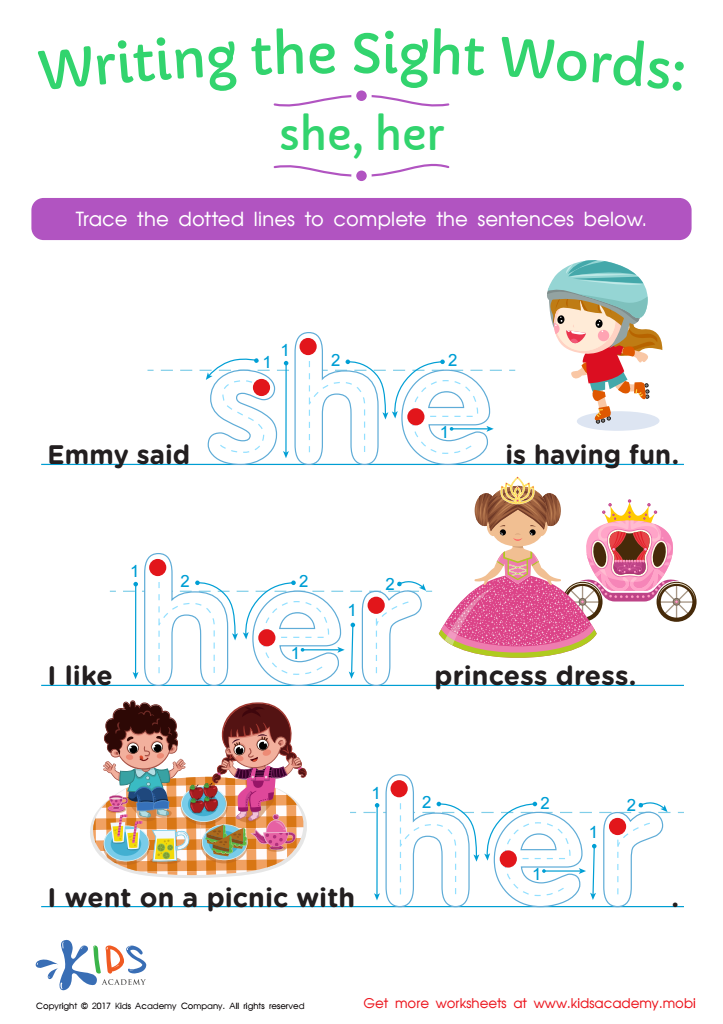
She, Her Printable Sight Words Worksheet








Reading comprehension and phonics are foundational components of early literacy that play a critical role in a child's academic development. For ages 3-6, these skills are crucial as they form the stepping stone upon which future learning depends. Phonics, the relationship between letters and sounds, helps young children decode words and develop proper pronunciation. This ability to ‘sound out’ words enhances their fluency, which is essential for reading comprehension—the ability to understand and interpret text.
Early mastery of phonics facilitates smoother transition from letter recognition to actual reading, reducing potential learning difficulties later. Reading comprehension instills the habit of understanding and engaging with content, fostering critical thinking. It allows children not only to read words but to extract meaning, make predictions, and ask questions about the text.
For parents and teachers, emphasizing reading comprehension and phonics builds a robust foundation for educational success. Children who can read well are more likely to enjoy reading, perform better in school, and develop a lifelong love for learning. Therefore, investing time and resources in developing these skills at a young age helps ensure children are equipped with essential tools necessary for effective communication, problem-solving, and analytical thinking in their academic journey and beyond.







