Letter recognition Normal Upper & Lowercase Letters Worksheets for Ages 3-6
22 filtered results
-
From - To
Discover our engaging "Letter Recognition Normal Upper & Lowercase Letters Worksheets" designed specifically for children aged 3-6. These worksheets provide a playful and interactive approach to mastering the alphabet. Children will practice identifying, tracing, and distinguishing between uppercase and lowercase letters through fun activities and colorful illustrations. Perfect for early learners, these resources foster essential skills in letter recognition, enhancing their reading and writing foundations. Parents and educators can easily access and print these worksheets to support children’s literacy development at home or in the classroom. Make learning letters enjoyable with our comprehensive collection of alphabet worksheets!
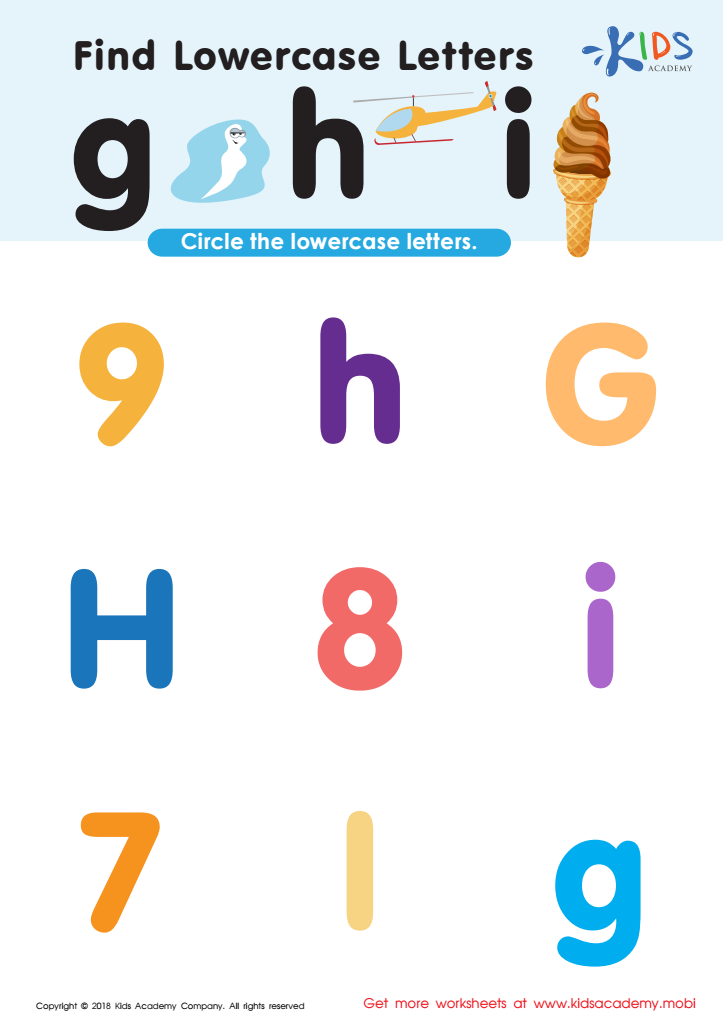
Find Lowercase Letters g h i Worksheet
 Assign to My Students

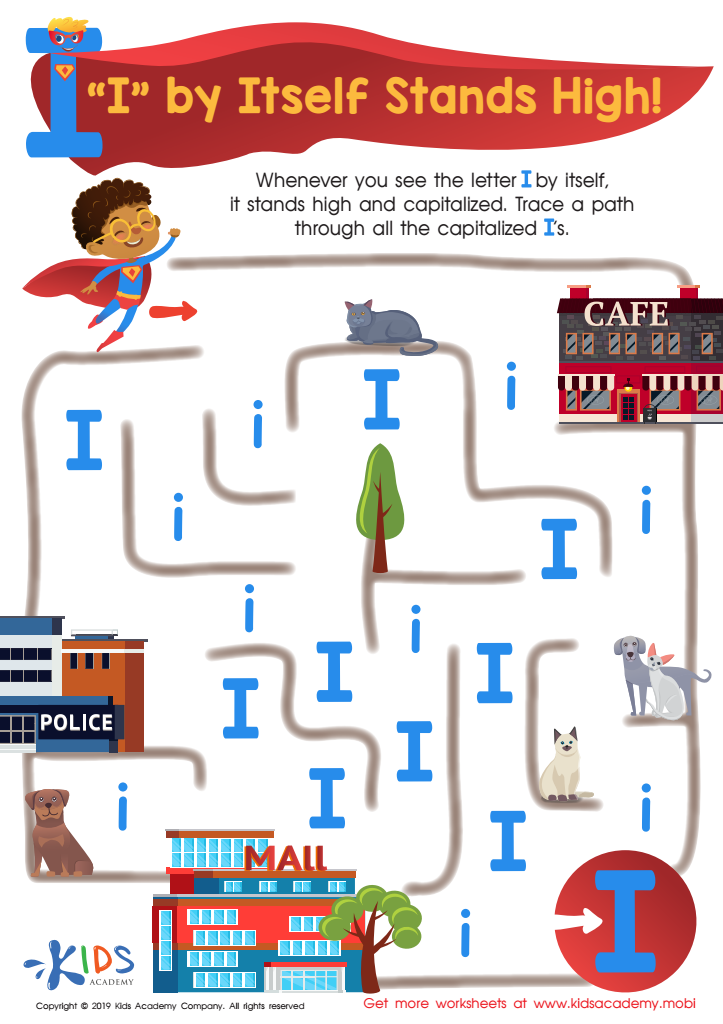
I Stands High Worksheet
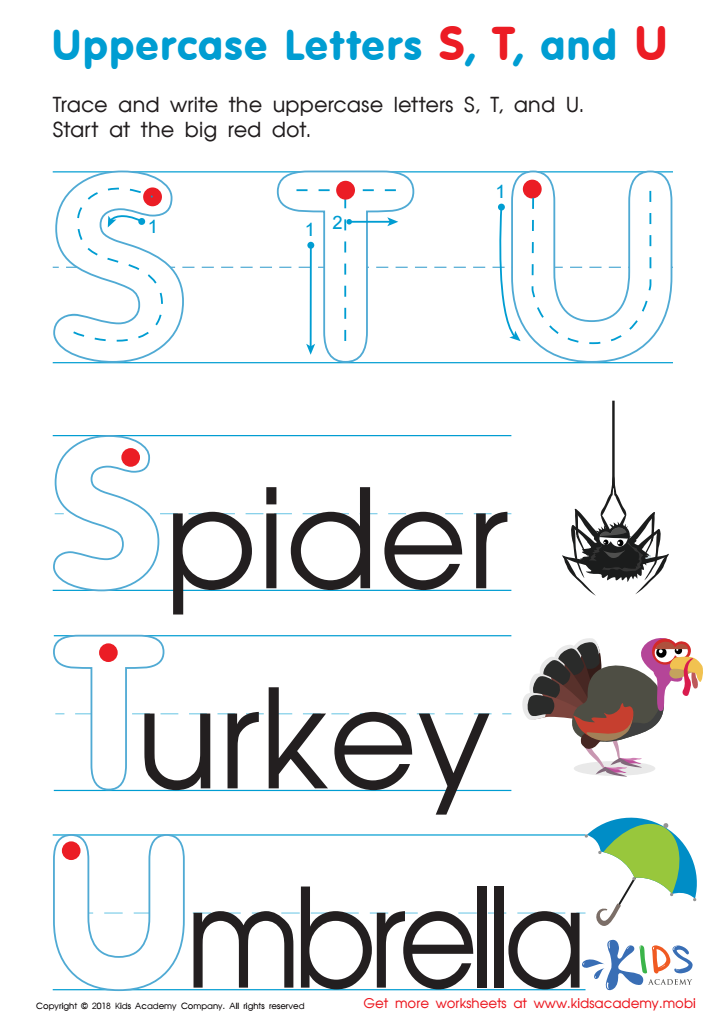
Uppercase Letters S, T, and U Worksheet
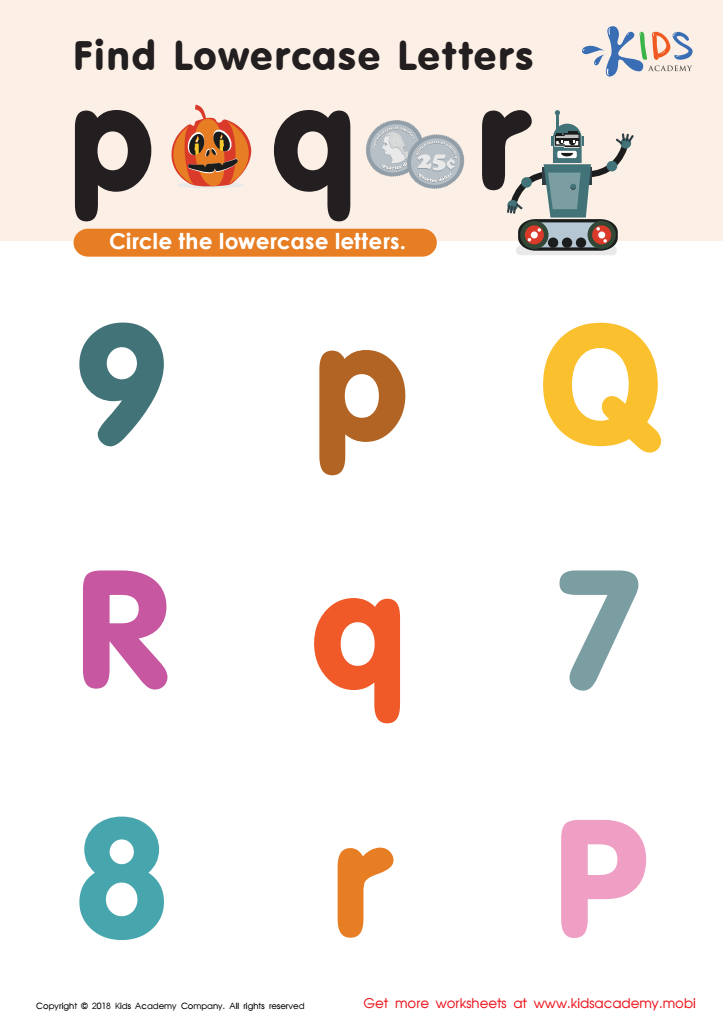
Find lowercase Letters p q r Worksheet
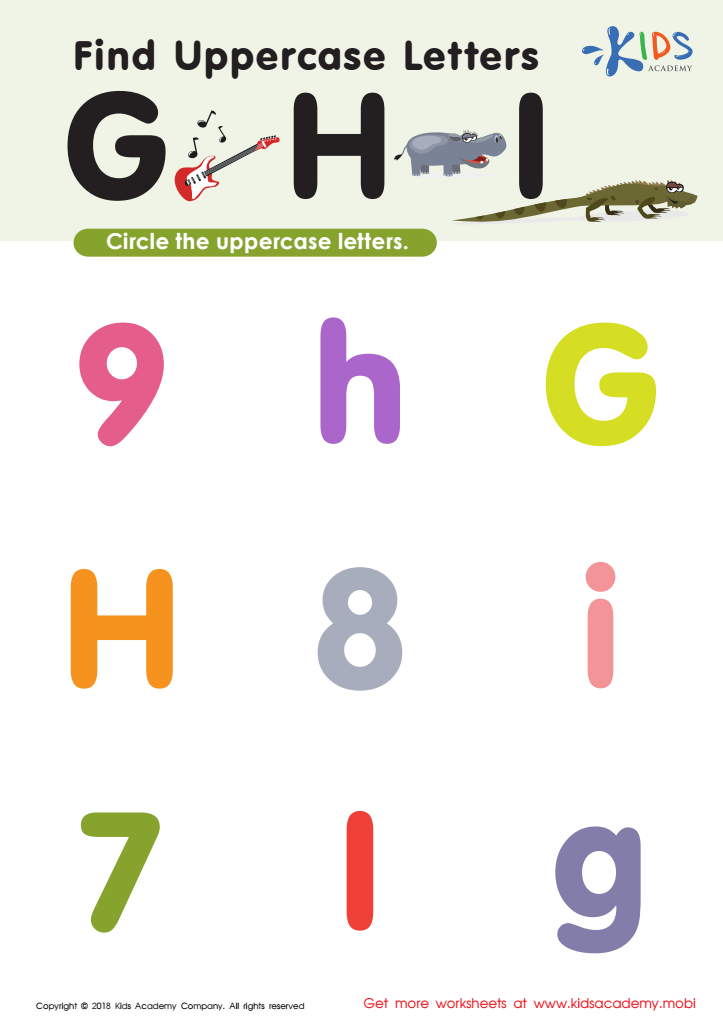
Find Uppercase Letters G, H, and I Worksheet
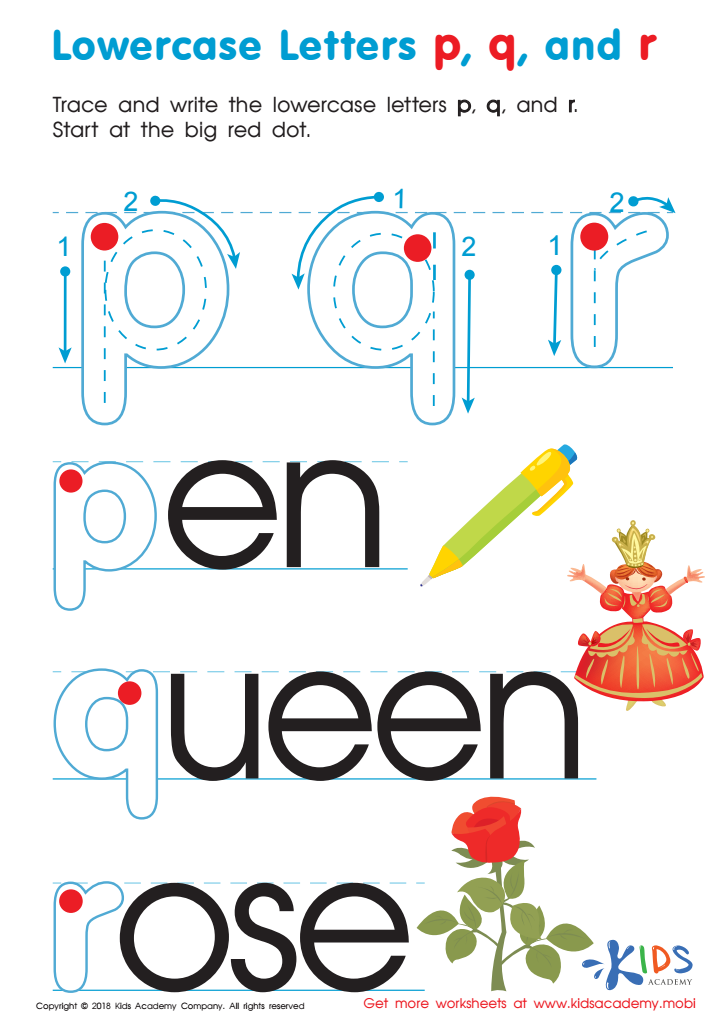
Lowercase Letters p q r Worksheet
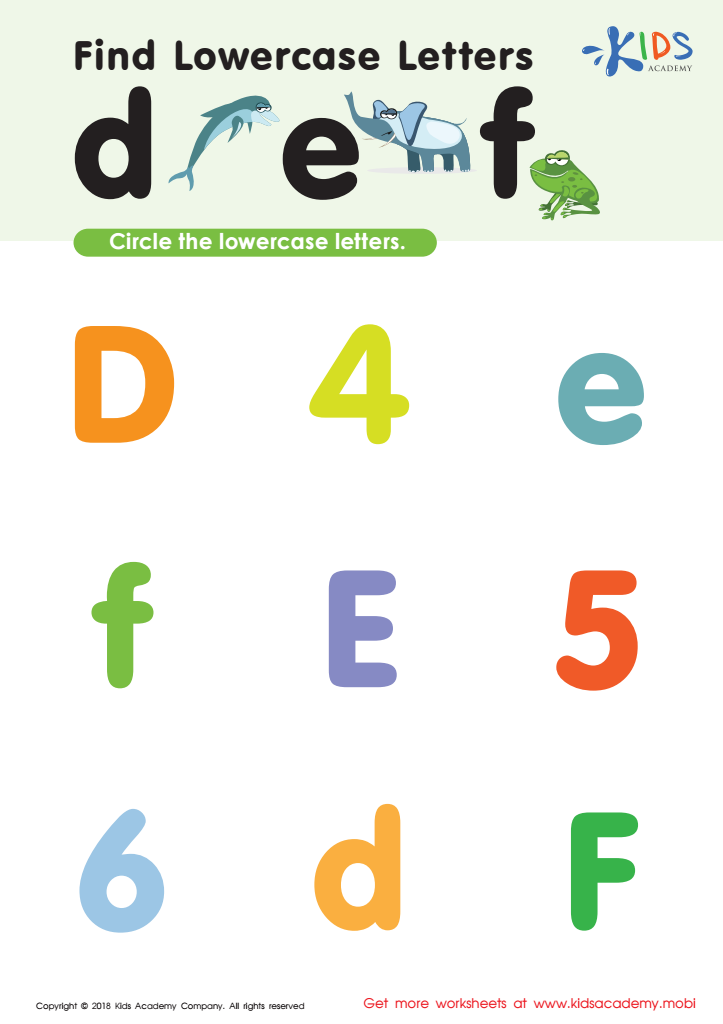
Find Lowercase Letters d e f Worksheet
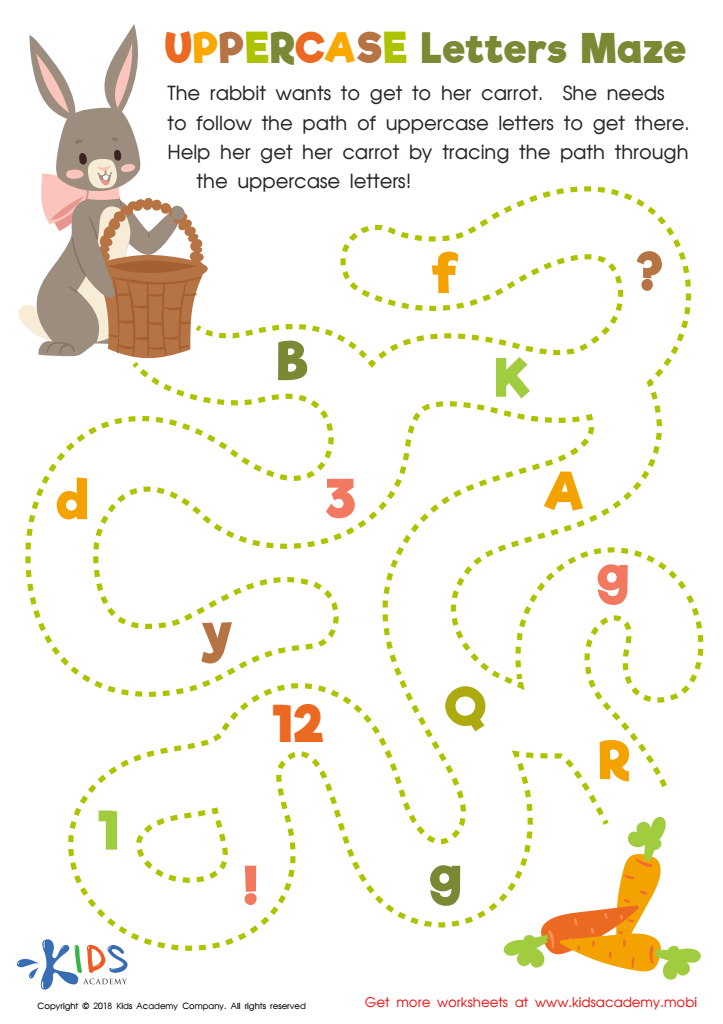
Uppercase Letters Maze Worksheet
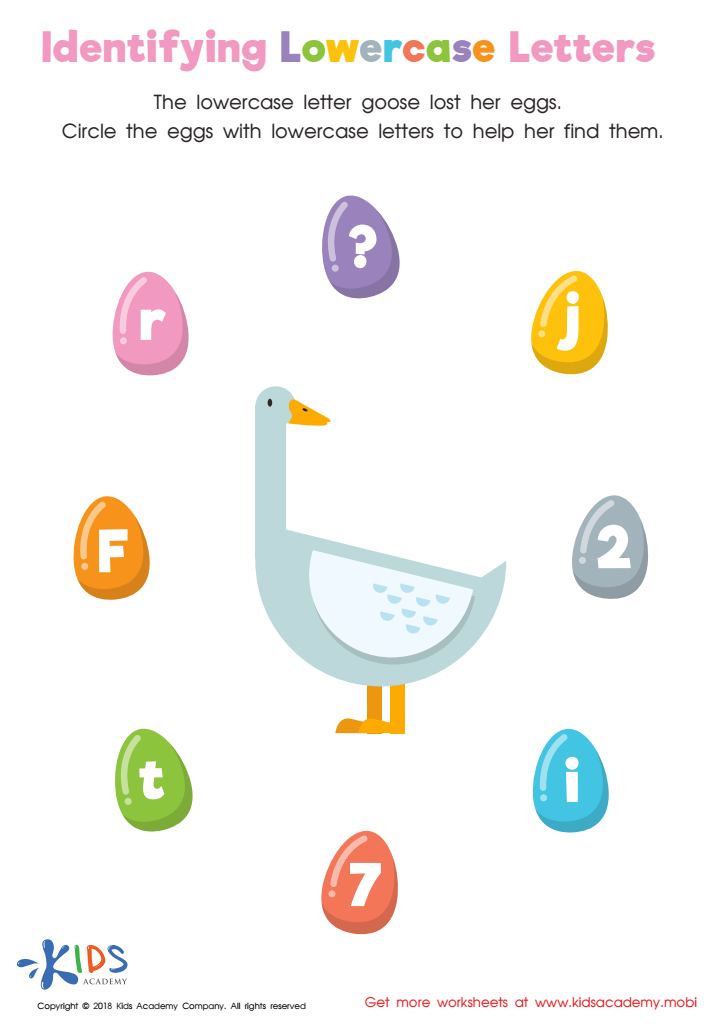
Identifying Lowercase Letters Worksheet
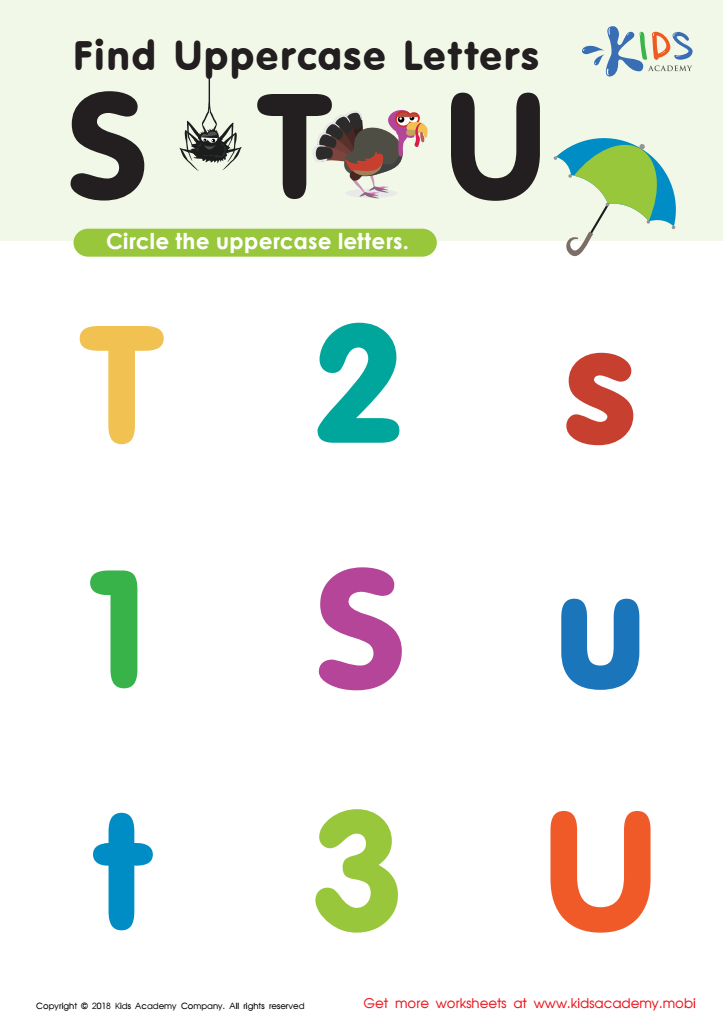
Find Uppercase Letters Worksheet
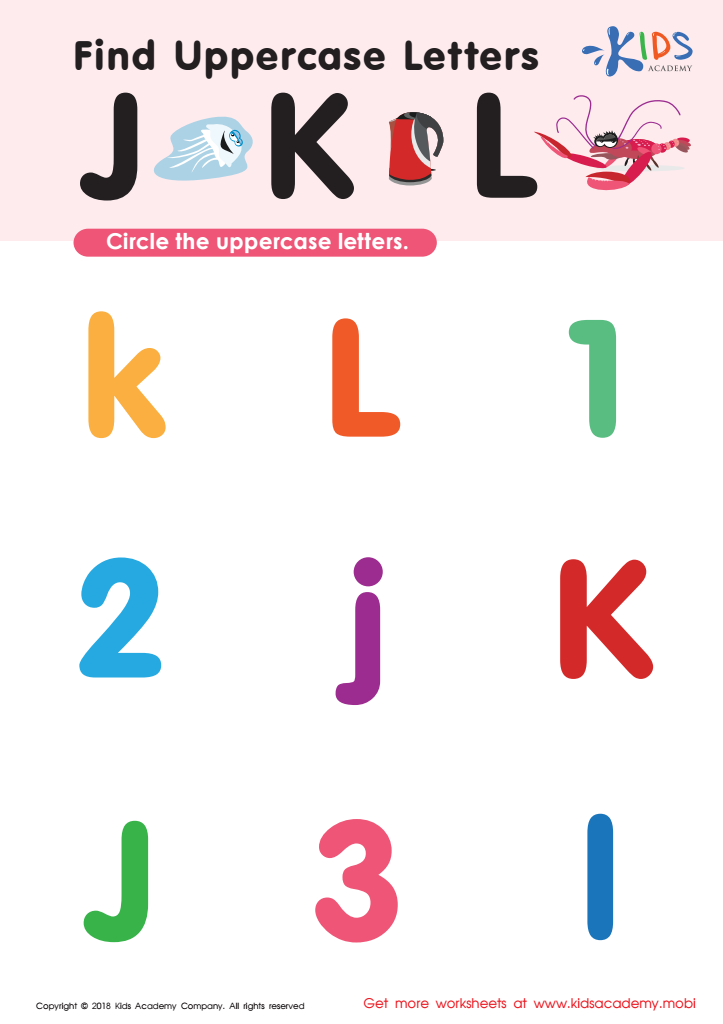
Find Uppercase Letters J, K, and L Worksheet
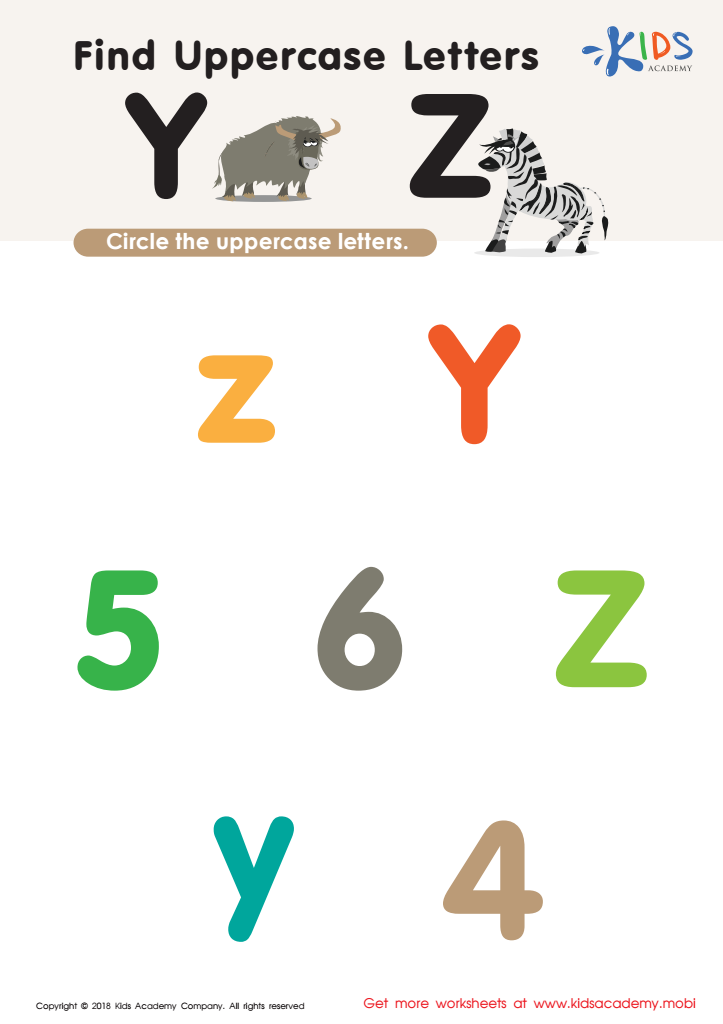
Find Uppercase Letters Y Z Worksheet
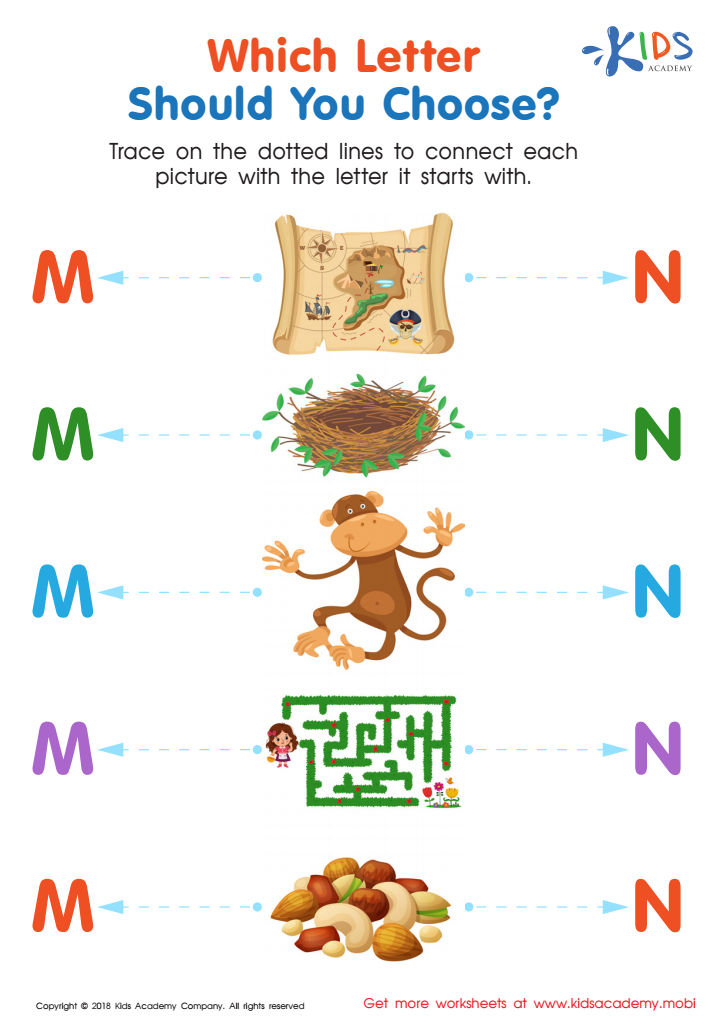
Which Letter Should you Choose? Worksheet
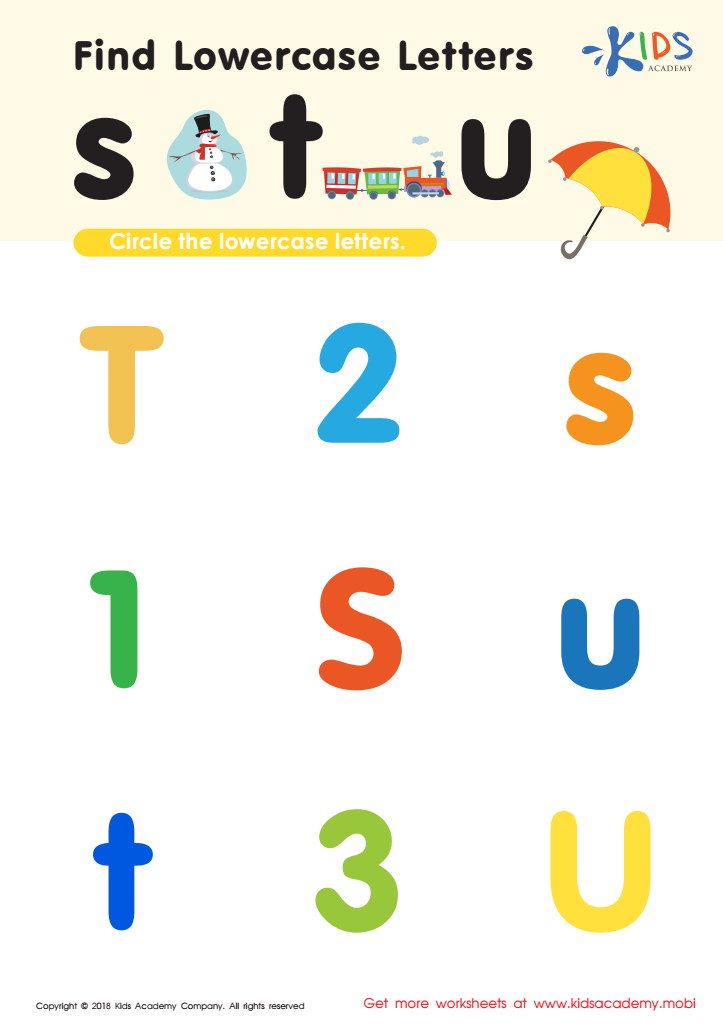
Find lowercase Letters s t u Worksheet
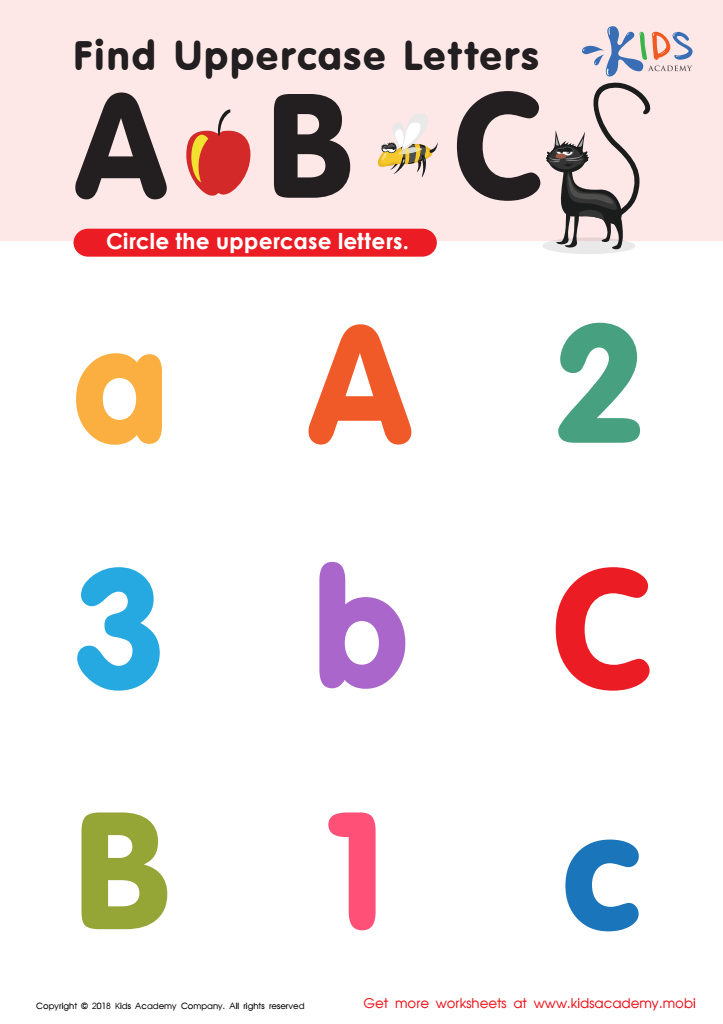
Find Uppercase Letters A, B, and C Worksheet
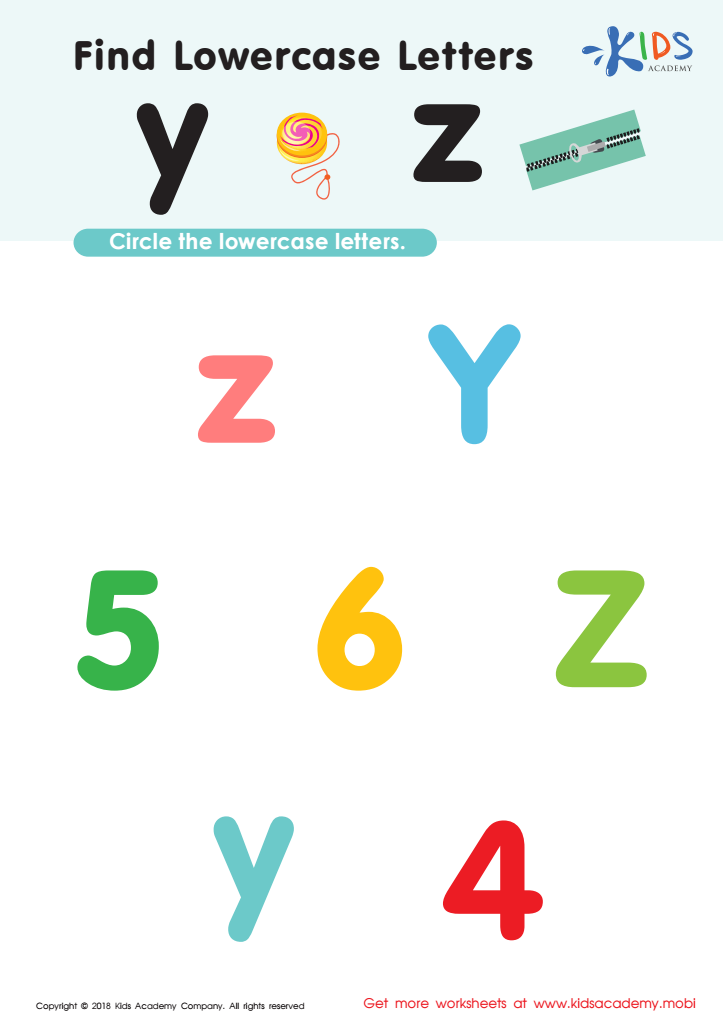
Find Lowercase Letters y z Worksheet
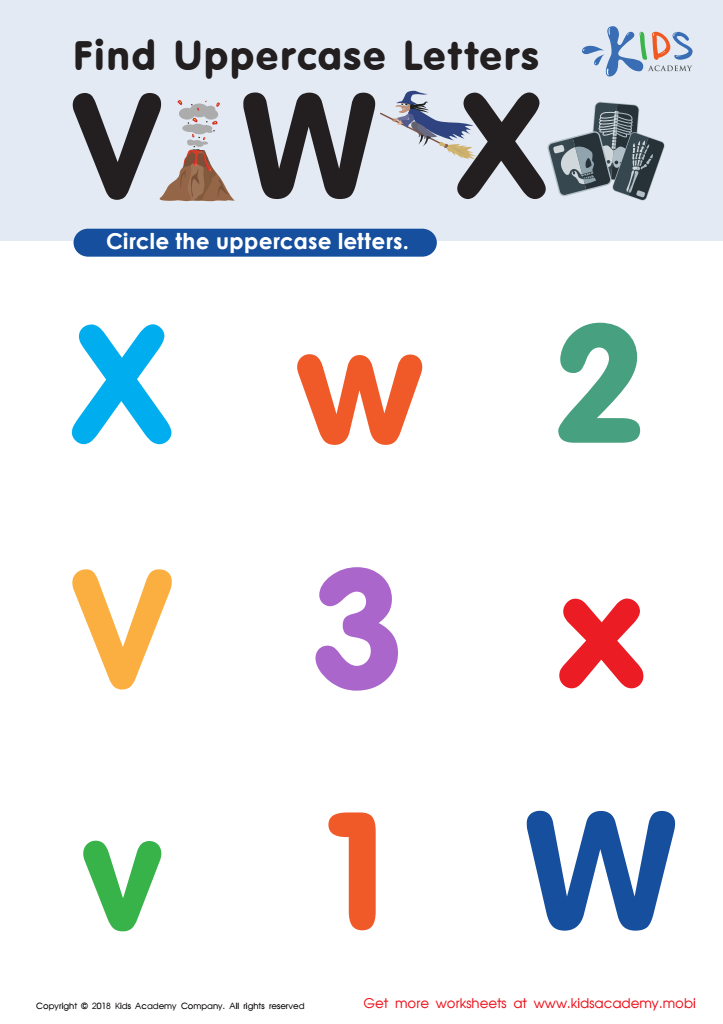
Find Uppercase Letters V, W, X Worksheet
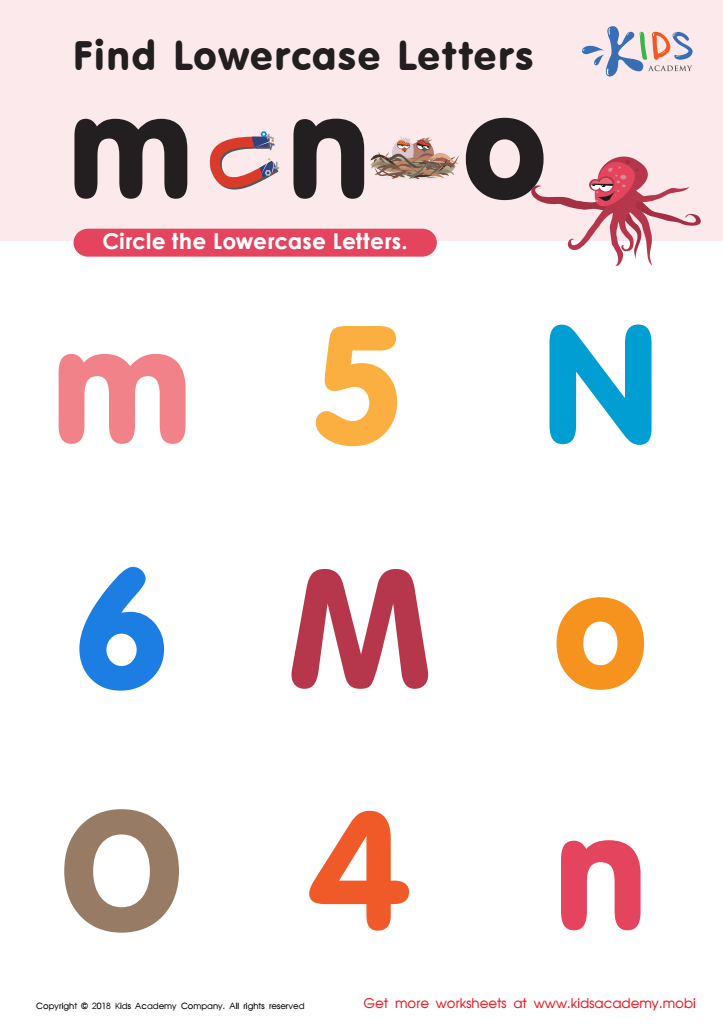
Find Lowercase Letters m n o Worksheet
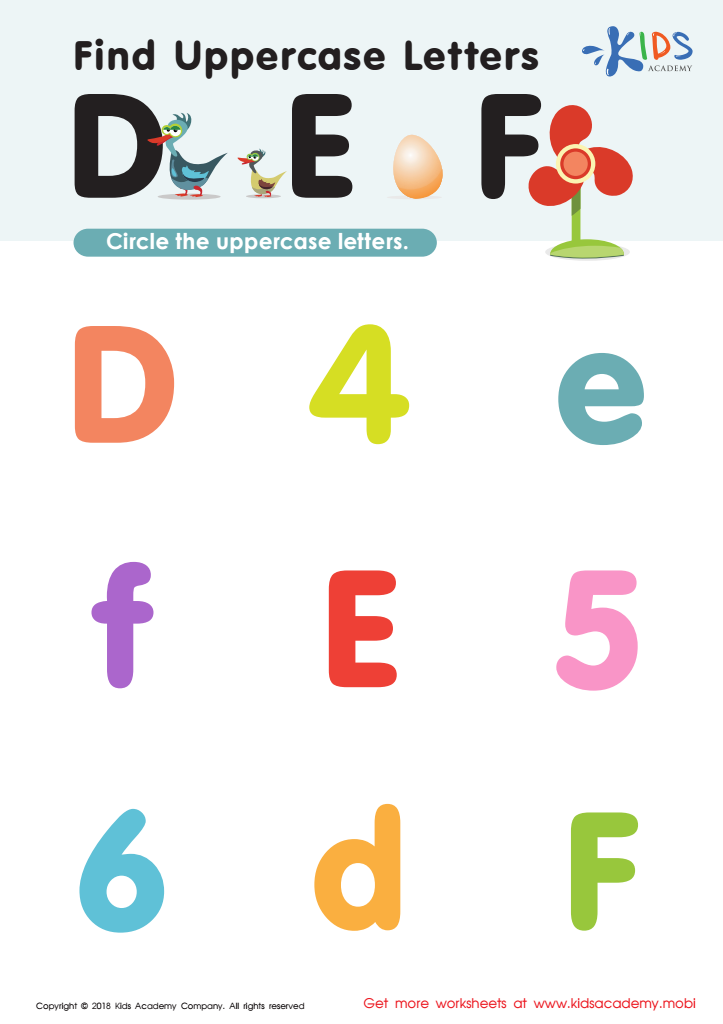
Find Uppercase Letters D, E, and F Worksheet
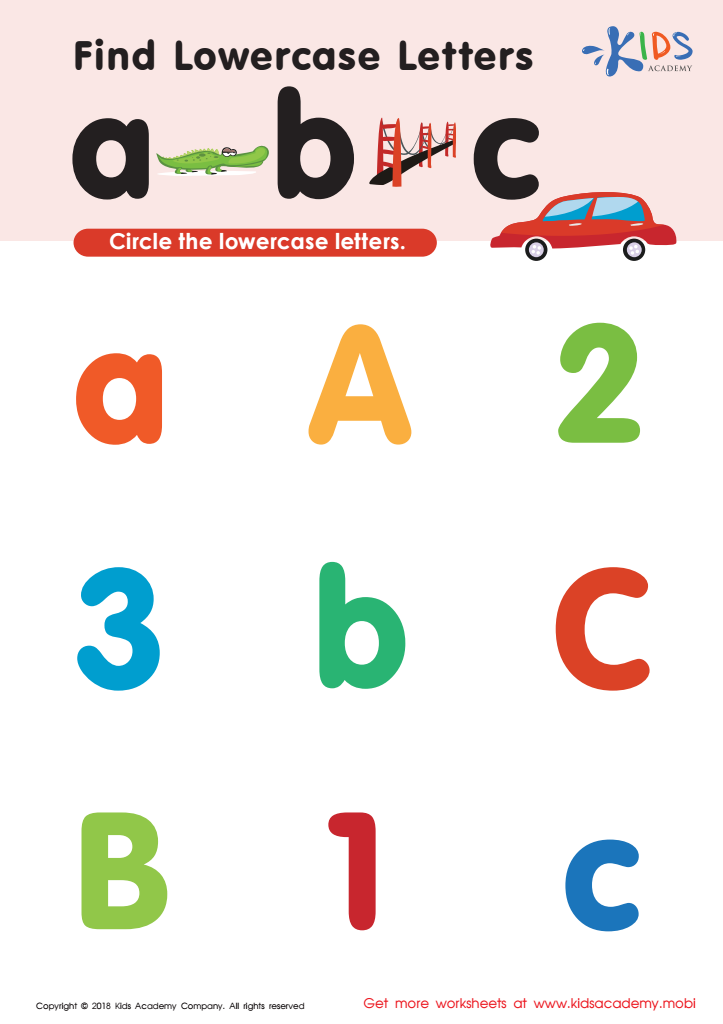
Find lowercase letters a b c Worksheet
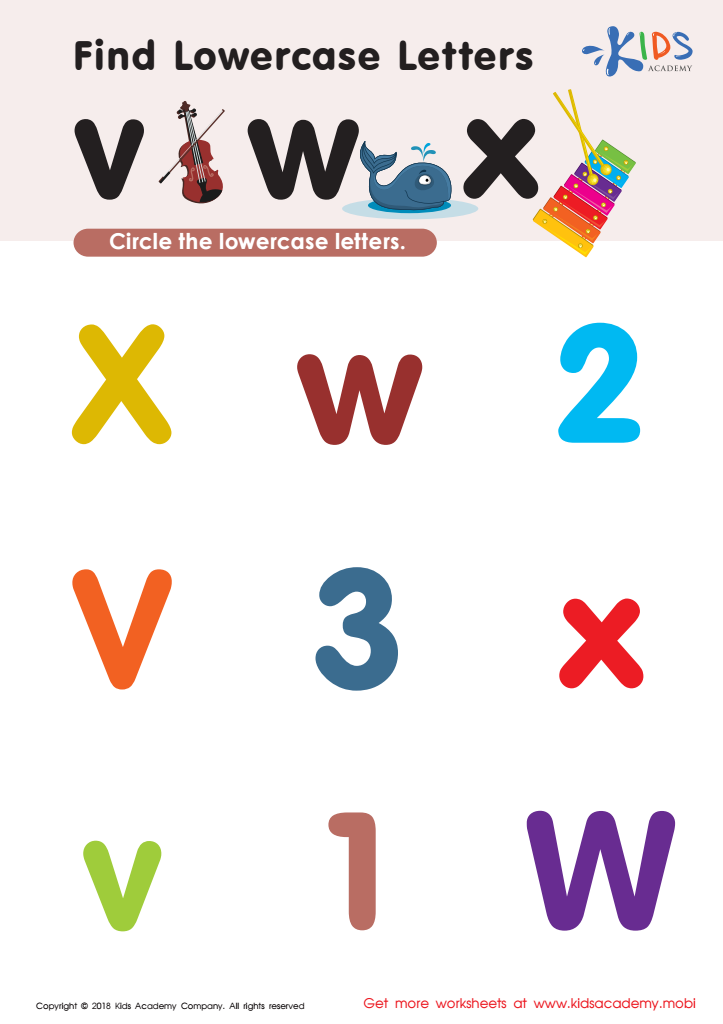
Find Lowercase Letters v w x Worksheet
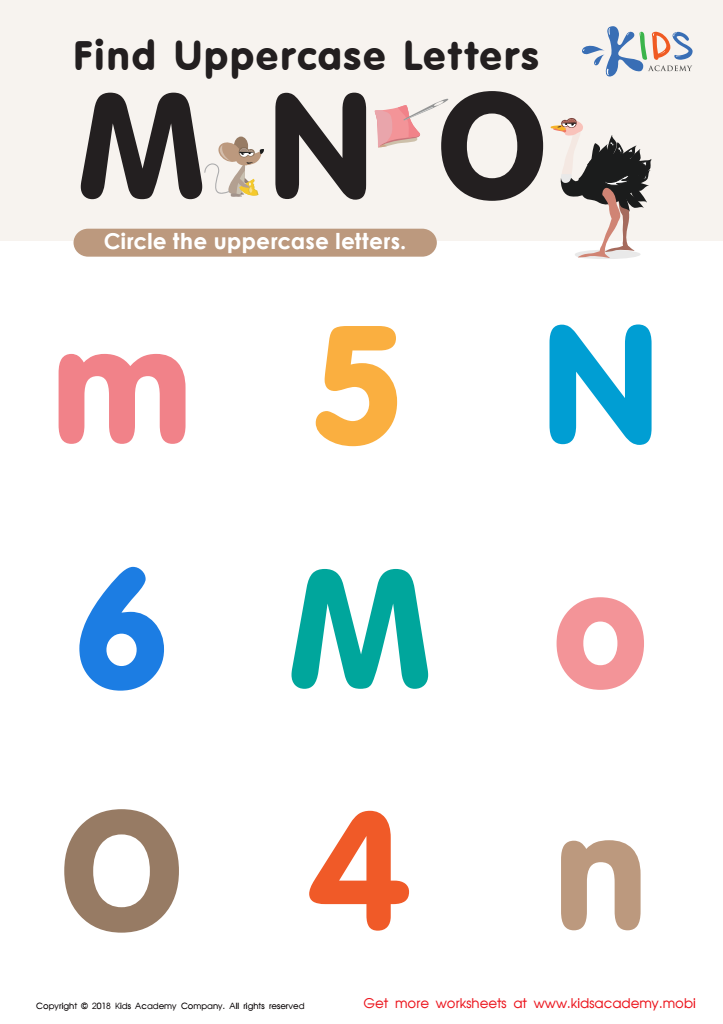
Find Uppercase Letters M, N, and O Worksheet






Letter recognition, both uppercase and lowercase, is a crucial foundational skill for children aged 3-6, setting the stage for their literacy development. Understanding letters lays the groundwork for reading and writing, essential skills that influence academic success and communication throughout life.
Parents and teachers should care about teaching letter recognition because it promotes early literacy skills. Recognizing letters helps children decode words, facilitating their ability to read simple texts by kindergarten. This early exposure fosters a love for reading, which is vital for lifelong learning.
Moreover, recognizing letters aids in writing development. When children can identify letters, they are more likely to experiment with writing, taking risks to create words and sentences. This component of literacy development enhances fine motor skills, essential for handwriting.
Additionally, supporting letter recognition at this age can boost self-esteem and confidence. Children who are adept at recognizing letters will feel competent and encouraged to participate in literacy-related activities, both at home and in school.
In summary, fostering letter recognition among young children is imperative as it equips them with essential skills for successful communication, academic performance, and personal confidence, ultimately shaping them into proficient readers and writers.







