Alphabet Learning Normal Worksheets for Ages 3-6
5 filtered results
-
From - To
Introducing our “Alphabet Learning Normal Worksheets for Ages 3-6” designed to make early literacy fun and effective! Tailored for young learners, these printable worksheets focus on developing fundamental ABC skills through engaging activities. Kids will practice letter recognition, tracing, and phonetics in a structured yet enjoyable way, helping to build a solid foundation for future reading and writing. Perfect for preschool and kindergarten students, our worksheets captivate young minds while enhancing essential learning skills. Set your child on the path to literacy success with our expertly crafted and age-appropriate alphabet learning resources.
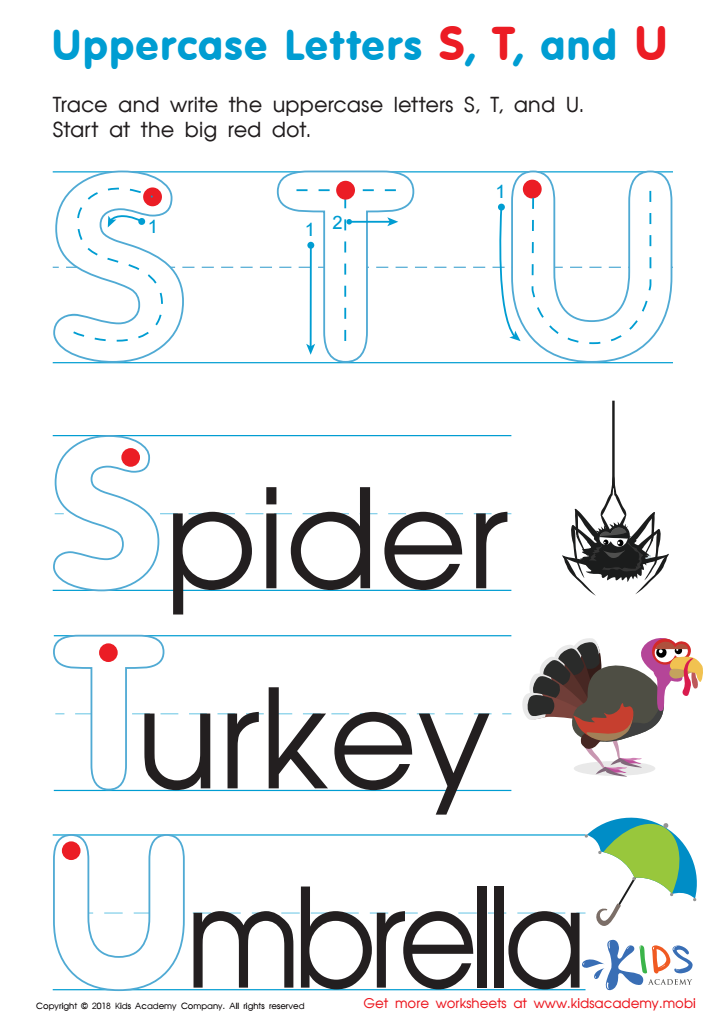
Uppercase Letters S, T, and U Worksheet
 Assign to My Students
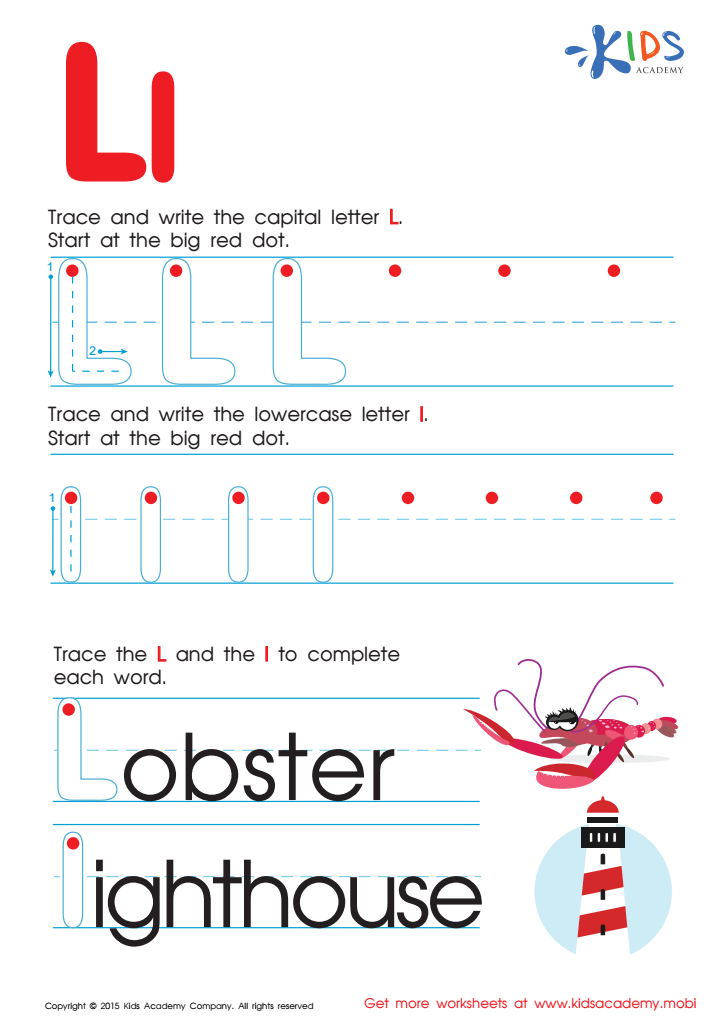
Letter L Tracing Page
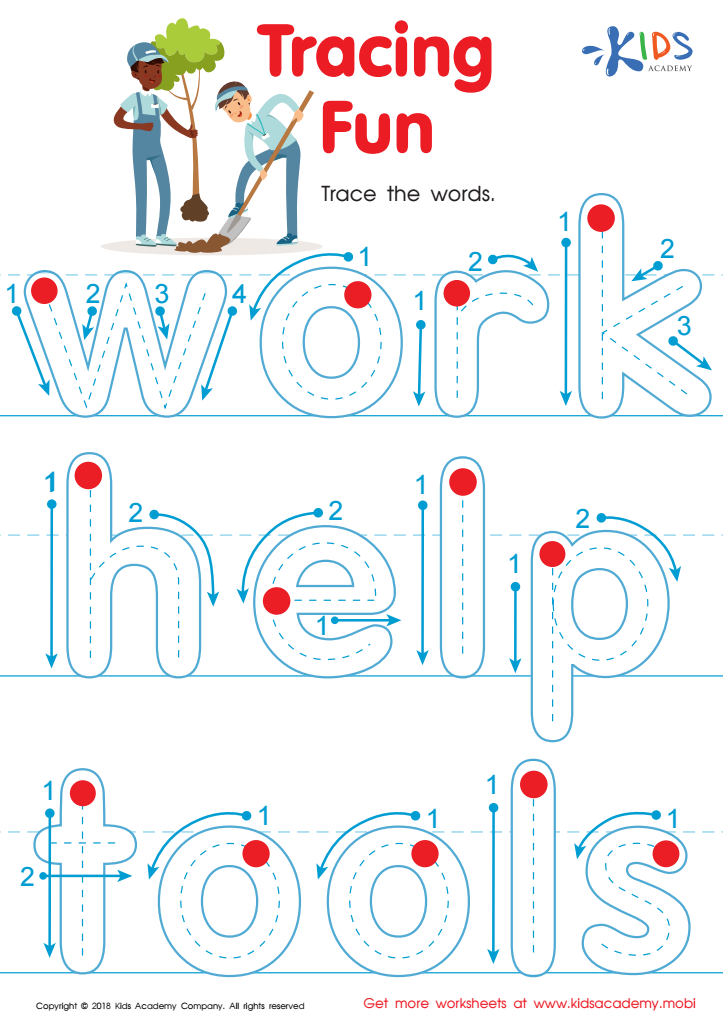
Tracing Fun Worksheet
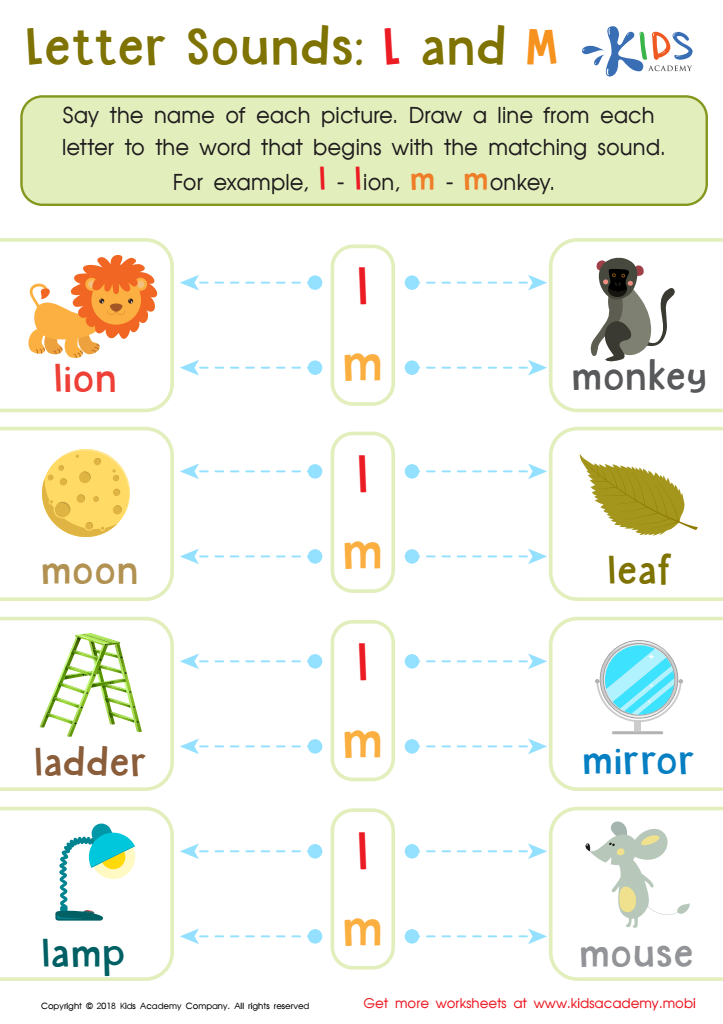
Letter l and M Sounds Worksheet
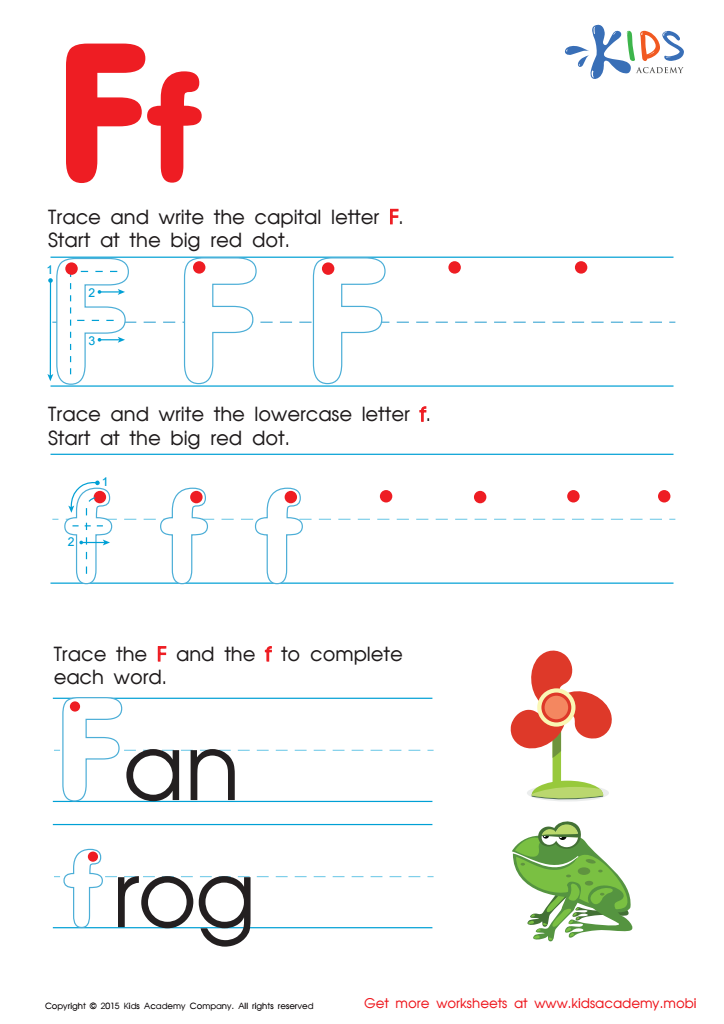
Letter F Tracing Page





.jpg)


Alphabet learning is a fundamental milestone in early childhood development, especially for children aged 3-6. During this critical period, their brains are highly receptive to new information and learning experiences. Understanding and mastering the alphabet lays the groundwork for essential literacy skills, including reading and writing. When children become familiar with letters and their corresponding sounds, they develop phonemic awareness, an essential skill for decoding words.
For parents and teachers, prioritizing alphabet learning can significantly impact a child's future academic success. It opens doors to early language development, expansive vocabulary, and better communication skills. When children are confident with the alphabet, they are more prepared for kindergarten and the structured learning environment that follows.
Moreover, alphabet learning fosters cognitive development, enhancing memory, attention, and concentration. It also encourages fine motor skills as children engage in activities like tracing and writing letters. Socially, children benefit from activities such as singing the alphabet song or playing letter-based games, promoting interaction and collaborative learning.
In essence, giving importance to alphabet learning for children aged 3-6 prepares them not just academically, but also boosts their overall developmental trajectory, setting a positive foundation for lifelong learning.








