Coloring skills Normal Worksheets for Ages 3-6
3 filtered results
-
From - To
Unlock a world of creativity and learning with our Coloring Skills Normal Worksheets for Ages 3-6! Designed to enhance fine motor skills, these engaging worksheets provide young learners with fun, vibrant images to color. Our carefully crafted activities encourage kids to express their artistic abilities while improving hand-eye coordination and concentration. Ideal for classrooms or at home, these worksheets nurture essential pre-writing skills and spark imagination. With a variety of themes and patterns, children can explore colors and develop their artistic expression. Download our free worksheets today and watch your child’s confidence and creativity flourish! Perfect for early education milestones.
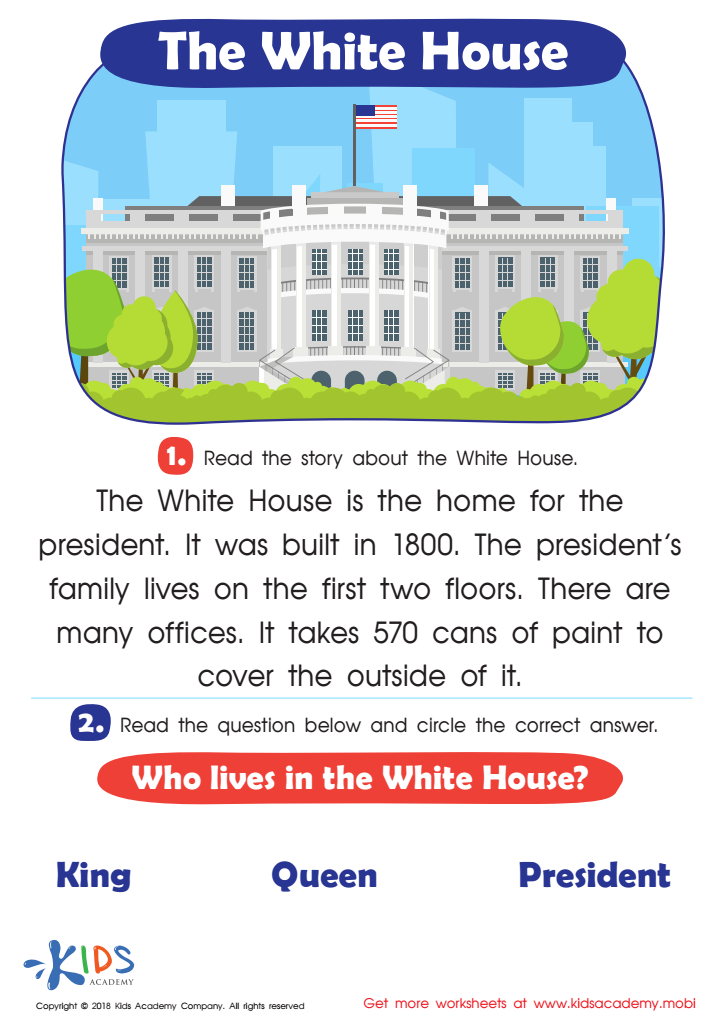
White House Worksheet
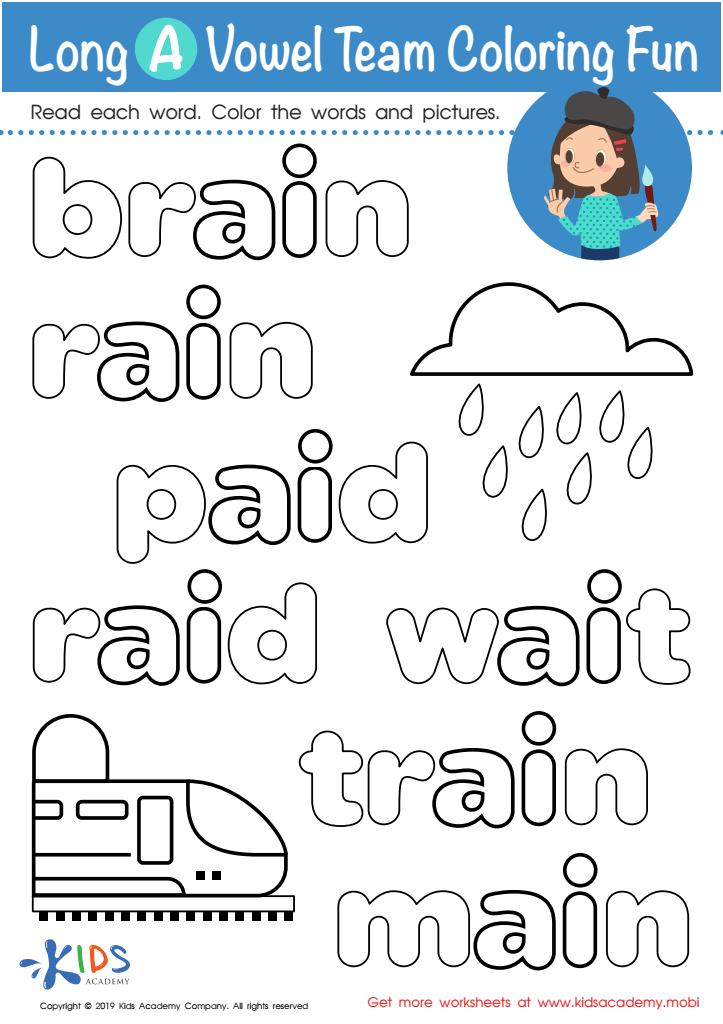
Long A Vowel Team Coloring Fun Worksheet
 Assign to My Students
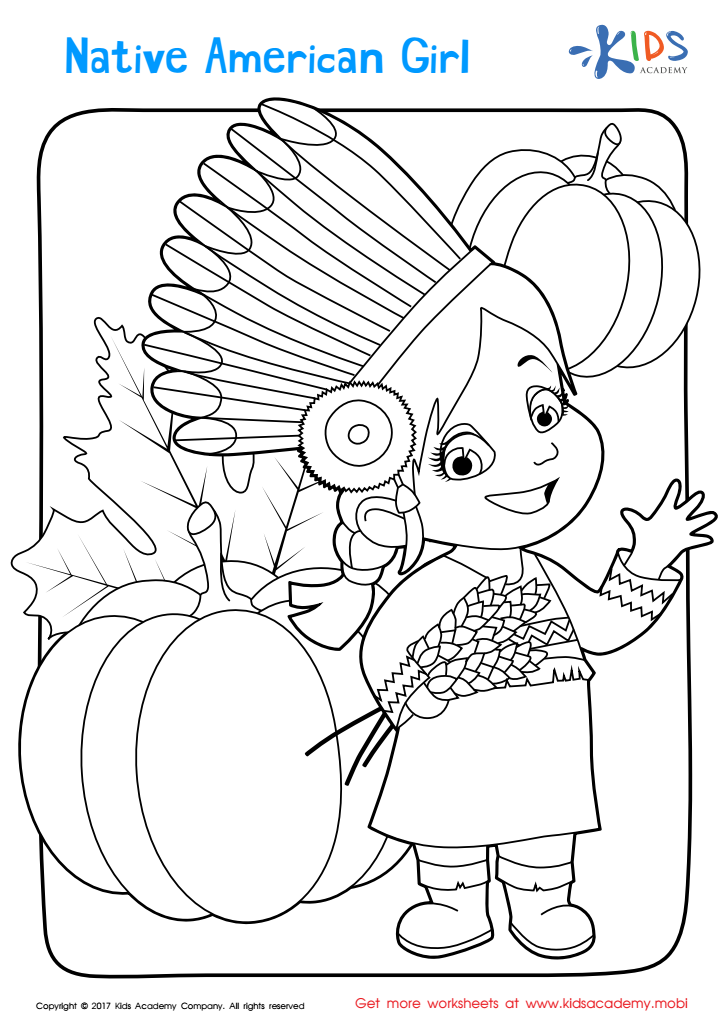






Coloring skills in children aged 3-6 are pivotal for their overall development and learning. First, these skills enhance fine motor development, which is essential for later tasks such as writing, using scissors, and personal care activities. When children color, they use small muscles in their hands, improving hand-eye coordination and dexterity.
Second, coloring promotes cognitive development. It encourages children to recognize colors, shapes, and patterns, foundational concepts in mathematics and science. As they choose colors and create their own images, children learn about decision-making and creativity, which nurture critical thinking and problem-solving skills.
Additionally, coloring can be a calming activity, improving focus and attention, which are vital for successful learning experiences. It also allows for self-expression, giving children the space to convey their thoughts and emotions non-verbally. Finally, incorporating coloring into educational settings fosters engagement and can bridge gaps in communication between teachers and students, offering insight into a child's interests and feelings.
In summary, coloring is not just a fun pastime; it significantly supports key developmental milestones in young children, making it essential for parents and educators to prioritize this skill. Encouraging coloring can lead to more enriched learning and personal growth for young learners.








