Handwriting practice Normal Worksheets for Ages 3-6 - Page 3
60 filtered results
-
From - To
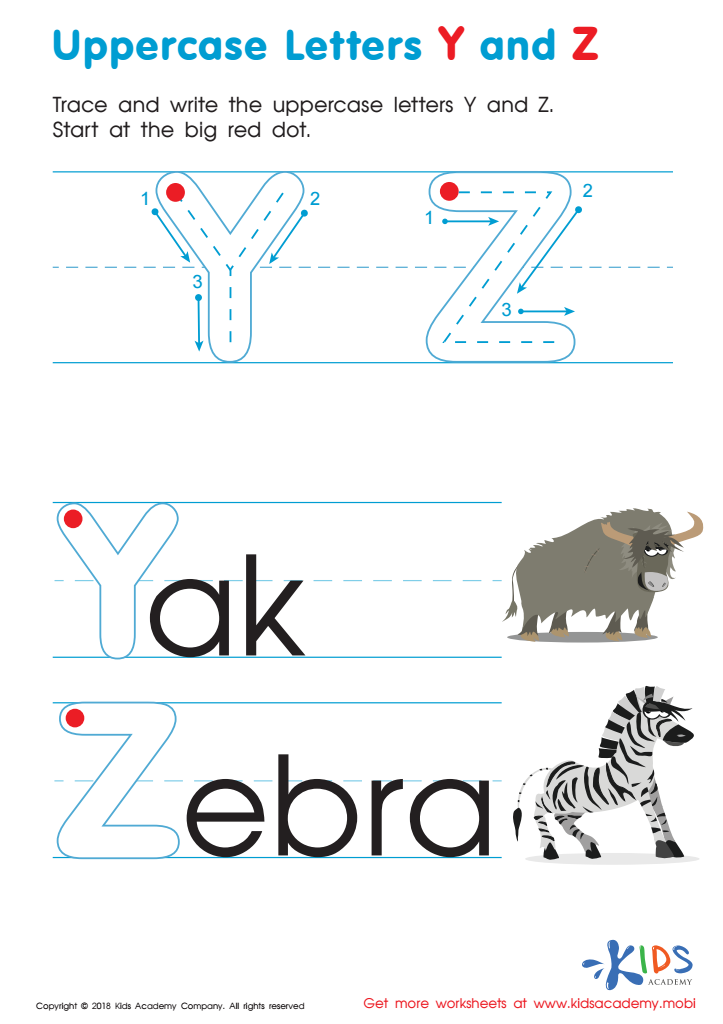
Uppercase Letters Y Z Worksheet
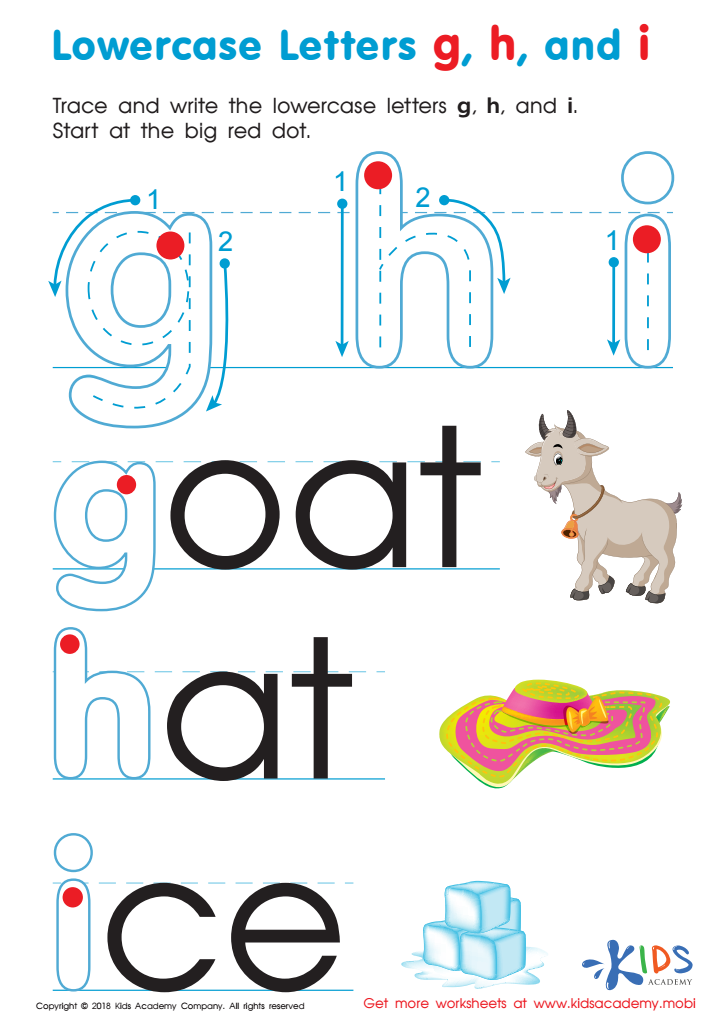
Lowercase Letters g h i Worksheet
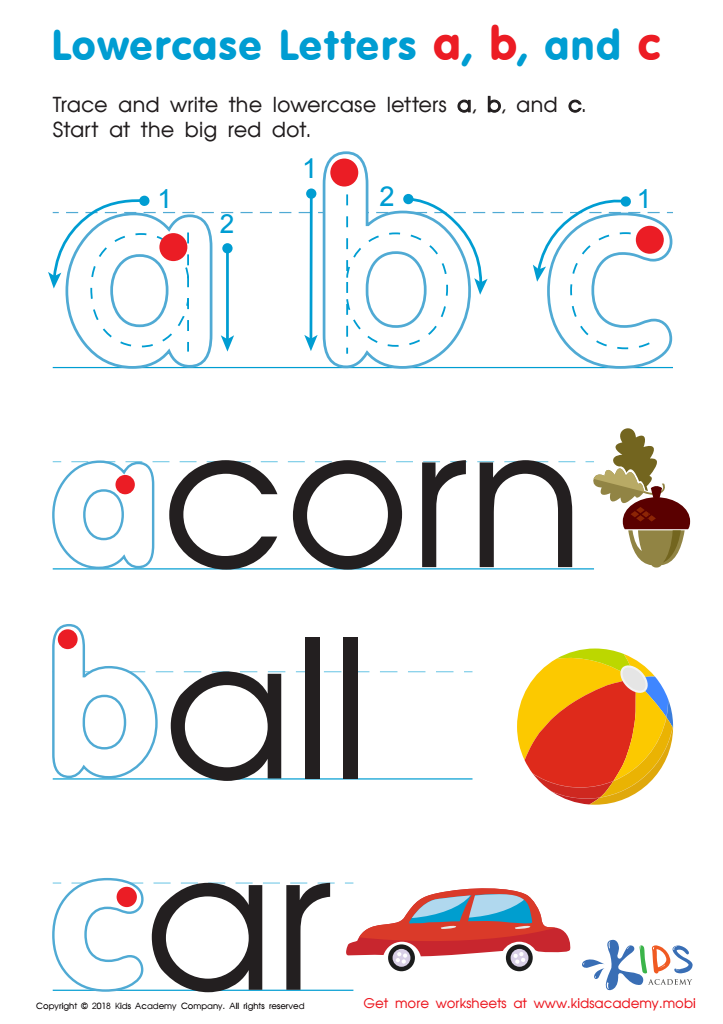
Lowercase Letters a b c Worksheet
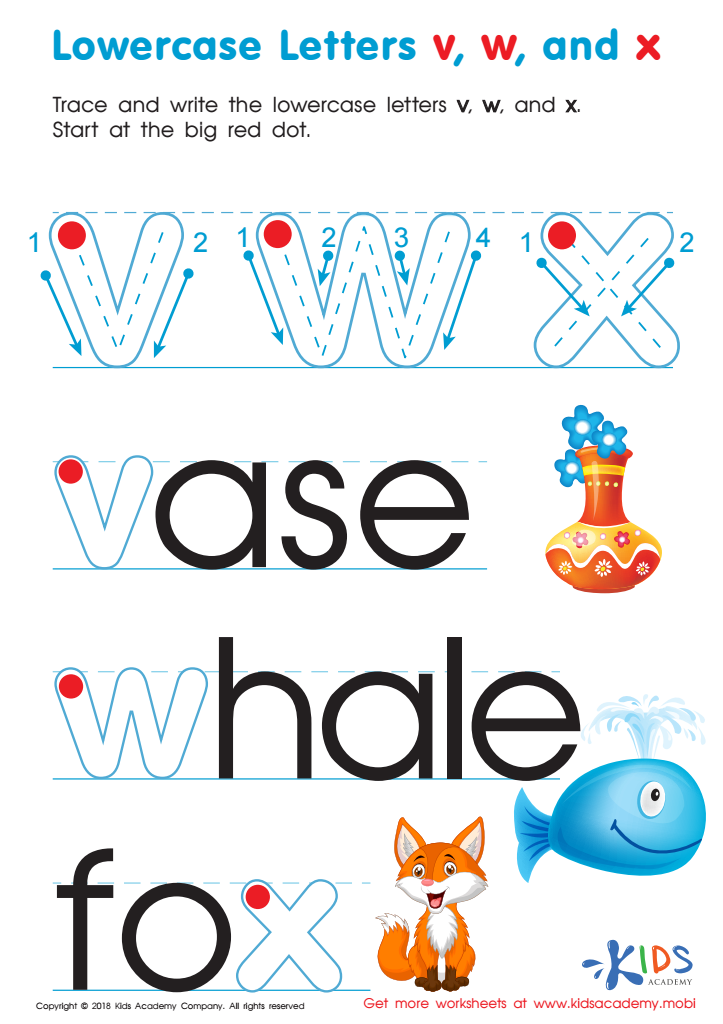
Lowercase Letters v w x Worksheet
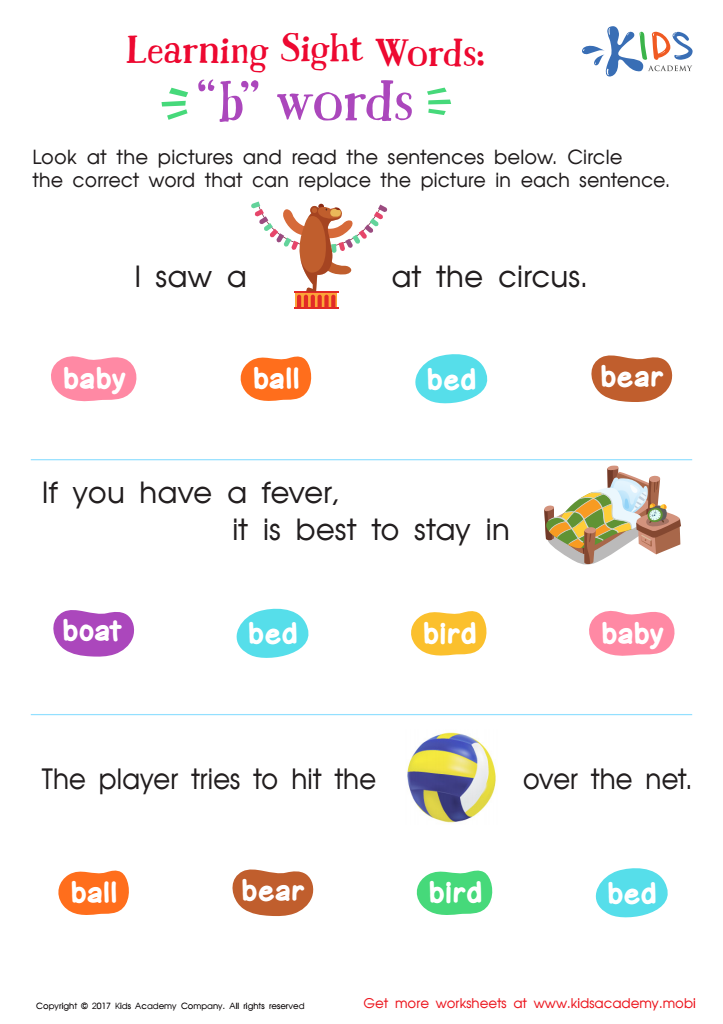
"B" Words Printable Sight Words Worksheet
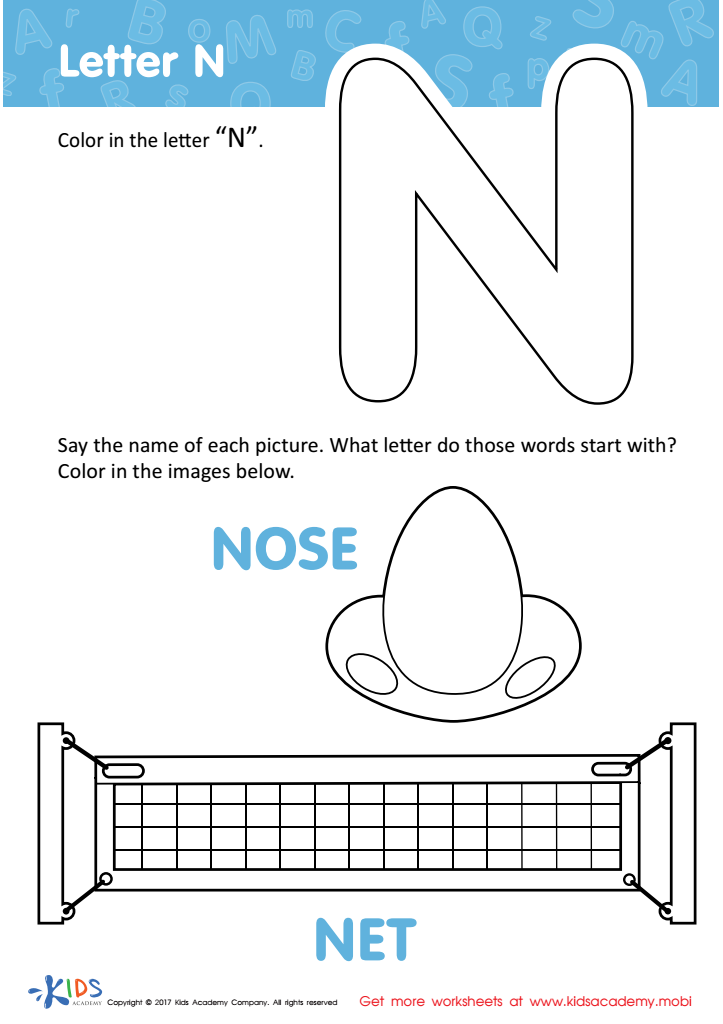
Letter N Coloring Sheet
 Assign to My Students
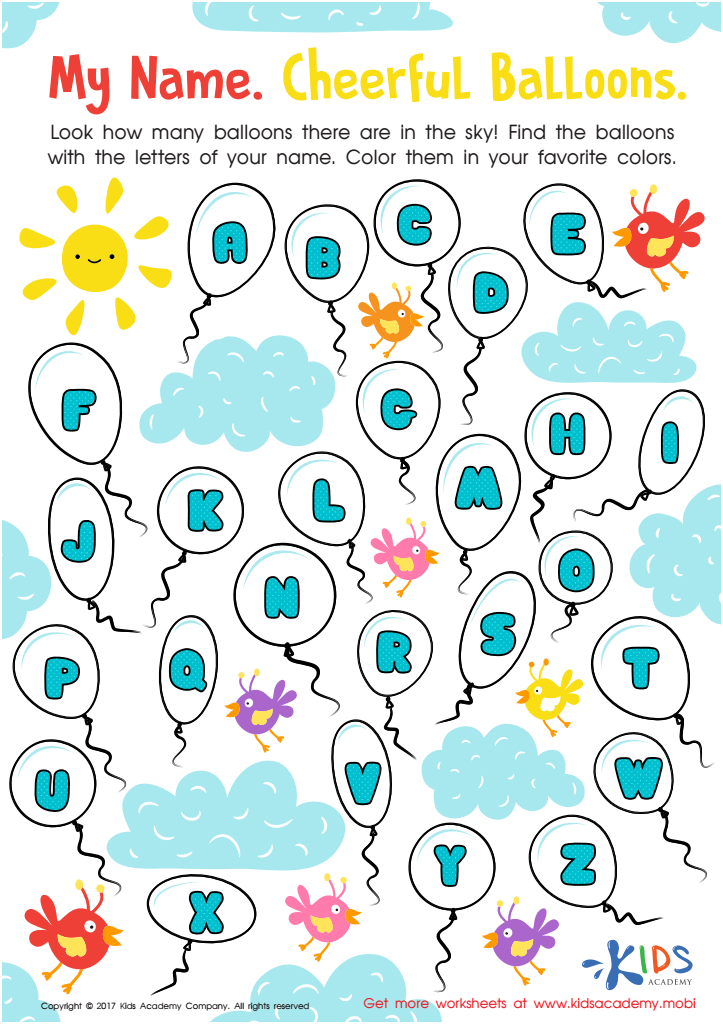
My Name: Cheerful Balloons Worksheet
Assign to My Students
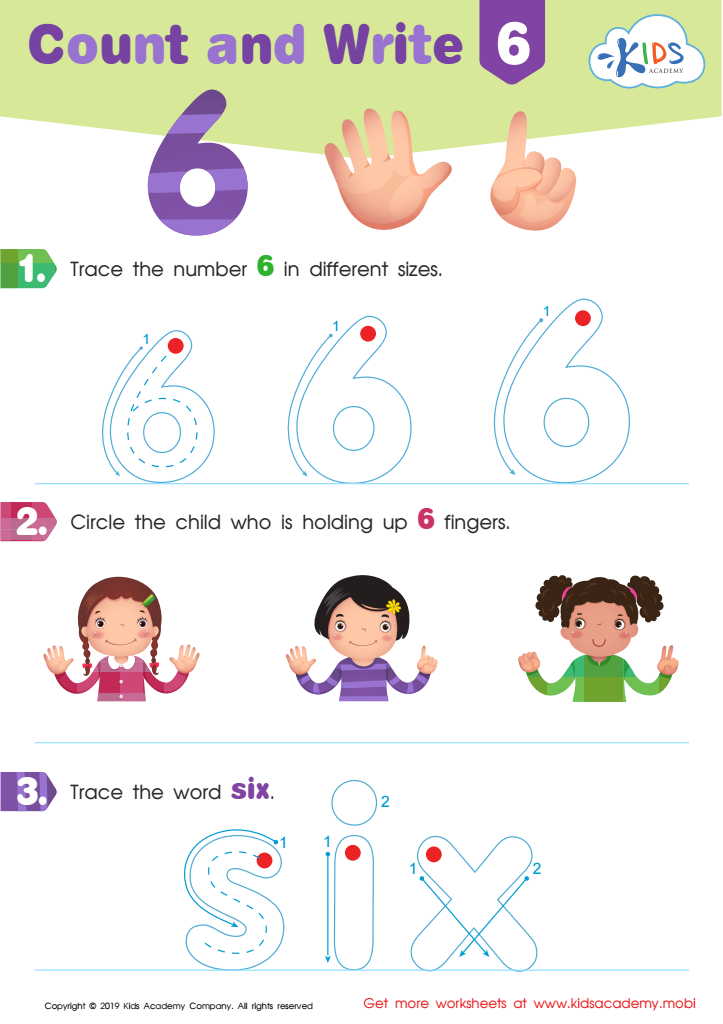
Count and Write 6 Worksheet
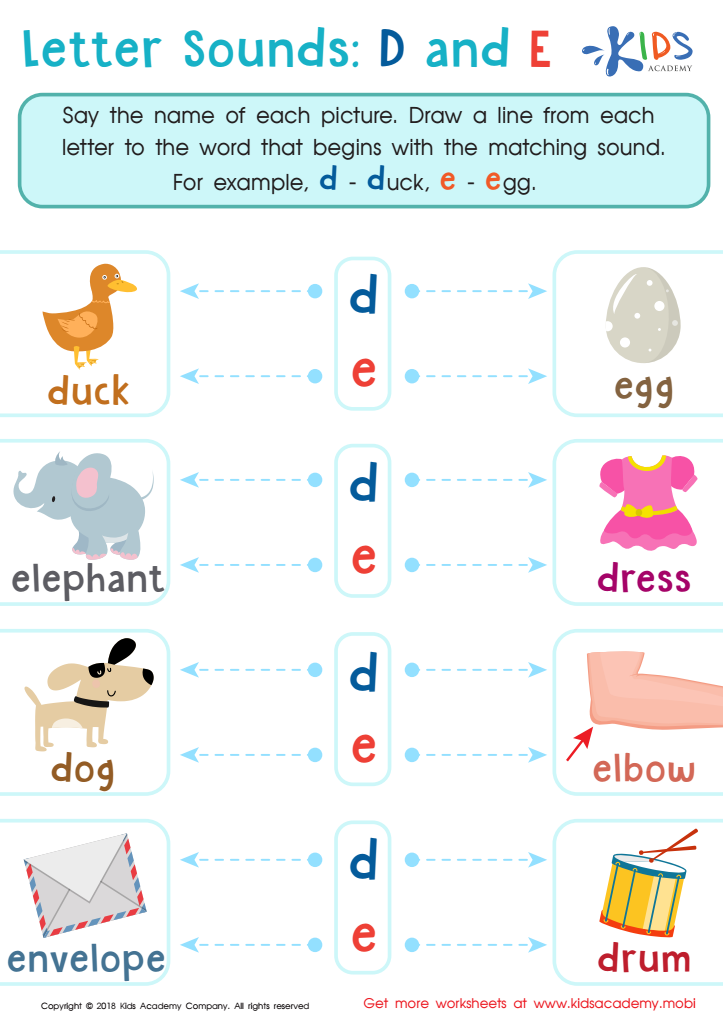
Letter D and E Sounds Worksheet
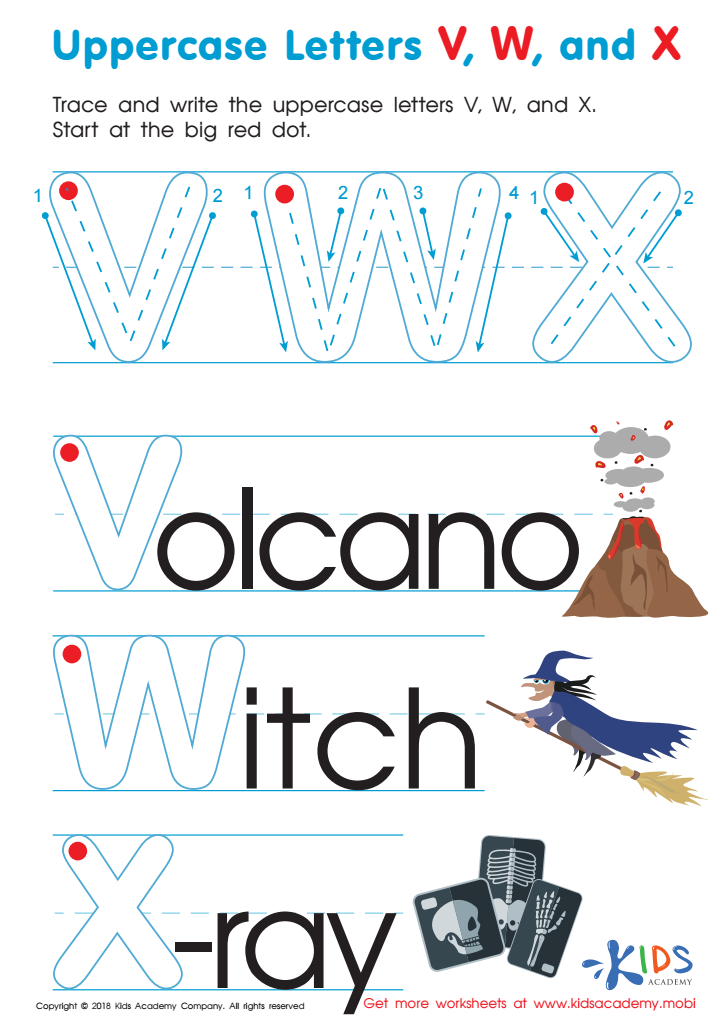
Uppercase Letters V, W, and X Worksheet
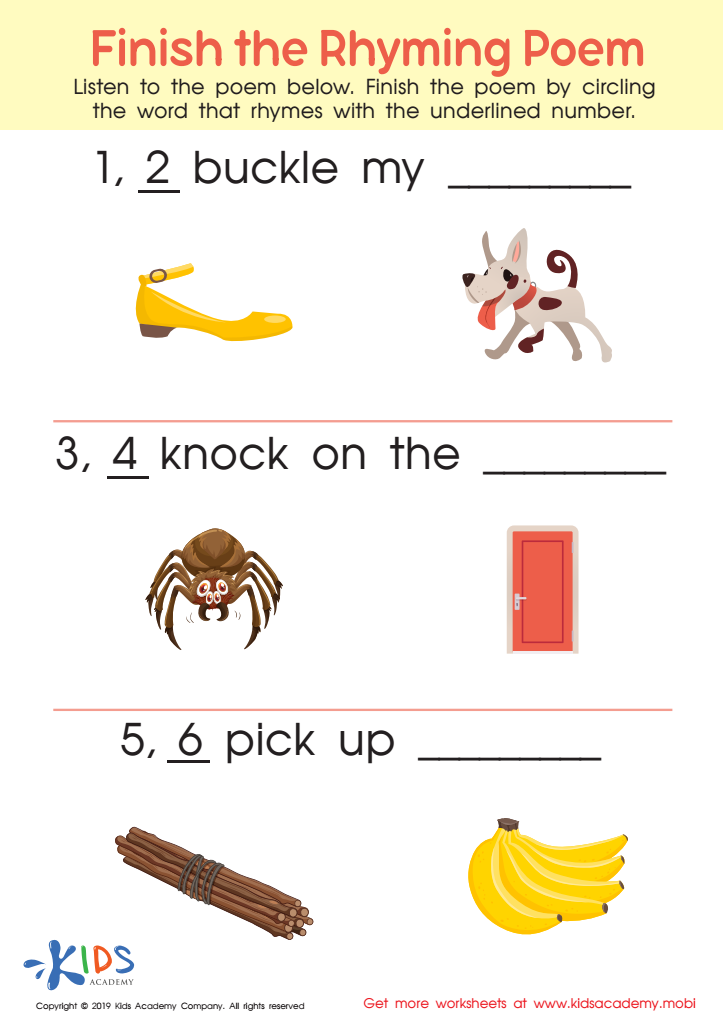
Finish Rhyming Poem Worksheet
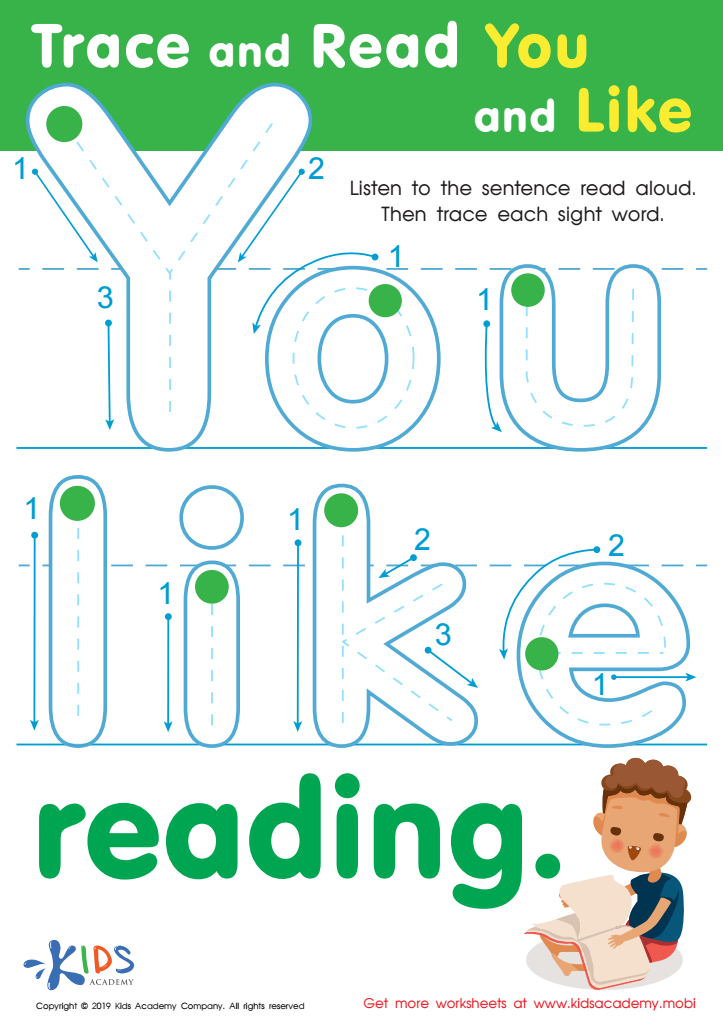
Trace Read You Like Worksheet







Handwriting practice for children aged 3-6 is crucial for several reasons. Firstly, it helps develop fine motor skills, which are essential for everyday tasks such as holding utensils, buttoning clothes, and using tools. When children practice writing, they strengthen the small muscles in their hands and fingers, improving their overall dexterity and coordination.
Secondly, handwriting impacts literacy development. Learning to form letters and words instills an understanding of how文字 are structured, supporting reading skills. This foundational knowledge enhances their ability to recognize and write letters, leading to increased confidence in their communication abilities.
Moreover, handwriting contributes to cognitive development. It engages both the left and right hemispheres of the brain, fostering creativity and critical thinking. As children practice letter formation, they improve their memory and processing skills, which are crucial for academic success.
Finally, establishing good handwriting habits early can prevent difficulties later on. With the digital age rising, writers often neglect proper technique; investing time in handwriting fosters a strong educational base that supports their transition to more complex writing tasks in the future. For parents and teachers, encouraging handwriting practice forms a significant part of a well-rounded educational approach to a child’s growth and development.








