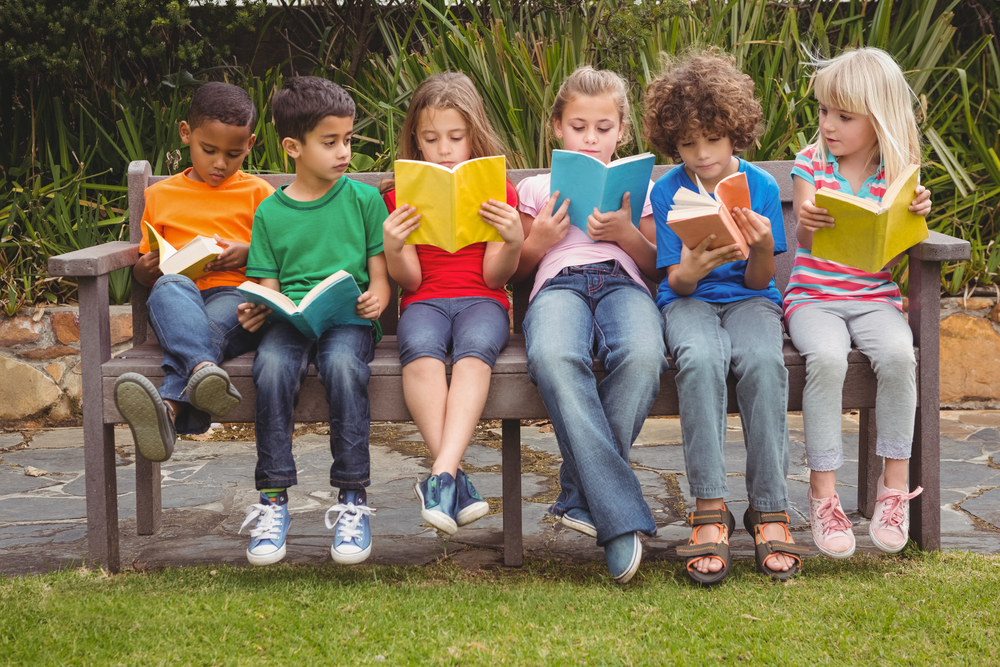
Welcome to our "Improve Reading Comprehension Normal Worksheets" designed specifically for children ages 3-6! Our engaging and colorful worksheets help young learners develop essential reading skills while having fun. Each exercise focuses on enhancing comprehension through interactive activities that encourage critical thinking, vocabulary building, and story recall. These worksheets cater to various learning styles, ensuring that every child can thrive. Perfect for parents and educators, our resources support early literacy development and promote a lifelong love for reading. Explore our collection and watch your child's confidence grow as they master reading comprehension skills!

Check out this FREE "Improve reading comprehension" Trial Lesson for age 3-6!

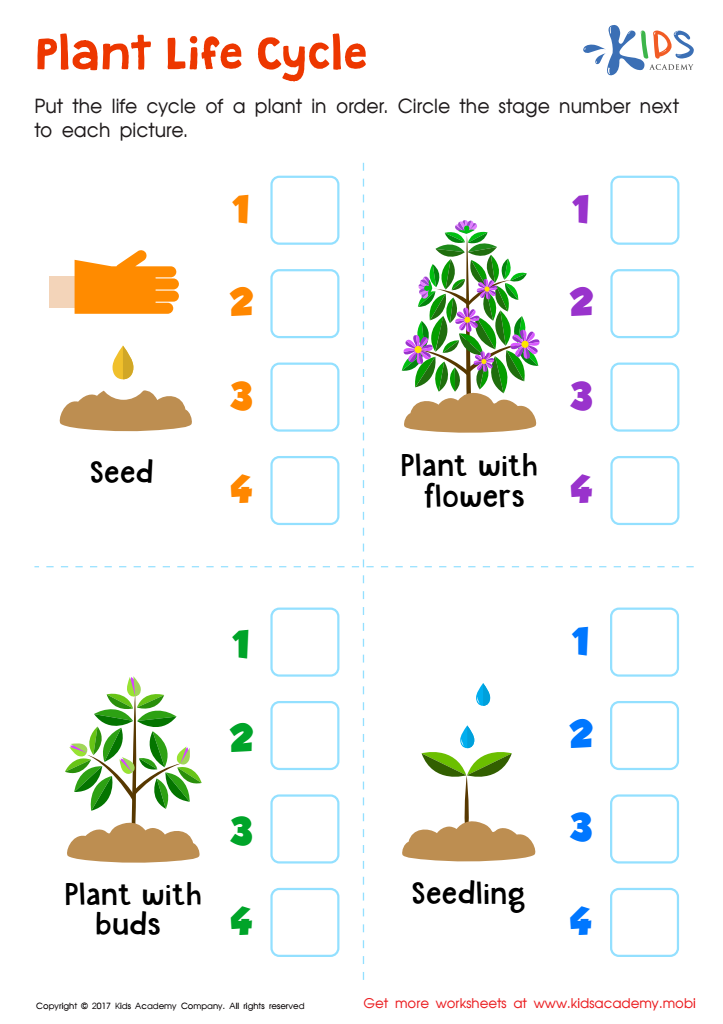
Plant Life Cycle

Favorites
With answer key
Interactive
  • 3-6
  • Improve reading comprehension
  • Normal
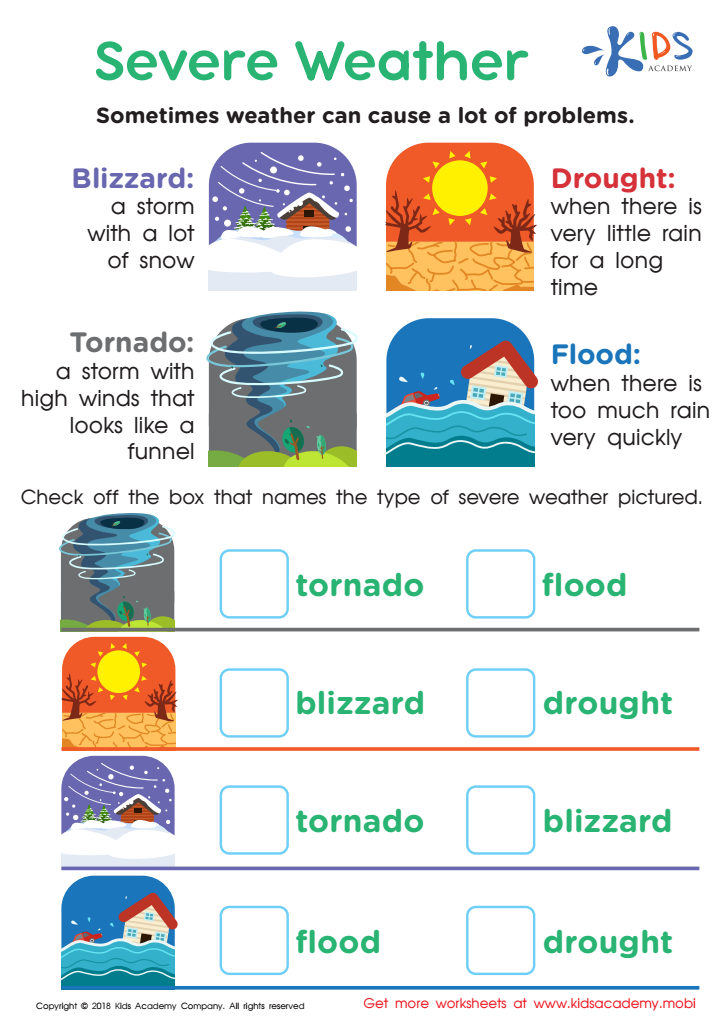
Severe Weather Worksheet

Severe Weather Worksheet

Weather can be dangerous, so teach your kids to stay safe with this interactive weather worksheet. Review the descriptions of tornadoes, blizzards, floods, and drought and match them with the colorful pictures. Tick the boxes to correctly identify each image and complete the sheet.
Severe Weather Worksheet
Worksheet
Plant life cycle worksheet

Plant Life Cycle Printable

Let kids explore plants' growth stages with this fun plant life cycle worksheet! They'll strengthen their sequencing skills by ordering the cycle from seed to flower. Make the learning experience even more memorable by growing a flower afterward.
Plant Life Cycle Printable
Worksheet
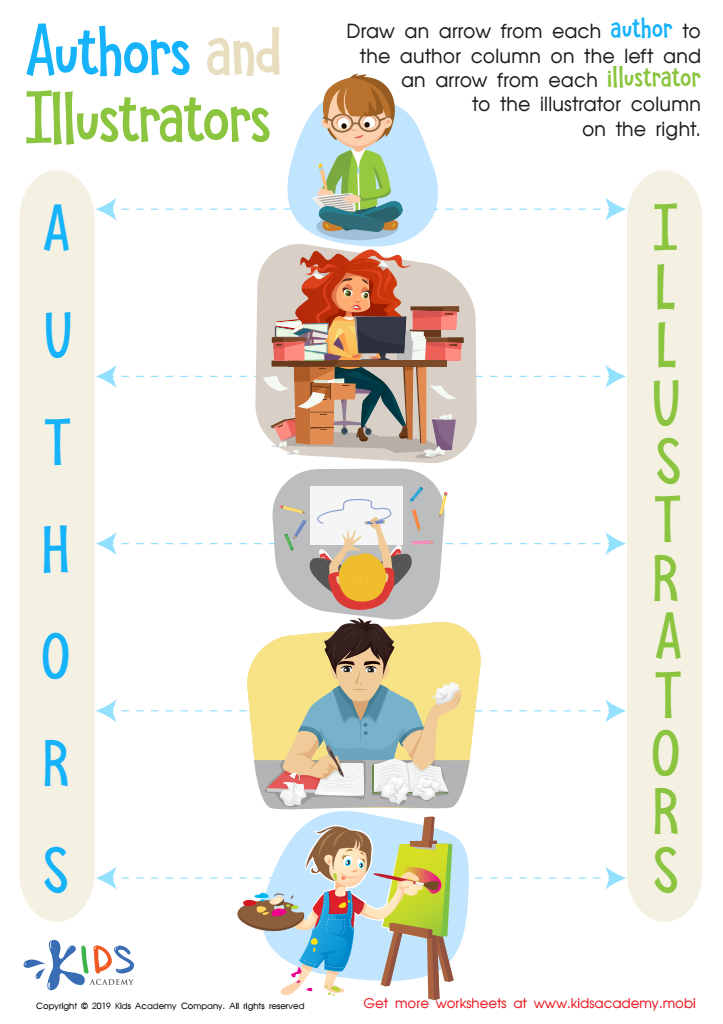
Authors and Illustrators Worksheet

Authors and Illustrators Worksheet

This free PDF provides a simple and fun way to understand the roles of authors and illustrators for beginning readers. It offers concrete pictures of what each one does and traceable lines for children to decide whether they are an author or an illustrator. It will help build their critical thinking skills and foster a better understanding of the book-making process.
Authors and Illustrators Worksheet
Worksheet
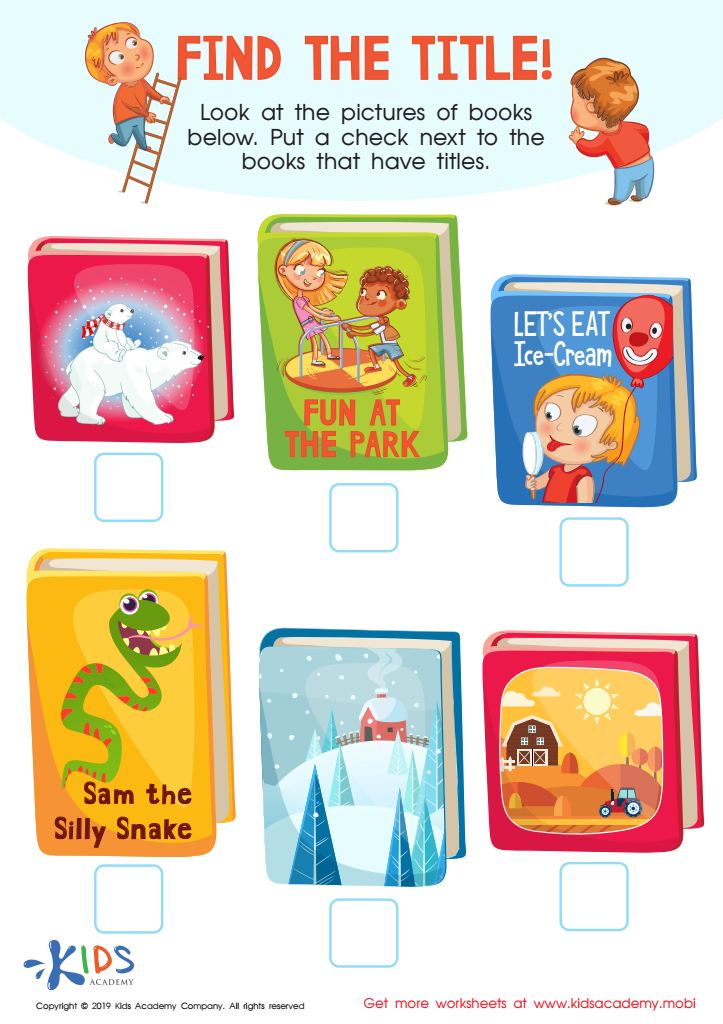
Find the Title Worksheet

Find the Title Worksheet

Help your kids to identify the colors of the books on this worksheet. Ask them to spot the differences between the six books, such as which ones have titles printed on their covers. Ask them to put a check next to the books with titles. This activity will promote your kids' thinking skills.
Find the Title Worksheet
Worksheet
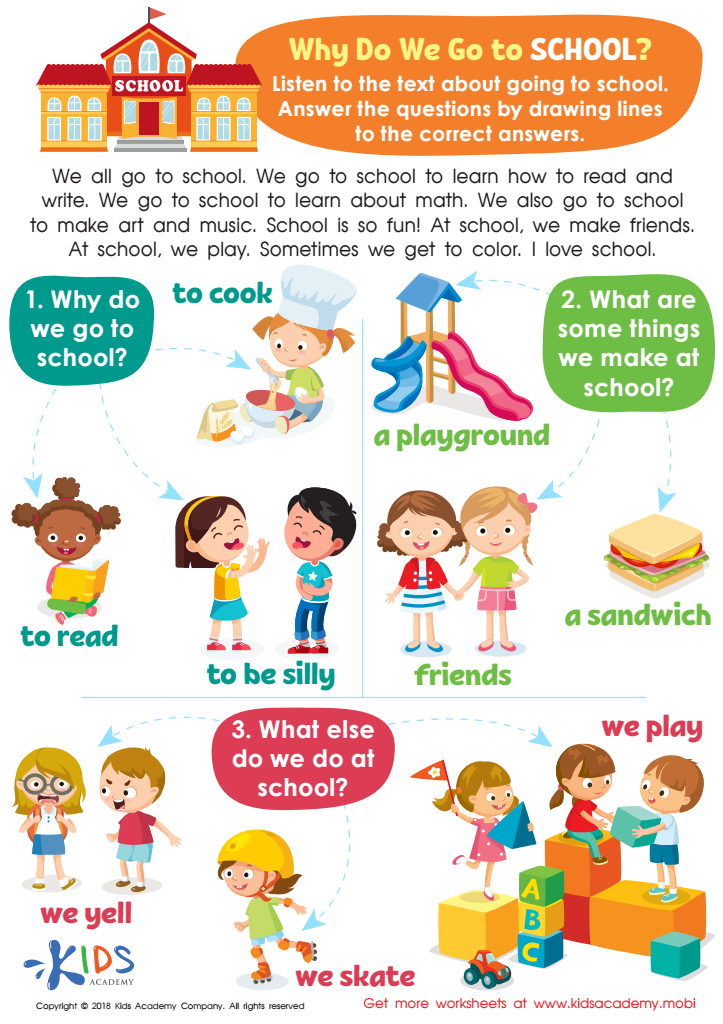
Why Do We Go To School? Worksheet

Why Do We Go To School? Worksheet

Ask your kids why they go to school and what they learn. Explain that some schools specialise in certain subjects like music or art. Show them the pictures and help them answer the questions by drawing lines to the correct answers. School is important and helps us learn, even though it may not feel enjoyable at times.
Why Do We Go To School? Worksheet
Worksheet
More About Abraham Lincoln Worksheet

More About Abraham Lincoln Worksheet

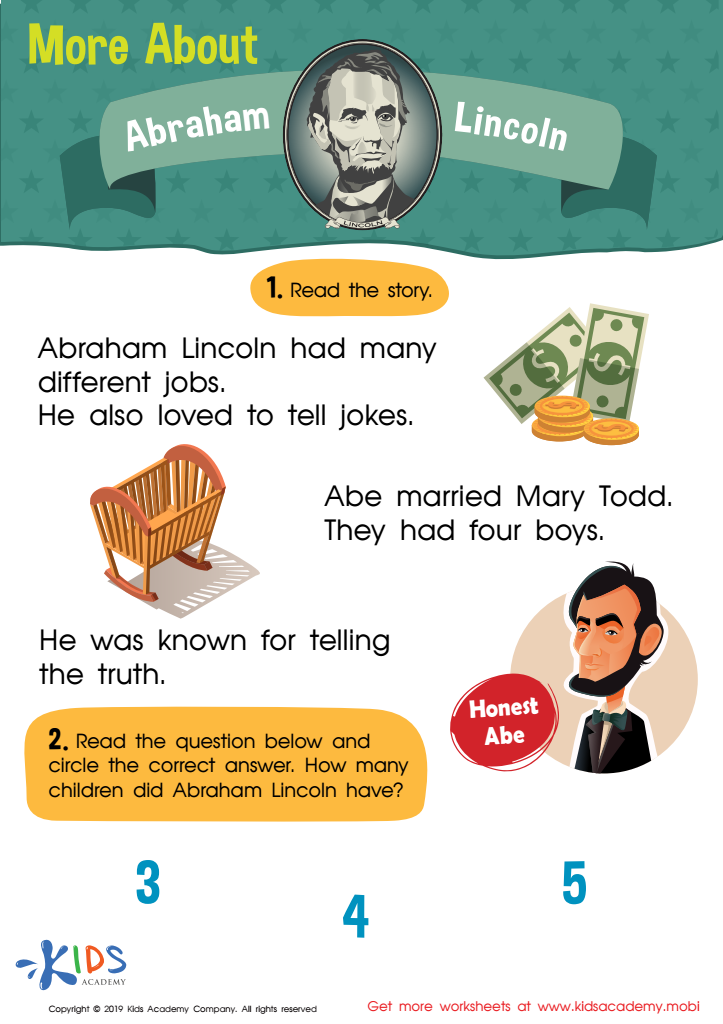
Read the short story in the worksheet with your kids. Show them the pictures representing the sentences, then ask the questions and help them circle the correct answer. Make sure they are actually paying attention and learning from the stories.
More About Abraham Lincoln Worksheet
Worksheet
First Person Worksheet

First Person Worksheet

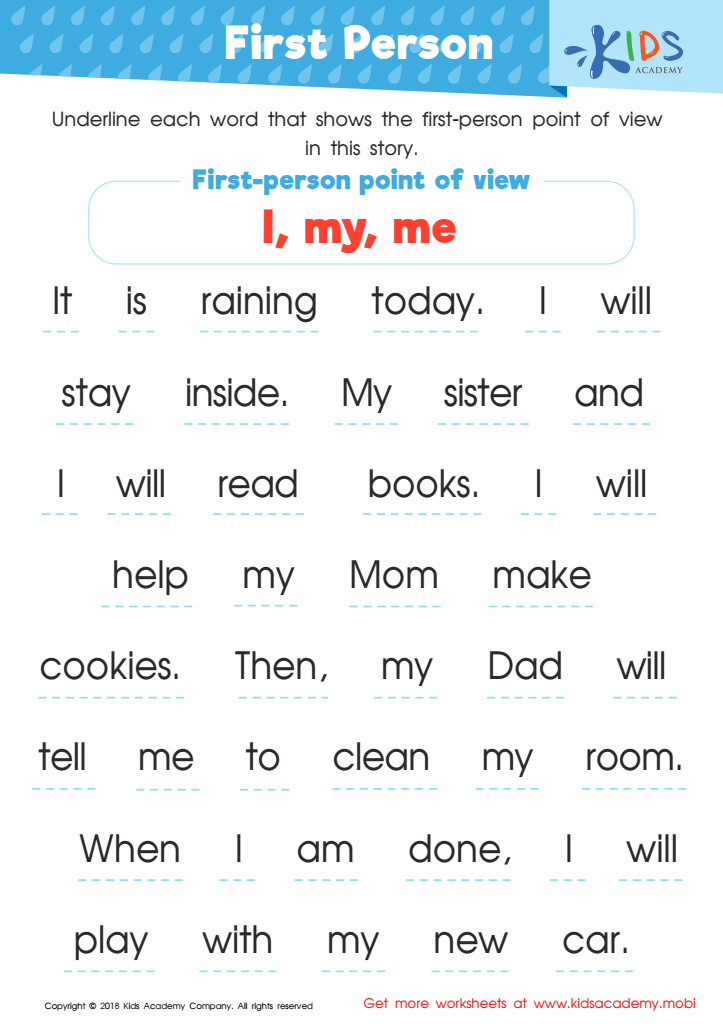
Teachers help students understand and recognize why authors choose different points of view. This worksheet focuses on first person point of view and its pronouns (I, me and my). Students will read a story, then circle each first-person pronoun. Through this activity, they'll practice identifying the POV in a text.
First Person Worksheet
Worksheet


Improving reading comprehension for children aged 3-6 is vital for their overall developmental success. At this age, children are developing foundational literacy skills that not only impact their proficiency in reading but also influence their cognitive and social growth. When parents and teachers prioritize reading comprehension, they foster a love for reading that can last a lifetime.

Strong reading comprehension helps young learners understand stories, retell them accurately, and relate them to their own experiences, promoting critical thinking and creativity. Engaging in discussions about books bolsters vocabulary acquisition, leading to better language skills and communication abilities. This early emphasis on comprehension aids in developing concentration, attention span, and the capacity for empathy, as they learn to see through the eyes of characters.

Furthermore, children who grasp reading materials early on tend to perform better academically in later years, positioning them for success in school. Support from parents and teachers in guiding reading practices can create a supportive learning environment, initiating a cycle of curiosity and exploratory learning. Ultimately, nurturing reading comprehension in early childhood sets the groundwork for lifelong learning and academic achievement, making it a fundamental area of focus for caregivers and educators.