Improve reading skills Normal Worksheets for Ages 3-6
6 filtered results
-
From - To
Enhance your child's reading skills with our engaging and diverse Normal Worksheets designed for kids aged 3-6. These worksheets are perfect for early learners, providing a fun and interactive way to develop essential literacy skills. Each worksheet is tailored to challenge young minds, featuring vibrant images, simple words, and relatable themes that capture children's interest. From letter recognition to phonics exercises, our resources support foundational reading techniques alongside comprehension activities. Foster a love for reading in your little one while preparing them for future academic success. Explore our collection and watch your child flourish as they improve their reading abilities today!
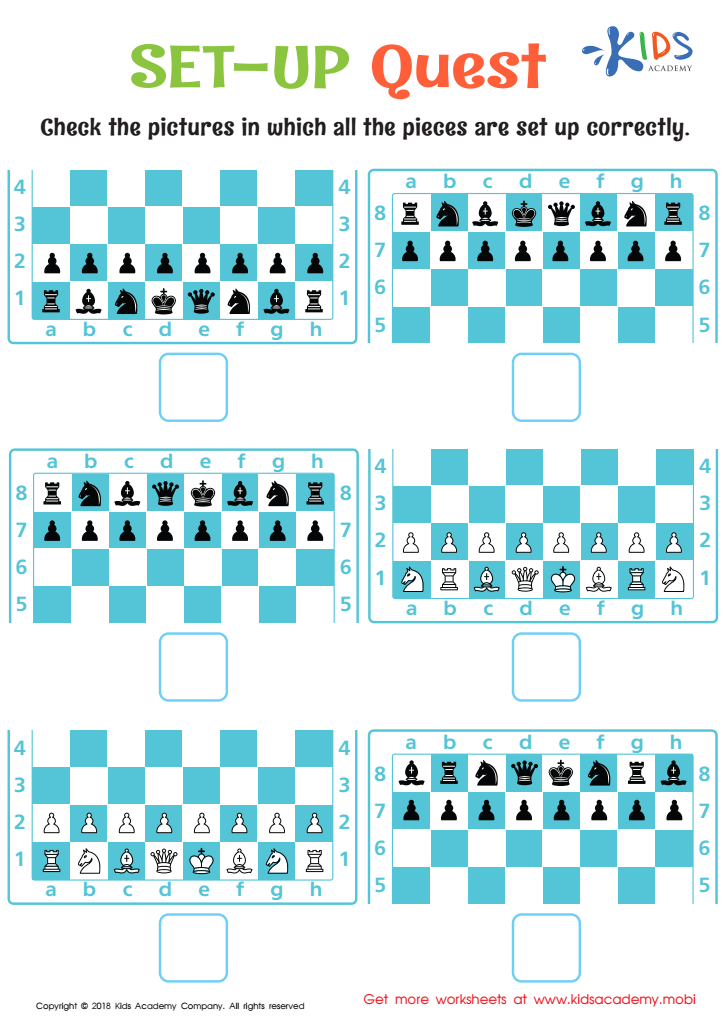
Set-up Quest Worksheet
 Assign to My Students
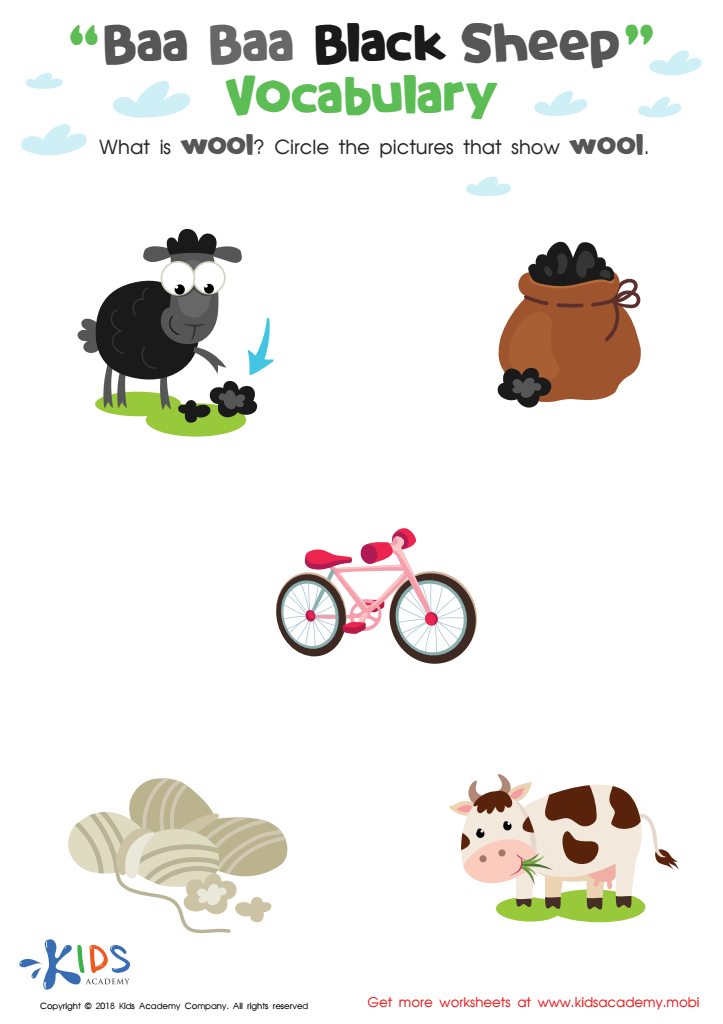
Baa Baa Black Sheep: Vocabulary Worksheet
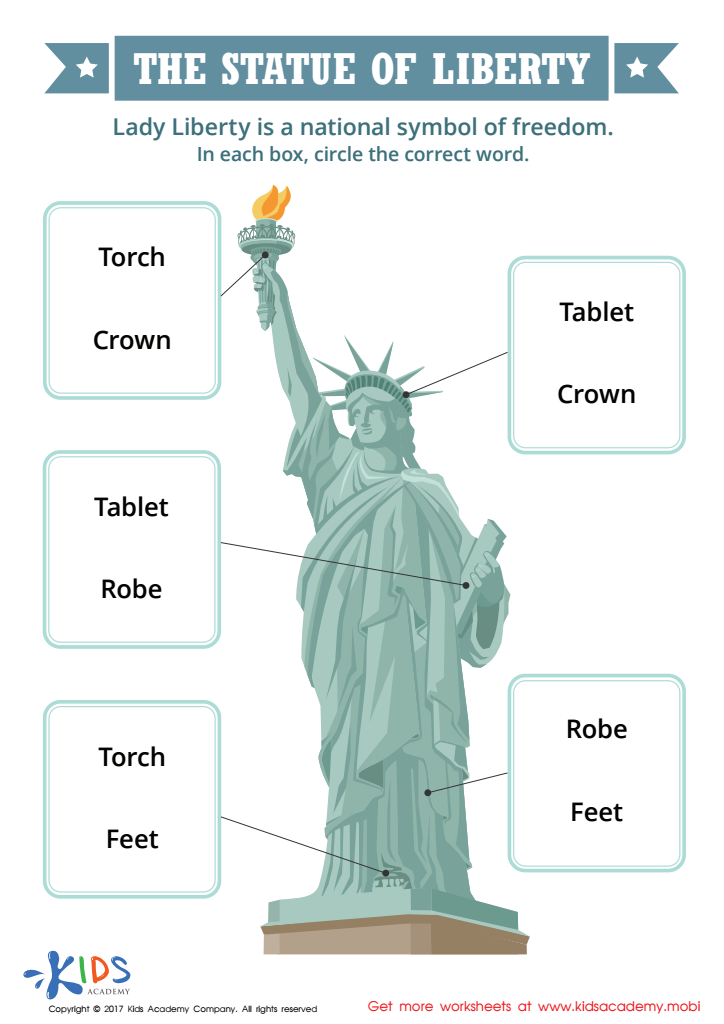
The Statue of Liberty Printable
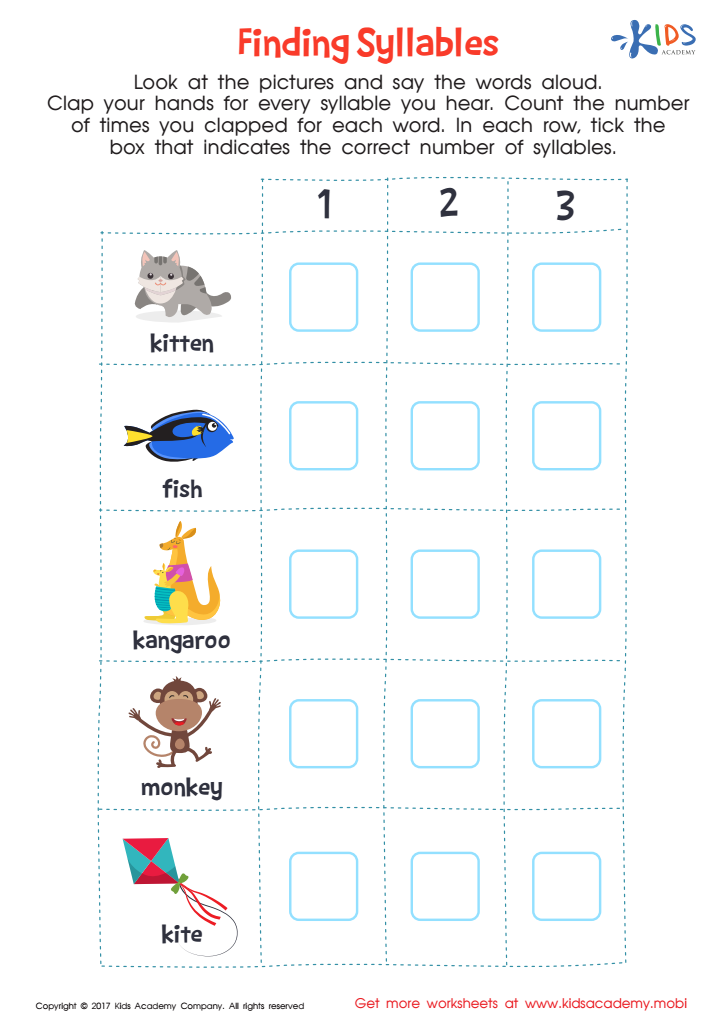
Finding Syllables Word Structure Worksheet
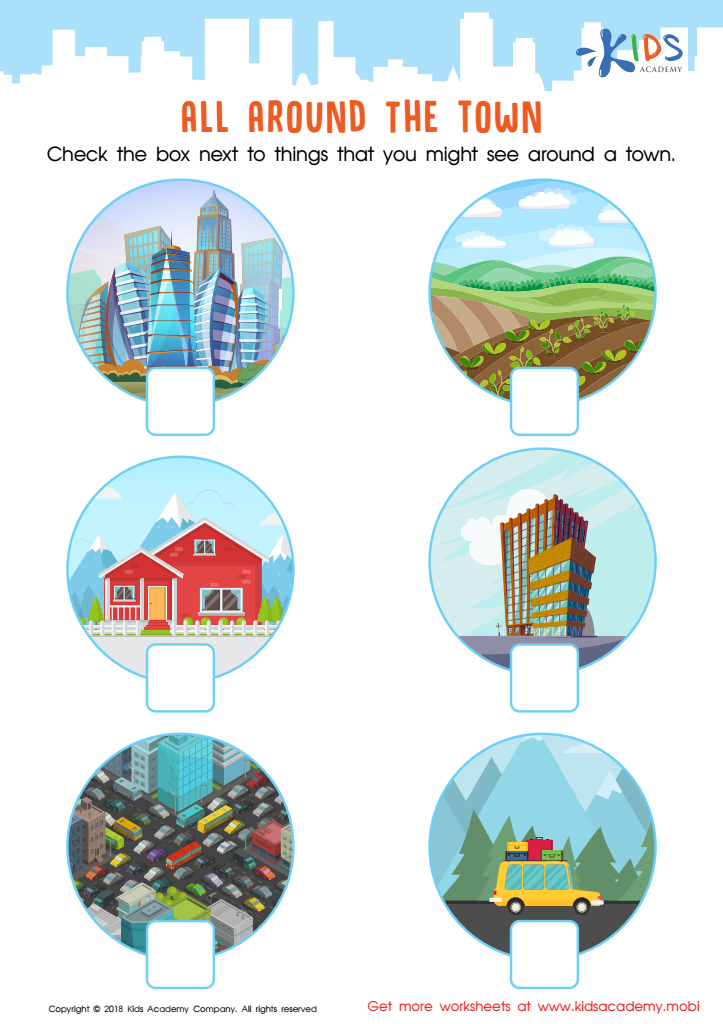
All Around the Town Worksheet

Christmas Holiday Worksheet








Improving reading skills in children aged 3-6 is crucial for their overall development and future success. At this early age, children's brains are like sponges, soaking up information and building the foundational skills they need for learning. Early reading experiences significantly influence language acquisition, vocabulary expansion, and comprehension abilities, all of which are essential for academic achievement.
When parents and teachers prioritize reading, they help foster a love for books, instilling a lifelong passion for learning. Reading together promotes bonding and communication, creating a nurturing environment where children feel supported as they explore new ideas. Engaging children's imaginations through stories enhances their creativity, critical thinking, and problem-solving skills.
Furthermore, strong reading skills provide essential tools for social interaction and emotional understanding, helping young children navigate their experiences and developing empathy. Early literacy also reduces the risk of academic struggles later in life, as children who read well are more likely to excel throughout their education.
In summary, attention to reading skills during the crucial ages of 3-6 lays the groundwork for holistic development, ensuring children thrive both academically and personally. By investing in this early learning stage, parents and teachers can make a lasting positive impact on a child's future.








