Problem-solving abilities Normal Worksheets for Ages 3-6
12 filtered results
-
From - To
Enhance your child's problem-solving abilities with our specialized worksheets designed for ages 3-6. These engaging, age-appropriate activities encourage young learners to think critically and develop essential reasoning skills through fun challenges. Our worksheets cover a variety of scenarios that prompt children to identify solutions, make connections, and use logic in their everyday experiences. Each activity fosters creativity and instills confidence as kids learn to tackle problems independently. Ideal for home or classroom use, these normal worksheets help cultivate a strong foundation in cognitive skills, making learning enjoyable and effective. Explore our collection today and watch your child's problem-solving skills flourish!
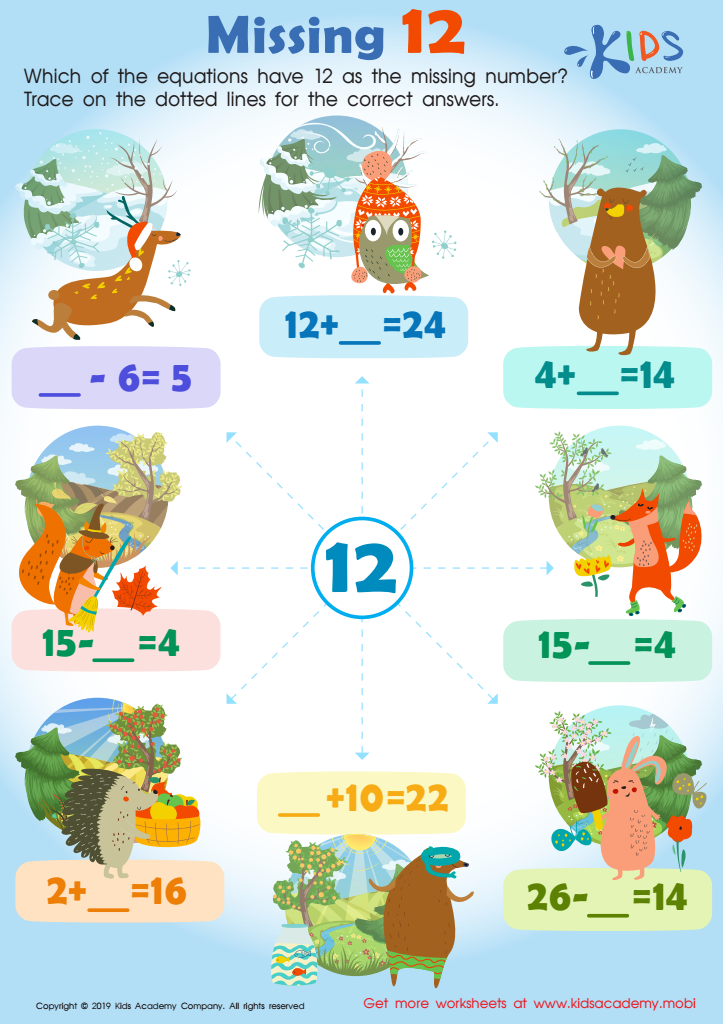
Missing 12 Worksheet
 Assign to My Students
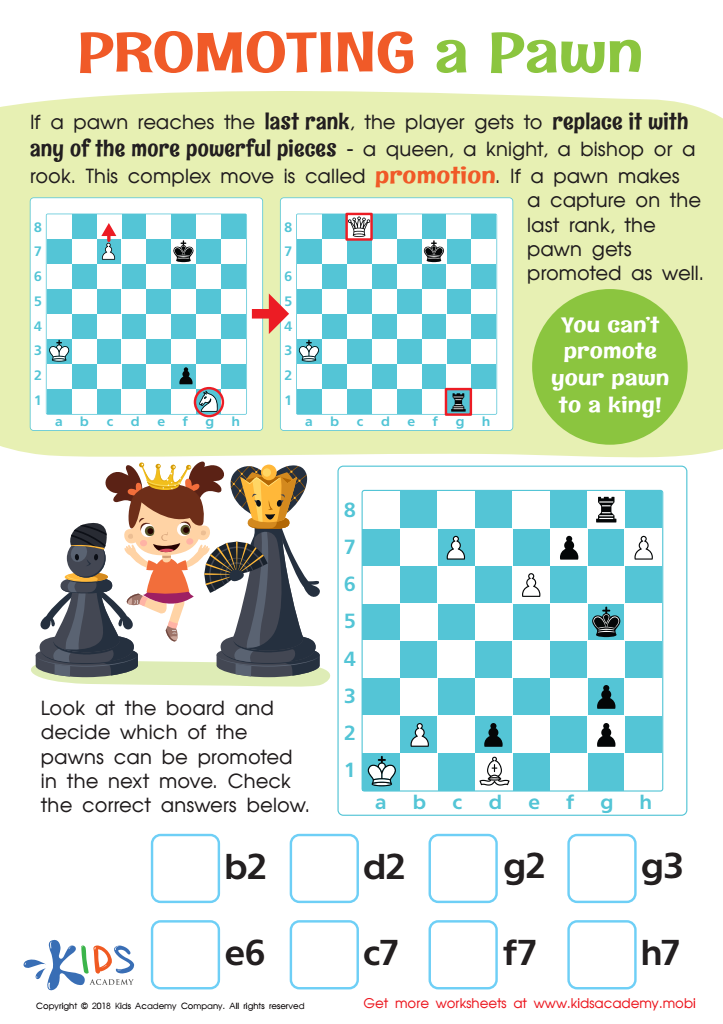
Promoting a Pawn Worksheet
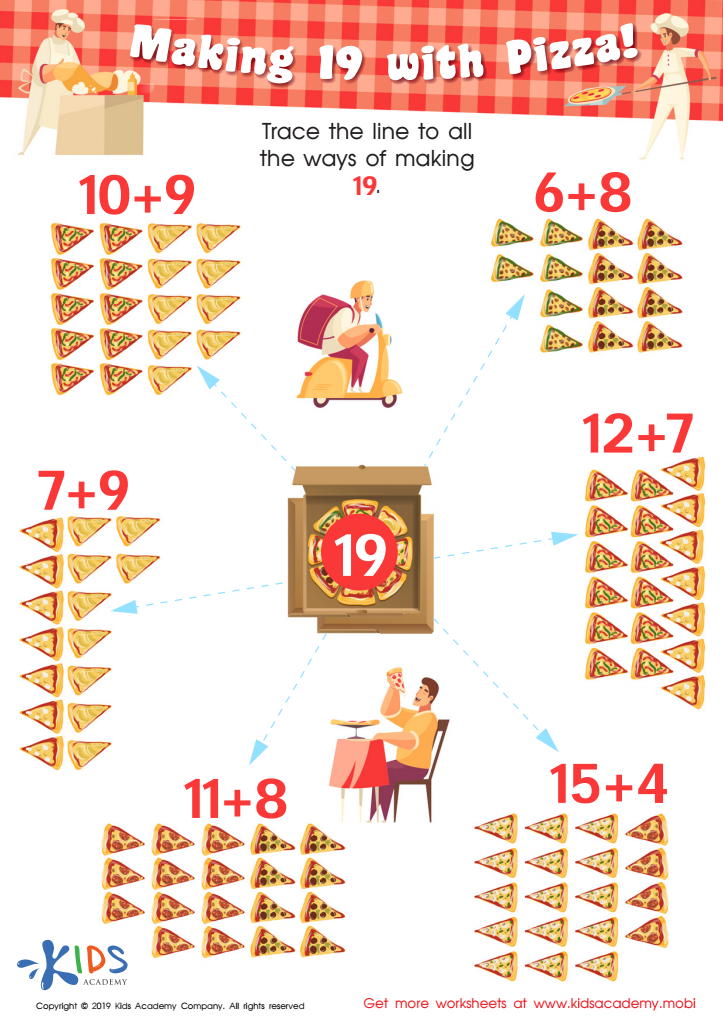
Making 19 with Pizza! Worksheet
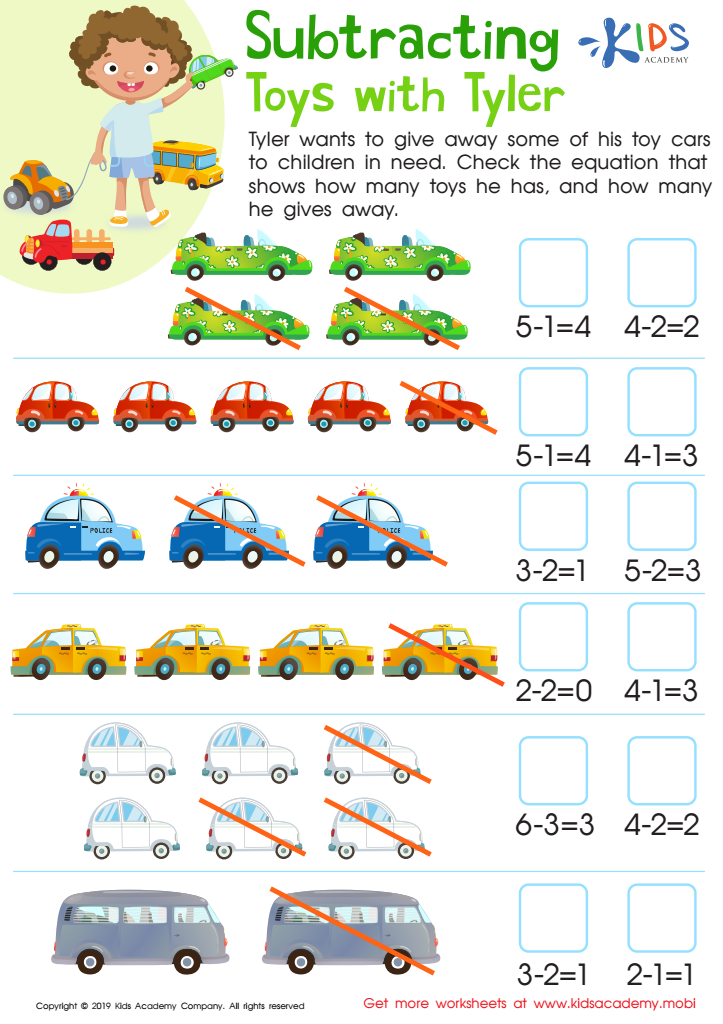
Subtracting Toys with Tyler Worksheet

Adding at the Hospital Worksheet
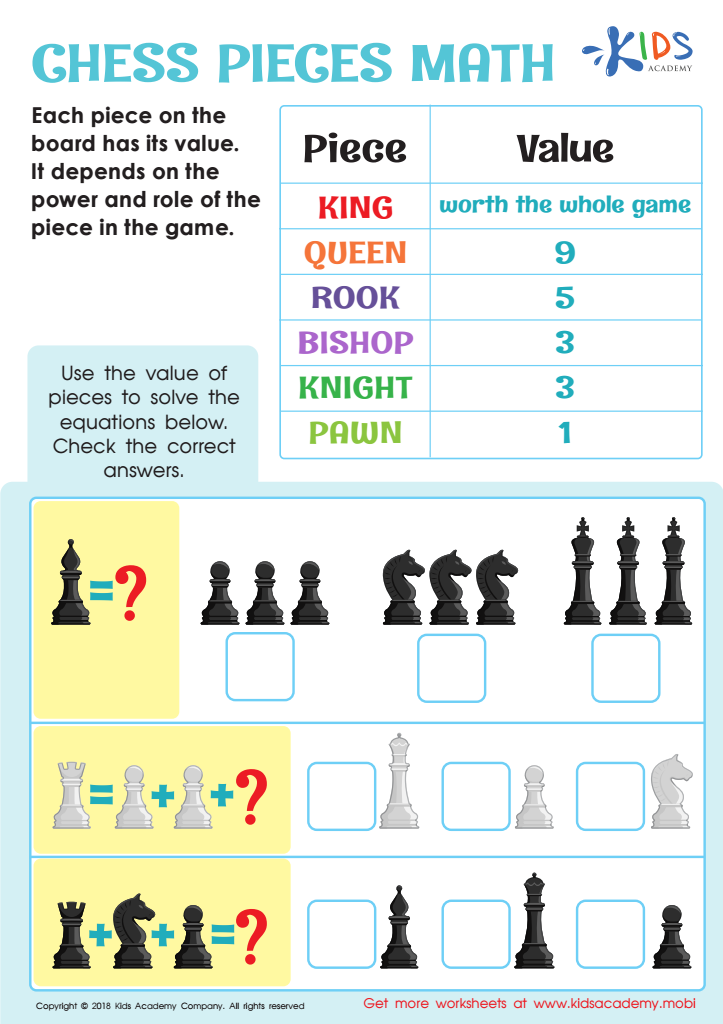
Chess Pieces Math Worksheet
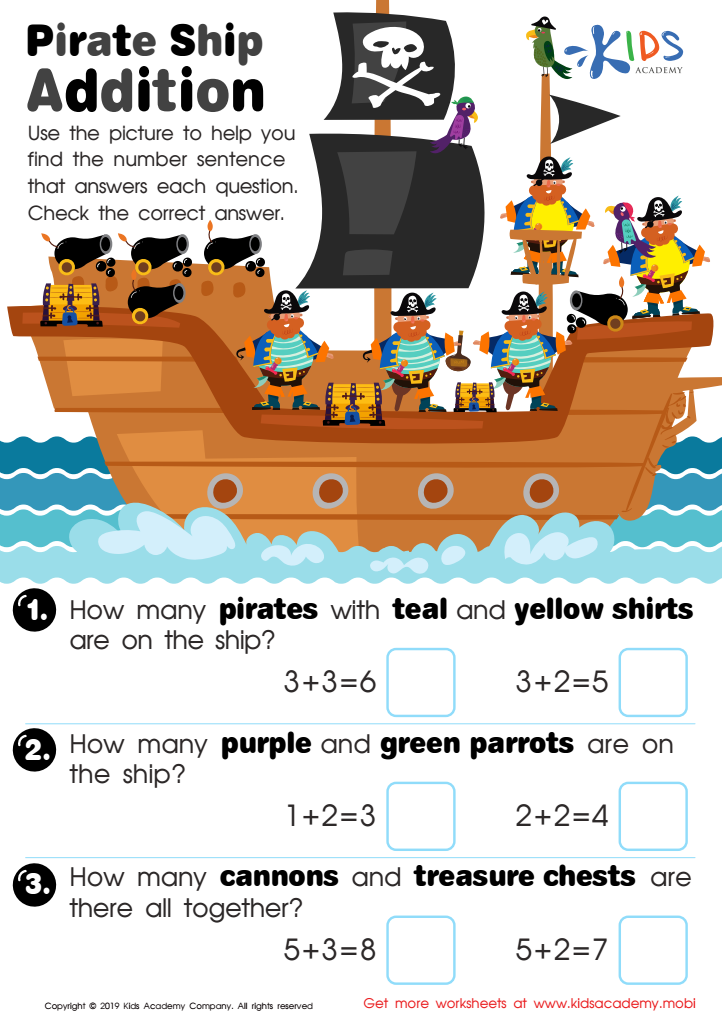
Pirate Ship Addition Worksheet
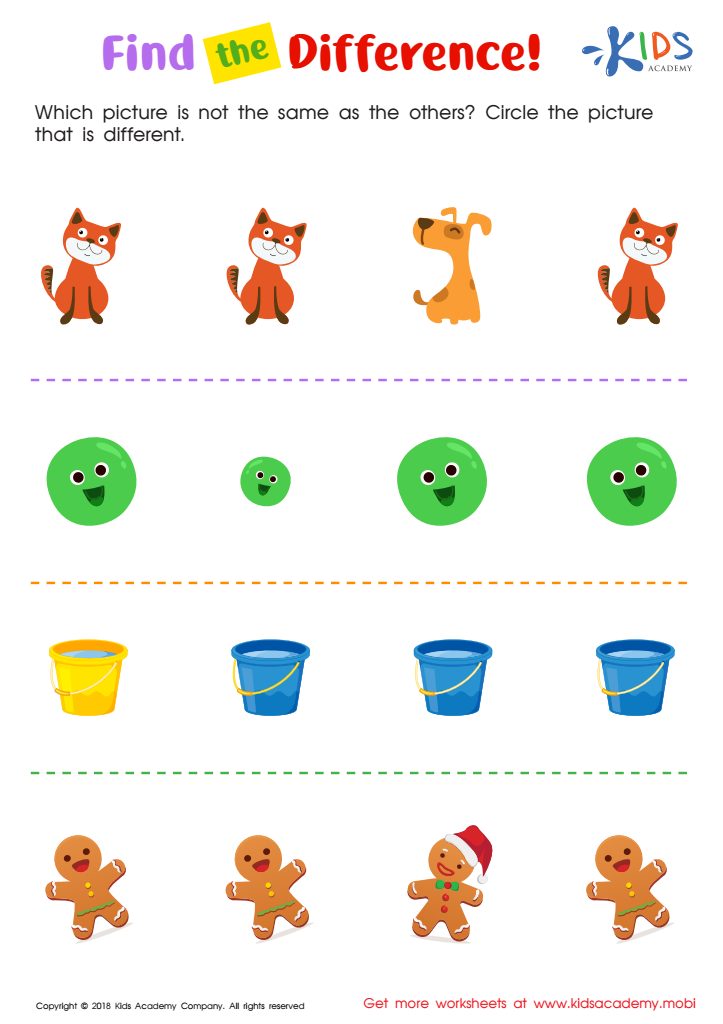
Find the Difference Worksheet
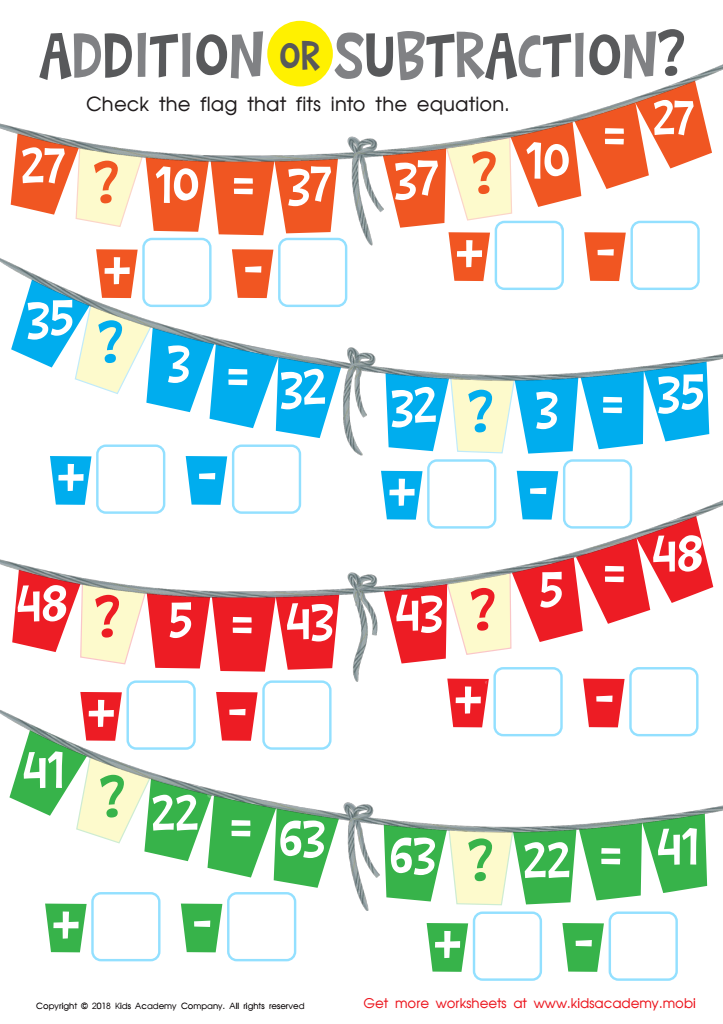
Addition or Subtraction? Worksheet
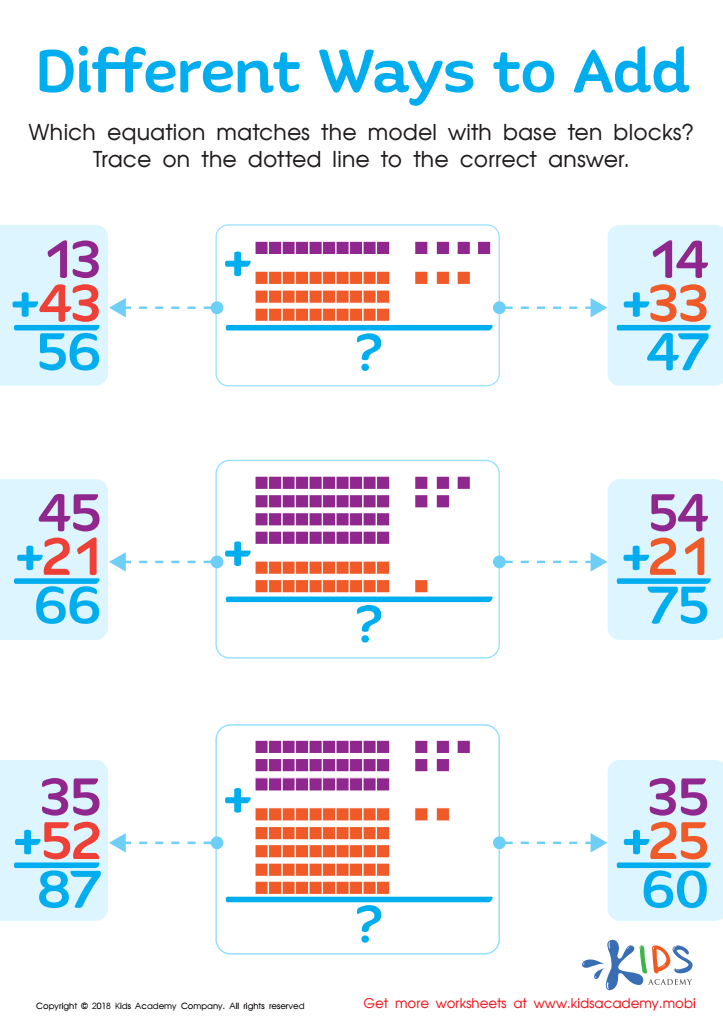
Different Ways to Add Worksheet
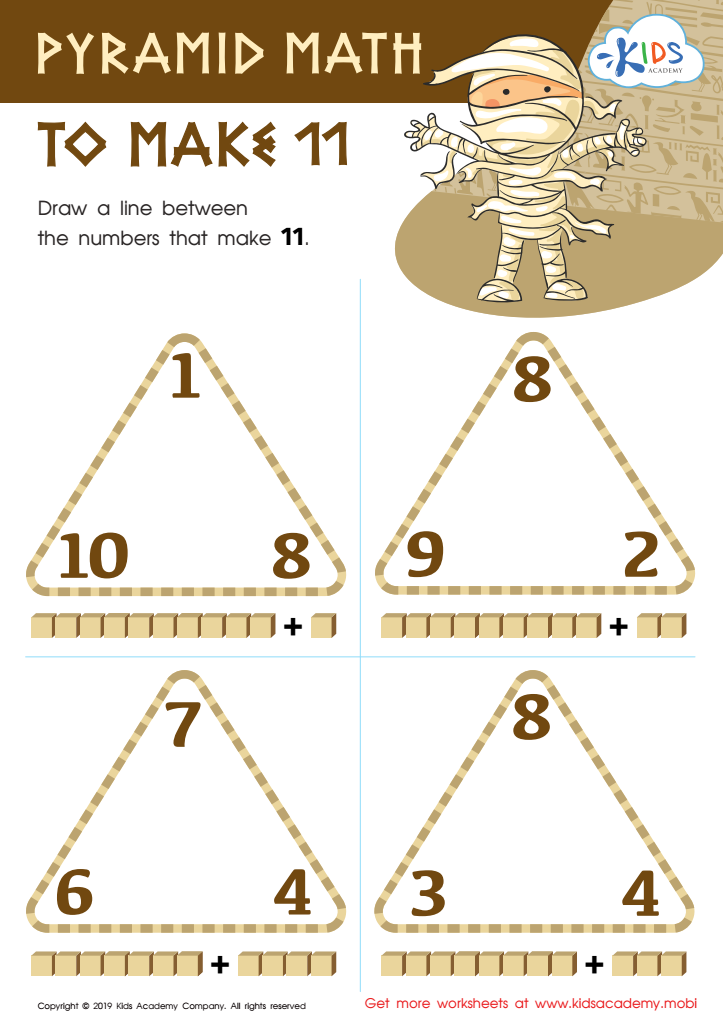
Pyramid Math to Make 11 Worksheet








Problem-solving abilities are crucial for children ages 3-6 as they lay the foundation for critical thinking and independent learning. Developing these skills at an early age fosters cognitive growth by helping children learn how to analyze situations, evaluate options, and formulate solutions. At this stage, children are naturally curious and engage actively with their environment. Encouraging them to solve problems nurtures this curiosity and makes learning enjoyable.
For parents and teachers, nurturing children's problem-solving abilities can lead to greater emotional and social development. As children navigate challenges, they learn essential life skills such as patience, resilience, and collaboration. When children engage in group activities or play, they practice negotiating solutions, which enhances their communication skills.
Additionally, these skills are closely connected to academic success later in life. Early exposure helps children become more confident and motivated learners. By supporting problem-solving activities—be it through puzzles, constructive play, or guided exploration—adults can significantly influence a child’s ability to adapt to new situations, face challenges, and pursue knowledge independently. Ultimately, cultivating these skills in young children ensures they develop into resourceful and capable individuals, ready to thrive in an increasingly complex world.








