Understanding ecosystems Normal Worksheets for Ages 3-6
5 filtered results
-
From - To
"Understanding Ecosystems Normal Worksheets for Ages 3-6" offer engaging and age-appropriate activities designed to introduce young learners to the basics of ecosystems. These vibrant, fun-filled worksheets help children understand different habitats, various animal behaviors, and plant life. Through exciting visuals and simple explanations, kids explore the connections between living and non-living things in nature. Perfect for early learners, these educational worksheets foster curiosity and a love for the environment, ensuring foundational knowledge in a playful, interactive manner. Dive into the world of ecosystems and watch your child learn, grow, and appreciate the wonders of nature.
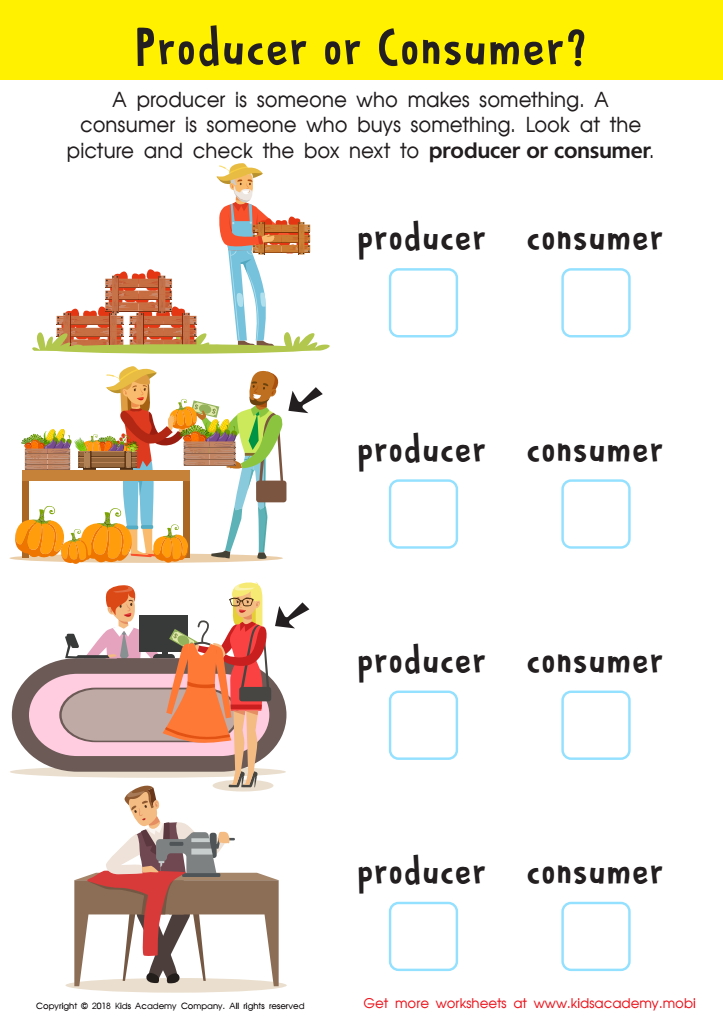
Producer or Consumer? Worksheet
 Assign to My Students
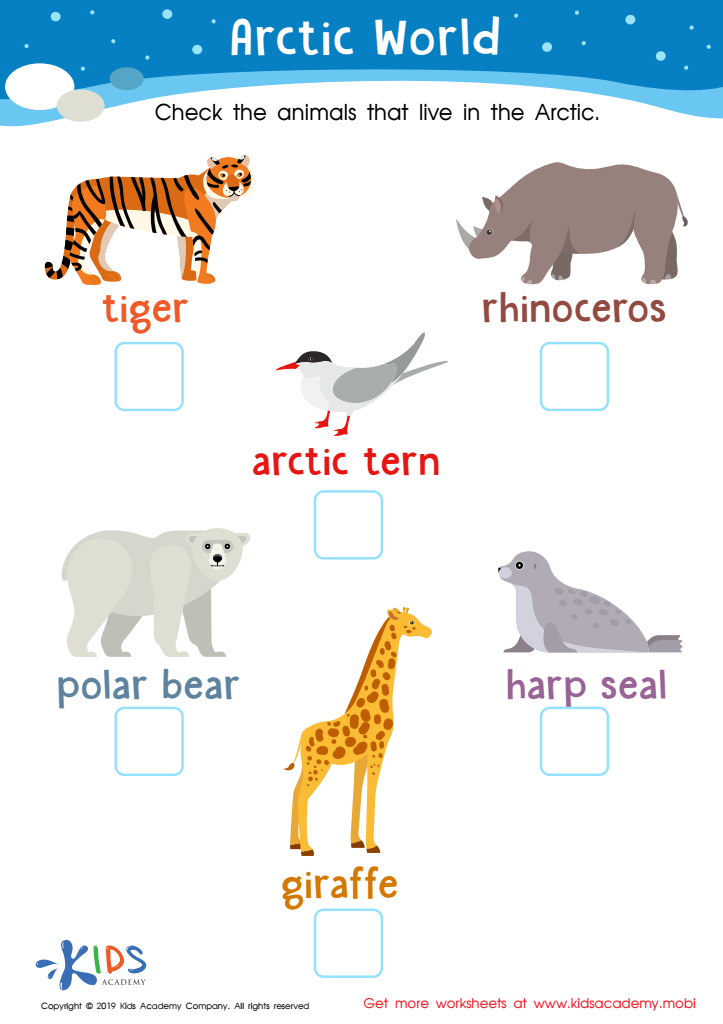
Arctic World Worksheet
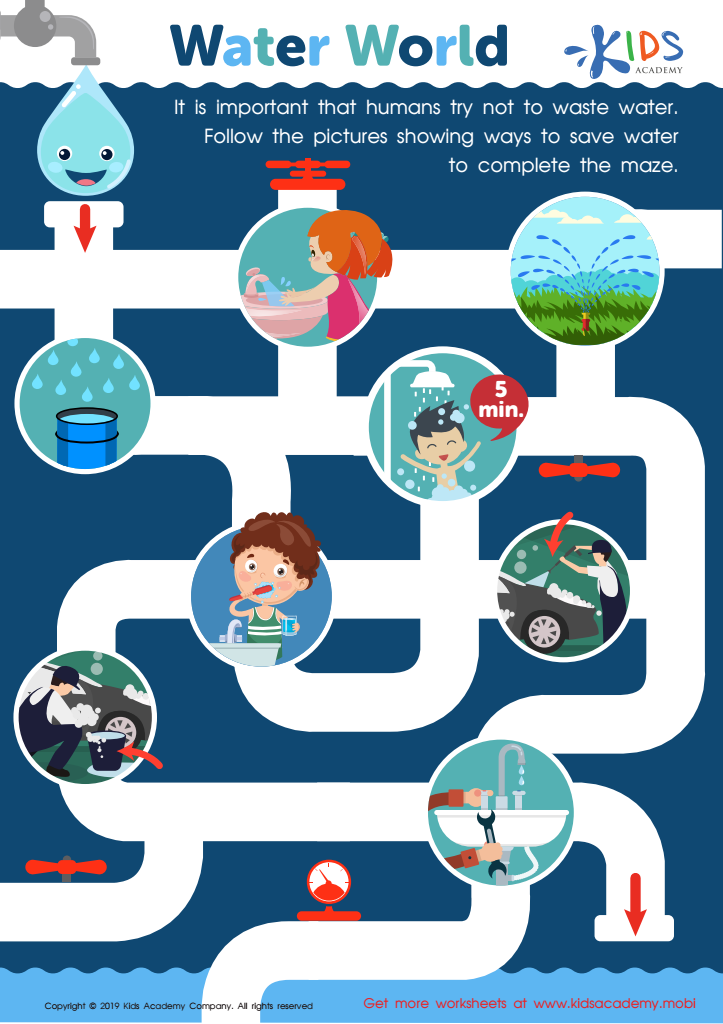
Water World Worksheet
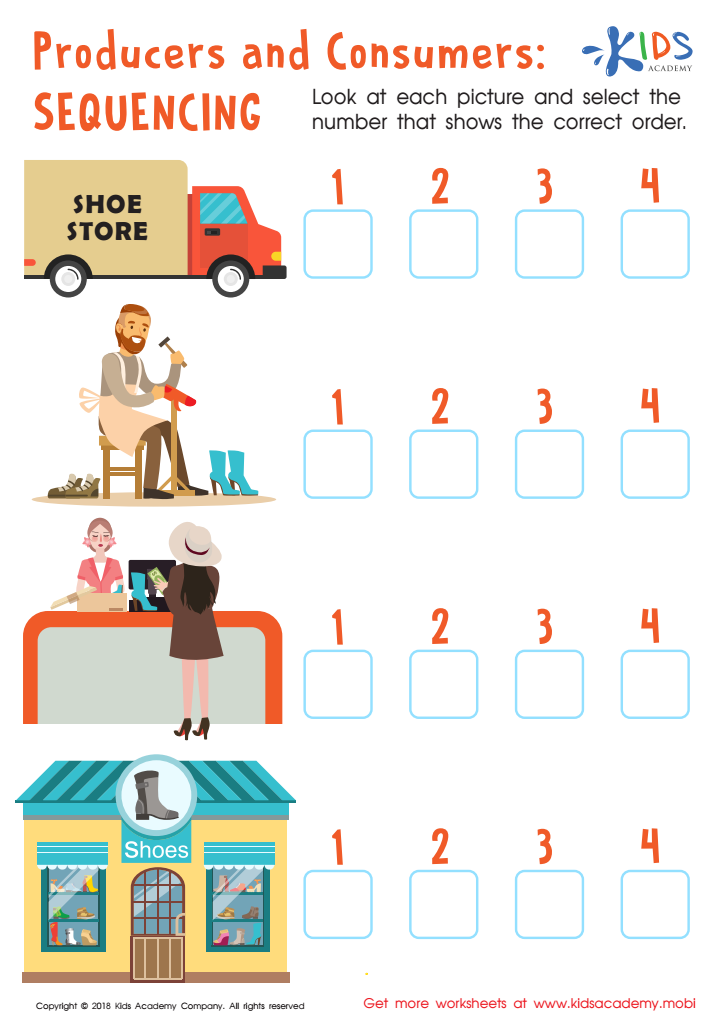
Producers and Consumers: Sequencing Worksheet
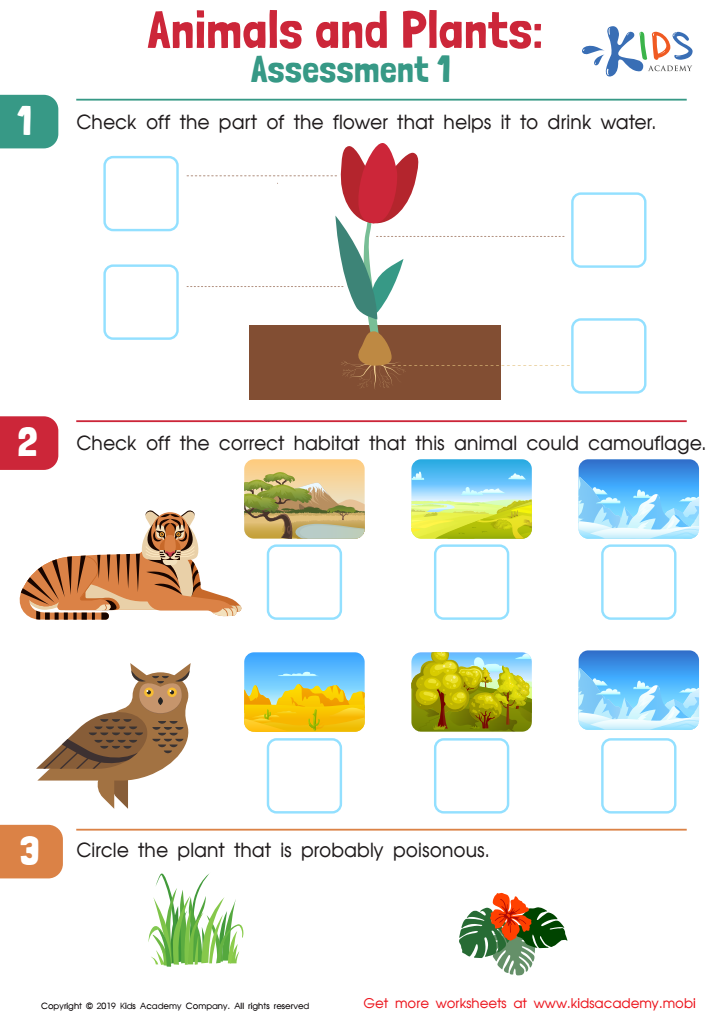
Animals and Plants: Assessment 1 Worksheet







Teaching young children, ages 3-6, about ecosystems is crucial for several reasons. Firstly, fostering an early appreciation for nature instills environmental stewardship. By understanding how plants, animals, and humans interact within an ecosystem, children learn the value of protecting their surroundings. This lays the foundation for responsible behavior towards the environment as they grow.
Secondly, learning about ecosystems boosts cognitive and observational skills. As children explore concepts like food chains, habitats, and the balance of nature, they cultivate curiosity and analytical thinking. These skills are foundational for academic success in science and other subjects.
Emotionally, lessons about ecosystems foster empathy. Understanding that living organisms depend on each other allows children to form a compassionate worldview, recognizing the interconnectedness of life. This empathy extends to interactions with peers, promoting social harmony and cooperation.
Additionally, engaging with ecosystems can be a hands-on, curiosity-driven learning experience. Activities like nature walks, observing insects, and planting gardens are not only fun but also grounding, promoting physical well-being and outdoor activity, which has been shown to improve concentration and reduce stress.
Ultimately, educating young children about ecosystems nurtures well-rounded, environmentally conscious individuals who are better equipped to face future ecological challenges. By investing in this early understanding, parents and teachers pave the way for a healthier planet and more empathetic global citizens.








