Understanding habitats Normal Worksheets for Ages 3-6
6 filtered results
-
From - To
Discover the joy of learning with our "Understanding Habitats" Normal Worksheets designed for children ages 3-6! These interactive and engaging worksheets introduce young learners to various habitats such as forests, oceans, and deserts. With colorful illustrations and simple activities, children will explore the diverse environments and the animals that inhabit them. Perfect for early education, these worksheets help develop key skills such as observation, critical thinking, and creativity. Encourage your child's curiosity about nature and foster a lifelong love for the environment. Ideal for home or classroom use, these resources make learning fun and enjoyable! Start exploring today!
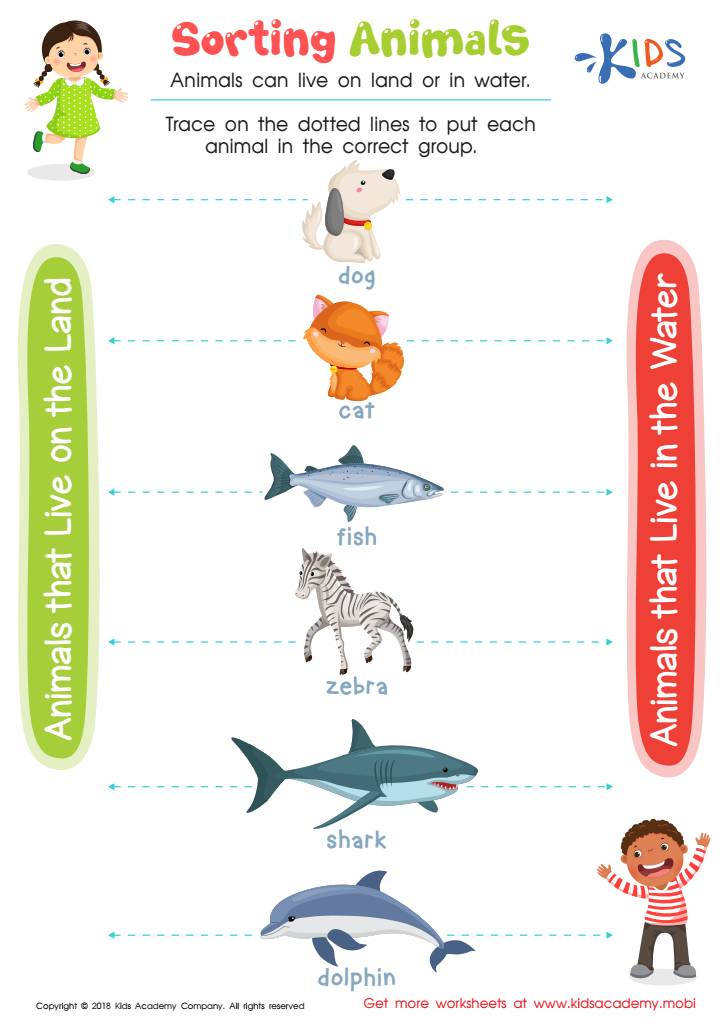
Sorting Animals Worksheet
 Assign to My Students
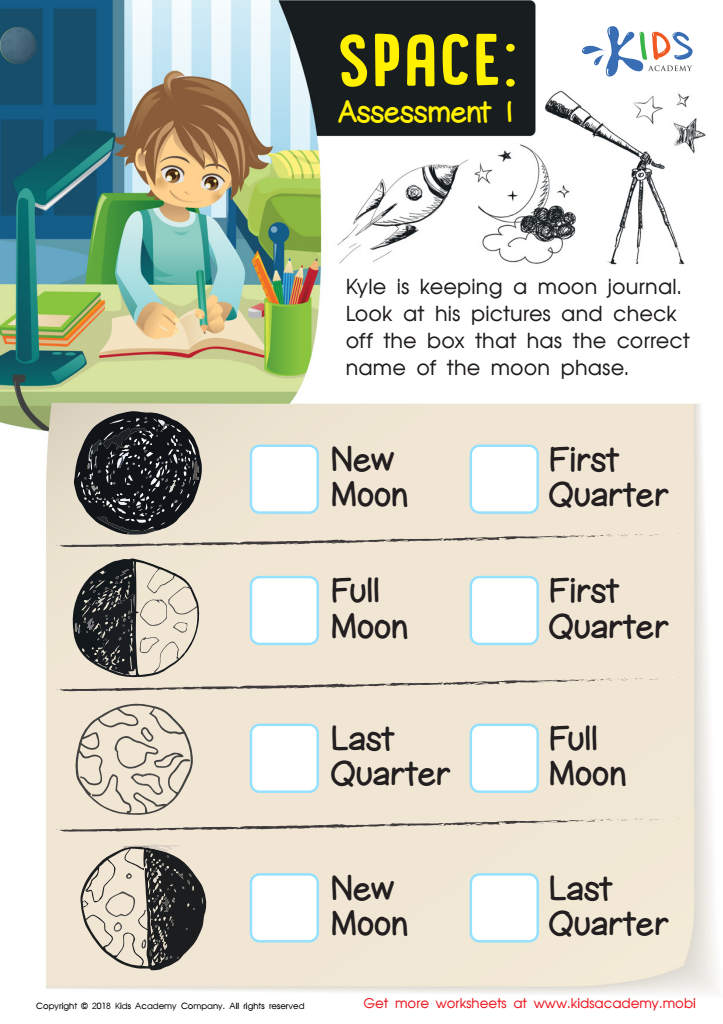
Space: Assessment 1 Worksheet
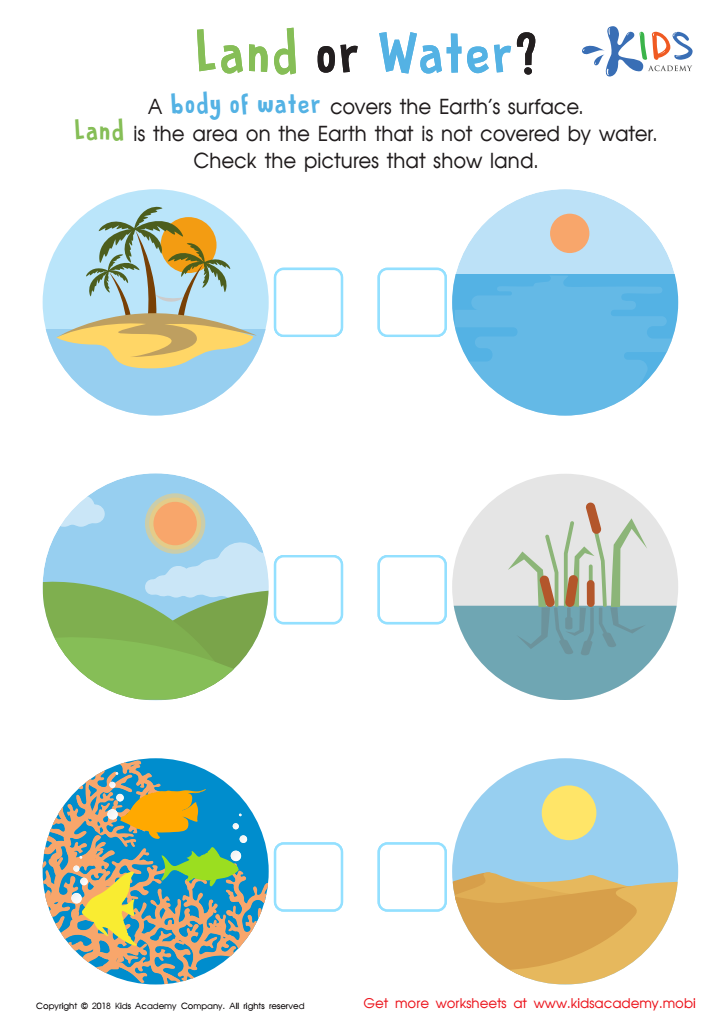
Land or Water Worksheet
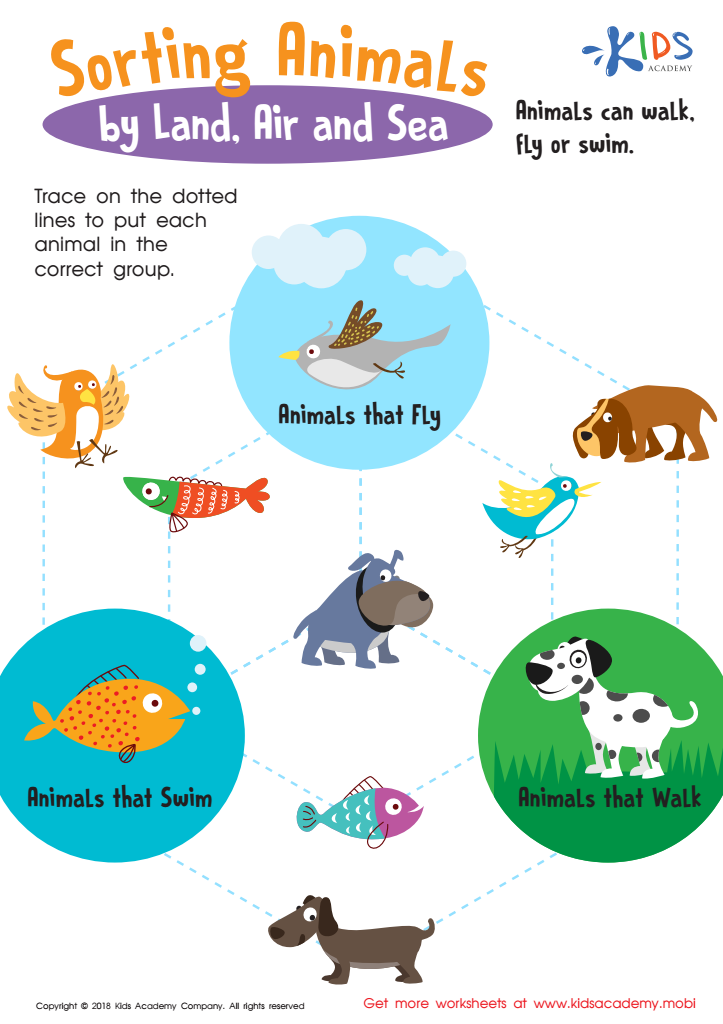
Sorting Animals by Land, Air and Sea Worksheet
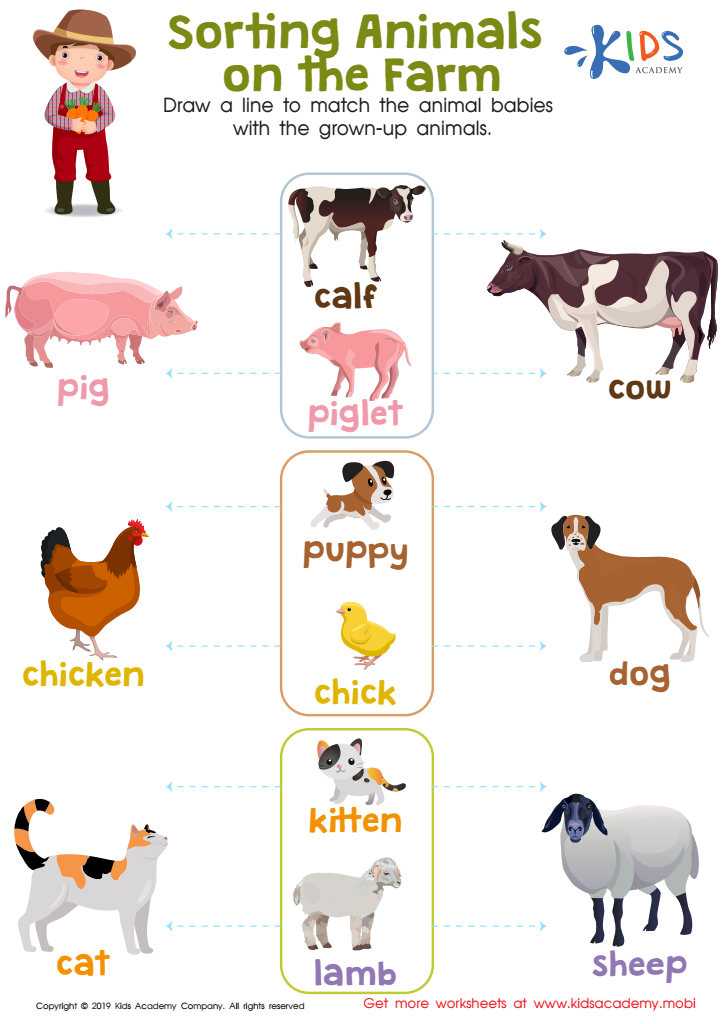
Sorting Animals on the Farm Worksheet
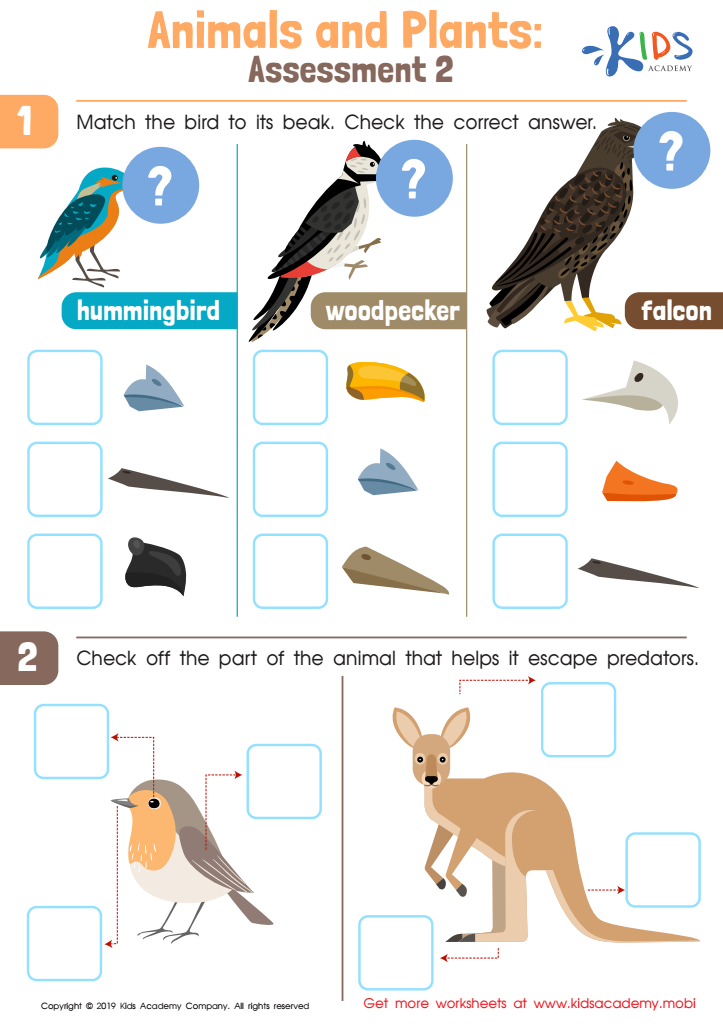
Animals and Plants: Assessment 2 Worksheet







Understanding habitats is essential for children ages 3-6 as it lays the foundation for their appreciation of nature and the environment. During these early years, children are naturally curious about the world around them. Learning about different habitats—such as forests, oceans, wetlands, and deserts—encourages this curiosity, motivating them to explore and ask questions about the plants and animals they encounter.
By engaging with the concept of habitats, parents and teachers can help children develop a sense of empathy and responsibility toward living organisms. They learn about the interdependence within ecosystems, observing how animals adapt to their environments and the importance of biodiversity. This understanding fosters a connection between children and the natural world, encouraging them to appreciate and respect it.
Moreover, lessons about habitats can stimulate critical thinking and problem-solving skills. Activities like sorting animals by their habitats or discussing how different environments affect plant and animal life make learning active and hands-on. Ultimately, nurturing this understanding not only enriches children’s educational experiences but also empowers them to become environmentally conscious individuals as they grow older, ensuring a more sustainable future for everyone.








