Understanding patterns Normal Worksheets for Ages 3-6
5 filtered results
-
From - To
Unlock your child's potential with our "Understanding Patterns Normal Worksheets" designed for ages 3-6! These engaging worksheets introduce young learners to the exciting world of patterns through vibrant visuals and interactive activities. By recognizing and creating patterns, children enhance their cognitive skills while having fun. Each worksheet focuses on different aspects of patterns, from colors and shapes to numbers and sizes. Ideal for preschool and kindergarten settings, these resources promote early mathematical thinking and problem-solving abilities. Instill a love for learning with activities that cultivate curiosity and creativity in your little one. Start exploring the wonders of patterns today!
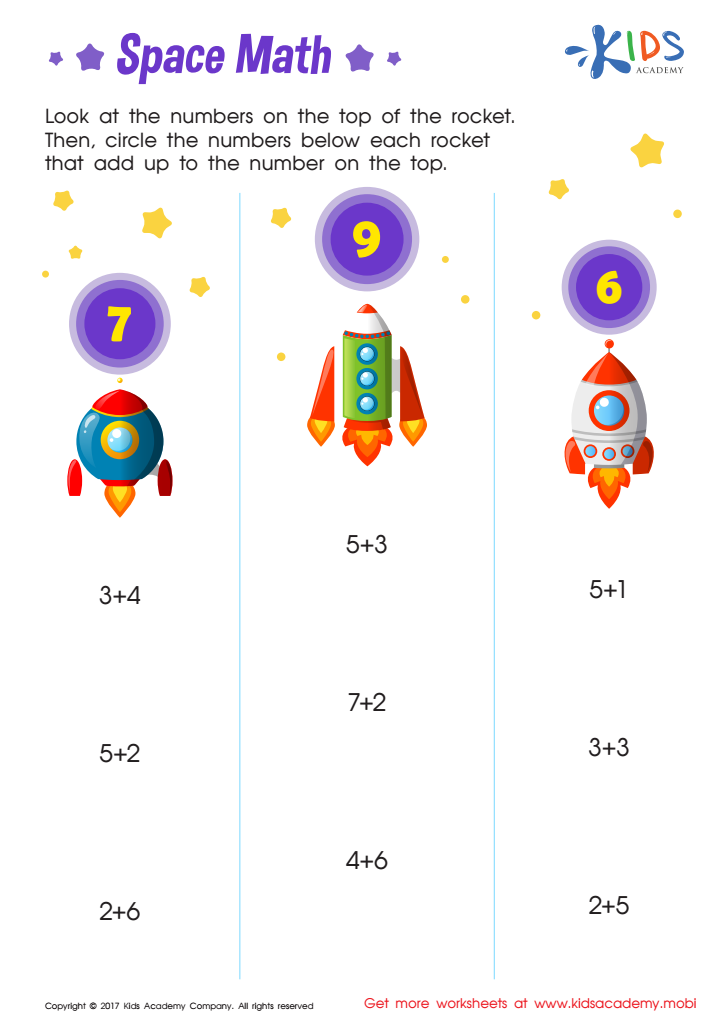
Addition: Space Math Worksheet
 Assign to My Students
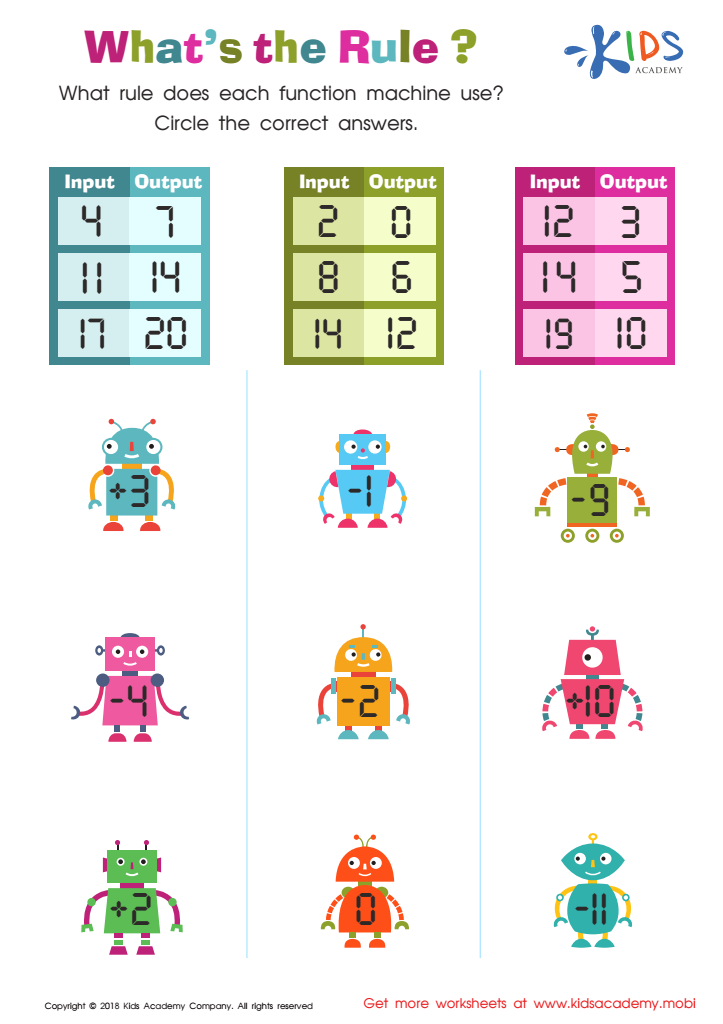
What's the Rule Worksheet
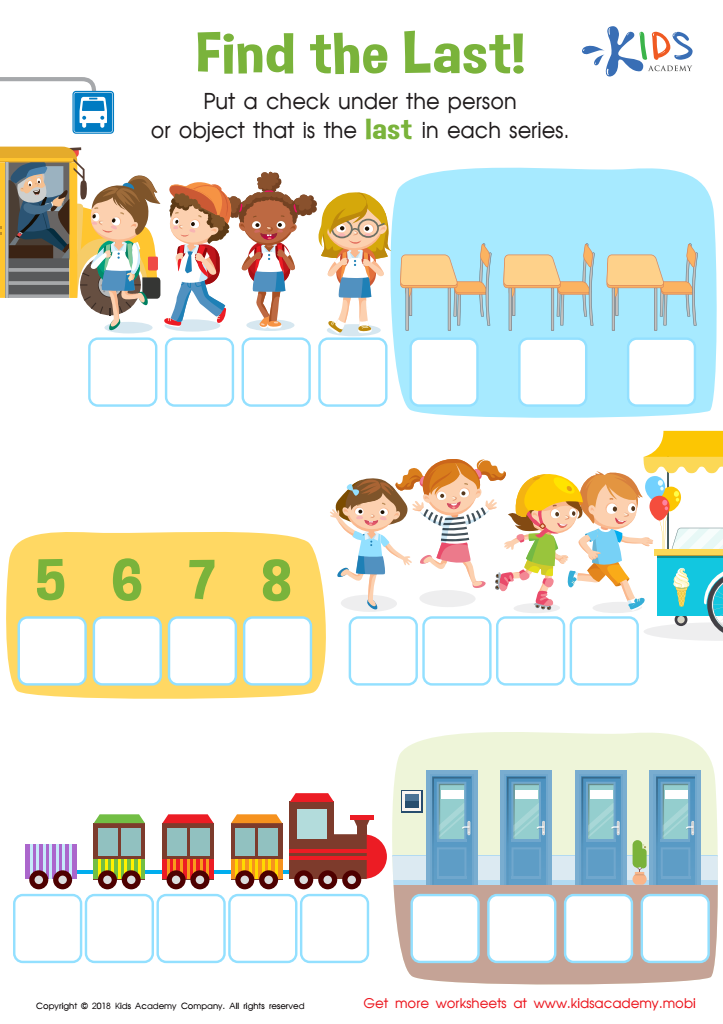
Find the Last! Worksheet
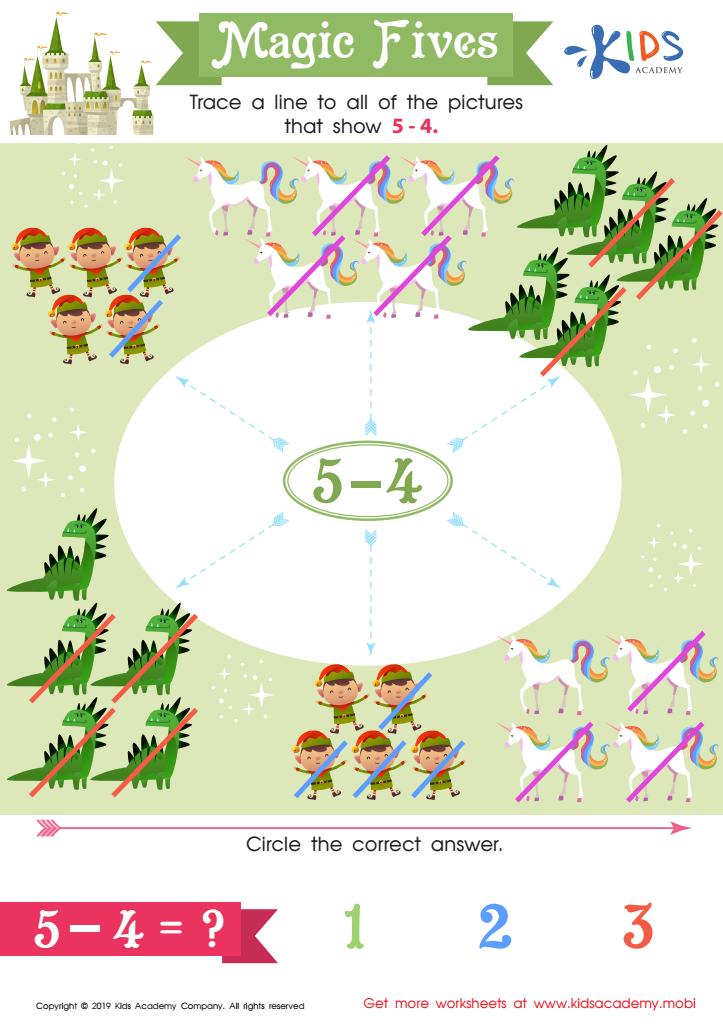
Magic Fives Worksheet
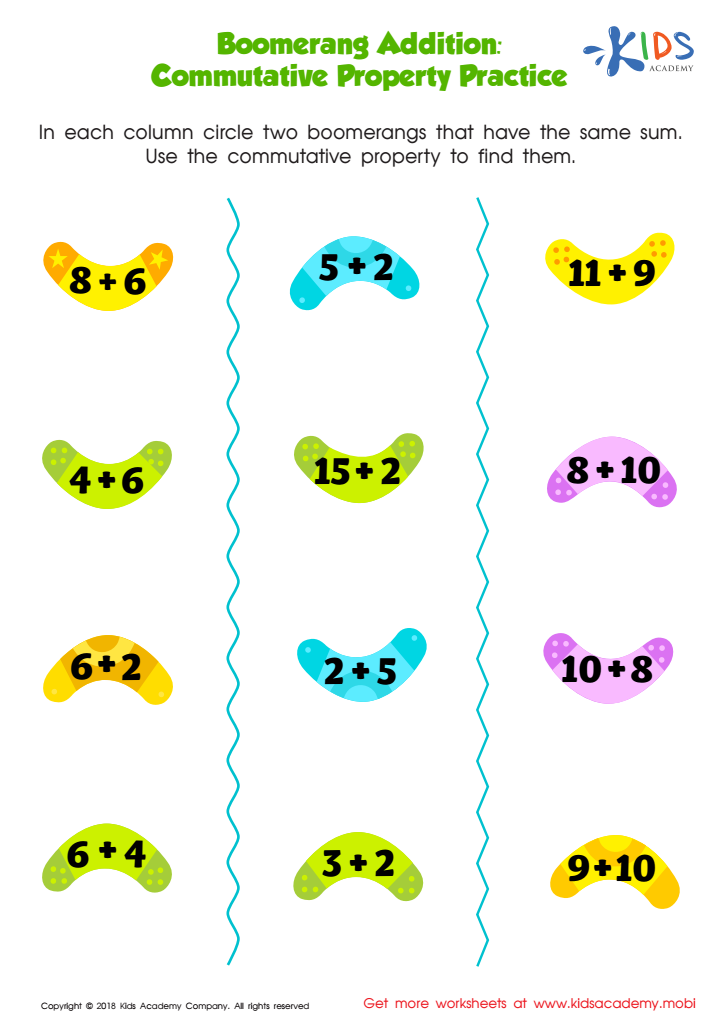
Boomerang Addition Worksheet







Understanding patterns is fundamental for early childhood development, particularly for children aged 3-6. This age group is at a critical stage for cognitive and mathematical growth. Recognizing, creating, and extending patterns helps children develop essential logical thinking and problem-solving skills that form the foundation for more complex mathematical concepts.
Patterns improve children's ability to make predictions and identify relationships, fostering critical cognitive skills that they will use throughout their education. When children engage with patterns, they exercise their memory and enhance their ability to focus. Moreover, recognizing patterns in their environment aids in developing observation skills and connecting new information, reinforcing learning.
Parents and teachers play a pivotal role in introducing pattern concepts through play, daily routines, and interactive activities. Recognizing patterns in nature, art, and music encourages creativity and enhances language acquisition by linking vocabulary development to structured concepts.
By caring about pattern recognition, parents and educators provide children with the tools needed for future academic success. Engaging children in patterned gameplay bolsters social skills as they share ideas and collaborate. In essence, pattern understanding is a stepping stone to both mathematical proficiency and overall cognitive development, fostering a lifelong love for learning.








