
Visual Learning Normal Worksheets for Ages 3-6
5 filtered results
Difficulty Level
Grade
Age
-
From - To
Subject
Activity
Standards
Welcome to our collection of Visual Learning Normal Worksheets designed specifically for children aged 3-6. These engaging, printable resources help foster essential visual recognition skills through fun and interactive activities. Each worksheet promotes creativity and critical thinking, allowing young learners to explore shapes, colors, and patterns while building confidence in their visual processing abilities. Ideal for home or classroom use, our worksheets cater to various learning styles, making learning enjoyable. Encourage your child's early development and prepare them for future academic success with our thoughtfully designed visual learning materials. Discover the joy of early education with Kids Academy today!
Favorites
With answer key
Interactive
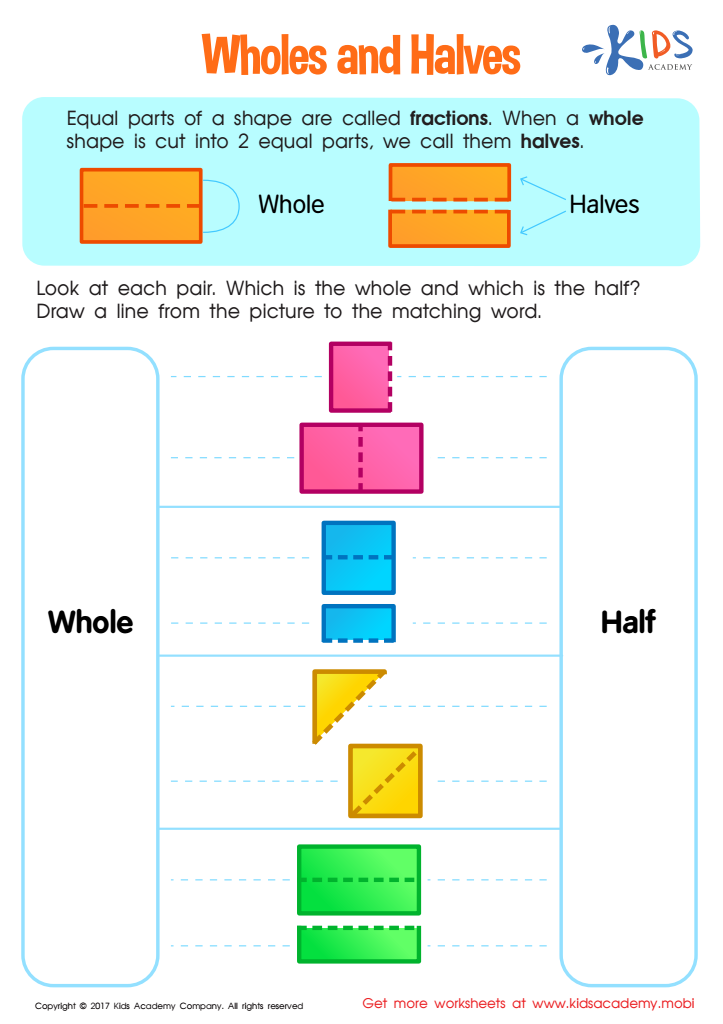
Wholes and Halves Worksheet
Students can feel overwhelmed with fractions. Help take the stress off by using a colorful worksheet to explain whole shapes and how to find halves. Ask them to identify the whole and point to the matching word for the half. A free printout can help guide them.
 Assign to My Students
Wholes and Halves Worksheet
Worksheet
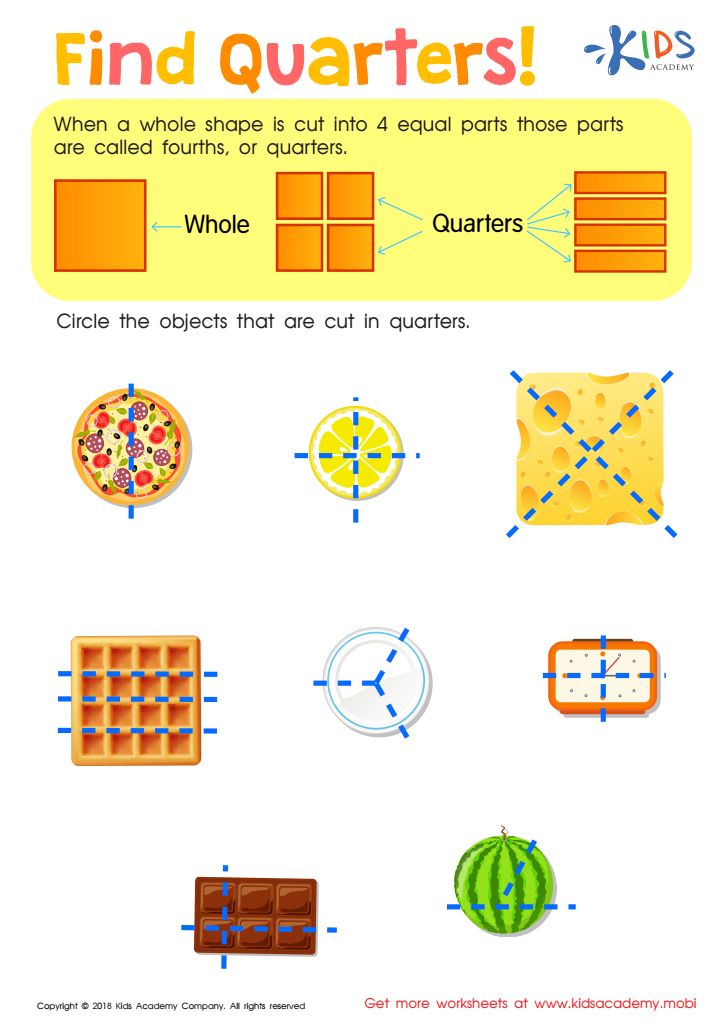
Find Quarters Worksheet
Ask your child if they know what it is called when a shape is cut into two equal parts. If yes, introduce them to quarters. Tell them that when a shape is cut into 4 equal parts, each part is called a quarter. Have them do this exercise by finding and circling objects split into quarters.
Find Quarters Worksheet
Worksheet
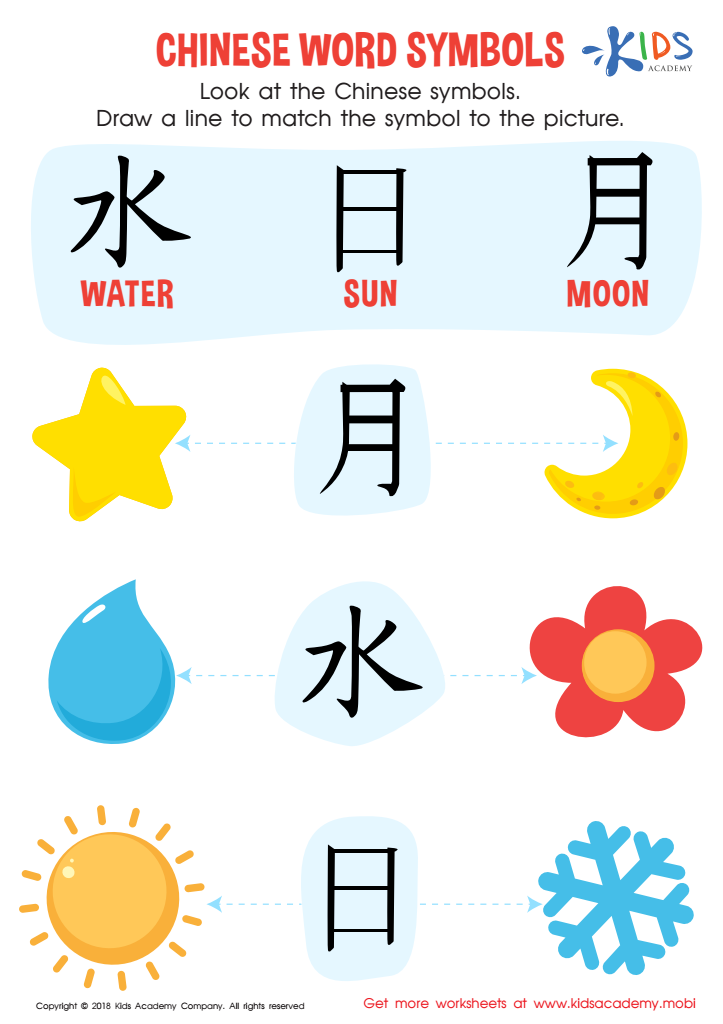
Chinese Word Symbols Worksheet
This fun worksheet helps kids learn Chinese symbols for words like water, sun, and moon. Paired with colorful pictures, tracing lines encourages fine motor skills and builds success. Kids will learn without realizing it, having fun in the process.
Chinese Word Symbols Worksheet
Worksheet
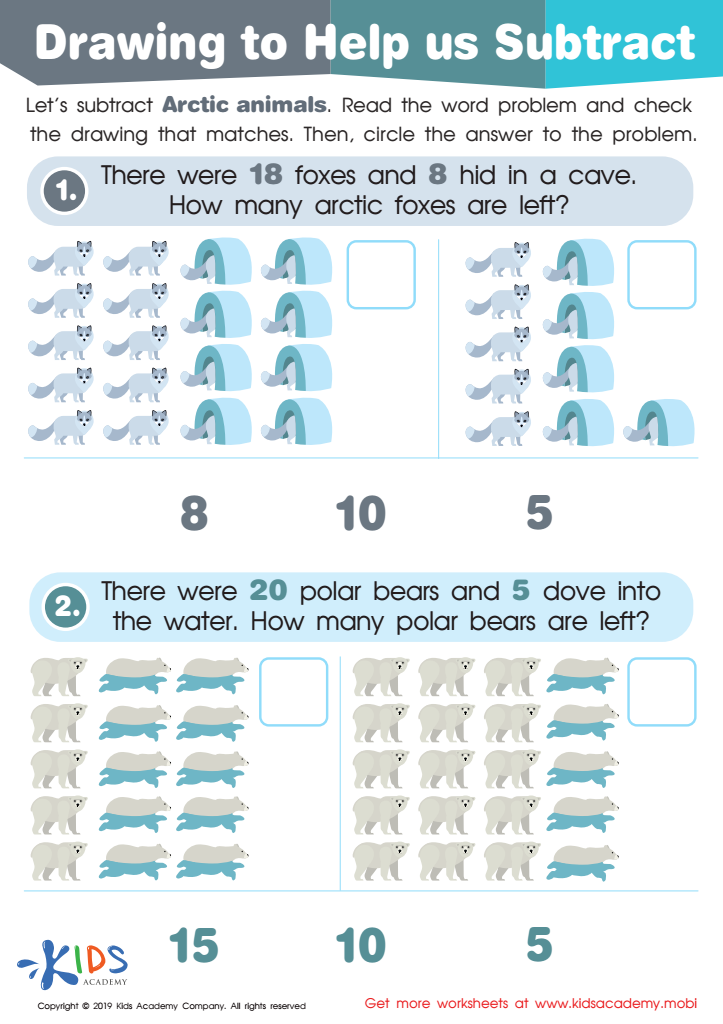
Drawing to Help Us Subtract Worksheet
Math is made fun with this free worksheet featuring Arctic animal pictures to solve basic subtraction word problems. Kids read the problem and choose the correct drawing of the animals to represent the solution. They'll have a blast with their cool animal friends while learning math!
Drawing to Help Us Subtract Worksheet
Worksheet
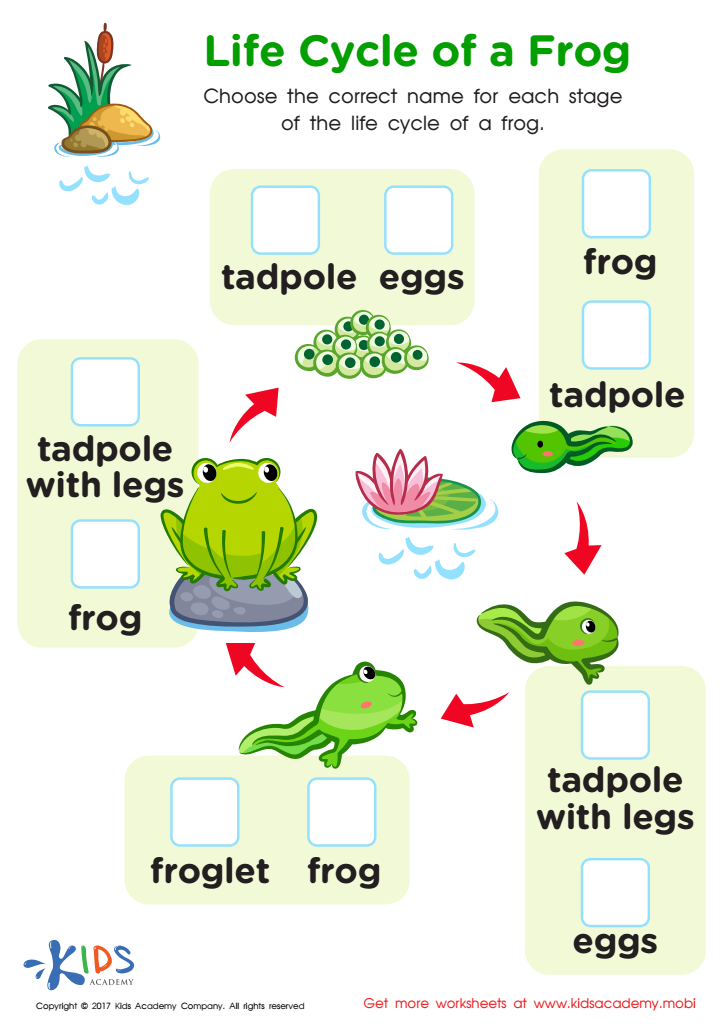
Life Cycle Frog Printable
Kids can explore the life cycle of frog with this fun worksheet! Draw lines from one stage to the next to follow the transformation from tadpole to frog and learn about the cycle of life.
Life Cycle Frog Printable
Worksheet
Join Kids Academy for Free
Who is primarily going to use this learning content?


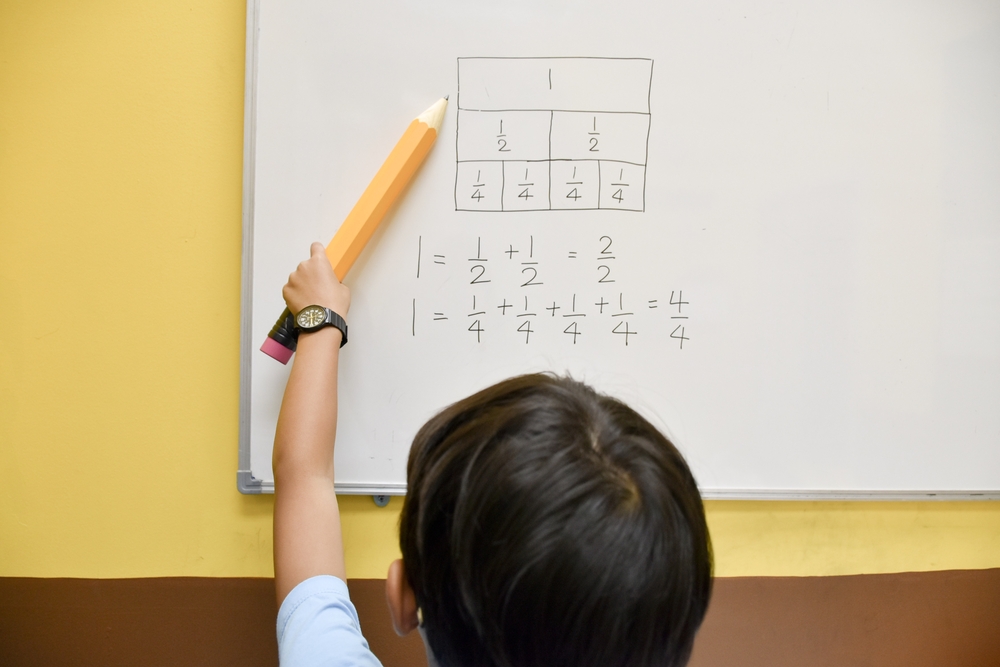




Visual learning is an essential aspect of early childhood education for children aged 3-6, capturing crucial developmental milestones during a formative time. During these years, children are particularly inclined toward visual experiences, as they process and understand the world largely through sights and images. Parents and teachers should care about this learning mode because it significantly enhances cognitive, social, and fine motor skills.
Visual learning stimulates creativity and imagination, allowing children to express themselves while also aiding memory retention. By incorporating visual aids—such as charts, diagrams, and colorful storybooks—educators and caregivers create engaging environments. These tools help to convey complex concepts in an accessible manner, making learning less daunting and more enjoyable.
Moreover, visual learning supports the development of literacy skills. By associating letters with images, for example, young learners can better grasp foundational language skills. Additionally, fostering visual learning cultivates critical thinking skills, as children learn to interpret and analyze visual information.
In an increasingly visual world, being adept at interpreting and using visual data is crucial. Therefore, both parents and teachers should embrace and promote visual learning strategies to empower children in their early education journey.








