Visual recognition Normal Worksheets for Ages 3-6
7 filtered results
-
From - To
Enhance your child's visual recognition skills with our expertly designed worksheets for ages 3-6. Kids Academy's engaging activities focus on the vital cognitive abilities necessary for early learning. Each printable worksheet is crafted to stimulate young minds by helping them identify and match shapes, colors, and patterns. Through playful exercises, children develop crucial visual differentiation, improving attention to detail and preparing them for more advanced learning. Our resources are perfect for parents and educators seeking effective and enjoyable teaching tools. Give your child a head start in their academic journey with our visual recognition normal worksheets.
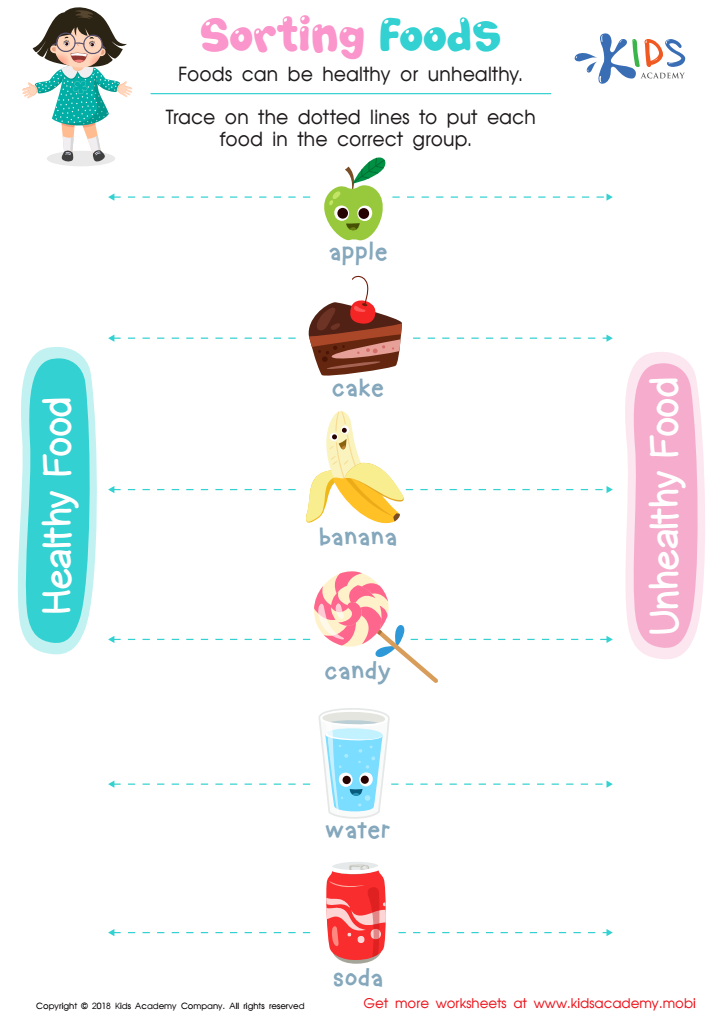
Sorting Food Worksheet
 Assign to My Students
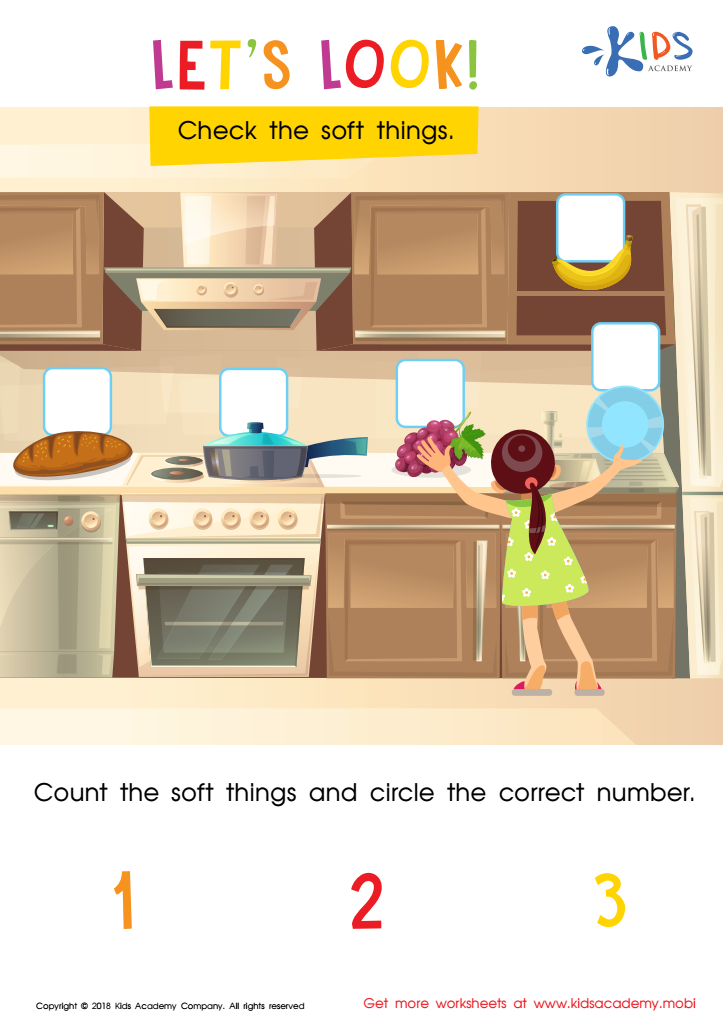
Let's Look! Assessment Worksheet
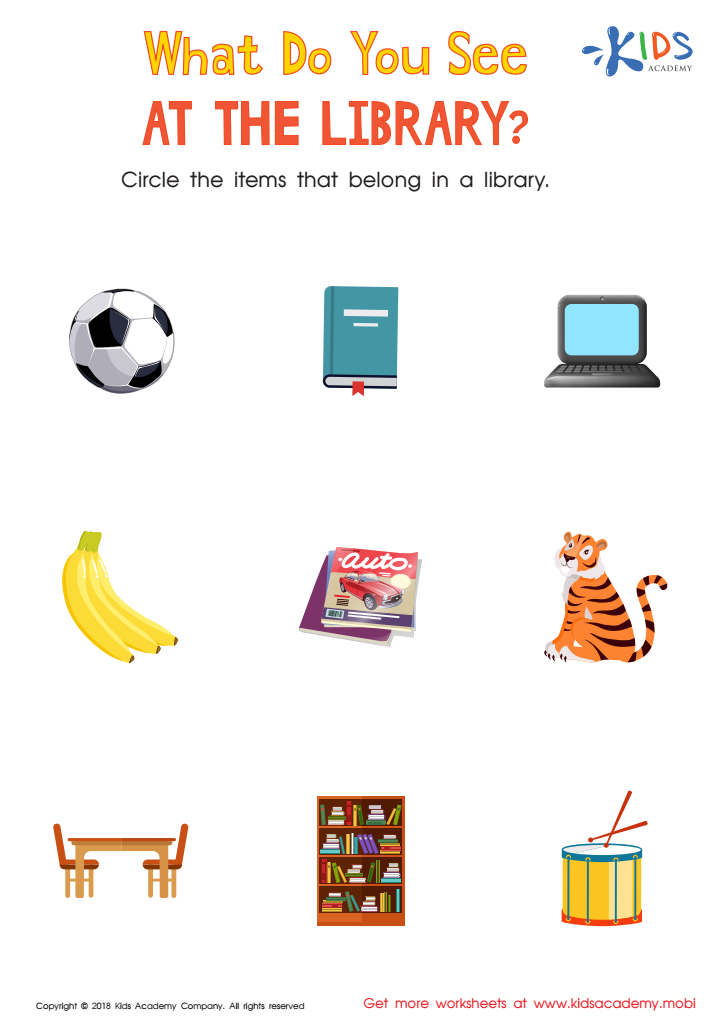
What Do you See at the Library? Worksheet
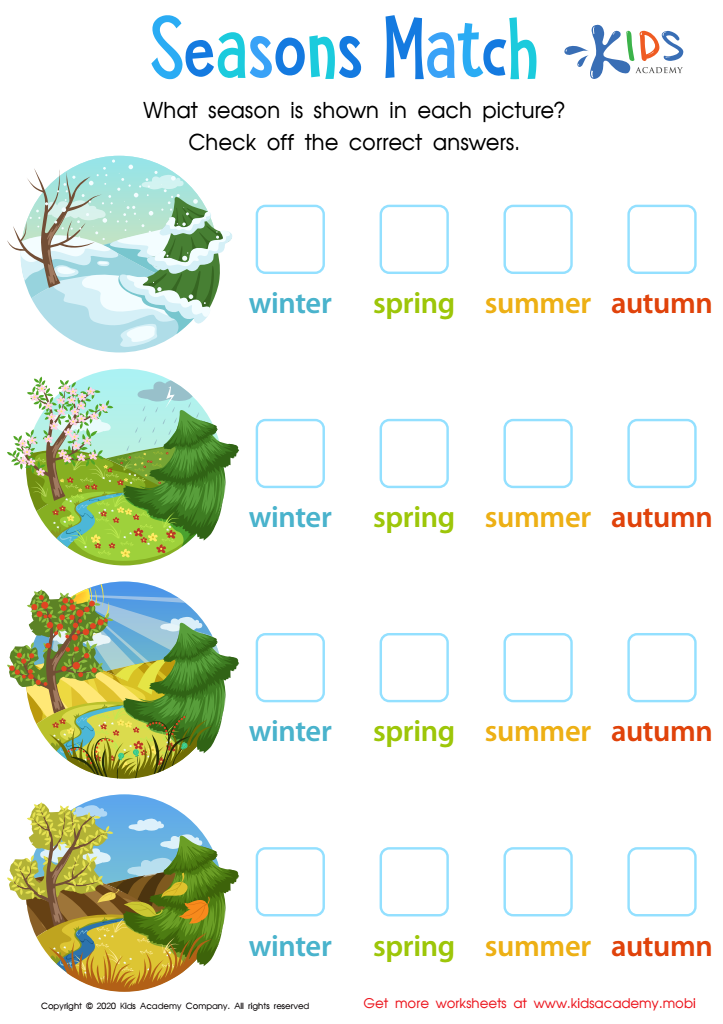
Seasons Match Worksheet
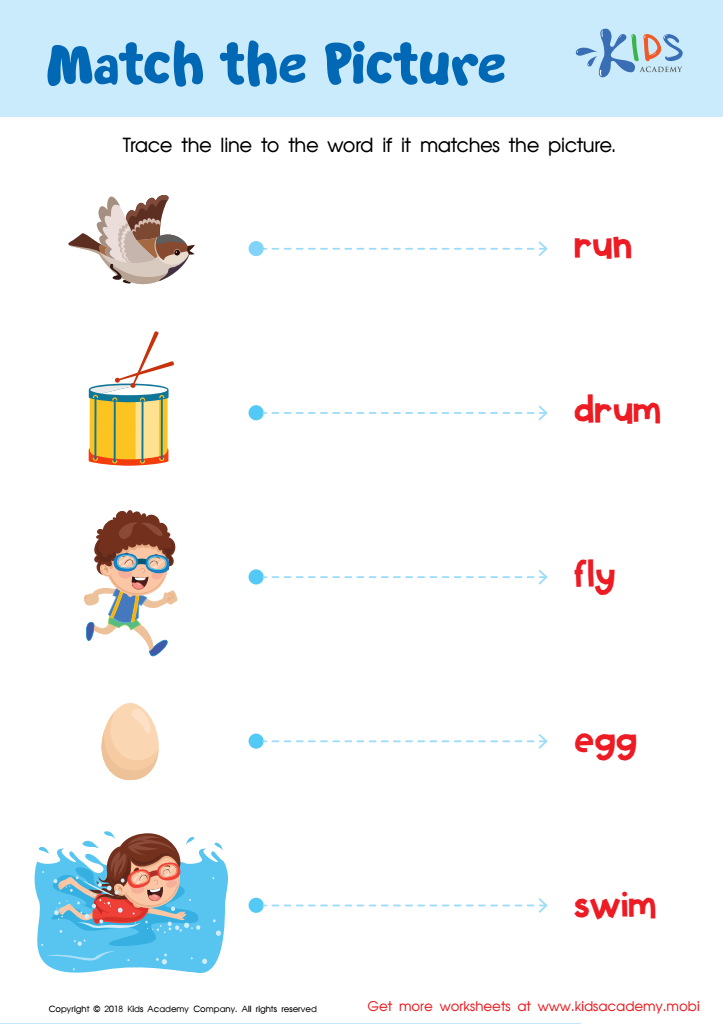
Match the Picture Worksheet
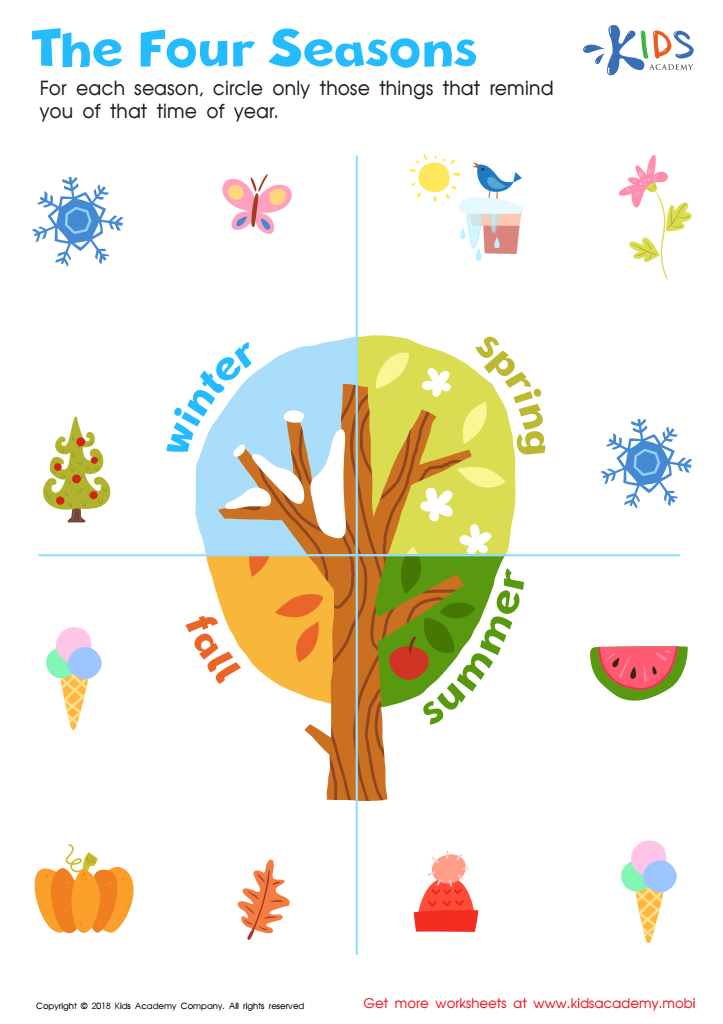
The Four Seasons Worksheet
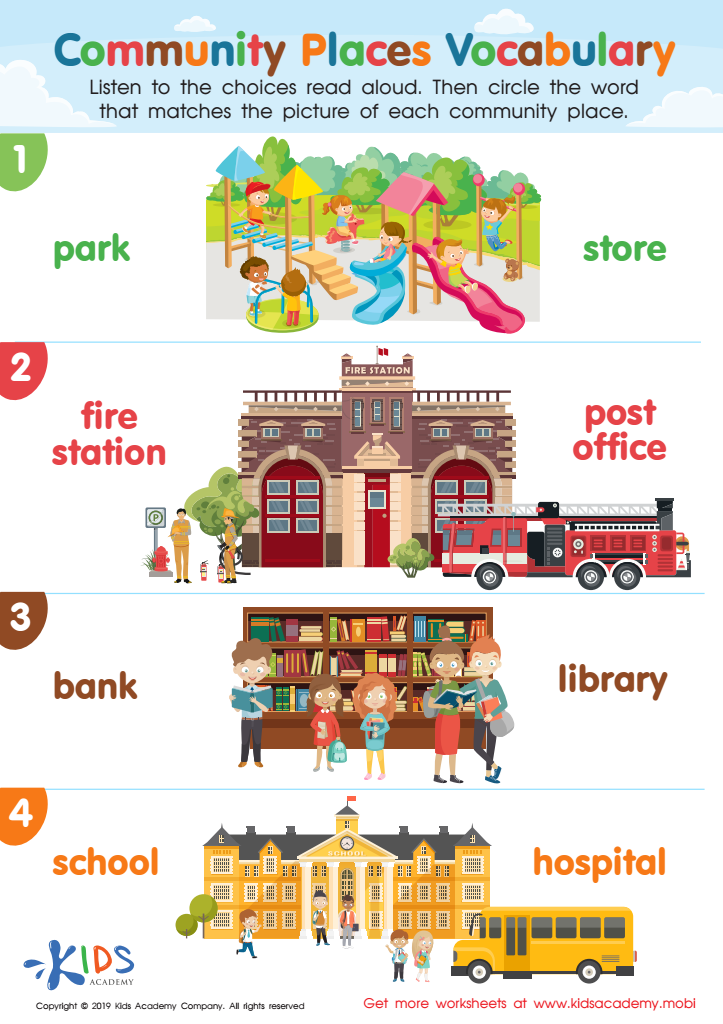
Community Places Vocabulary Worksheet








Visual recognition is a crucial developmental skill for children aged 3-6, playing a foundation role in their overall cognitive, social, and academic growth. At this early stage, kids are rapidly absorbing and interpreting the world around them, largely relying on visual cues to make sense of their environment. Visual recognition helps them identify objects, understand spatial relationships, and develop early literacy skills, such as recognizing letters and numbers.
For parents and teachers, ensuring children develop normal visual recognition capabilities is vital. A child with well-developed visual recognition will find it easier to follow instructions, participate in classroom activities, and engage with educational materials. This skill also promotes safety, as children learn to recognize and respond to visual indicators in their surroundings, such as traffic signs or warning symbols.
Monitoring and fostering visual recognition can help in early detection of potential learning difficulties or developmental delays. Early intervention can significantly improve outcomes for children struggling in this area, providing them with the support they need to thrive.
Incorporate activities like puzzles, matching games, and reading time into daily routines to nurture these skills. Ensuring children develop a strong foundation in visual recognition equips them with essential tools for future learning and day-to-day interactions, ultimately supporting their overall development and success.








