Cognitive Development Normal 2D Shapes Worksheets for Ages 3-6
5 filtered results
-
From - To
Enhance your child's cognitive development with our engaging 2D shapes worksheets designed for ages 3-6. These printable resources offer fun activities that help young learners identify, compare, and classify basic shapes, fostering critical thinking skills. Each worksheet features colorful illustrations and interactive tasks that make learning enjoyable and effective. Perfect for classrooms or home learning, these worksheets lay a solid foundation in geometry while encouraging creativity and problem-solving. Empower your child's educational journey as they explore the world of shapes with our carefully crafted cognitive development activities. Jumpstart their learning today with our easy-to-use, free printable worksheets!
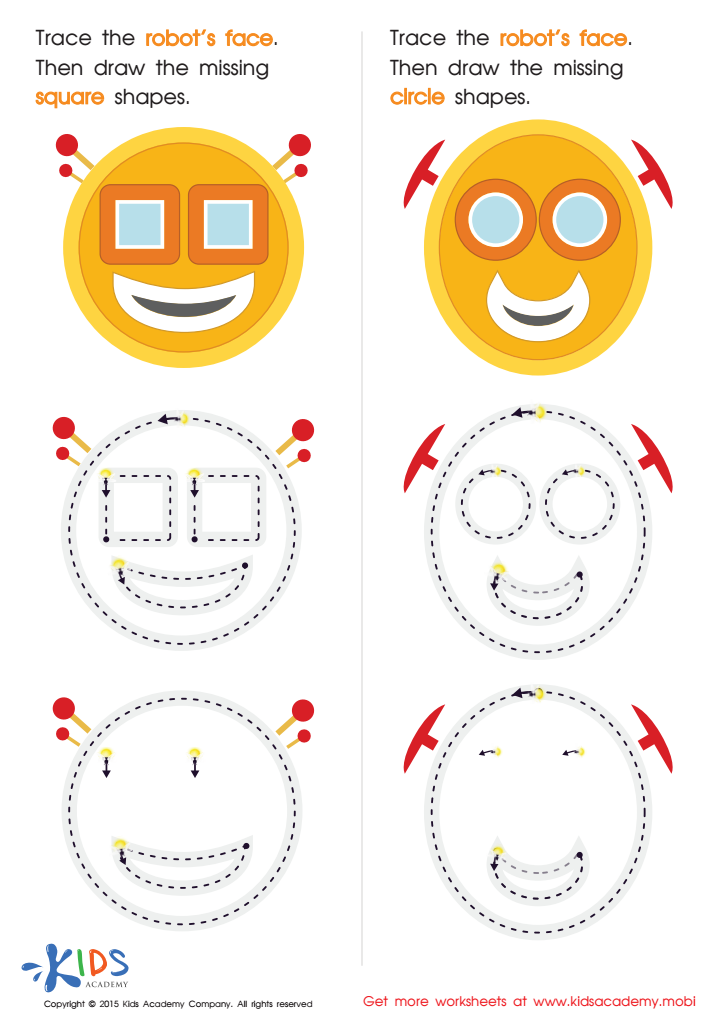
Practicing to Draw Circles And Squares Printable
 Assign to My Students



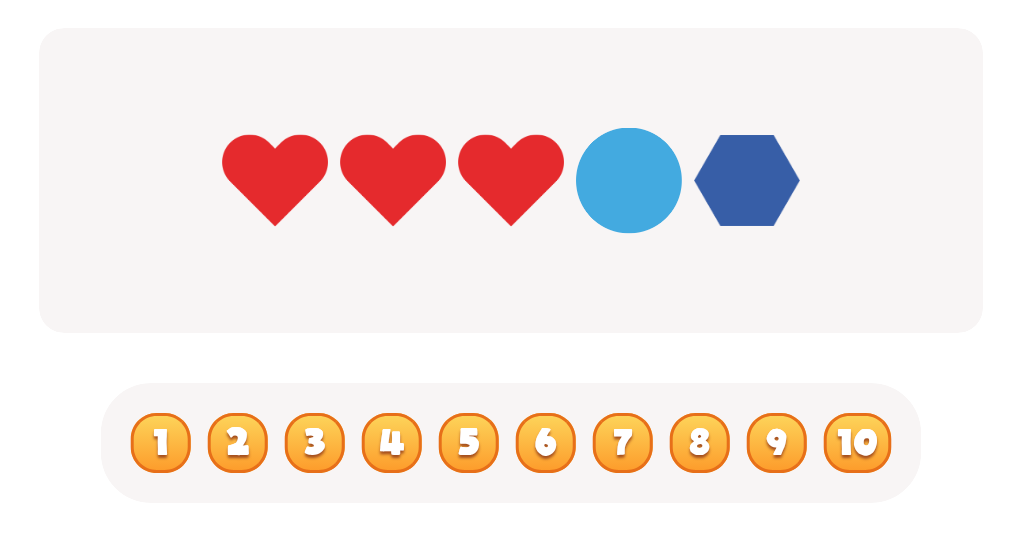
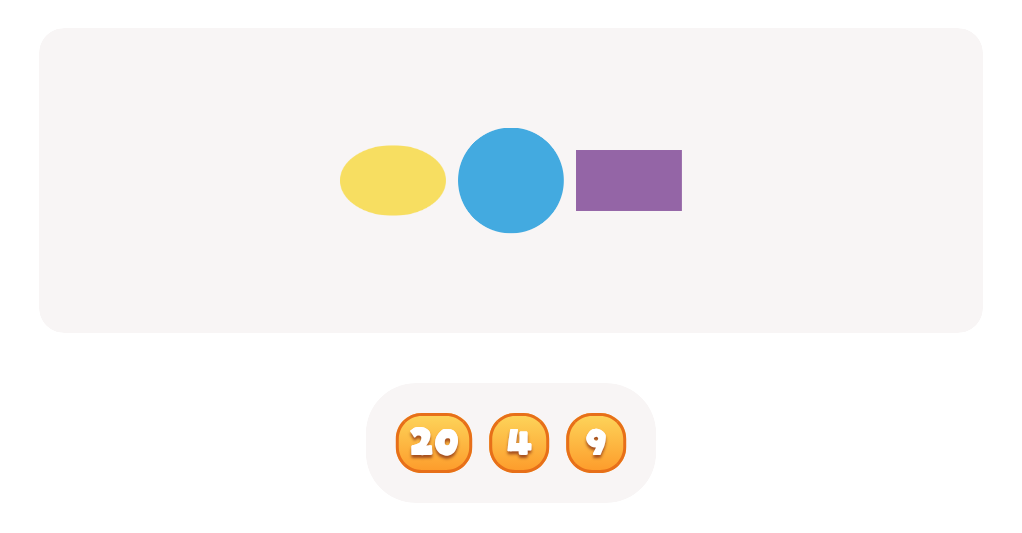
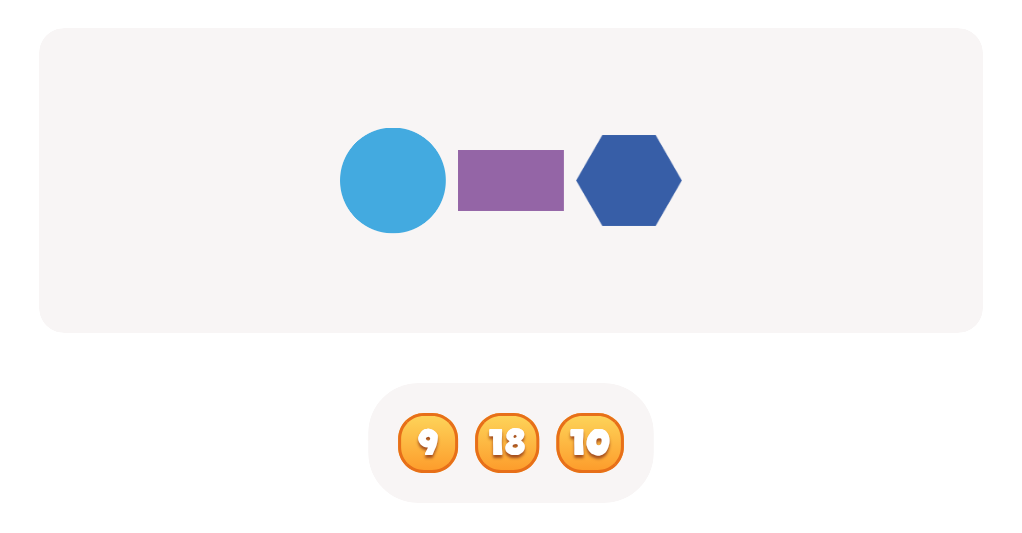

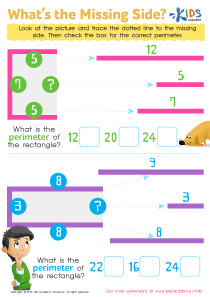
Geometry: part 1 Worksheet
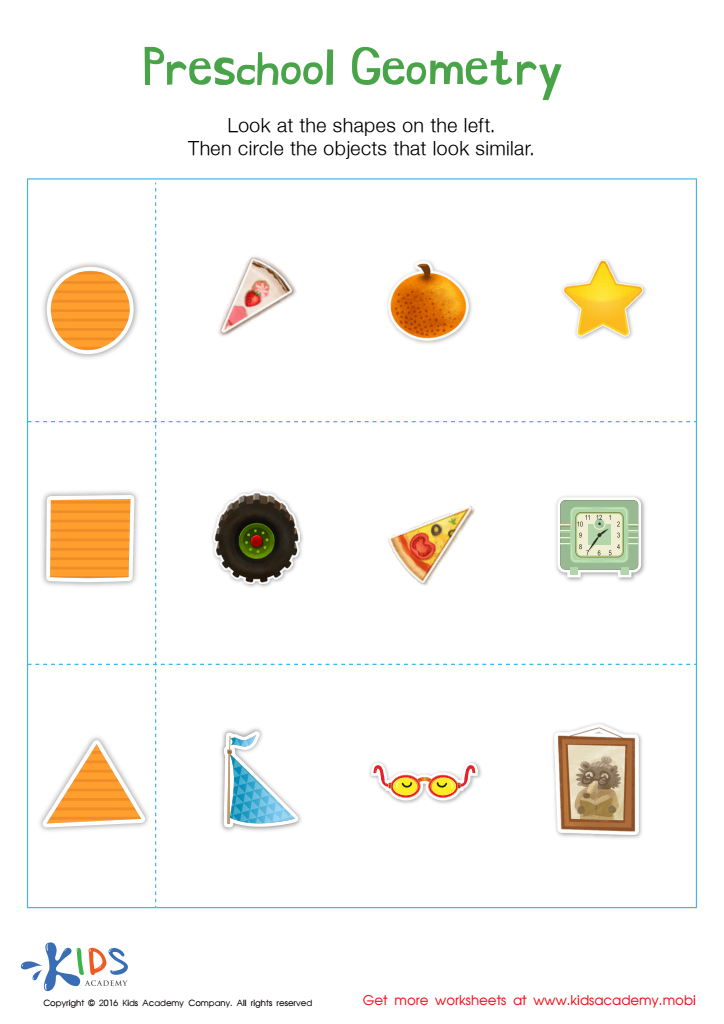
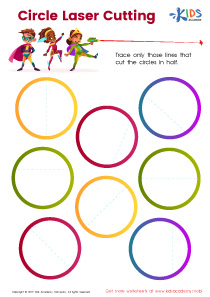
Preschool Geometry Match Up Worksheet
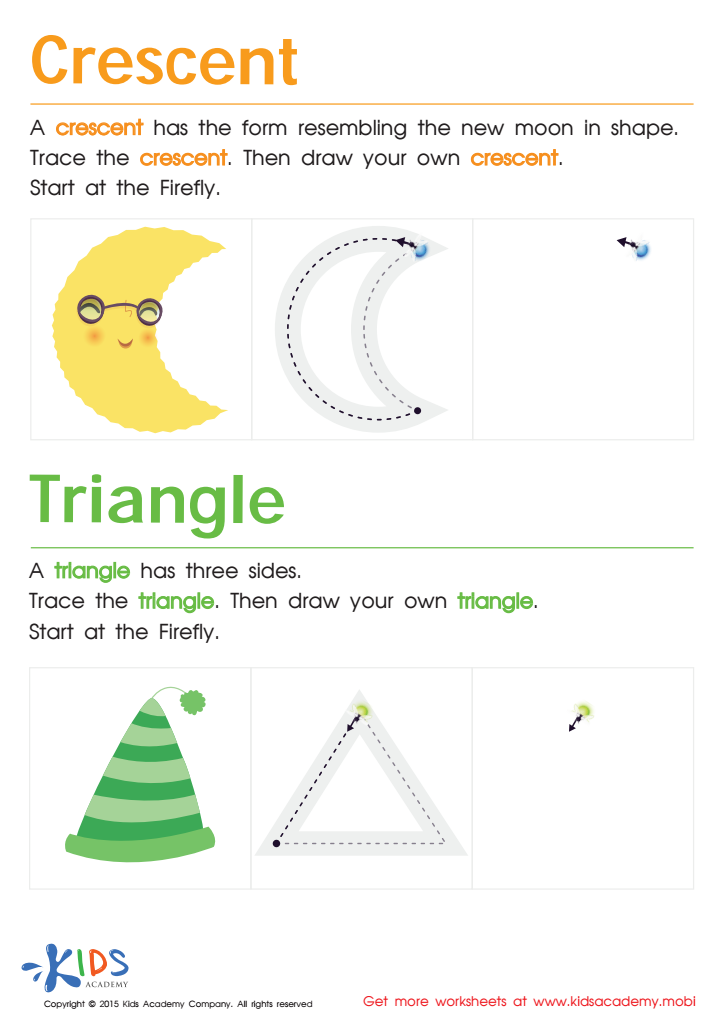
Learning to Draw Crescents And Triangles Worksheet
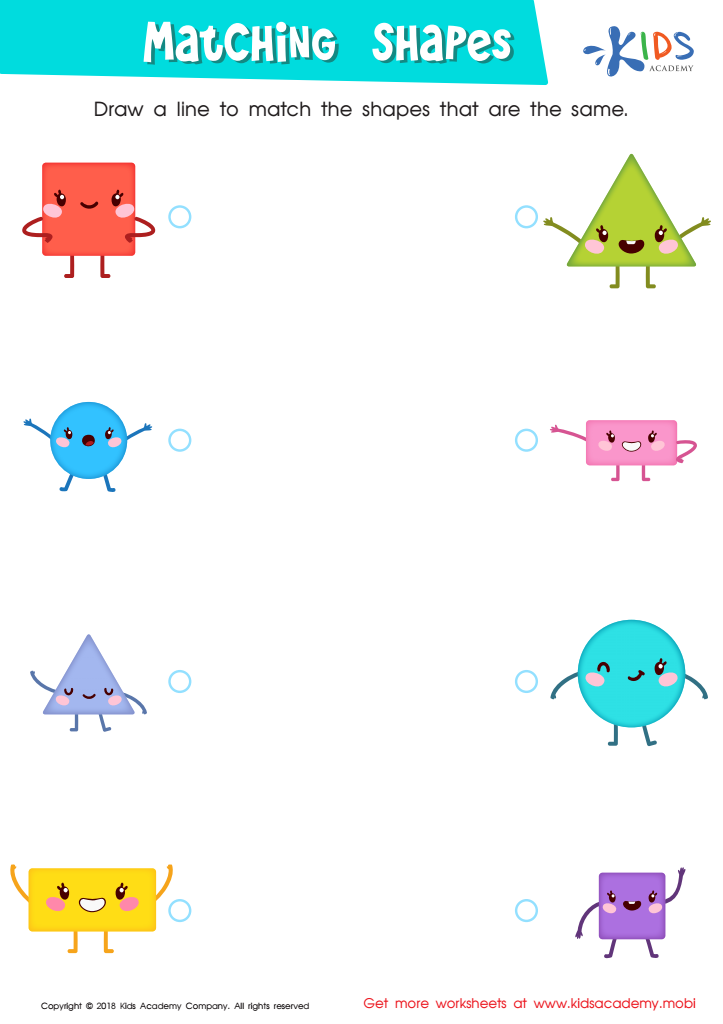
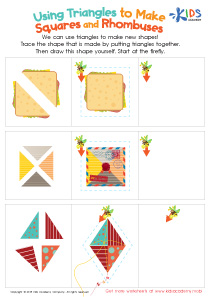
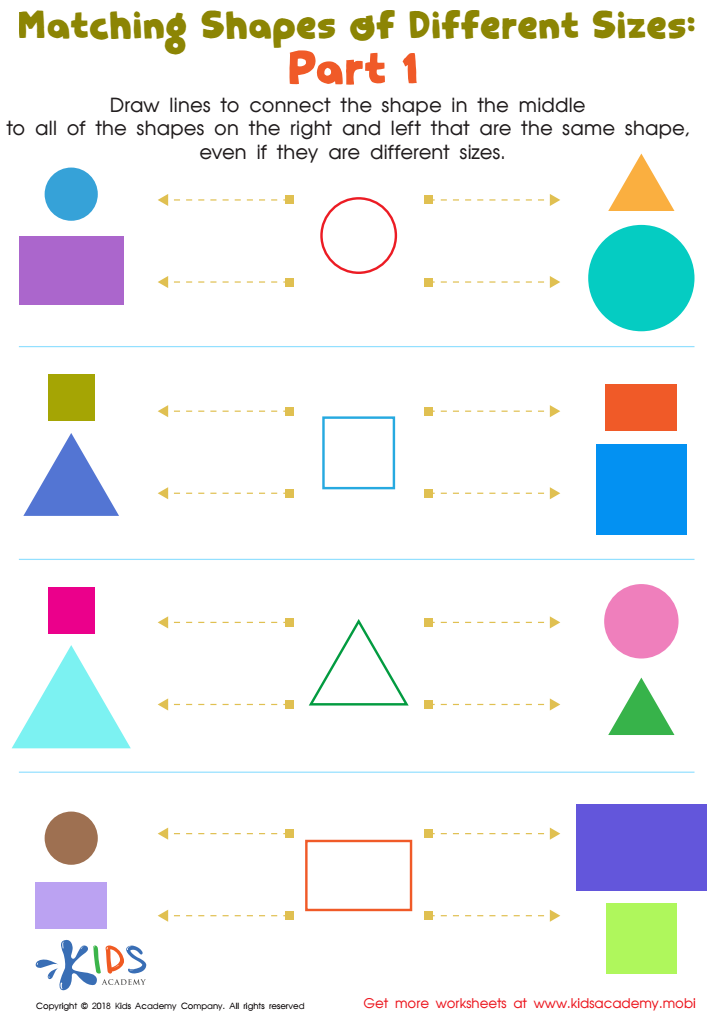
Matching Shapes Worksheet








Caring about cognitive development related to 2D shapes for children ages 3-6 is crucial for various reasons. At this stage, preschoolers begin to understand the world through patterns, colors, and shapes, laying a foundation for future learning in mathematics, science, and spatial awareness. Recognizing and working with 2D shapes enhances critical thinking and problem-solving skills, allowing young learners to explore their environment creatively.
Understanding shapes also supports language development as children learn to articulate their observations and reasonings, enriching their vocabulary. Furthermore, early shape recognition contributes to vital skills in literacy and numeracy. Shapes serve as fundamental building blocks for more complex concepts; mastering them helps children grasp the importance of structure in everyday life, from objects in their surroundings to the patterns encountered in nature.
Engaging with 2D shapes through play, art, and structured activities builds confidence as well. Parents and teachers who actively participate in these experiences motivate children and deepen their interest in learning. Ultimately, nurturing cognitive development in recognizing 2D shapes fosters a whole-child approach, equipping children with essential cognitive tools, strengthening social interaction skills, and instilling a lifelong love for learning.