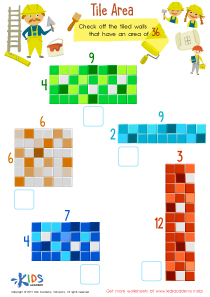
Understanding place values Normal Numbers Worksheets for Ages 3-6
4 filtered results
-
From - To
Discover our engaging "Understanding Place Values Normal Numbers Worksheets" designed specifically for children aged 3-6! These worksheets provide a fun and interactive way for young learners to grasp the concept of place value, a fundamental math skill essential for future success. Through colorful illustrations and age-appropriate activities, children will explore the significance of tens and ones, enhancing their number recognition and counting skills. Perfect for home schooling or classroom use, these resources foster a strong mathematical foundation while promoting critical thinking and problem-solving abilities. Encourage your little ones to become confident mathematicians with our educational and enjoyable worksheets!
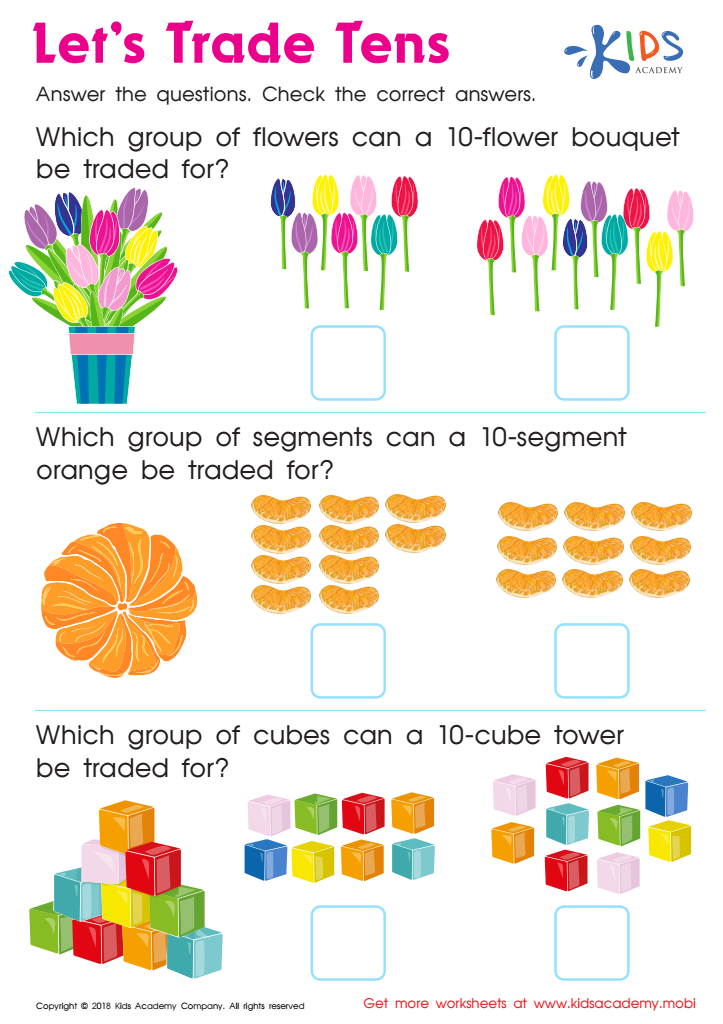
Lets Trade Tens Worksheet
 Assign to My Students
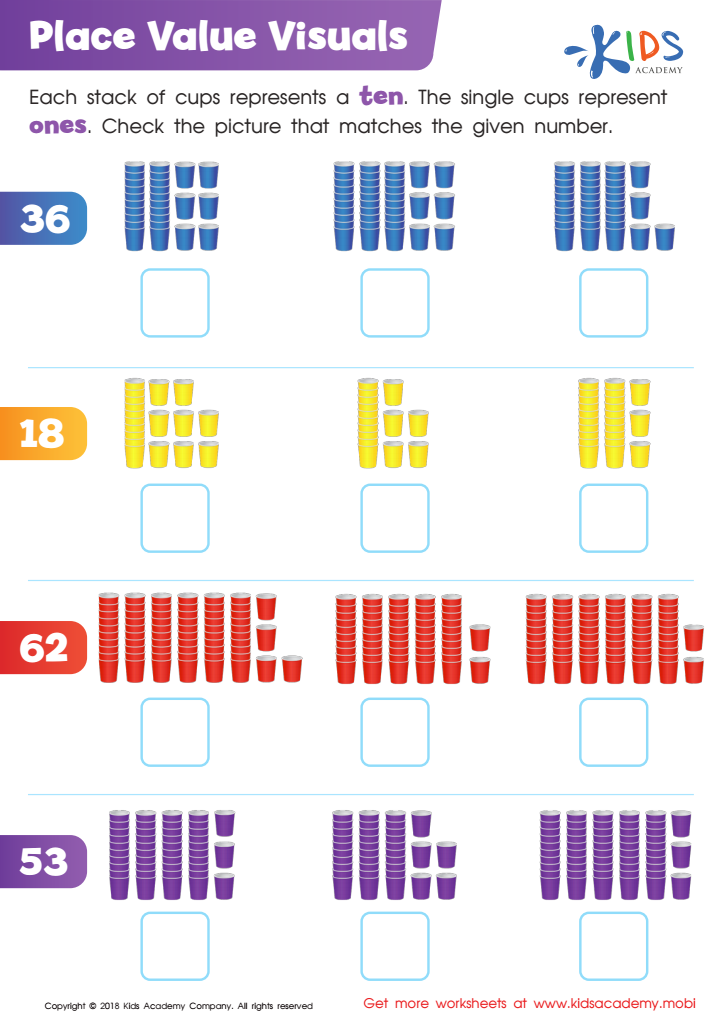
Place Value Visuals Worksheet
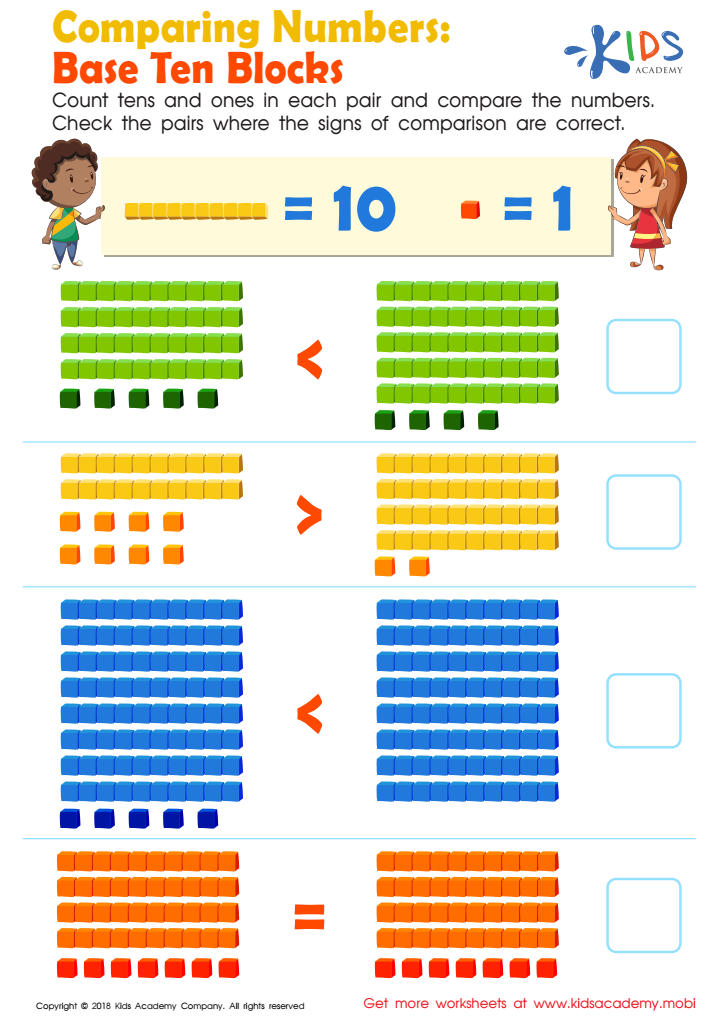
Comparing Numbers: Base Ten Blocks Worksheet
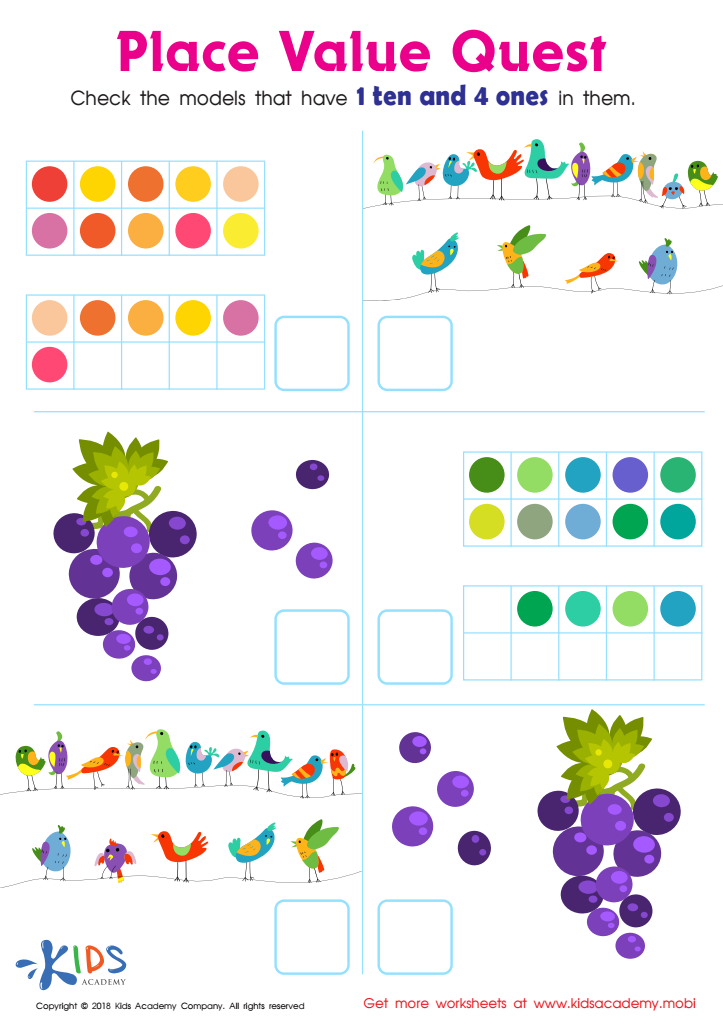
Place Value Quest Worksheet








Understanding place values and normal numbers is fundamental for young children aged 3-6, and it’s crucial for parents and teachers to recognize its importance. At this early developmental stage, children are building their mathematical foundation, which influences their future learning. Place value introduces them to the concept of our number system, helping them to grasp that numbers are composed of different digits representing different values based on their position. This understanding is essential for moving beyond basic counting into more complex arithmetic operations.
Moreover, grasping normal numbers and their structure supports critical thinking and problem-solving skills. Fun, engaging activities that involve place values, such as using blocks or drawing diagrams, can stimulate curiosity and make math enjoyable. When parents and teachers emphasize these concepts, they help children develop fluency in numeracy that lays the groundwork for later concepts such as addition, subtraction, and even early algebra.
Additionally, fostering this understanding builds confidence in young learners. When children feel capable of tackling number challenges, they are more likely to embrace math as they progress through school. Ultimately, prioritizing place values and normal numbers sets the stage for lifelong learning and a positive relationship with mathematics.