Understanding place values Normal Math Worksheets for Ages 3-6
4 filtered results
-
From - To
Unlock the foundation of mathematics for your little ones with our "Understanding Place Values" worksheets, specially designed for kids aged 3-6. At Kids Academy, we focus on making learning fun and effective by introducing children to essential place value concepts through engaging activities. Understanding place values sets the stage for future math success, enabling young learners to grasp addition, subtraction, and number recognition effortlessly. Dive into vibrant, interactive exercises that foster a lifelong love for math. Download now to give your child a confident start in mastering the fundamentals of numbers and counting!
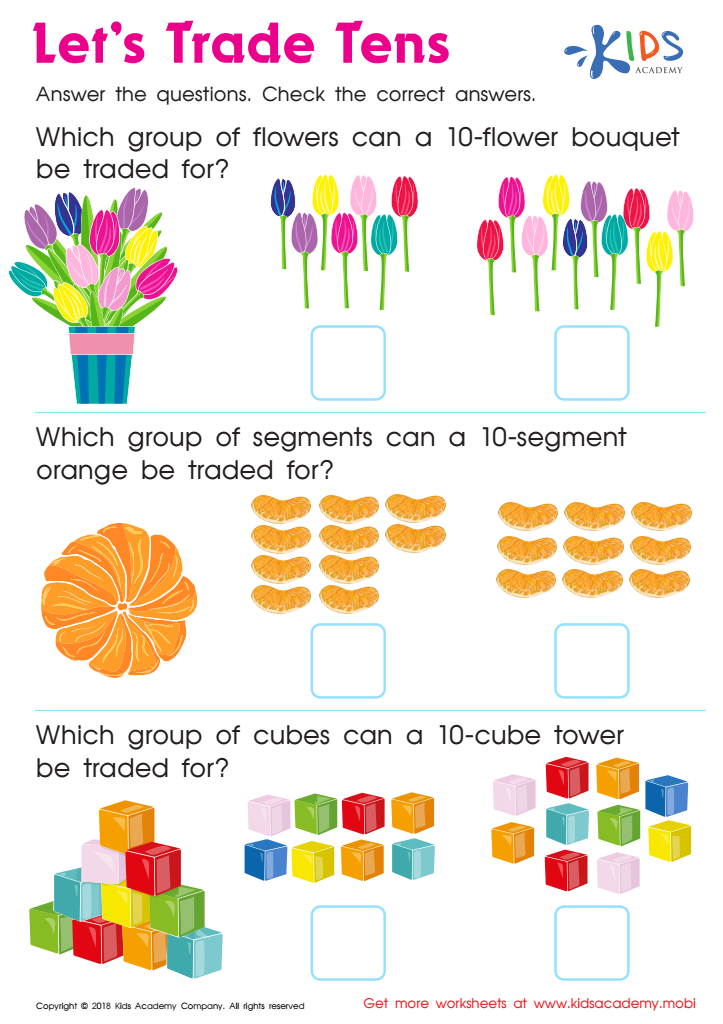
Lets Trade Tens Worksheet
 Assign to My Students
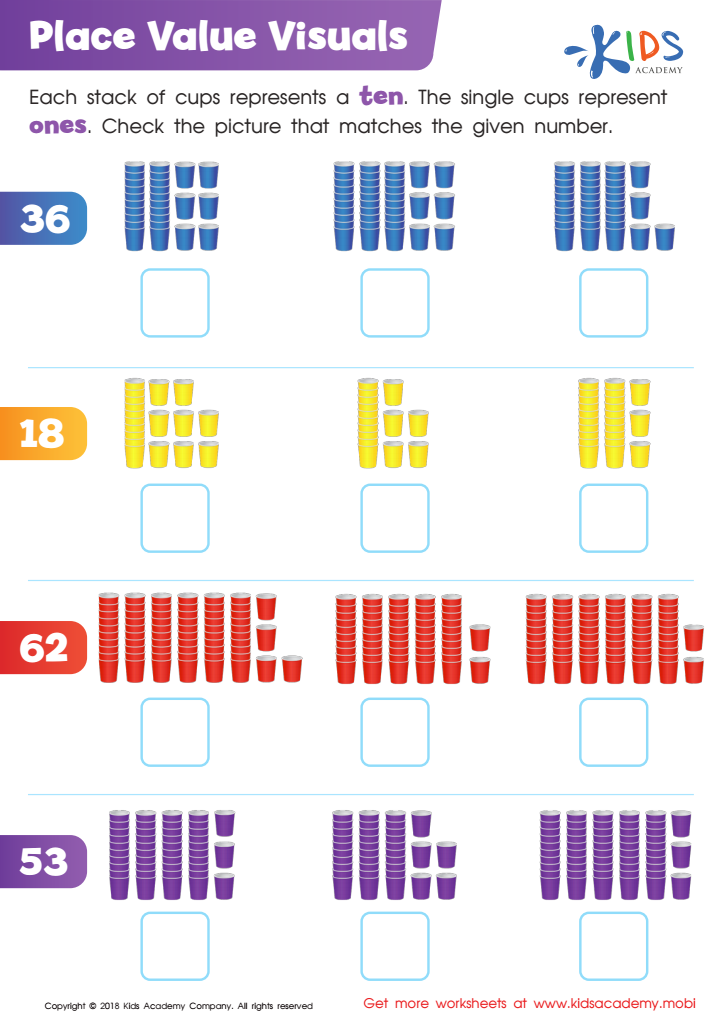
Place Value Visuals Worksheet
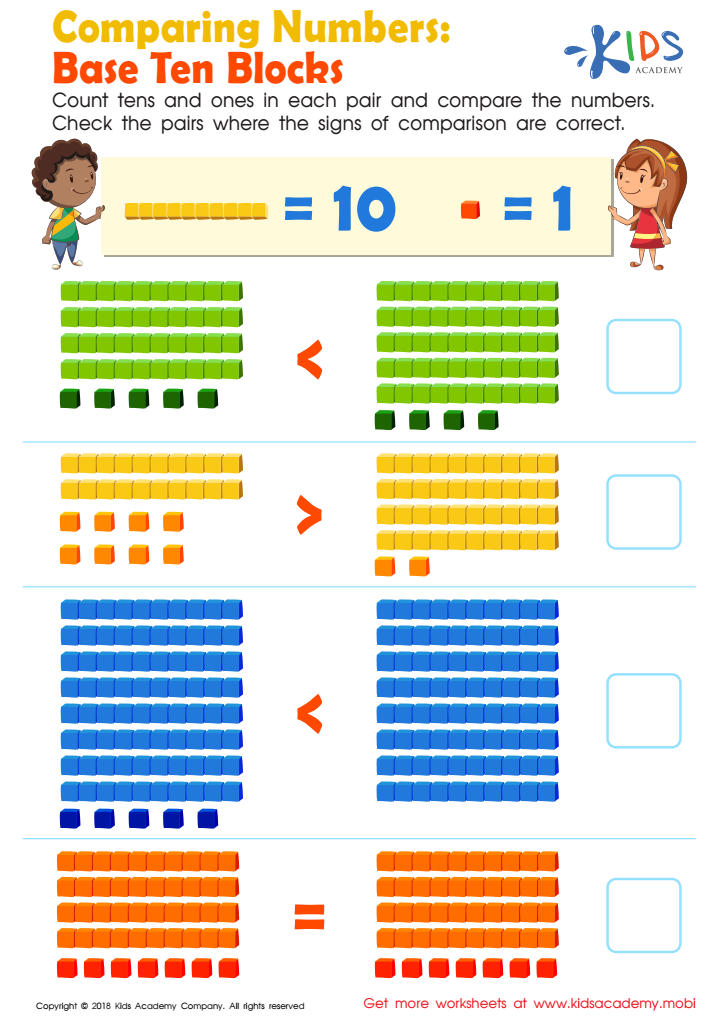
Comparing Numbers: Base Ten Blocks Worksheet
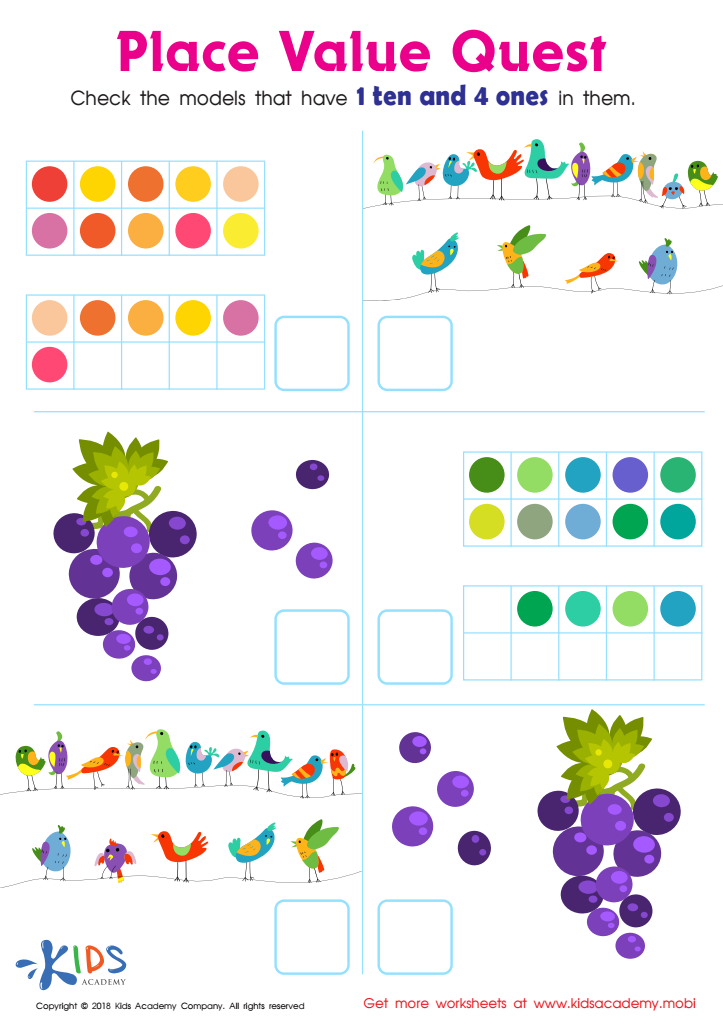
Place Value Quest Worksheet



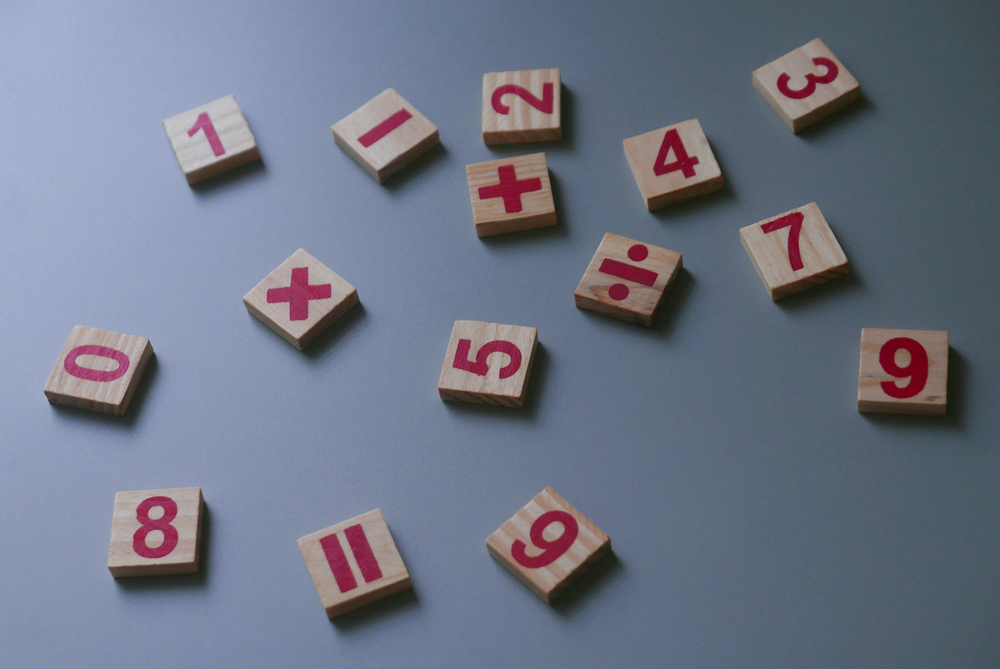




Understanding place value is a critical mathematical foundation for children ages 3-6. Place value refers to the numerical value that a digit has by virtue of its position in a number. This concept plays a fundamental role in promoting numerical literacy and computational skills.
Firstly, grasping place value helps children make sense of larger numbers by categorizing them into units, tens, hundreds, and beyond. For instance, in the number 123, understanding that ‘1’ represents one hundred, ‘2’ represents twenty, and ‘3’ represents three is essential. This logical structuring of numbers assists kids in performing more advanced math operations, such as addition, subtraction, multiplication, and division.
Secondly, place value encourages problem-solving and critical thinking. When children understand the significance of the digit based on its position, they can begin to mentally manipulate numbers and predict outcomes. This skill is invaluable for real-life situations requiring estimation and precise calculation.
Lastly, early comprehension of place value lays down a solid groundwork for future math learning. Without this fundamental understanding, advanced mathematical concepts encountered in later grades can appear intimidating and confusing.
Therefore, parents and teachers should prioritize teaching place values to instill a deep, intuitive understanding of numbers in young learners, thereby setting the stage for ongoing academic success in mathematics.








