Visual discrimination Normal Math Worksheets for Ages 3-6
8 filtered results
-
From - To
Foster your child's visual discrimination skills with our engaging Math Worksheets designed for ages 3-6. These worksheets are expertly crafted to help young learners differentiate between shapes, sizes, and patterns, which are crucial for early mathematical development. With colorful images and interactive exercises, children will enjoy the process of learning as they enhance their attention to detail and cognitive abilities. Ideal for both classroom and home use, our resources provide a fun and effective way to support fundamental math skills through playful practice and visual exploration. Explore our collection to give your child a strong start in math!
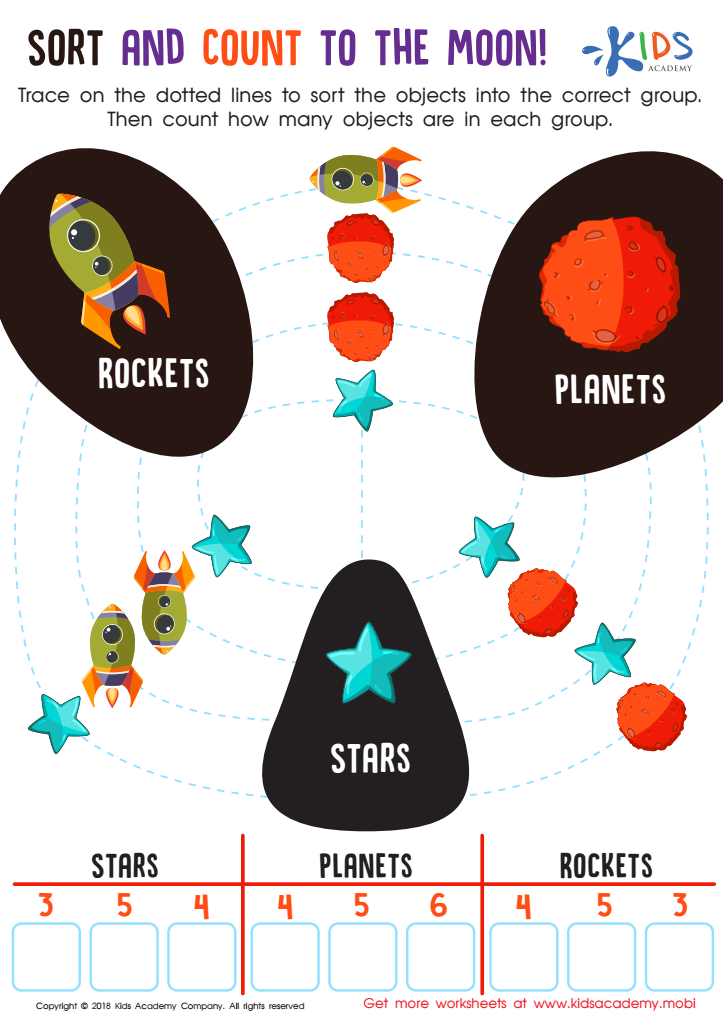
Sort and Count to the Moon Worksheet
 Assign to My Students
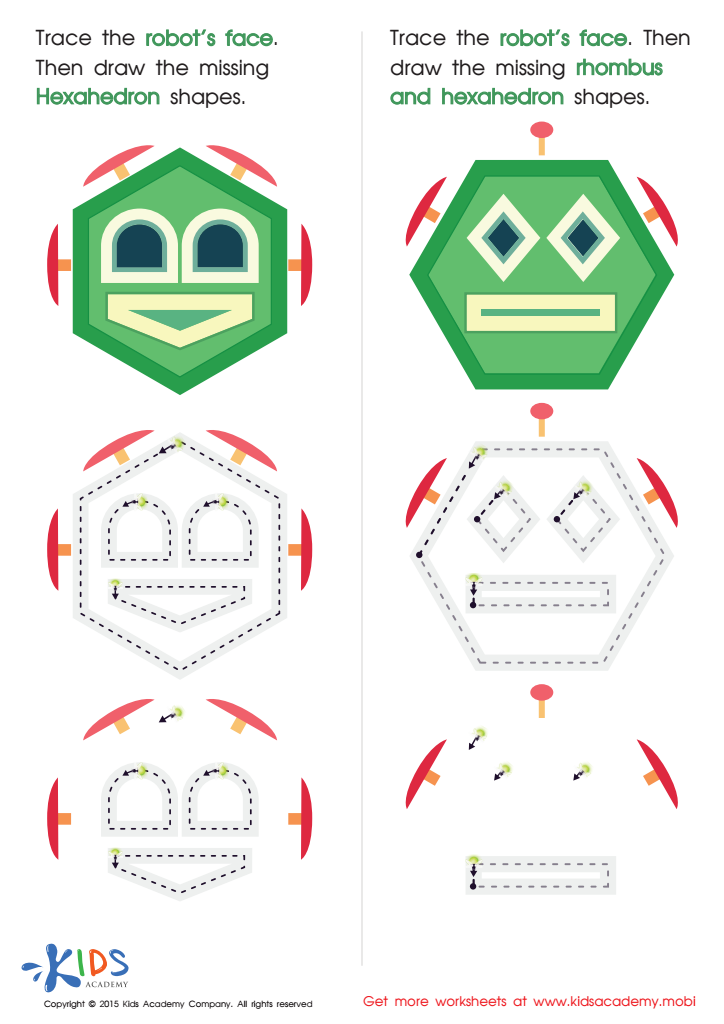
Practice Drawing Hexahedrons And a Rhombus Worksheet
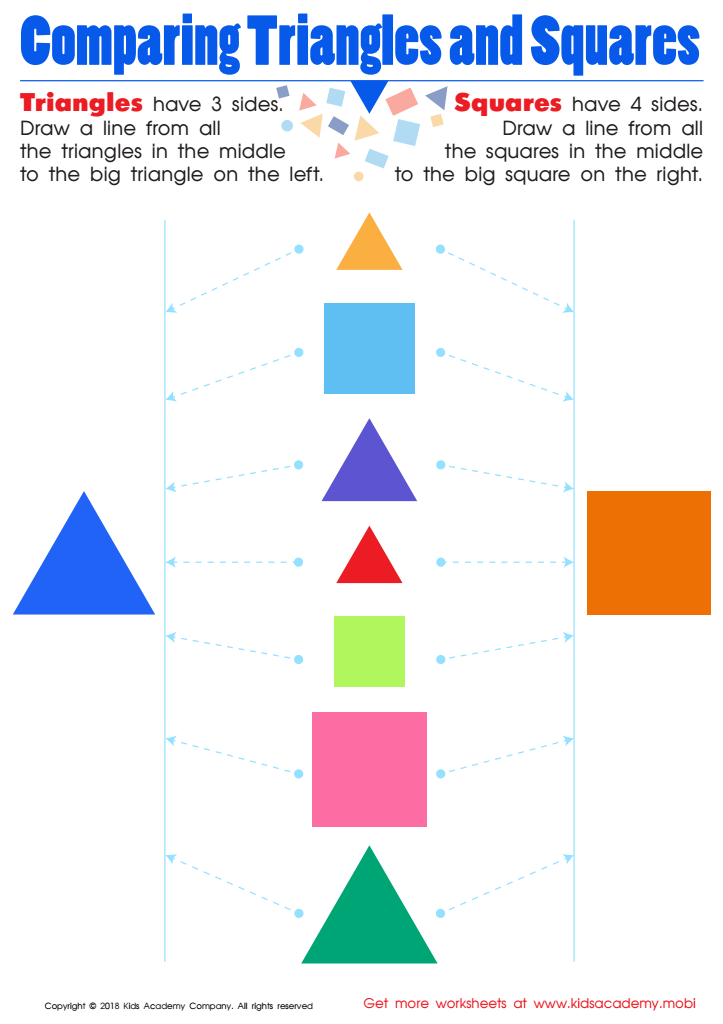
Comparing Triangles Squares Worksheet
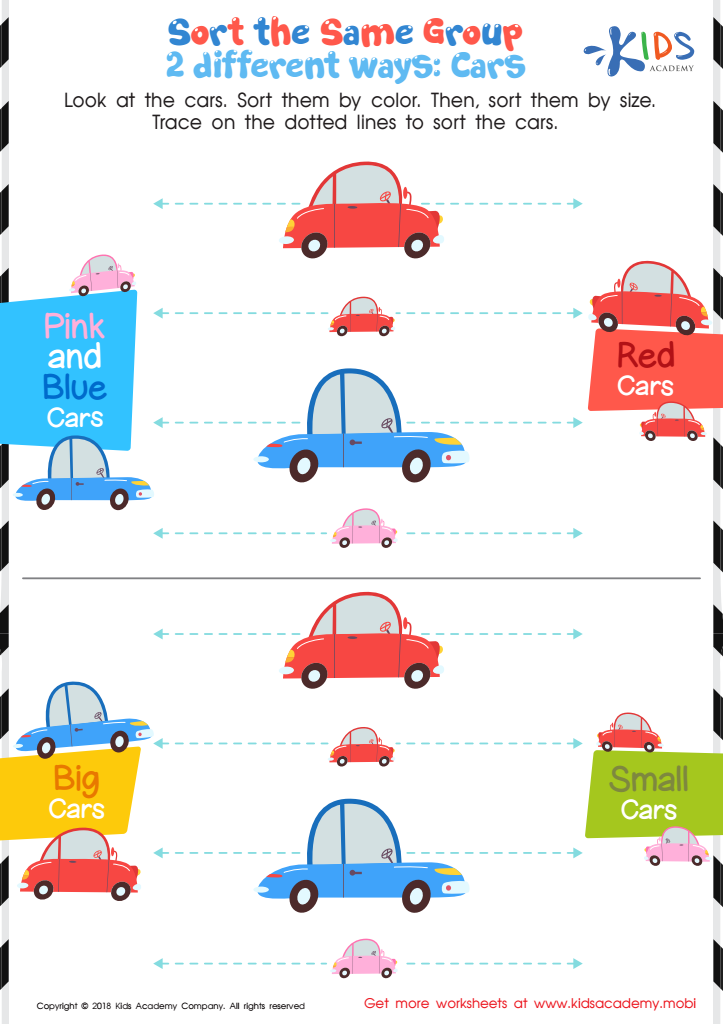
Sort the Same Group 2 Different Ways: Cars Worksheet
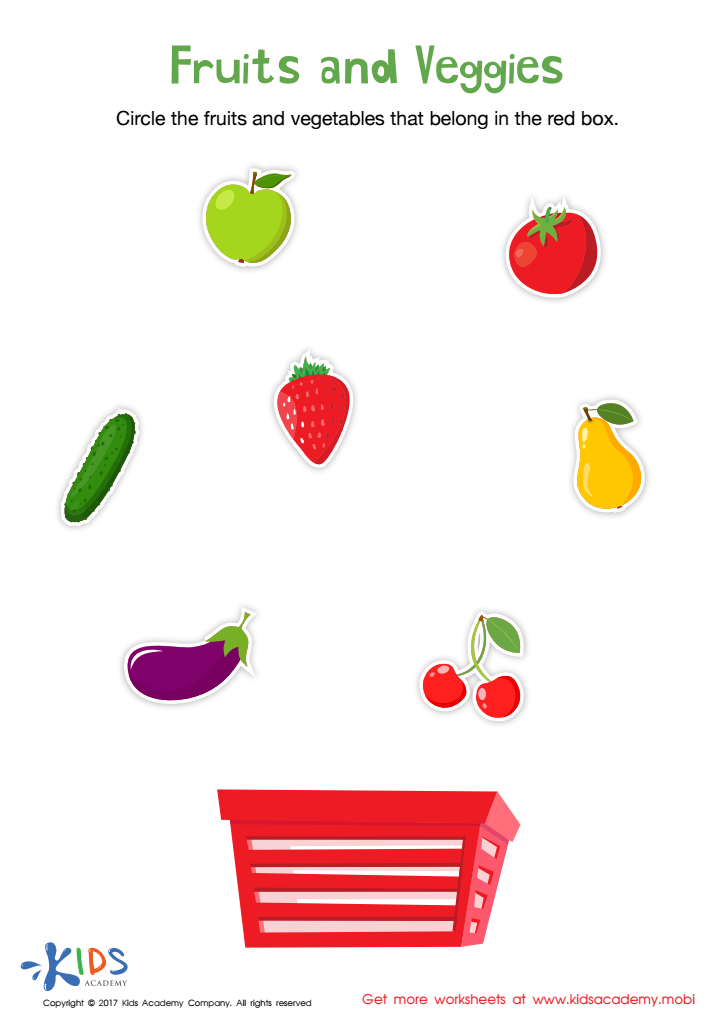
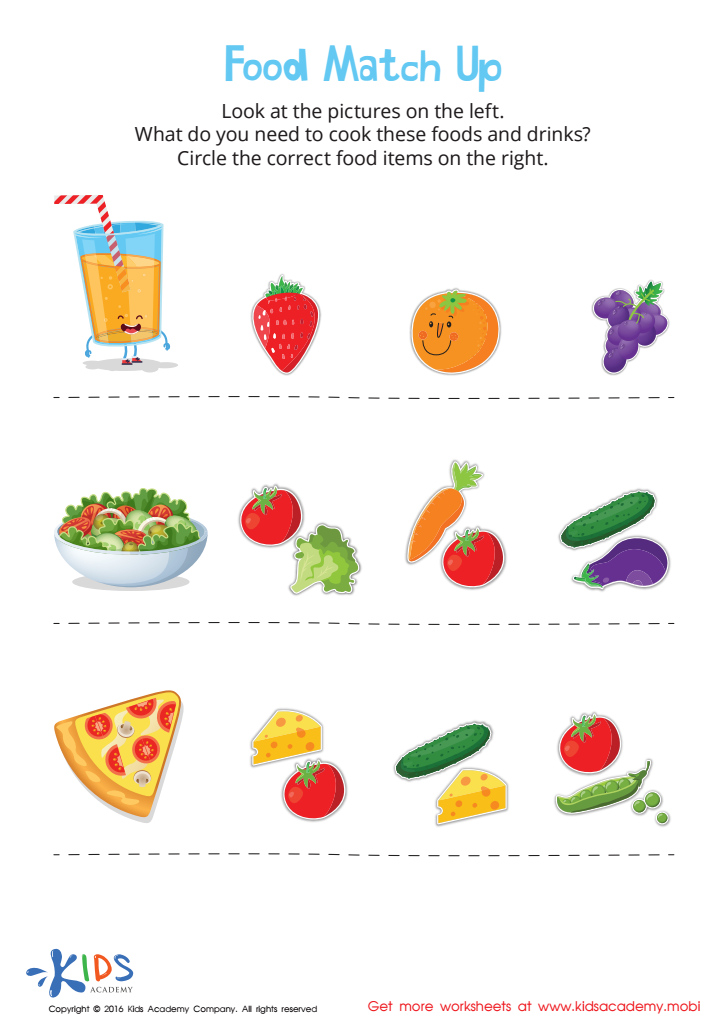
Food Match Up Worksheet
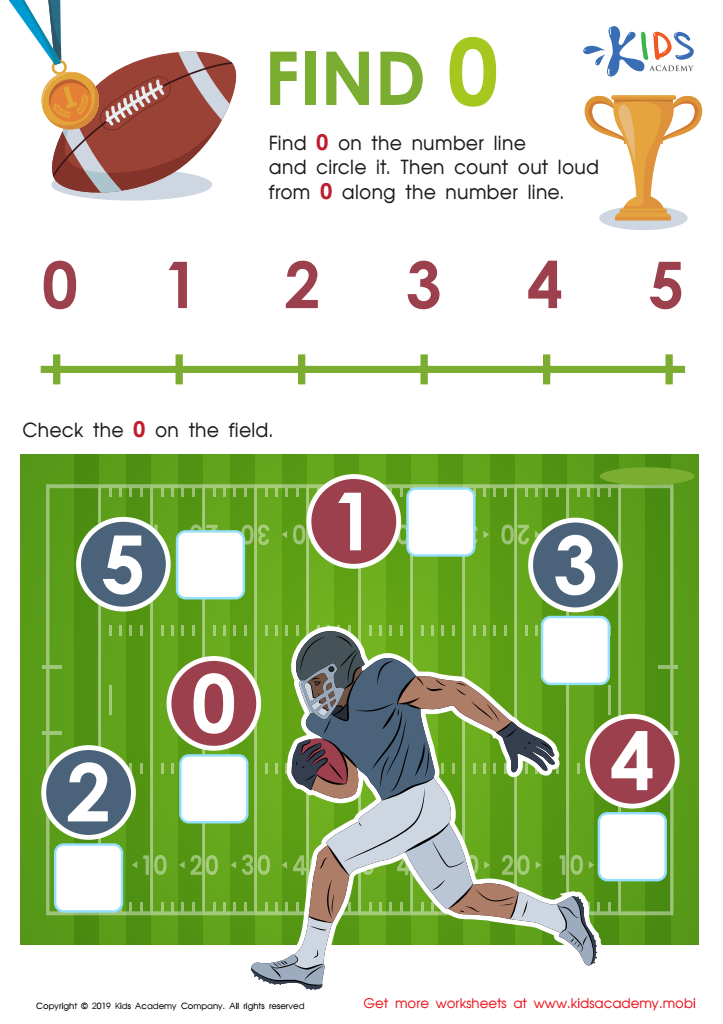
Find 0 Worksheet
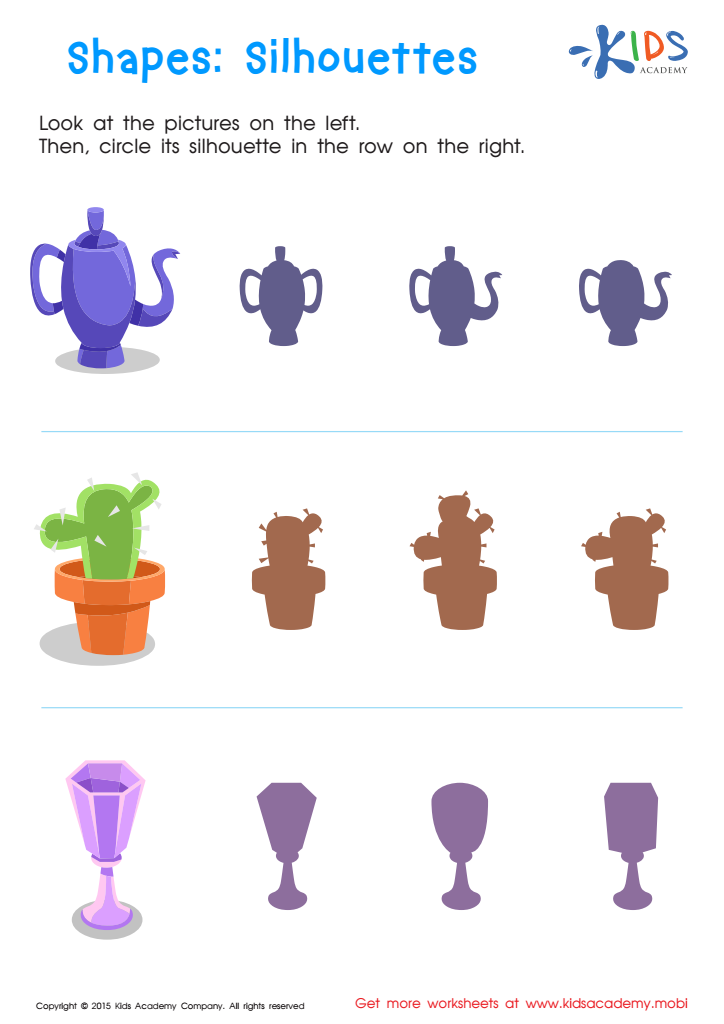
Silhouettes – Shapes Worksheet







Visual discrimination is the ability to discern and differentiate between visual stimuli, such as shapes, colors, and patterns, which are foundational skills for young children aged 3-6. Parents and teachers should be attentive to nurturing this cognitive ability because it directly impacts emergent literacy and numeracy skills, prerequisites for academic success.
At ages 3-6, children are in a critical early learning period where foundational concepts in both language and math are established. Visual discrimination aids children in distinguishing between similar-looking letters (e.g., “b” and “d”) and numbers (e.g., “6” and “9"), an essential skill for reading and writing. In terms of mathematics, it helps children recognize different shapes and patterns, which are introductory geometry and algebra concepts they will build upon through their school years.
Moreover, visual discrimination is crucial for everyday tasks, such as following directions, identifying objects, and understanding visual information in their environment. By fostering this skill, adults can help enhance a child’s attentiveness, problem-solving abilities, and overall cognitive development. Activities like matching games, sorting exercises, and puzzles tailored to enhance visual discrimination can make learning fun and engaging, setting a strong groundwork for more complex math and reading tasks ahead. Thus, investing time and resources to support visual discrimination development in early childhood can lead to long-term educational benefits.








