Visual perception improvement Normal Math Worksheets for Ages 3-6
4 filtered results
-
From - To
Enhance your child's visual perception skills with our engaging Normal Math Worksheets designed specifically for ages 3-6. These worksheets offer a fun and interactive approach to learning, featuring colorful activities that stimulate young minds and improve critical visual perception abilities. Kids will explore patterns, shapes, and spatial awareness through a variety of math challenges tailored to their developing skills. Perfect for parents and teachers, our printable resources support early learning curricula while promoting cognitive growth and problem-solving. Equip your little ones with essential abilities for future success in math and beyond! Explore the joy of learning with our visual perception improvement worksheets today!
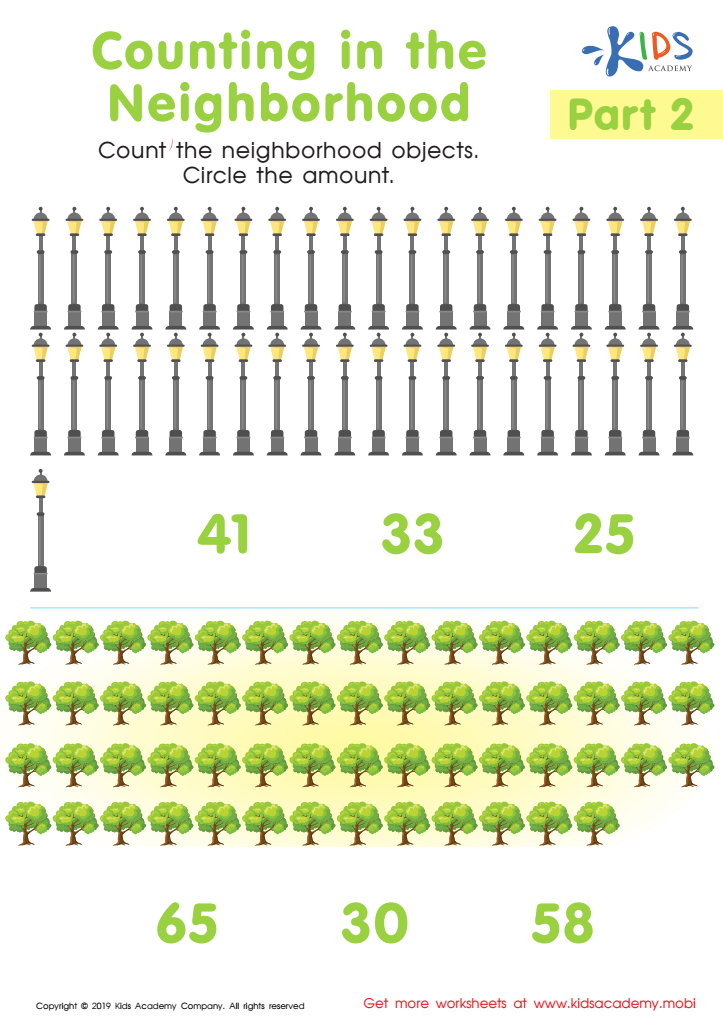
Counting In The Neighborhood Part 2 Worksheet
 Assign to My Students
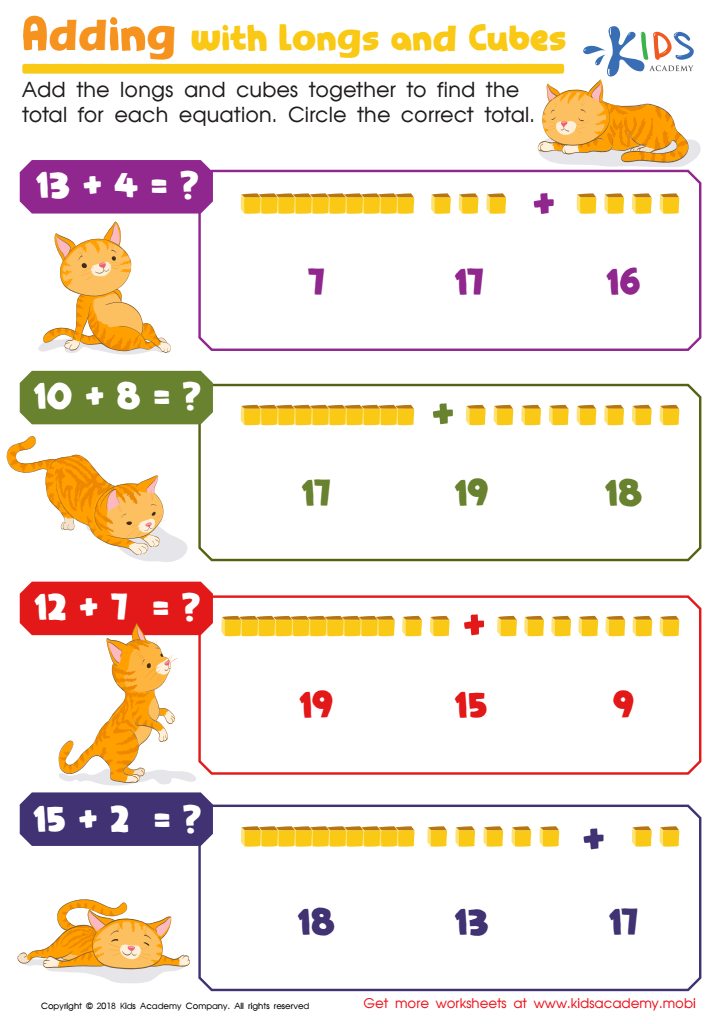
Adding With Longs and Cubes Worksheet
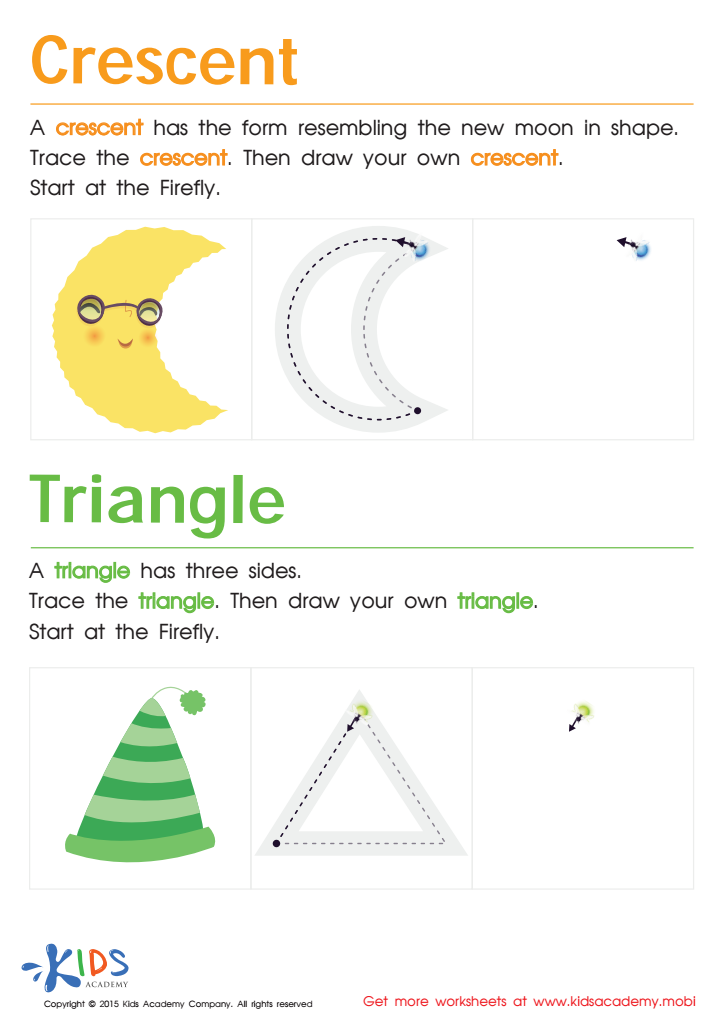
Learning to Draw Crescents And Triangles Worksheet
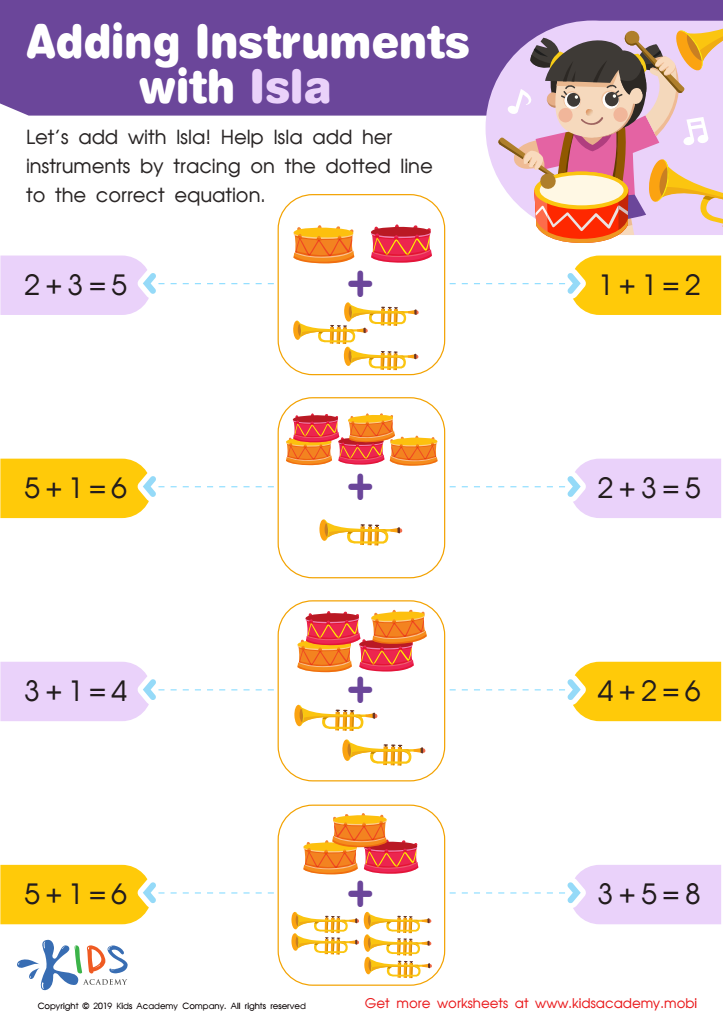
Adding Instruments with Isla Worksheet








Visual perception is a crucial skill for children aged 3-6 as it significantly impacts their overall learning and development, particularly in mathematics. Parents and teachers should prioritize visual perception improvement for several reasons.
Firstly, visual perception skills help children understand and interpret visual information, which is essential for recognizing numbers, shapes, and patterns—core components of early math. By enhancing these skills, children become better equipped to count, sort, and categorize objects, laying a solid foundation for future mathematical concepts.
Secondly, children with strong visual perception can more easily follow instructions and visualize problems, facilitating smoother transitions from hands-on activities to abstract thinking. This analytical ability is vital for problem-solving and critical thinking later on.
Furthermore, engaging in activities designed to improve visual perception fosters cognitive development, creativity, and fine motor skills, enriching the overall educational experience.
Ultimately, by supporting visual perception improvement, parents and teachers empower children to build confidence, foster a love for learning, and succeed academically. Investing in these early skills not only benefits mathematical abilities but also prepares children for the complexities of their educational journey ahead.








