Number Recognition Normal Place Value Worksheets for Ages 3-6
5 filtered results
-
From - To
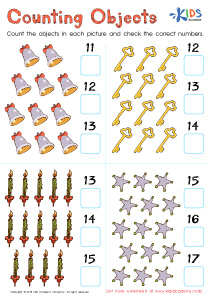
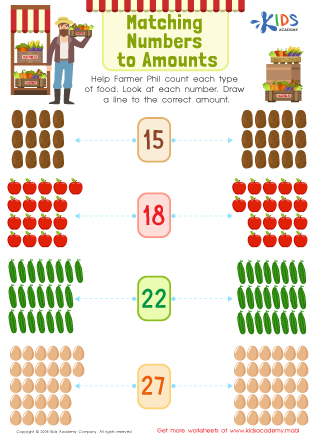
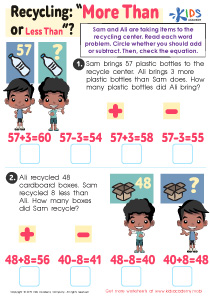
Explore our engaging "Number Recognition and Normal Place Value Worksheets" designed for ages 3-6. These worksheets are tailored to enhance early math skills, helping young learners recognize numbers and understand place value concepts in a fun and interactive way. Our activities include colorful visuals and relatable examples that captivate children’s attention, making learning enjoyable. Perfect for parents and educators, these resources support cognitive development and prepare kids for future math challenges. Download free worksheets from Kids Academy now, and watch your little ones blossom in their number recognition journey while building a strong foundation for math success!
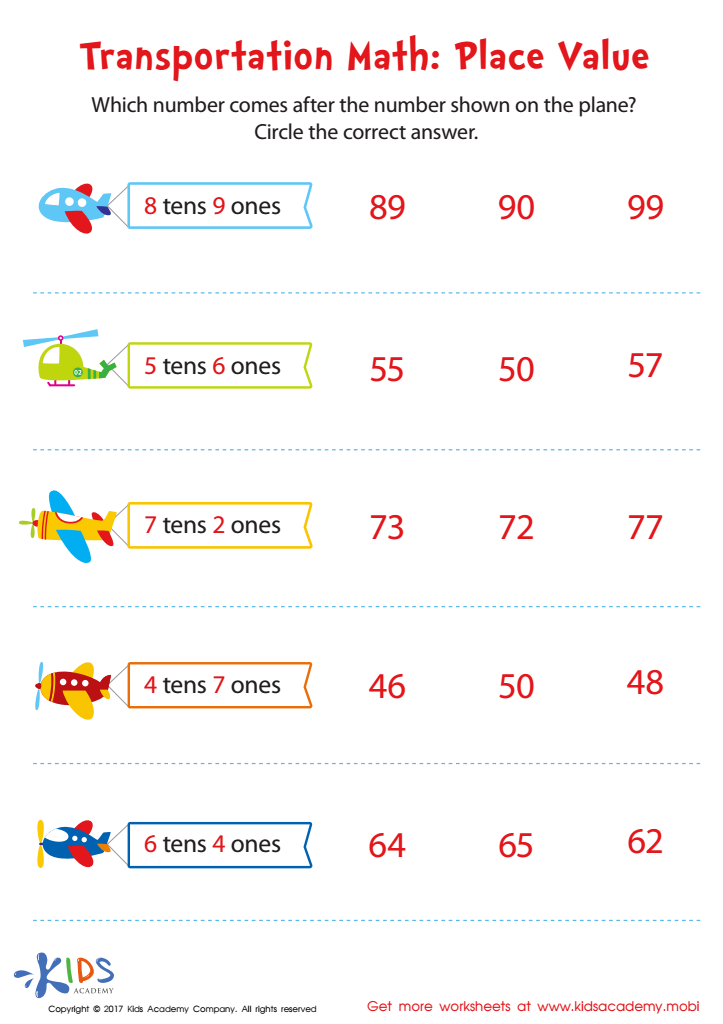
Transportation Math Printable
 Assign to My Students
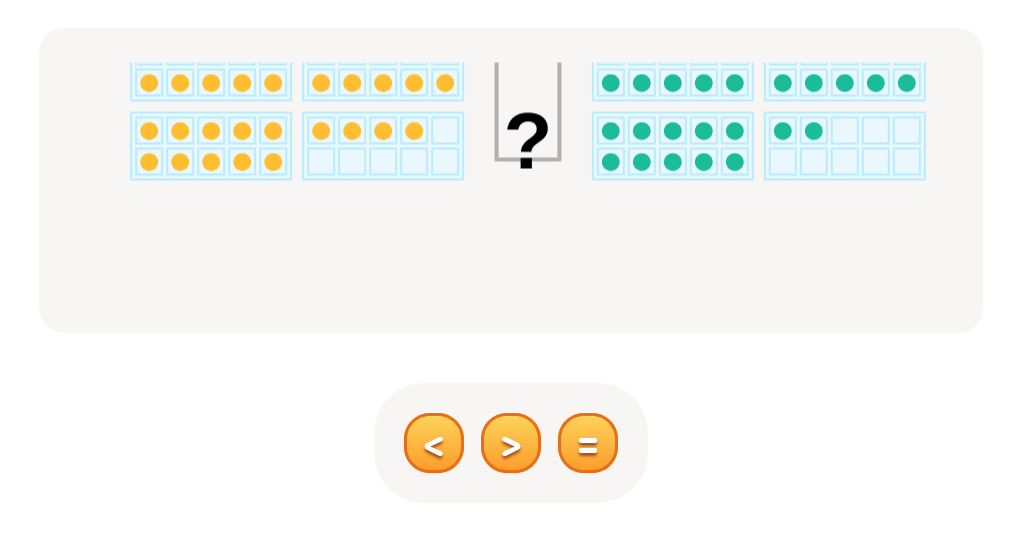

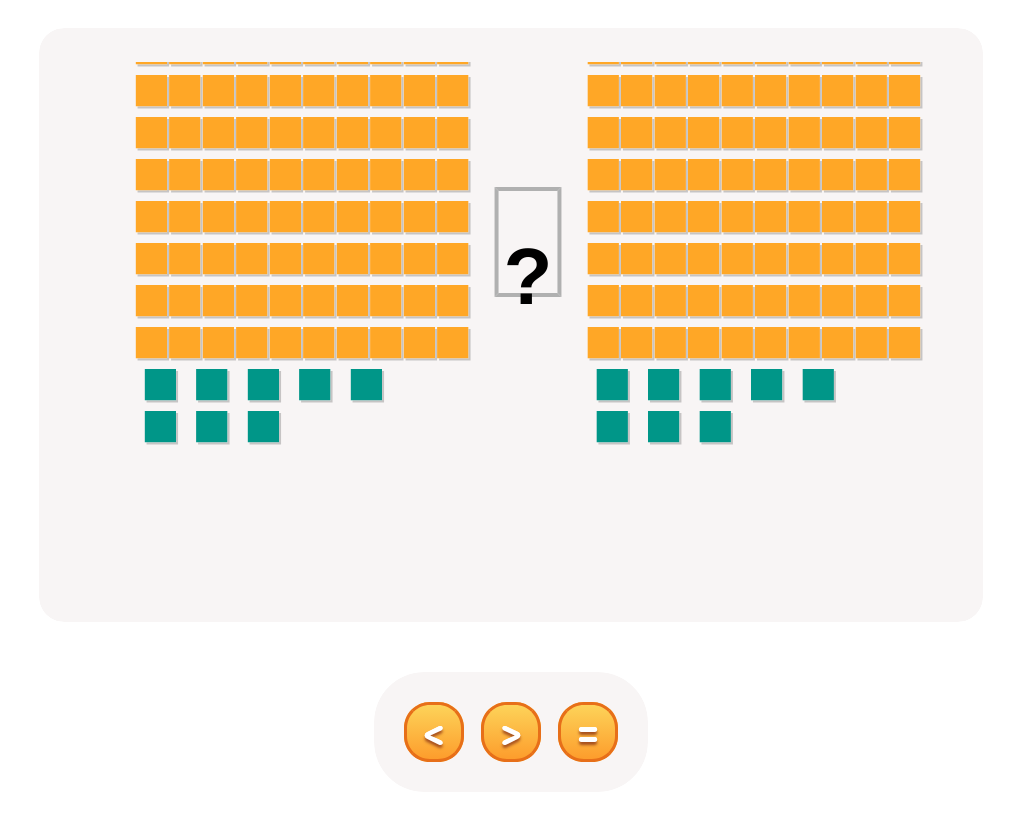
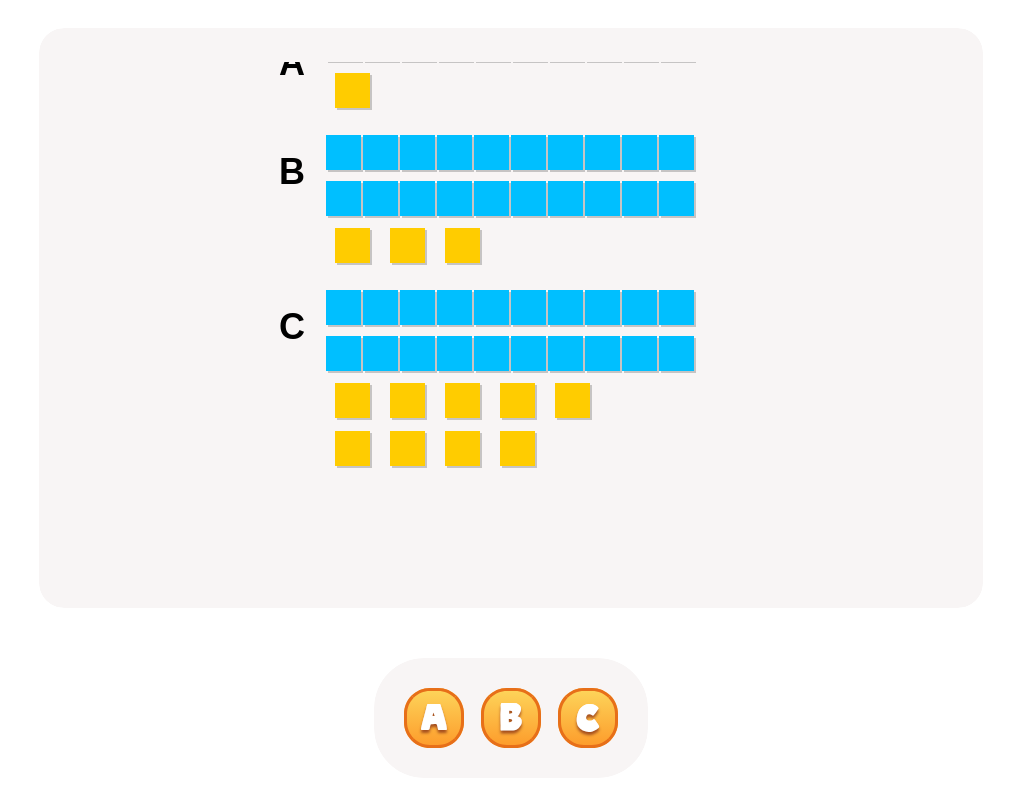
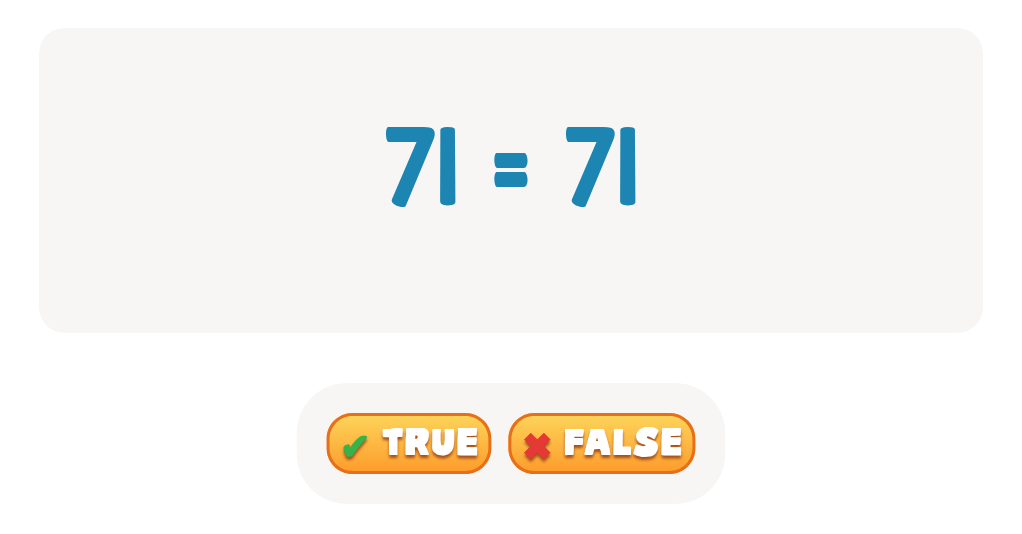
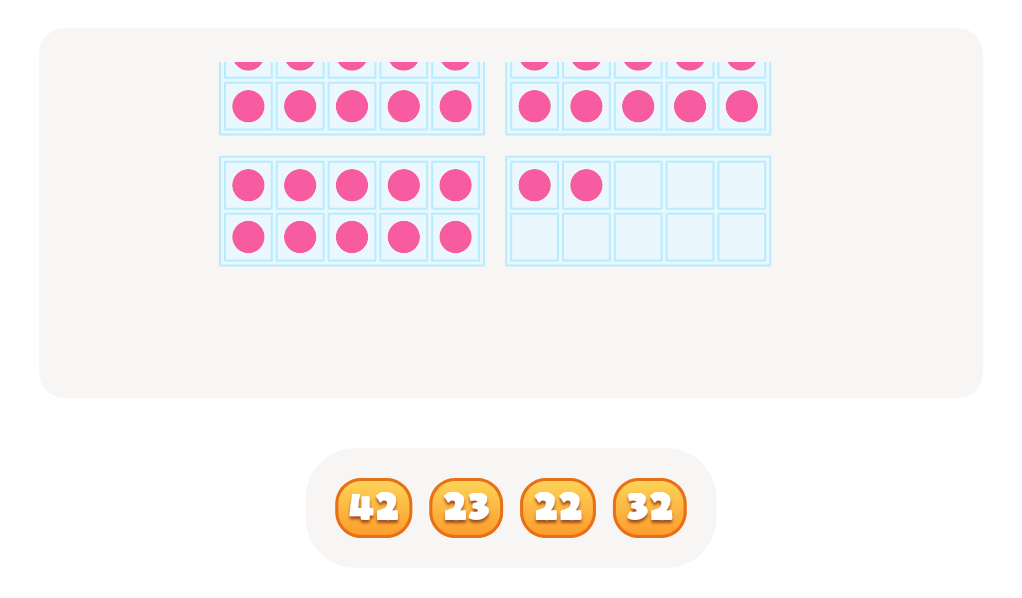
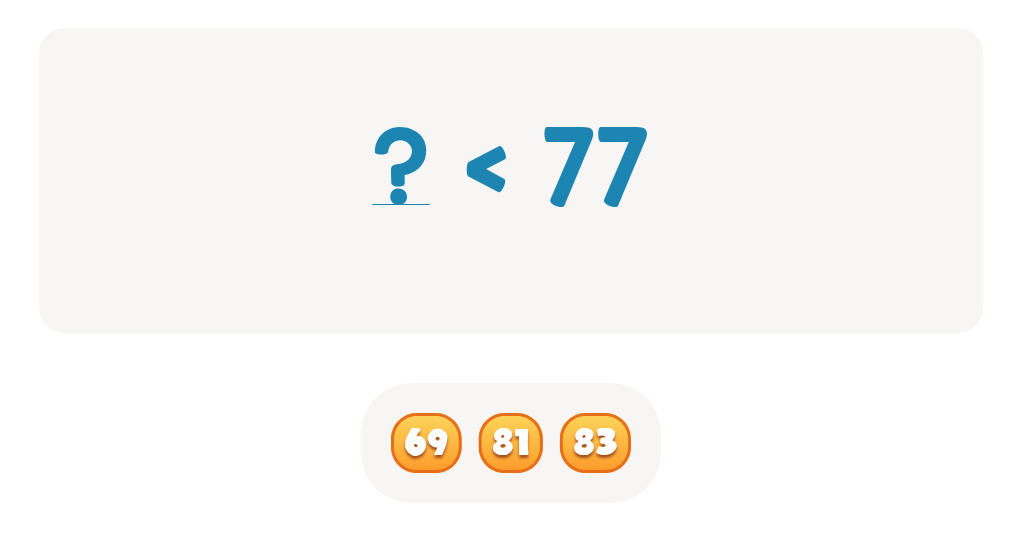
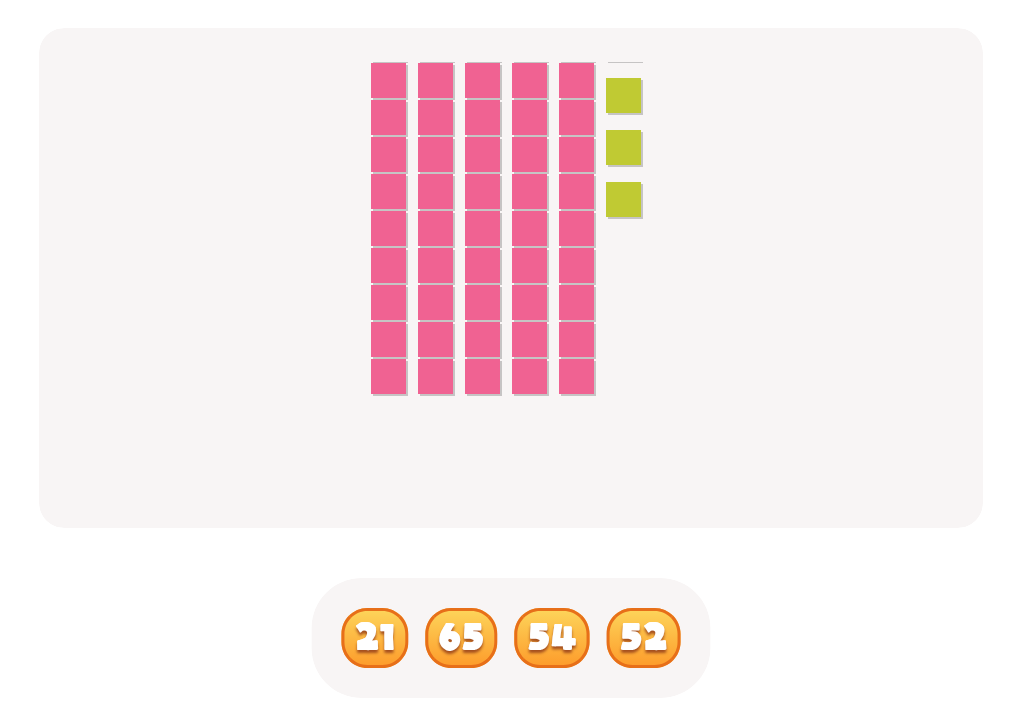
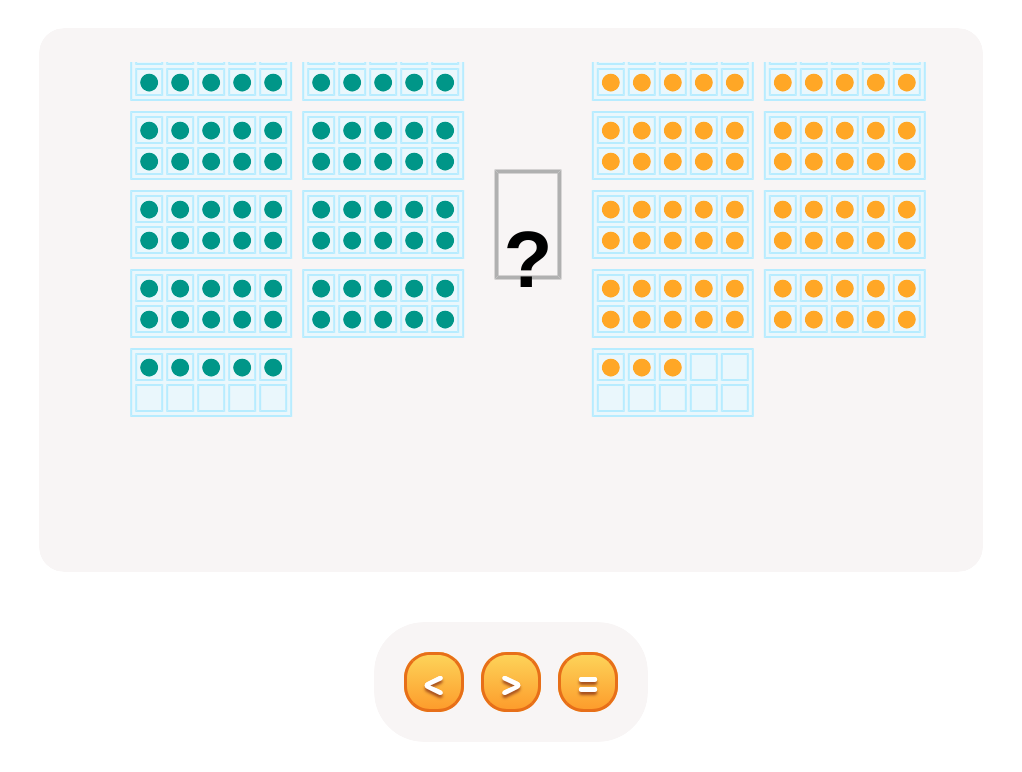
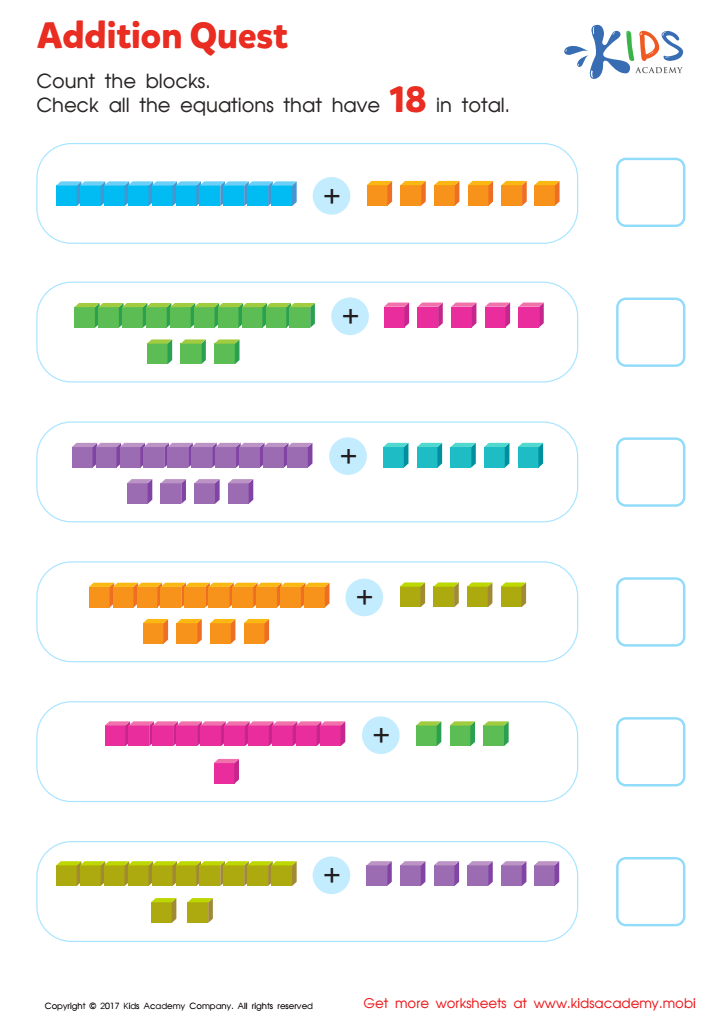
Addition Quest Worksheet: Part 2
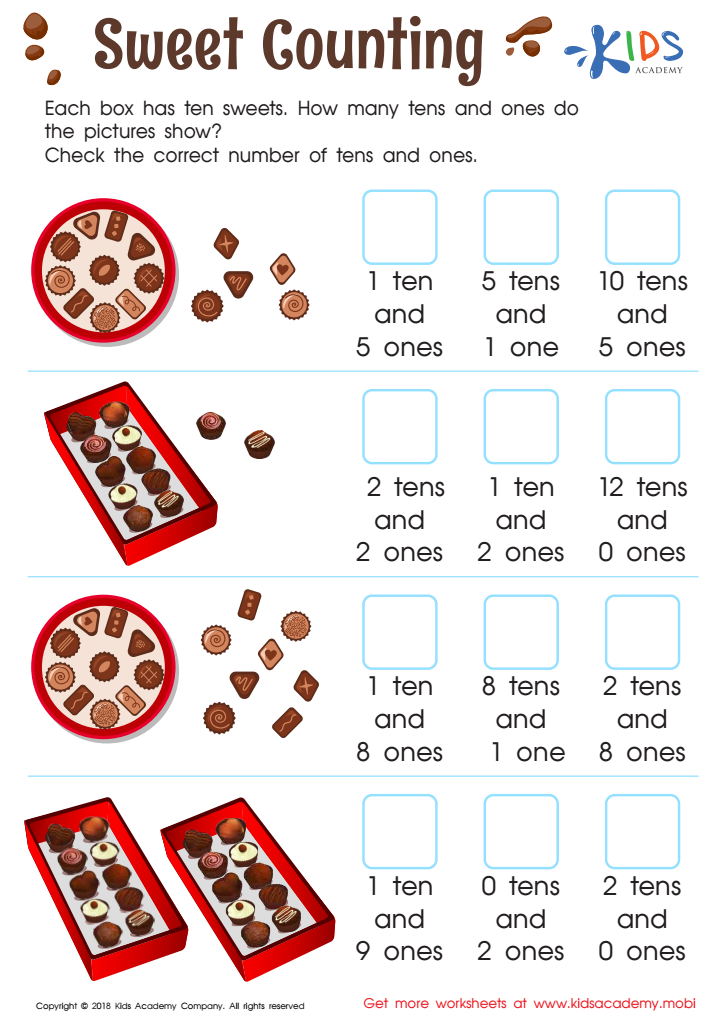
Sweet Counting - Part 2 Worksheet
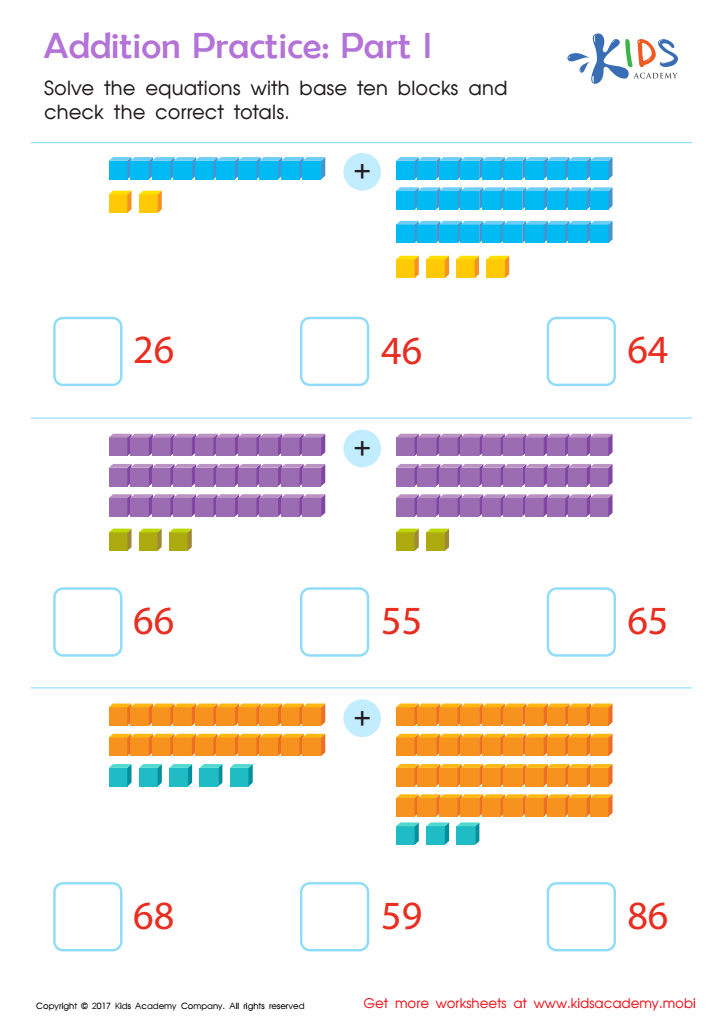
Addition Practice Sheet: Part 1
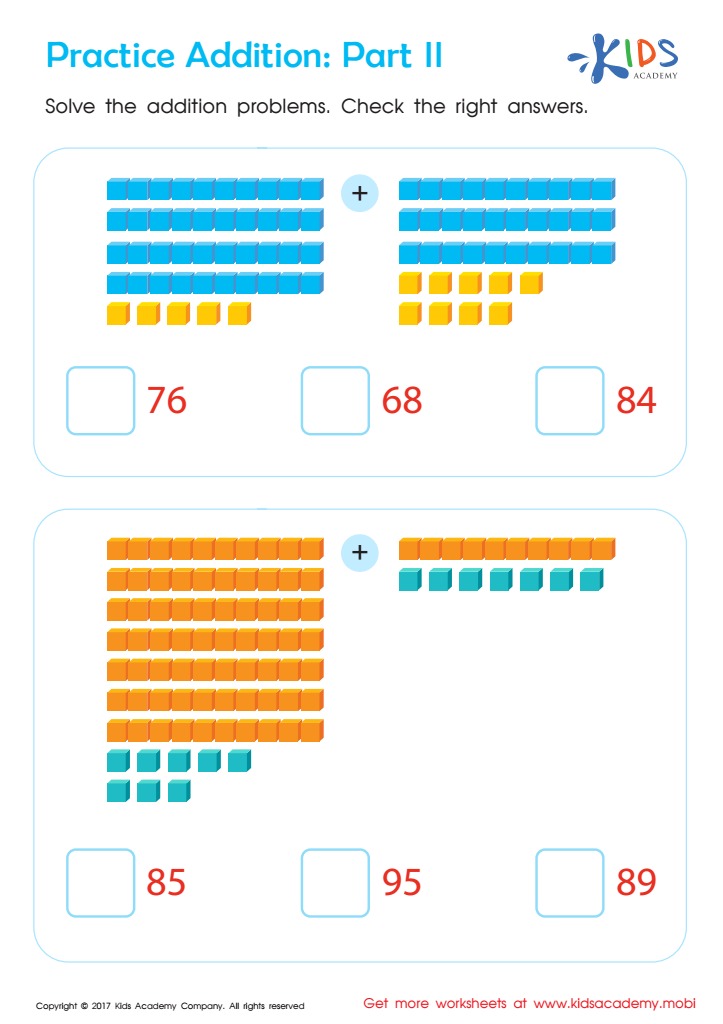
Practice Addition: Part 2 Worksheet



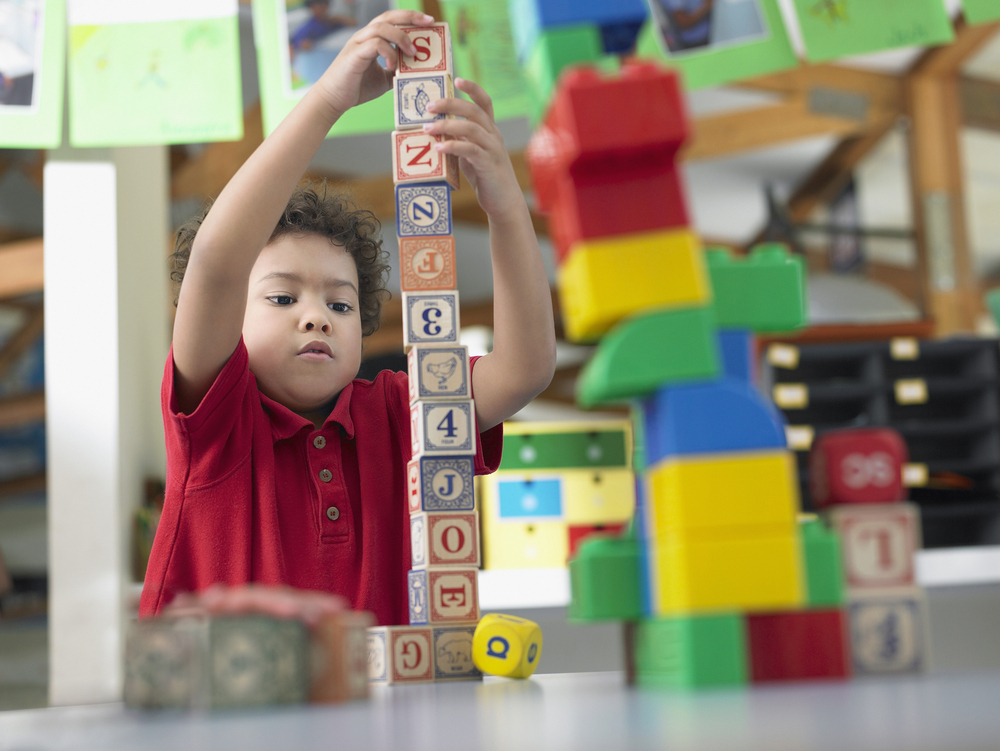




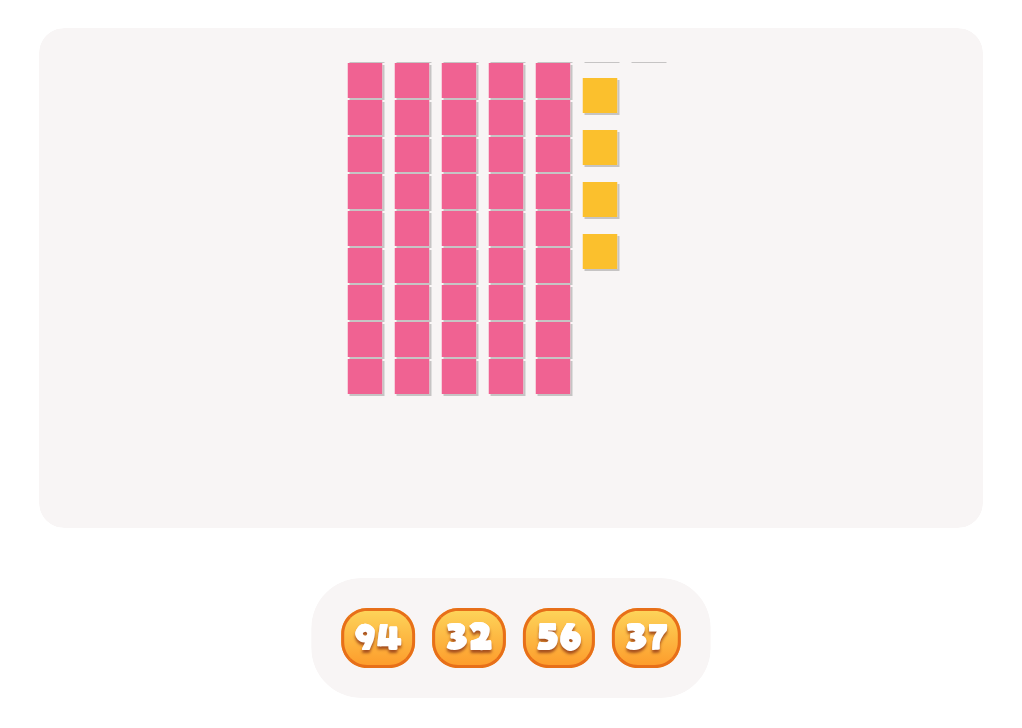
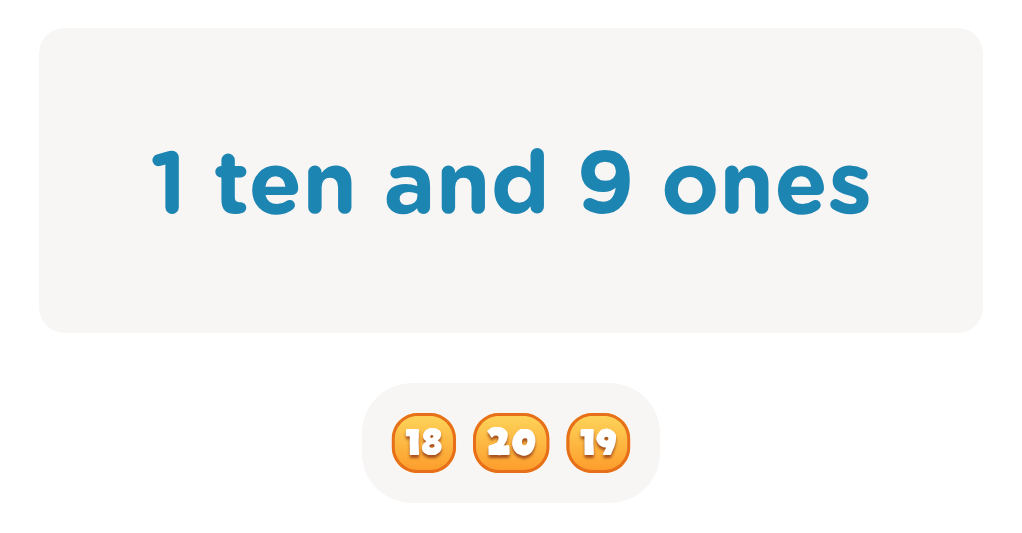
Number recognition and an understanding of place value are foundational skills crucial for young children aged 3-6. These skills lay the groundwork for future mathematical development. Recognizing numbers helps children identify quantities and develop counting skills, which are essential for everyday tasks like shopping or sharing toys. When children grasp normal place value, they begin to understand that numbers are composed of different values depending on their position; for example, in the number 12, the '1' represents one ten and the '2' represents two ones.
For parents and teachers, fostering these skills through engaging activities can greatly enhance a child's confidence and enjoyment of math. Making learning fun through games, songs, and hands-on activities can help solidify these abstract concepts in a concrete manner. Additionally, understanding these fundamentals aids in problem-solving and critical thinking skills later on.
Moreover, early mastery of number recognition and place value prepares children for more complex math concepts in the upper grades, reducing anxiety towards mathematics. Children's attitudes towards math can fundamentally shape their future academic journeys. Therefore, strong advocacy from parents and educators is vital in ensuring that every child reaches their fullest potential in numeracy.