Logical Reasoning Normal Word Problems Worksheets for Ages 3-6
4 filtered results
-
From - To
Welcome to our collection of "Logical Reasoning Normal Word Problems Worksheets for Ages 3-6." Designed specifically for young learners, these engaging worksheets help develop critical thinking and problem-solving skills essential at this age. Through fun and relatable scenarios, children will practice basic math concepts while learning to reason logically. Each worksheet is thoughtfully crafted to be age-appropriate, ensuring that little ones not only understand but also enjoy these activities. Ideal for parents, educators, and caregivers, these resources aim to build a strong mathematical foundation while making learning enjoyable and effective for young minds. Discover our vibrant educational tools today!
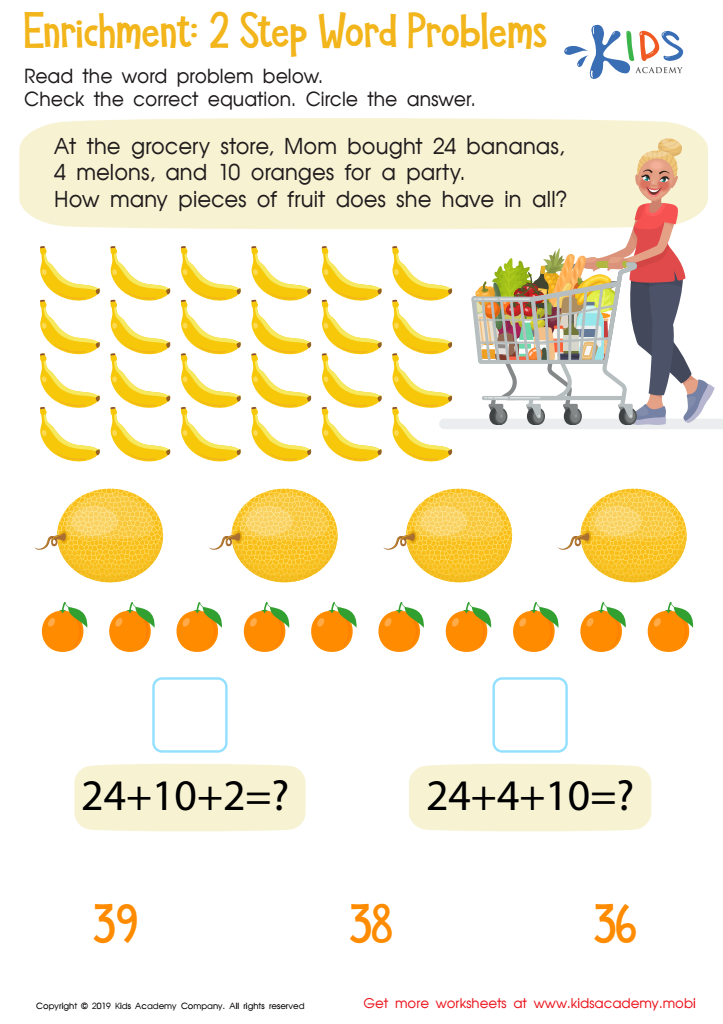
Enrichment -2 Step Word Problems Worksheet
 Assign to My Students
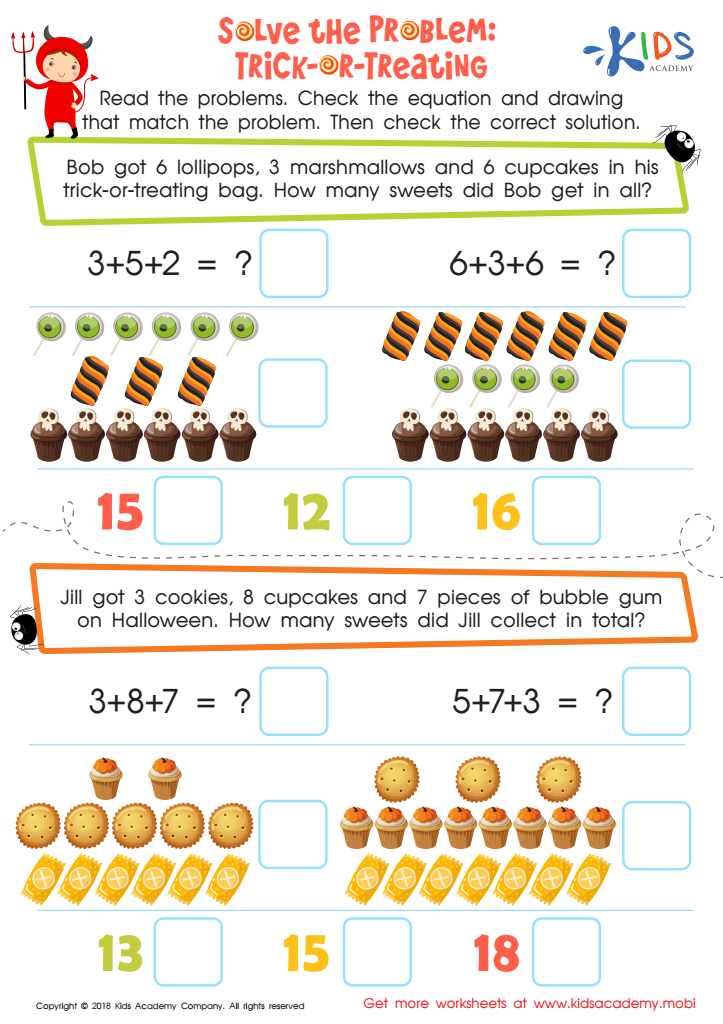
Solve the Problem: Trick–or–treating Worksheet
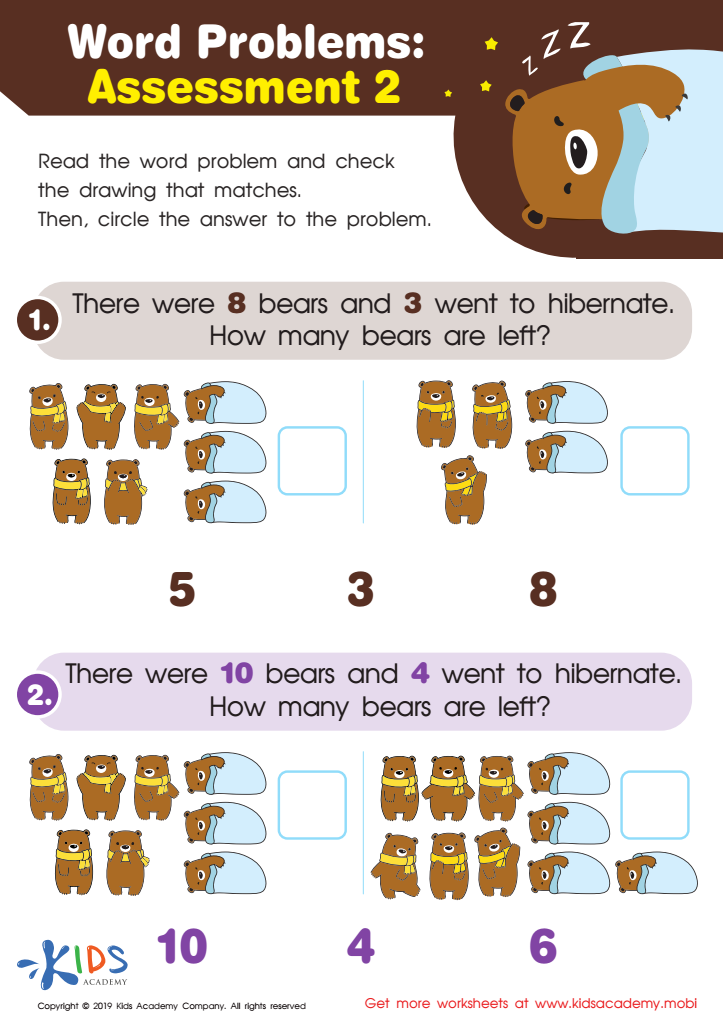
Word Problems: Assessment 2 Worksheet
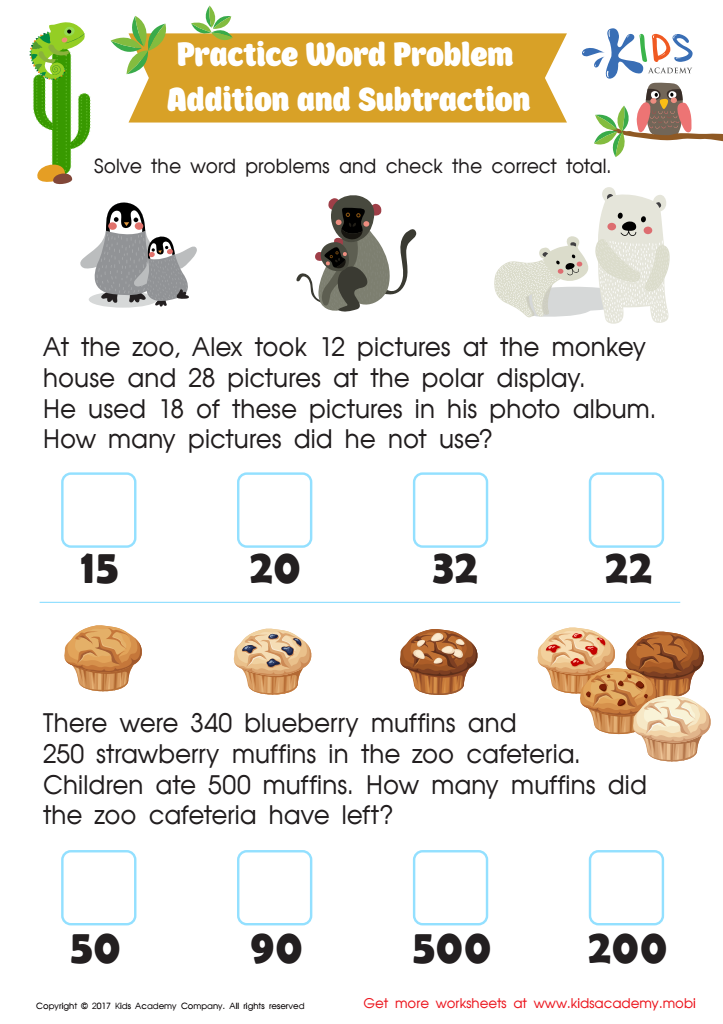
Addition and Subtraction: Word Problems Worksheet





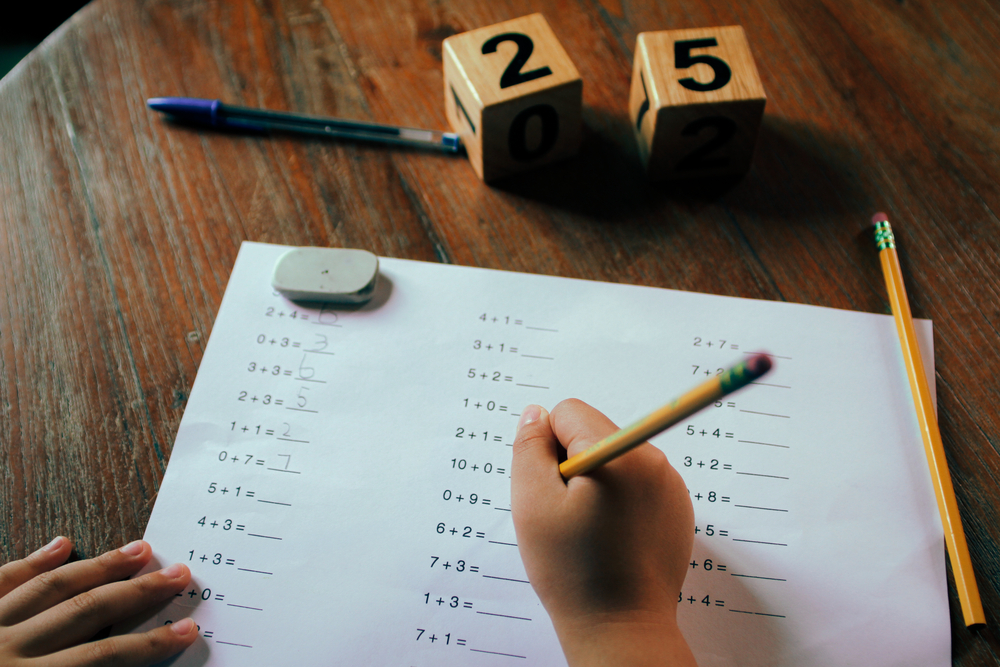


Parents and teachers should care about logical reasoning activities and word problems for children aged 3-6 because they are foundational for cognitive development. These early years are critical for brain development, and engaging in logical reasoning helps build critical thinking skills. When young children tackle word problems, they learn to analyze situations, make decisions, and understand cause and effect, crucial abilities that can be applied in everyday life.
Moreover, logical reasoning aids in developing language skills and comprehension. As children listen to or read word problems, they enhance their vocabulary, improve sentence structure understanding, and learn to follow complex narratives. This kind of practice is invaluable for their emergent literacy skills, directly impacting their reading and writing abilities.
Activities that promote logical reasoning also foster perseverance and attention to detail, as children often need to try different strategies to solve problems. They learn from mistakes and understand that it is a part of the learning process, which builds resilience.
Lastly, early familiarity with logical reasoning and structured problem-solving often translates to better performance in future academic subjects, including mathematics, where these skills are crucial. Therefore, incorporating such problems at an early age can pave the way for more significant educational achievements and overall intellectual growth.








