Filters

6 filtered results

Clear all filters
Favorites
With answer key
Interactive

6 filtered results

Difficulty Level

Grade


Discover our engaging "Number Recognition Normal Word Problems Worksheets" tailored for children ages 3-6! These worksheets are designed to help young learners master number recognition through fun and relatable word problems. Each activity encourages critical thinking and problem-solving skills as kids explore numbers within everyday scenarios. Perfect for parents and teachers, these resources support early math development and make learning enjoyable. With colorful illustrations and age-appropriate language, children will enhance their understanding of numbers while building confidence. Foster a love for math and watch your child thrive with our interactive and educational worksheets today!

Check out this FREE Trial Lesson on Word Problems for age 3-6!

Solve Tricky Number Situations by Drawing (3 numbers) - Part 1

Favorites
With answer key
Interactive
  • 3-6
  • Number Recognition
  • Word Problems
  • Normal
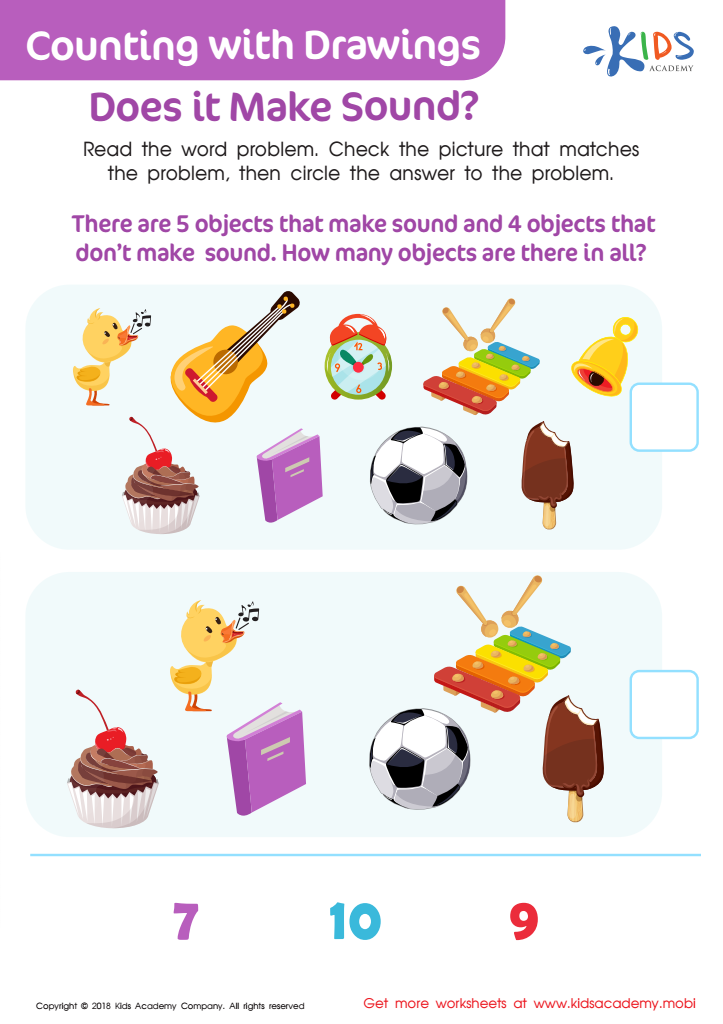
Counting With Drawings. Does It Make Sound? Worksheet

Counting With Drawings. Does It Make Sound? Worksheet

Introduce word problems with this simple worksheet. Ask your students to name the objects pictured, then read the word problem and ask them to circle the answer. With practice, it'll help them scale this challenging area of math.
Counting With Drawings. Does It Make Sound? Worksheet
Worksheet
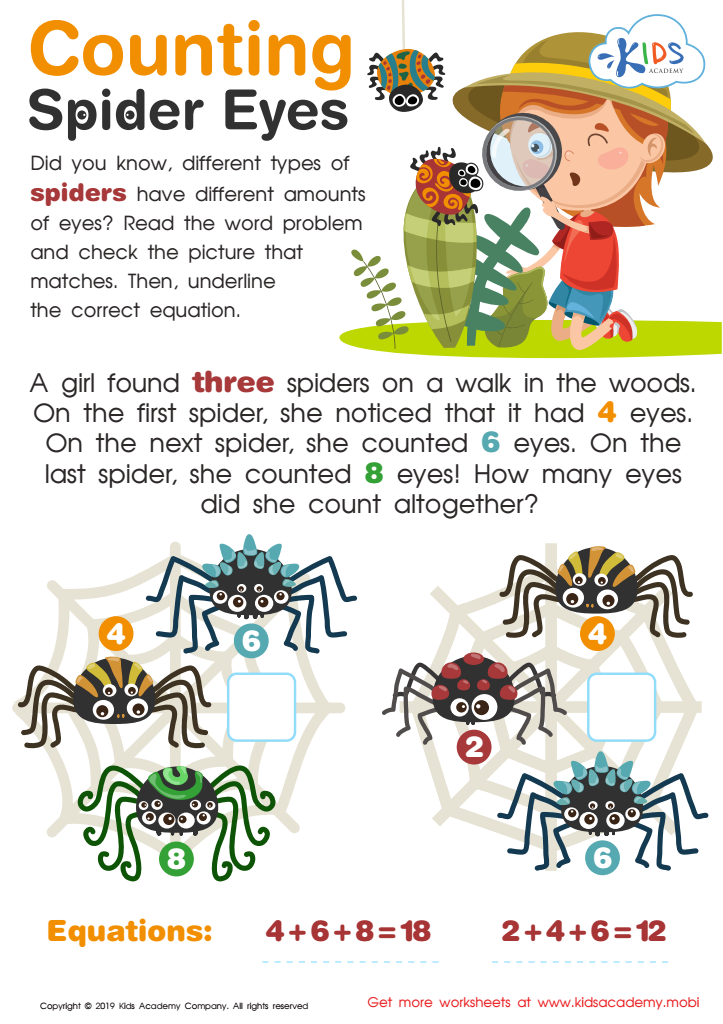
Counting Spider Eyes Worksheet

Counting Spider Eyes Worksheet

Did you know different spiders have different eye numbers? Kids will love learning this fact and solving the spider word problems on this free worksheet! Word problems promote a deeper understanding of the concept, plus they get to add up the spiders’ eyes while solving addition problems with more than one addend. Fun and math all in one!
Counting Spider Eyes Worksheet
Worksheet
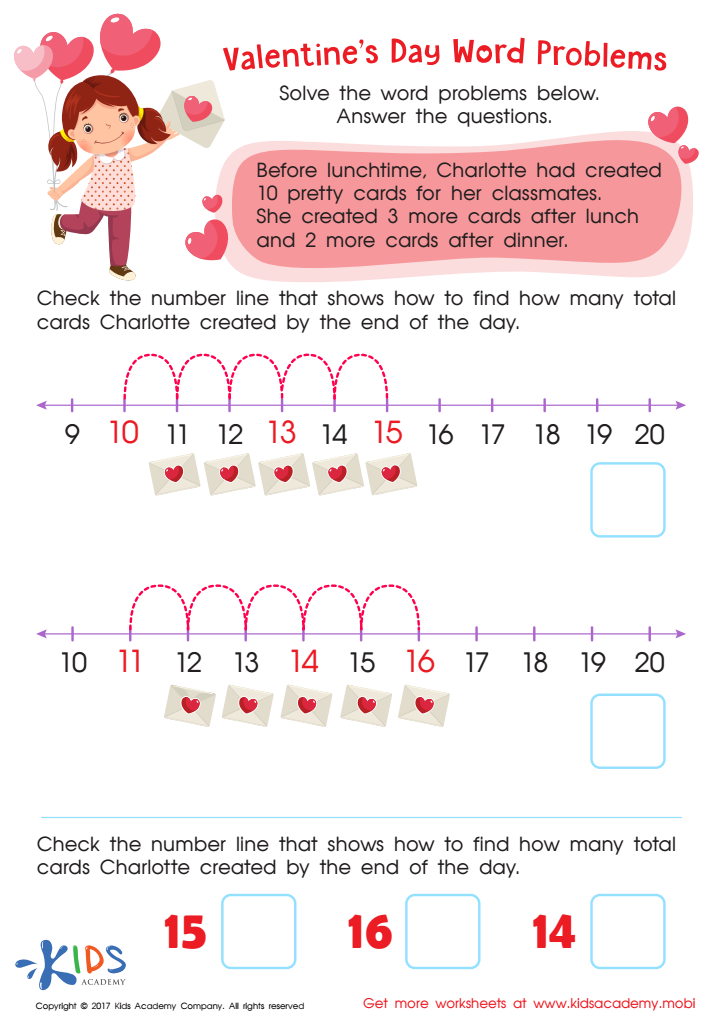
Valentine’s Day word problems worksheet

Valentines Day Word Problem Worksheet
This Valentine's Day worksheet will help your child practice using a number line to solve an addition problem. It's a great way to boost confidence and make solving word problems a breeze.
Valentines Day Word Problem Worksheet
Worksheet
Going Bananas Worksheet

Going Bananas Worksheet

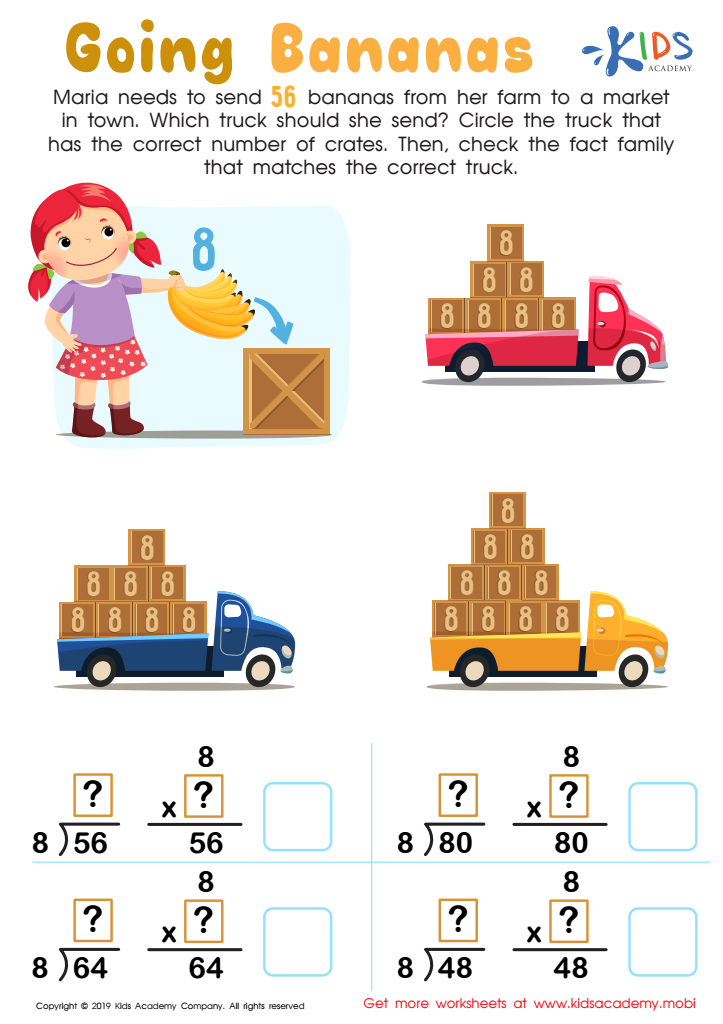
Marla needs to send 56 bananas in batches of 8. Help your child practice division and learn about fact families with this free worksheet. It'll help boost their multiplication skills and increase speed when solving problems.
Going Bananas Worksheet
Worksheet
Counting with Drawings: Fruits & Chocolates Worksheet

Counting with Drawings: Fruits & Chocolates Worksheet

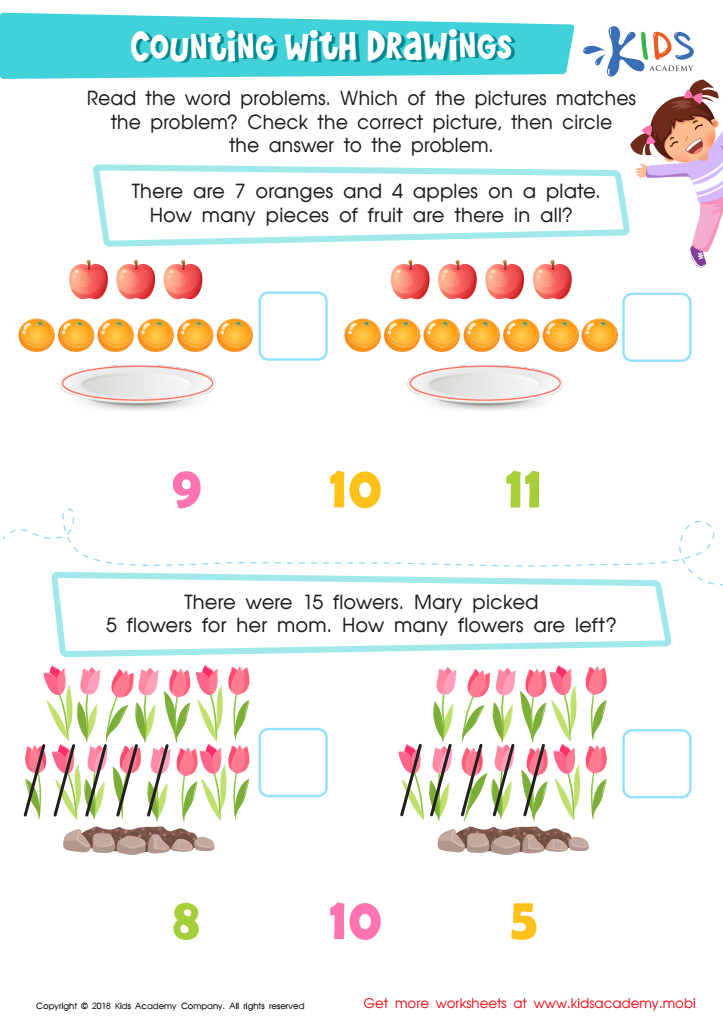
Learning basic addition and subtraction has never been easier with this free worksheet! Young mathematicians can sort & count to get the right sum or difference for each problem. Plus, they'll practice fine motor skills by circling the correct answer. An ideal way to help kids build important visual recognition and discernment skills.
Counting with Drawings: Fruits & Chocolates Worksheet
Worksheet
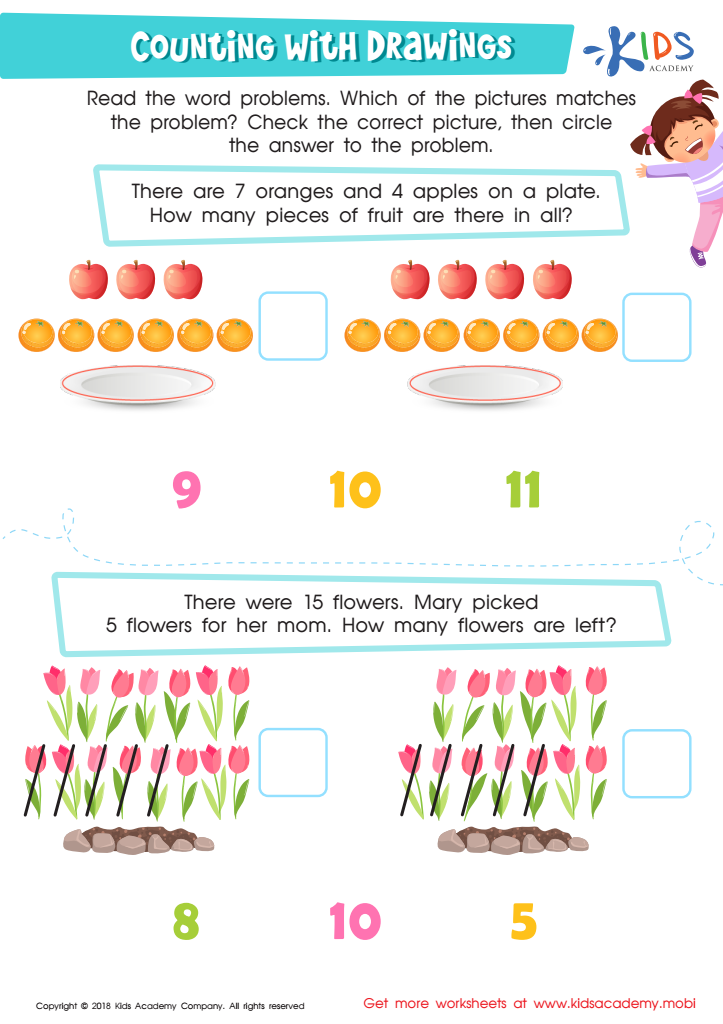
Counting with Drawings:Fruits & Flowers Worksheet


Counting with Drawings:Fruits & Flowers Worksheet

At Kids Academy, we know pictures make math come alive and make sense. This worksheet is perfect for early learners to practice word problems. Kids read each problem and count the images that represent the numbers, then solve the problem with addition or subtraction to get the right answer.
Counting with Drawings:Fruits & Flowers Worksheet

Worksheet


Number recognition is a foundational skill for children aged 3-6, and understanding normal word problems is crucial for developing their numeric abilities. This skill empowers children to understand the relationship between numbers and real-world contexts, enhancing their mathematical comprehension and critical thinking skills.

When parents or teachers engage children in number recognition and word problems, they foster curiosity and problem-solving skills. Early exposure to such problems helps children conceptualize numbers, enabling them to see their practical applications. For instance, solving simple problems involving everyday situations—like sharing snacks or counting toys—reinforces basic arithmetic and encourages language development through vocabulary associated with numbers.

Moreover, engaging with word problems promotes cognitive growth and enhances communication skills. It allows children to articulate their thoughts, improving both their mathematical fluency and language proficiency. Awareness of word problems in early education stimulates creativity and reasoning, equipping children with the tools needed for more complex mathematical concepts in later years.

In summary, parents and teachers should prioritize number recognition normal word problems because they lay a crucial foundation for effective learning, important life skills, and a love for mathematics that can last a lifetime.