Logical thinking Normal Reading Worksheets for Ages 3-6
4 filtered results
-
From - To
Enhance your child's cognitive development with our "Logical Thinking Normal Reading Worksheets" designed for ages 3-6. These engaging activities combine reading practice with fun, logical challenges to sharpen critical thinking. Through puzzles, matching games, and problem-solving tasks, children will improve their reading comprehension and analytical abilities. Our worksheets foster a love of learning by making complex ideas accessible and enjoyable. Start your child's journey toward strong reasoning skills and confident reading today with our expertly crafted exercises. Discover endless possibilities for growth and creativity at Kids Academy.
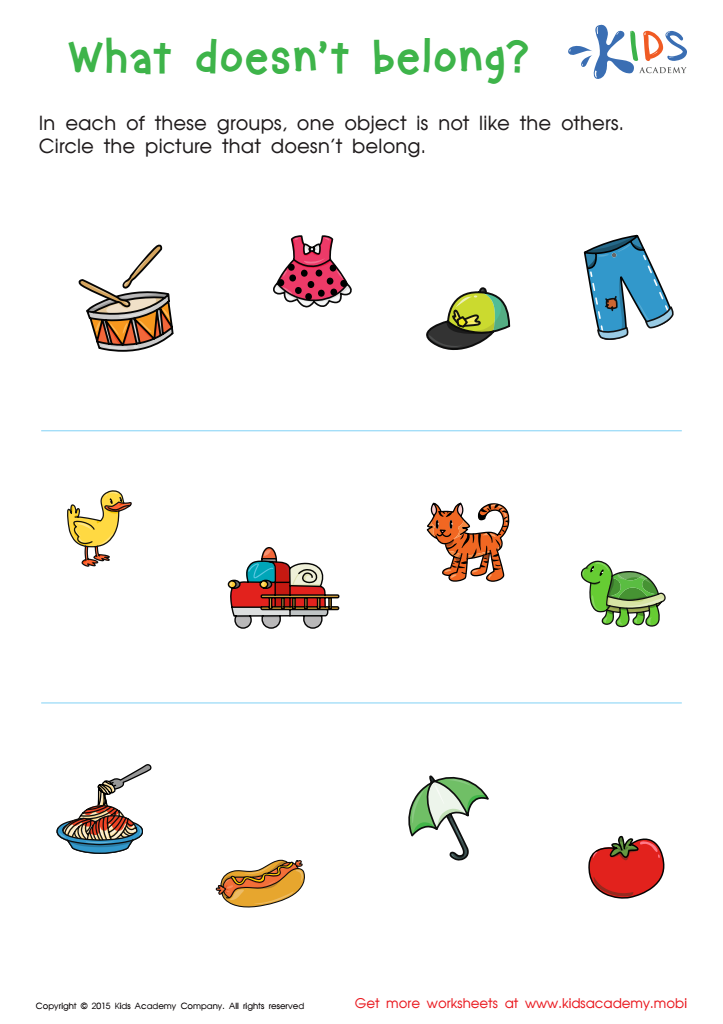
First Words: What Doesn't Belong Worksheet
 Assign to My Students
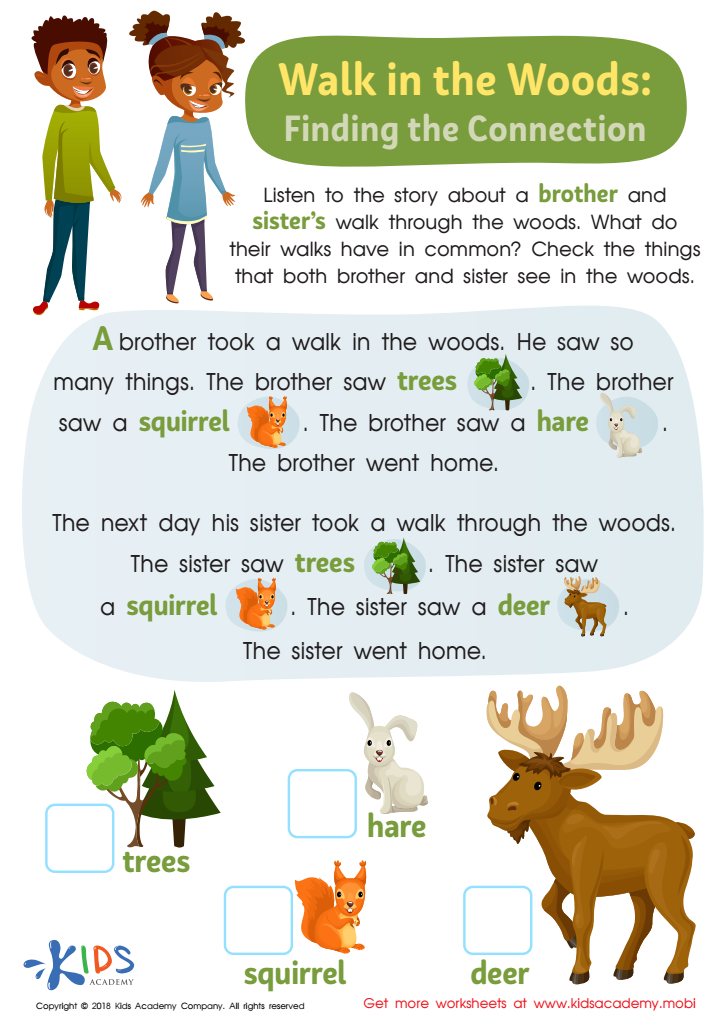
Walk In the Woods: Finding Connections Worksheet
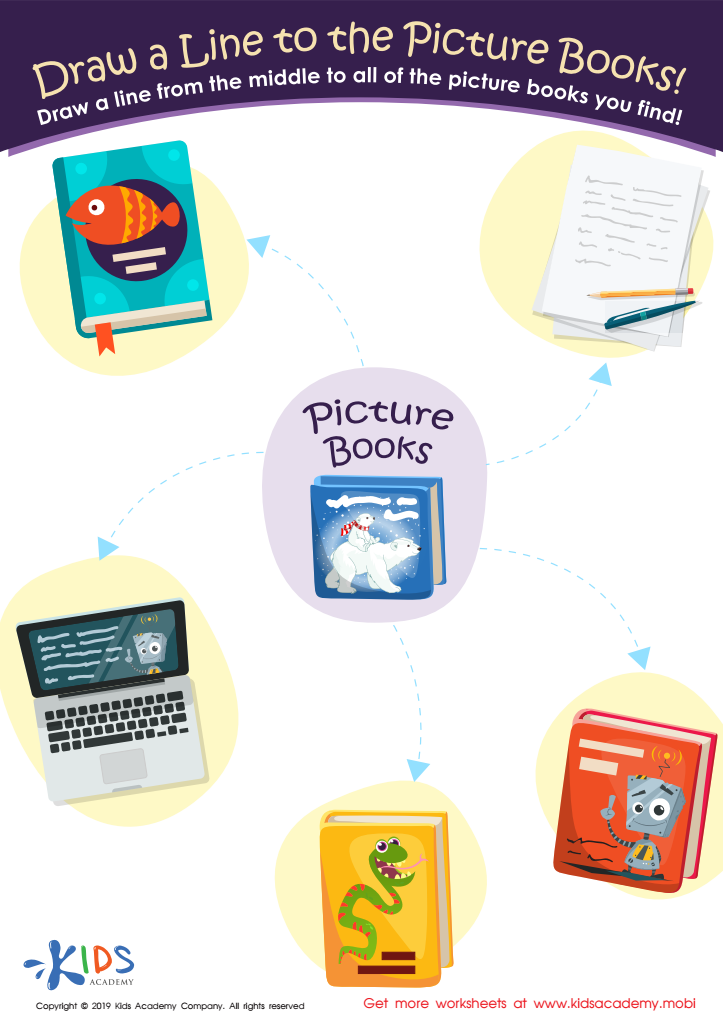
Draw a Line to the Picture Books Worksheet
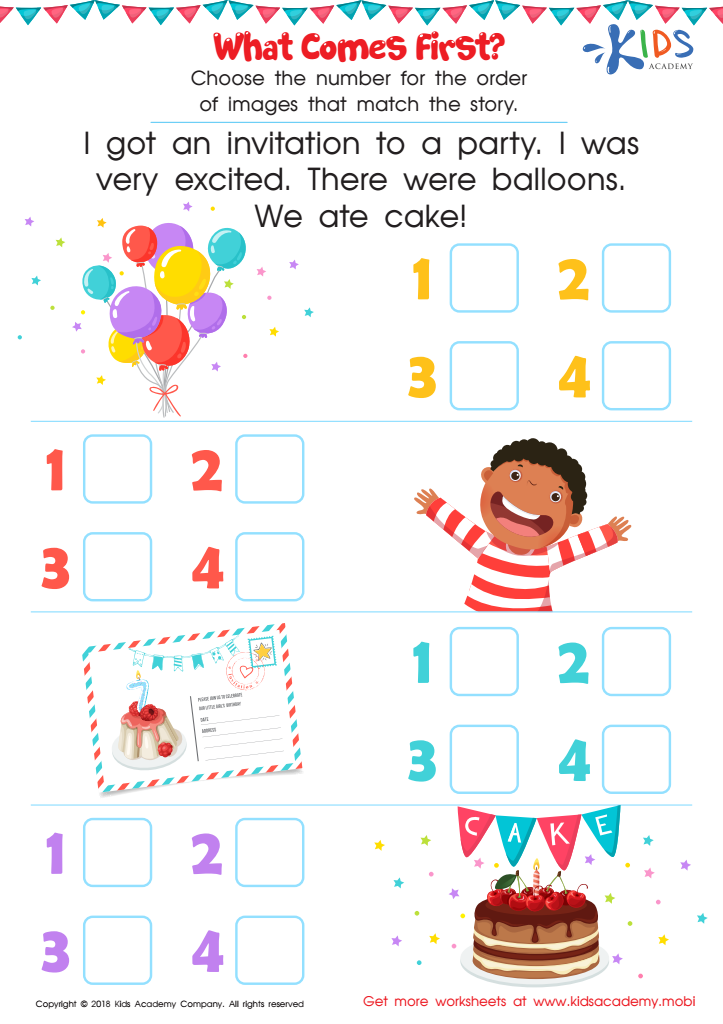
What Comes First Worksheet







Logical thinking and normal reading development in children aged 3-6 form the cornerstone of early education and greatly enhance future learning. Parents and teachers should understand that fostering these skills is fundamental for several reasons.
Firstly, logical thinking encourages problem-solving abilities which are essential throughout life. By engaging children in age-appropriate logical activities, such as puzzles and simple reasoning games, they learn to identify patterns, make connections, and develop critical thinking. These cognitive skills translate into better academic performance across various subjects including math and science.
Reading development for young children is equally crucial. Early reading exposure lays the foundation for language acquisition, enhancing vocabulary, comprehension, and communication skills. Reading regularly to children stimulates curiosity, fosters imagination, and builds concentration and listening abilities. It also strengthens the parent-child bond when done together, creating a positive association with learning.
Moreover, both logical thinking and reading development positively impact a child’s social skills. They learn to follow instructions, take turns, and articulate thoughts more clearly. These foundational skills also make transitions to formal schooling smoother and learning more enjoyable.
Thus, by focusing on logical thinking and reading in early childhood, parents and teachers empower children with tools necessary for their academic and personal growth, setting the stage for lifelong success.








