Categorizing objects Normal Science Worksheets for Ages 3-6
4 filtered results
-
From - To
Explore our "Categorizing Objects Normal Science Worksheets" designed for young learners aged 3-6! These engaging worksheets help children develop essential skills in sorting and categorizing various objects, fostering their critical thinking and organizational abilities. Through delightful illustrations and hands-on activities, kids will enjoy learning while enhancing their understanding of similarities and differences among items. Perfect for home or classroom use, these worksheets make science fun and accessible while encouraging early scientific reasoning. Whether it's grouping animals, colors, or shapes, our worksheets support your child's cognitive and perceptual development, laying a strong foundation for future learning success. Start your adventure in science today!
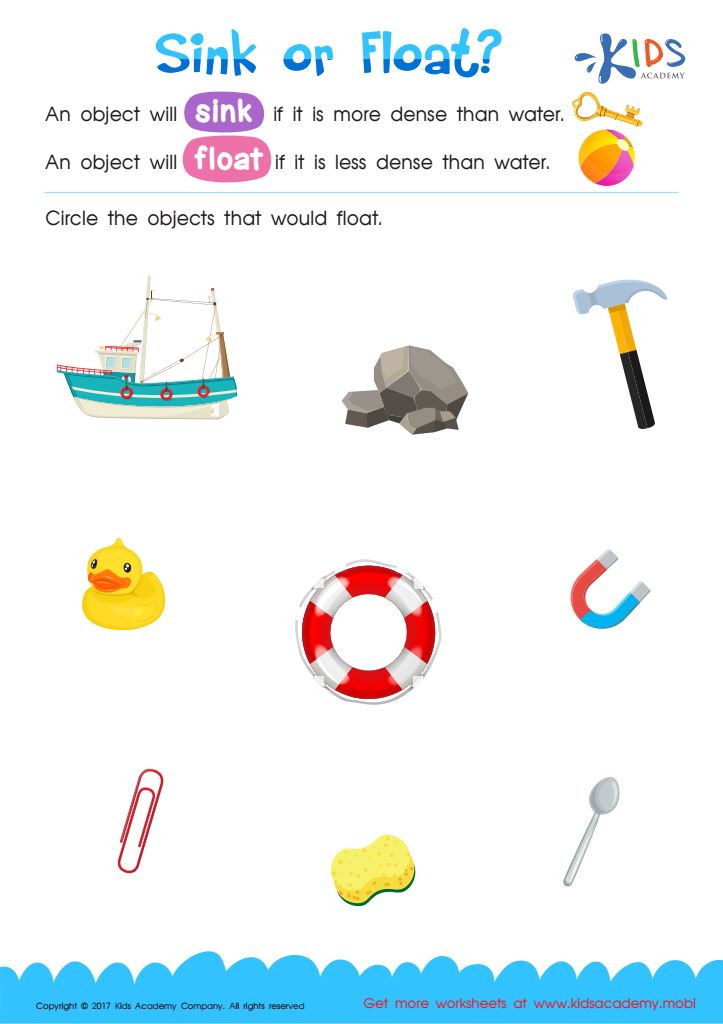
Sink or Float Printable
 Assign to My Students
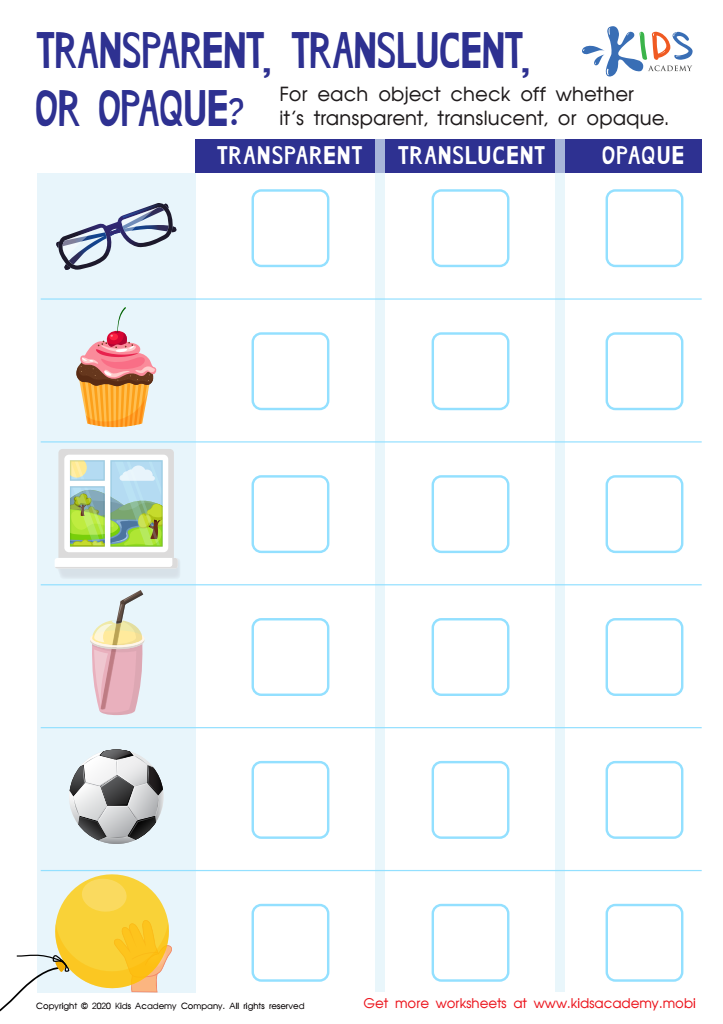
Transparent, Translucent, or Opaque Worksheet
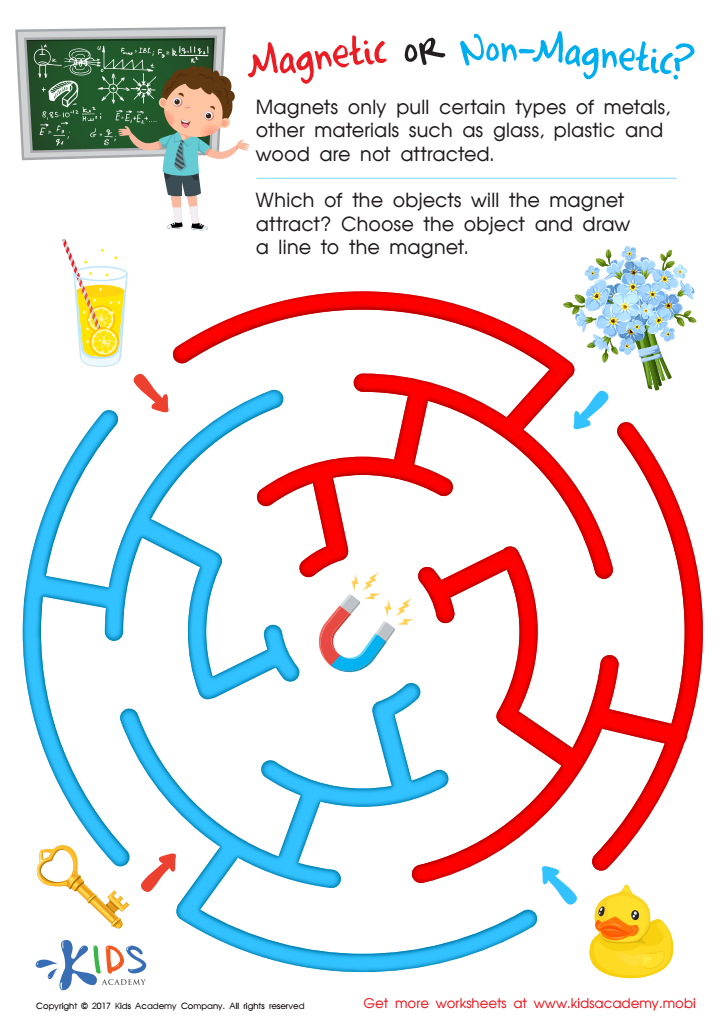
Magnetic or Non–Magnetic Worksheet
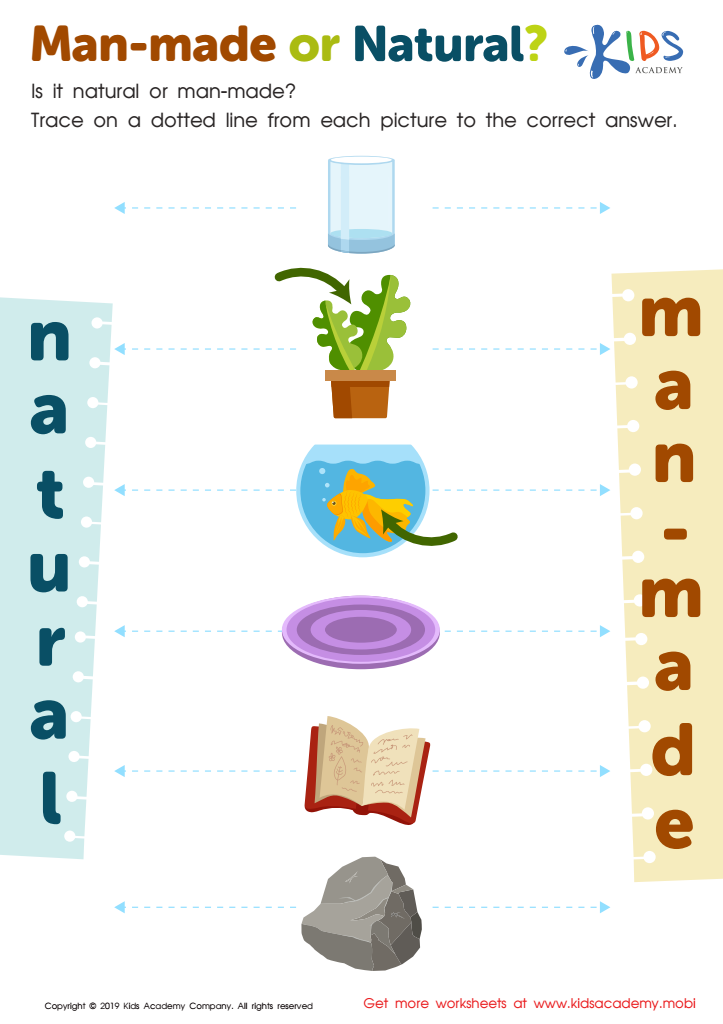
Man-Made or Natural? Worksheet





%20(1).jpg)
.jpg)
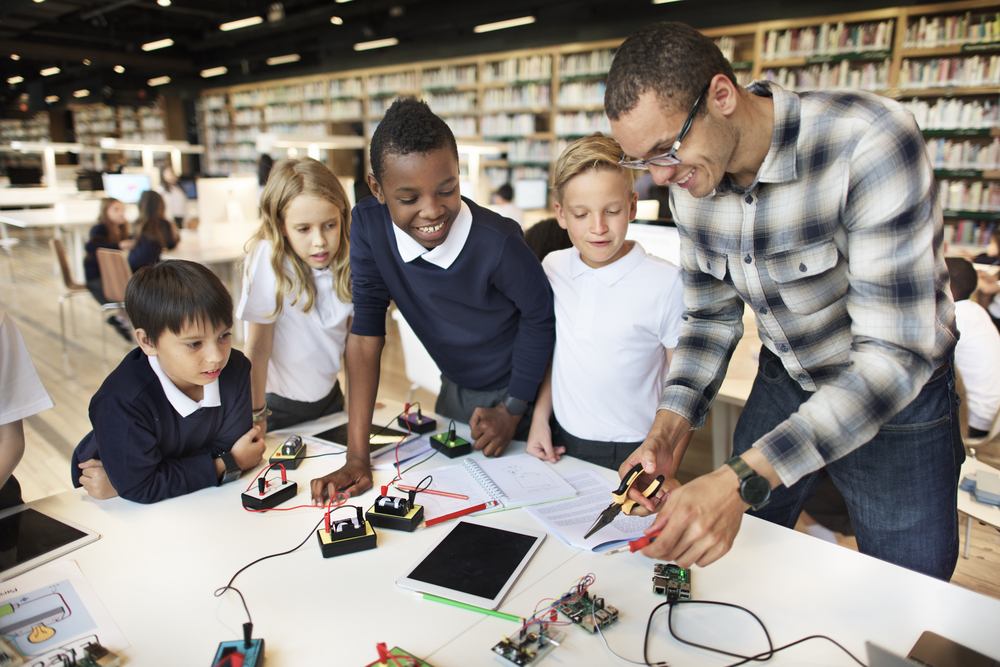
Categorizing objects is a fundamental aspect of cognitive development in early childhood, making it essential for parents and teachers to prioritize this skill for ages 3-6. During this stage, children begin to make sense of the world through classification, helping them organize their experiences and understand relationships between different objects. Engaging in categorization activities enhances critical thinking, boosts language skills, and encourages problem-solving abilities.
When children categorize objects, they learn to identify similarities and differences, which cultivates analytical skills necessary for later learning. For instance, by sorting shapes, colors, or sizes, they develop foundational math skills that are crucial for future academic success. Additionally, as they verbalize their sorting processes, they expand their vocabulary and improve language development.
Furthermore, categorizing fosters social interactions. Collaborative sorting games teach children to communicate, negotiate, and respect differing viewpoints. This social learning aspect is vital for emotional and interpersonal skills.
Overall, promoting categorization through play and structured activities aids children in making sense of their environment, laying the groundwork for critical thinking and future educational pursuits. Parents and teachers should thus recognize its importance and make categorization a regular part of learning experiences for young children.







