Understanding habitats Normal Science Worksheets for Ages 3-6
4 filtered results
-
From - To
Discover "Understanding Habitats," our science worksheets designed for ages 3-6, from Kids Academy! These engaging, age-appropriate activities introduce your child to the diverse habitats where animals and plants live. Each worksheet, rich with vibrant illustrations, nurtures curiosity about nature, builds foundational science skills, and fosters early learning. Perfect for little explorers, these resources simplify complex concepts into meaningful lessons, stimulating young minds and helping prepare them for future educational challenges. Encourage your child’s love for science with "Understanding Habitats" – making learning fun and inspiring a lifetime of discovery!
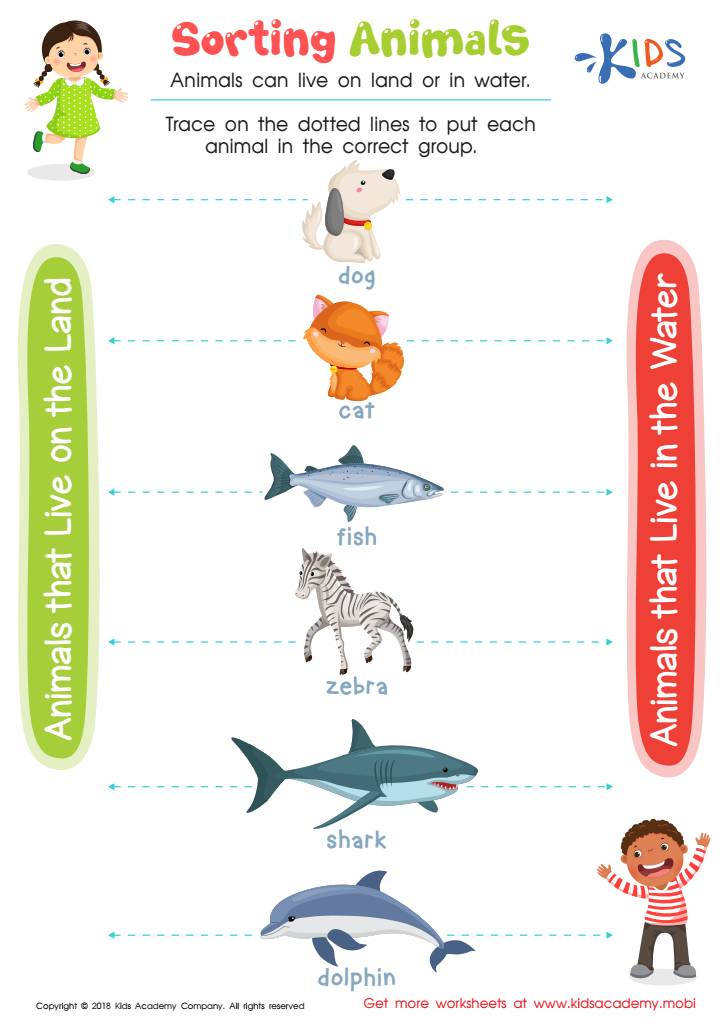
Sorting Animals Worksheet
 Assign to My Students
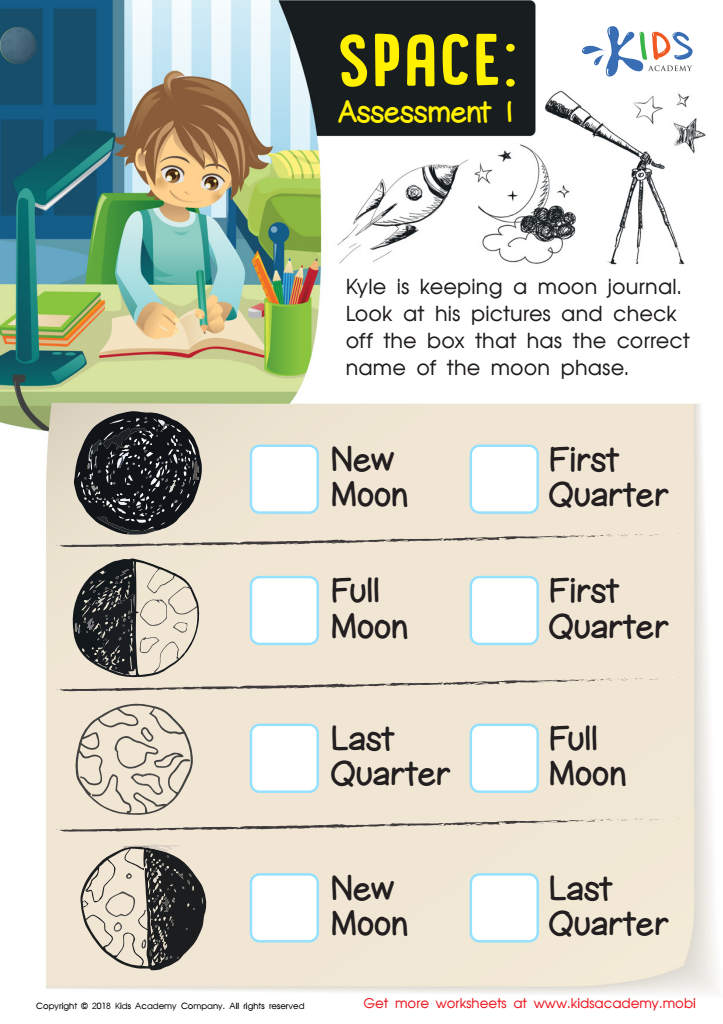
Space: Assessment 1 Worksheet
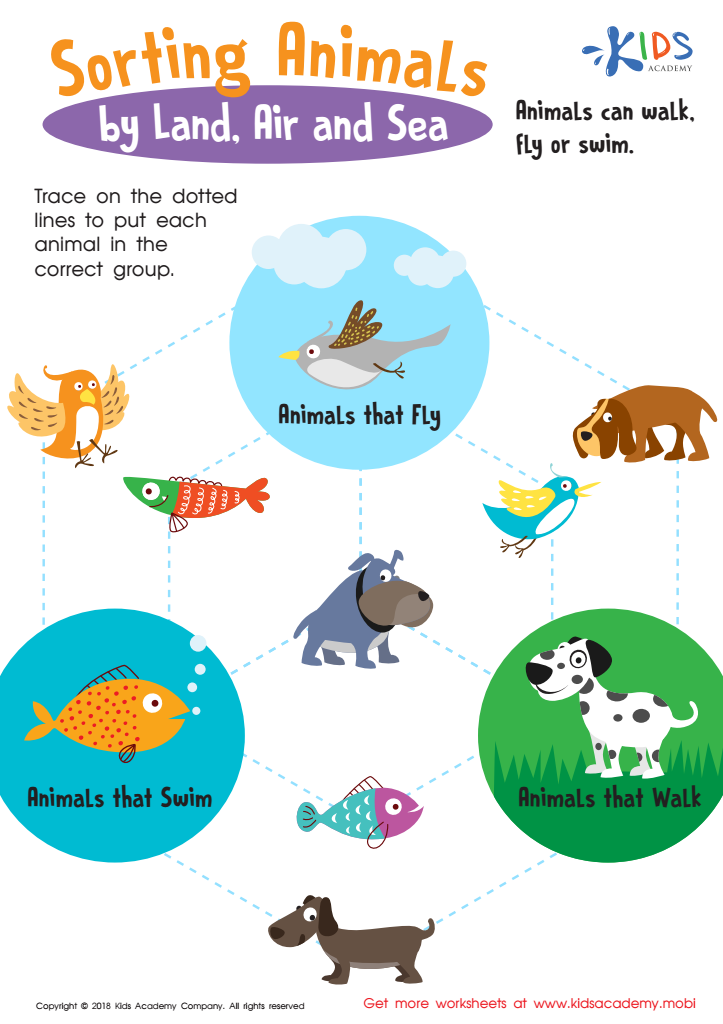
Sorting Animals by Land, Air and Sea Worksheet
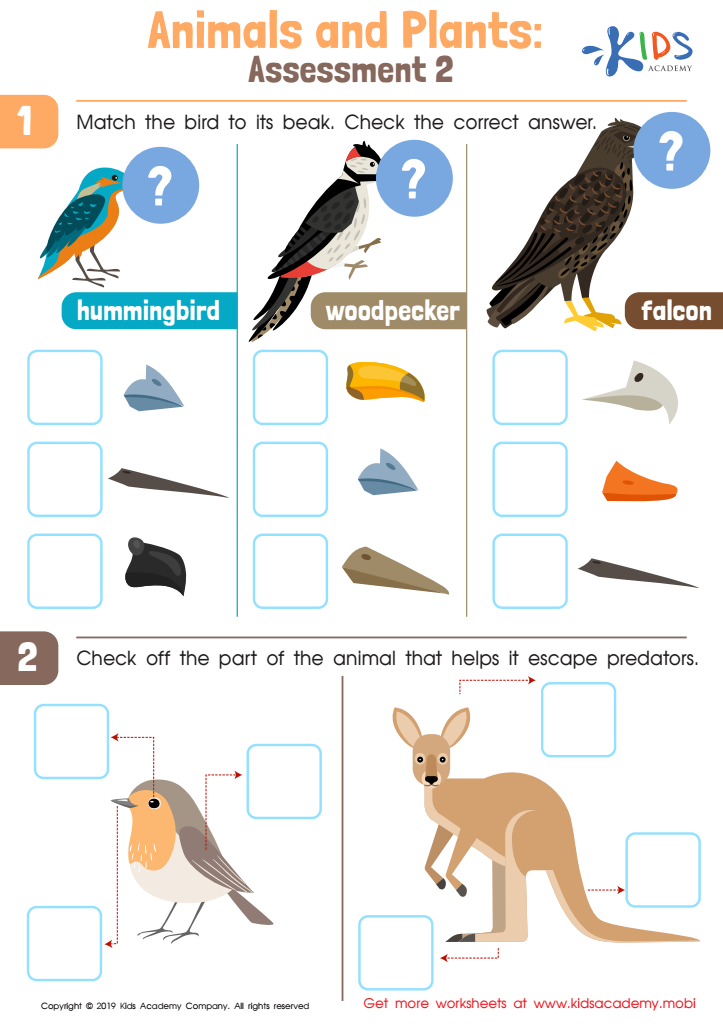
Animals and Plants: Assessment 2 Worksheet





Understanding habitats is fundamental for young children, as it lays the groundwork for their curiosity about the world. For ages 3-6, learning about where animals and plants live helps them make sense of their surroundings and sparks an appreciation for nature. Parents and teachers play a vital role in this early education.
Firstly, studying habitats enhances cognitive skills. As children explore different environments—like forests, oceans, or deserts—they learn about diverse ecosystems. This knowledge strengthens their ability to categorize and compare different living creatures and their homes. For example, identifying that fish live in water while birds build nests in trees aids their analytical thinking.
Secondly, it fosters empathy and respect for living organisms. When children understand that animals need a specific environment to thrive, they are more likely to treat nature gently. Teaching that bees pollinate flowers or that frogs need wet areas can lead to responsible behaviors like not picking flowers unnecessarily or being cautious in habitats.
Lastly, this knowledge contributes to a sense of responsibility toward the environment. Early exposure helps children grasp the importance of conservation. They are more prone to eco-friendly practices, like recycling and conserving water, as they age.
In sum, parents and teachers enrich a child's literacy and respect for nature by fostering an understanding of habitats.







