Vocabulary enhancement Normal Science Worksheets for Ages 3-6 - Page 2
28 filtered results
-
From - To
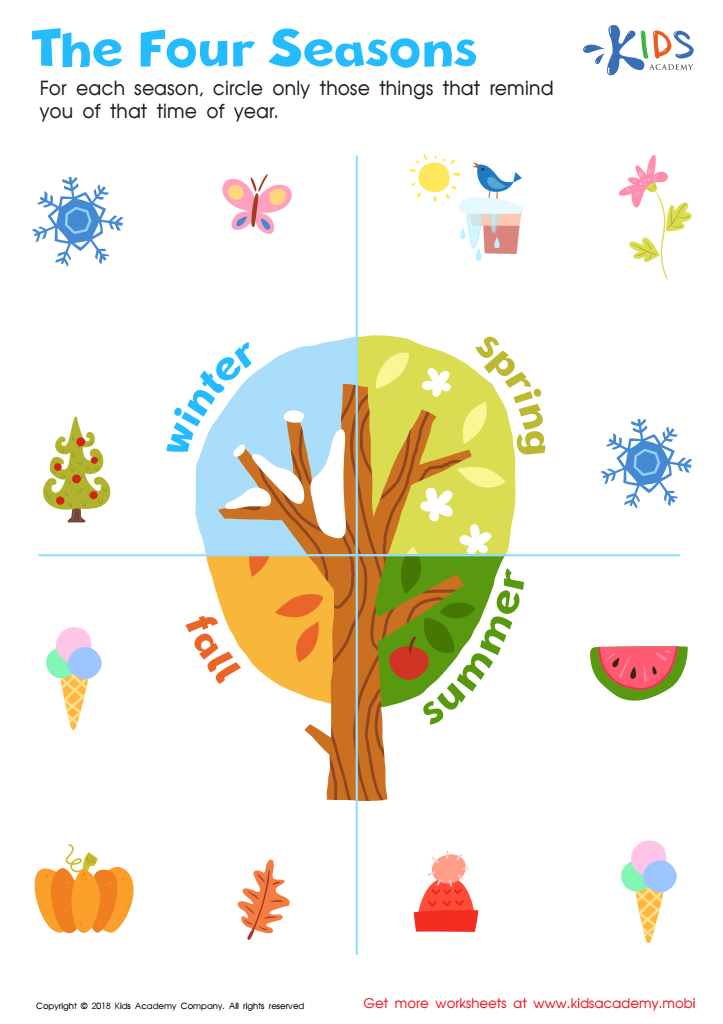
The Four Seasons Worksheet
 Assign to My Students
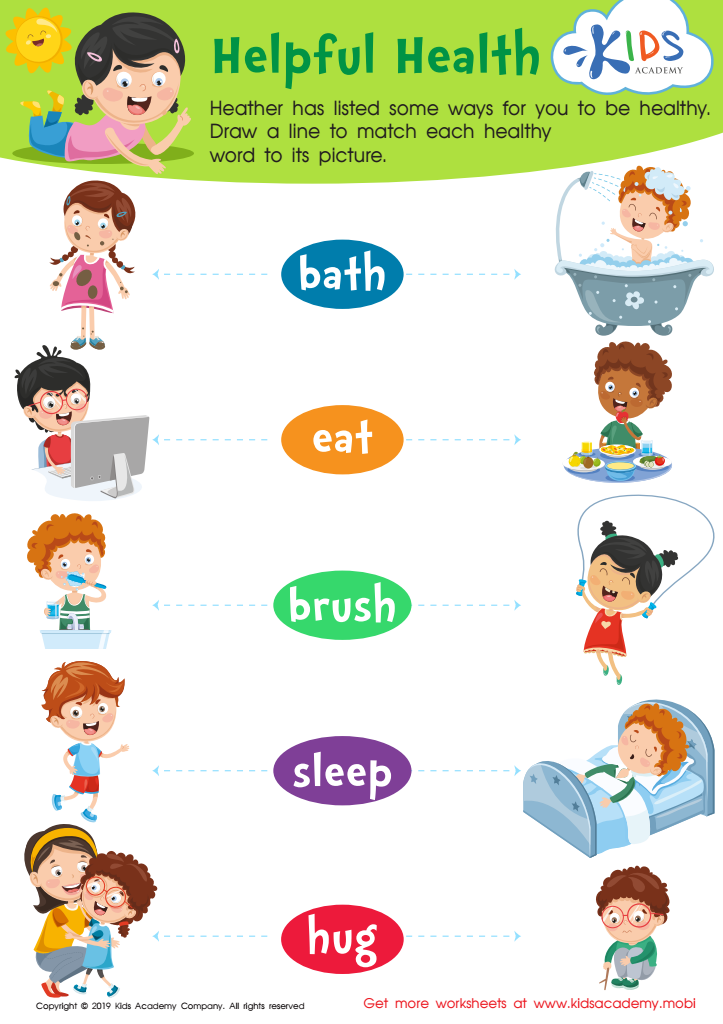
Helpful Health Worksheet
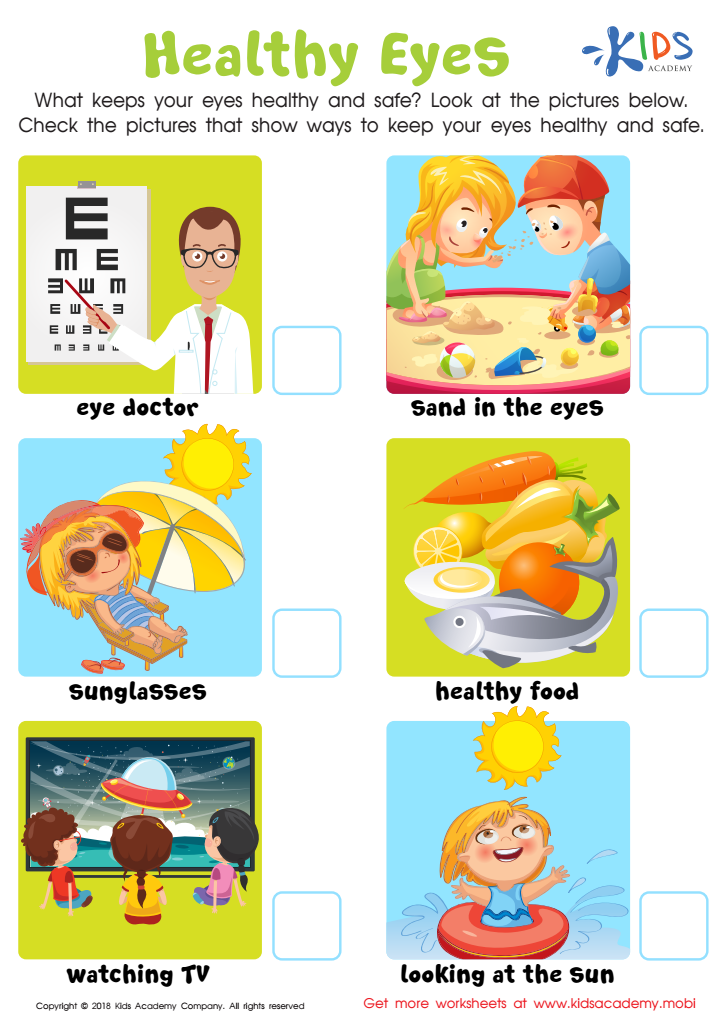
Healthy Eyes Worksheet
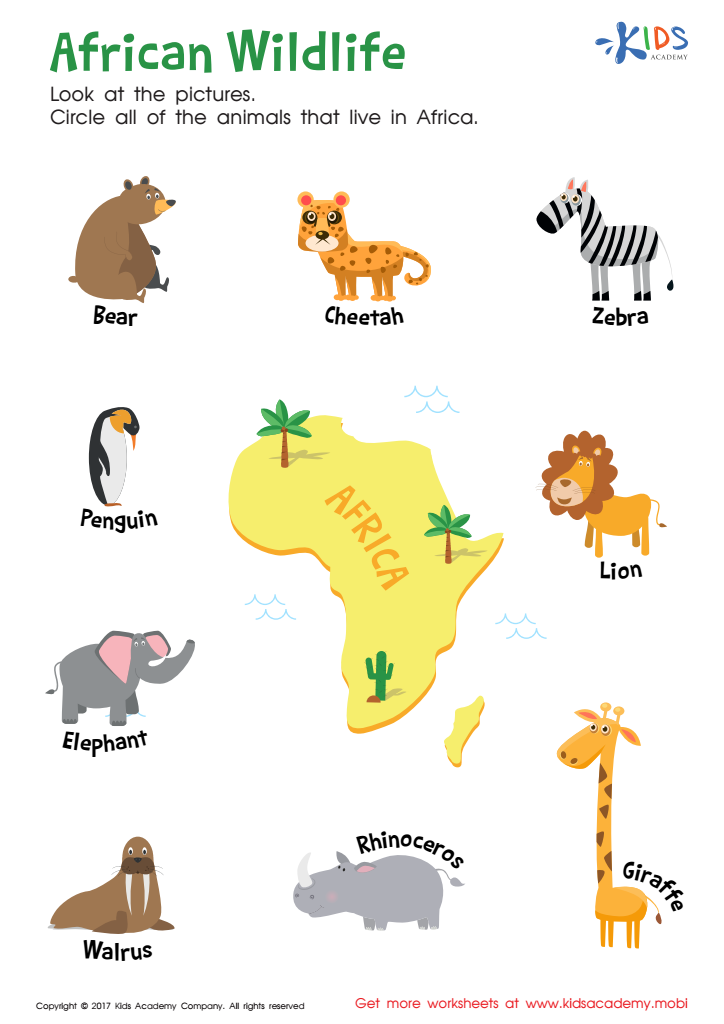







Vocabulary enhancement in early childhood education, particularly for children aged 3-6, is crucial for several reasons. At this developmental stage, children are rapidly acquiring language skills, which form the foundation for all types of learning. A rich vocabulary not only supports effective communication but also empowers children to express their thoughts, feelings, and ideas accurately.
For parents and teachers, investing in vocabulary development through normal science activities can facilitate cognitive growth. Engaging children in conversational language about scientific concepts helps them draw connections between words and meanings, fostering critical thinking and problem-solving abilities. Moreover, exposure to new vocabulary in context enhances comprehension, paving the way for future academic success.
Furthermore, boosts in vocabulary proficiency correlate with improved literacy skills as children progress into reading and writing. By implementing vocabulary-building activities in everyday science exploration—through discussions, storytelling, and hands-on experiments—adults can create a rich linguistic environment that encourages curiosity and discovery.
Finally, enriched vocabulary experiences strengthen social skills, making children more confident in their interactions. In summary, vocabulary enhancement activities in early science education are vital for intellectual, emotional, and social development, equipping young learners for a bright academic future.







