Filters

55 filtered results

Clear all filters
Favorites
With answer key
Interactive

55 filtered results

Difficulty Level

Grade


Check out this FREE Trial Lesson on Plants and Animals for age 3-6!

Identify Categories with a Given Count

Favorites
With answer key
Interactive
  • 3-6
  • Plants and Animals
  • Normal
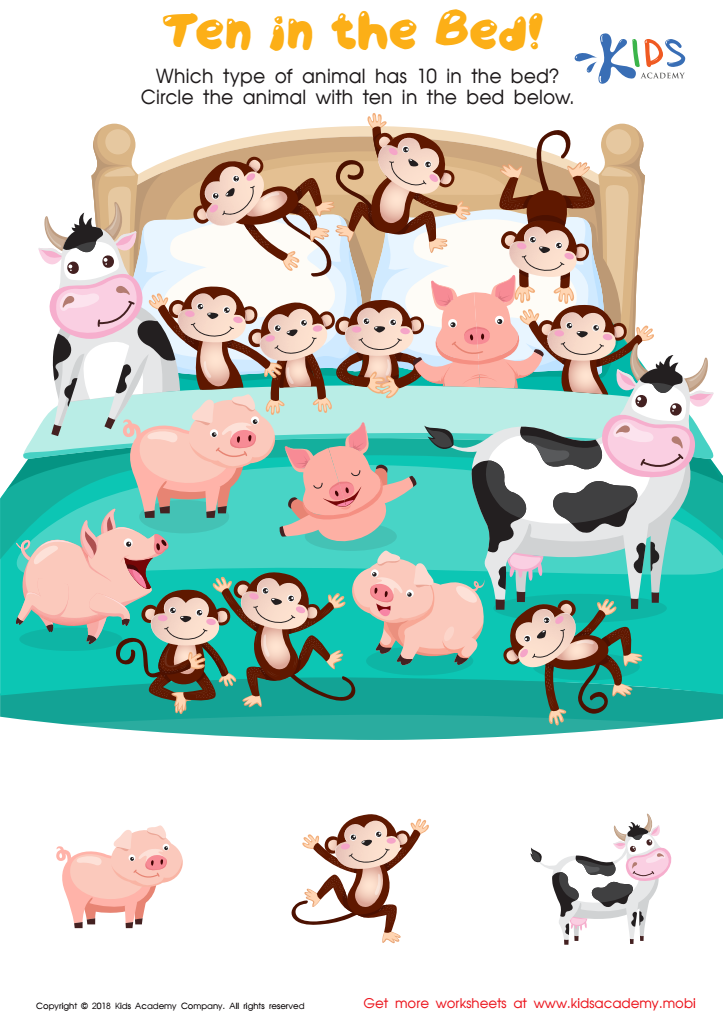
Ten in the Bed Worksheet

Ten in the Bed Worksheet

This fun worksheet has your kids counting and sorting friendly animal faces in a bed of ten! It's a great way for them to practice their mental math skills, like adding and multiplying more efficiently. Plus, it brings a new meaning to the classic song "Monkeys Jumping on the Bed"!
Ten in the Bed Worksheet
Worksheet
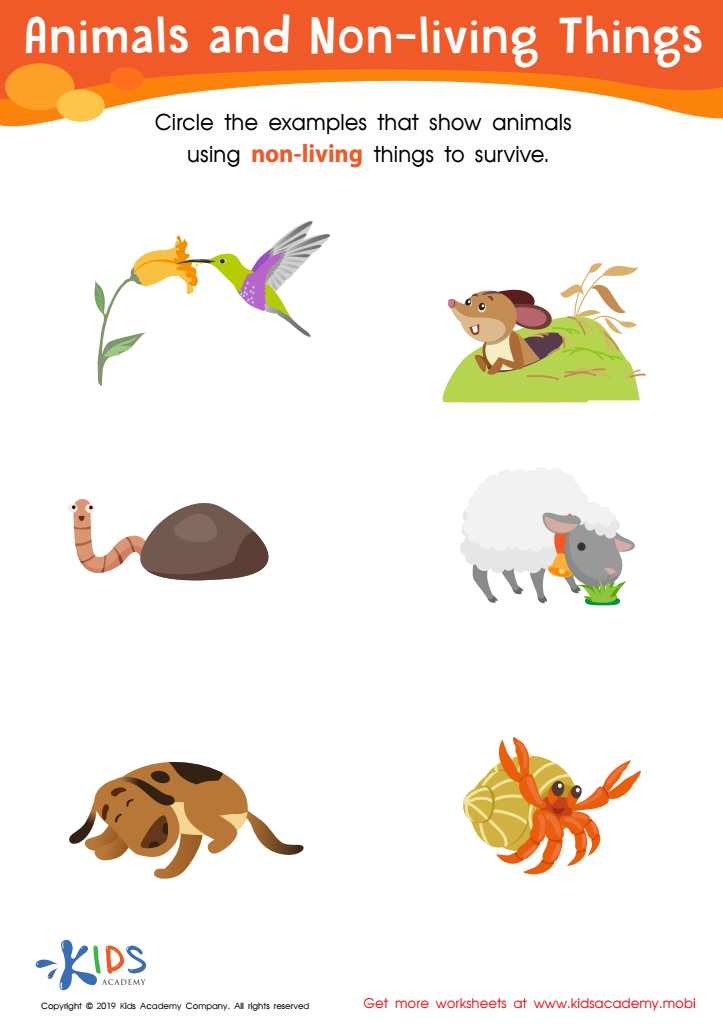
Animals and Non-Living Things Worksheet

Animals and Non-Living Things Worksheet

People and animals both require more than food to survive. We need shelter, clothing and water, while animals use non-living things like rocks and trees. Ask your kids what else is necessary to survive - then have them identify the objects in the worksheet and circle the examples of animals using non-living things.
Animals and Non-Living Things Worksheet
Worksheet
Find 5 Worksheet
Find 5 Worksheet

Find 5 Worksheet

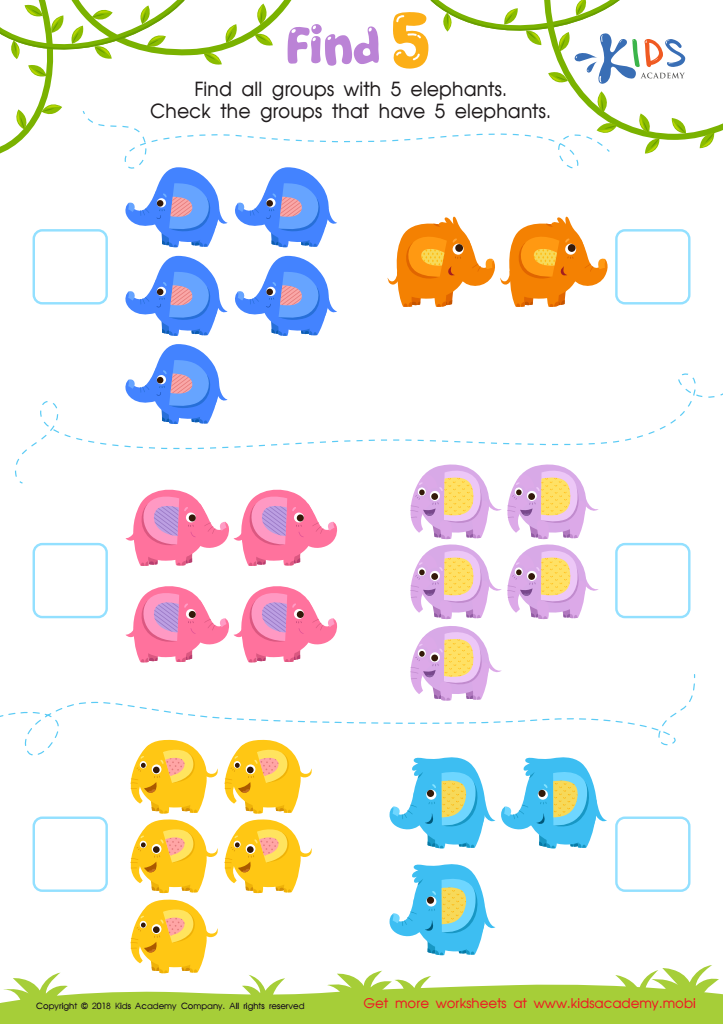
Kids will love these cheery elephants that help them discover grouping and counting by fives. It's a great way to start learning addition and multiplication, while also developing fine motor skills. Download the free PDF and let the fun begin.
Find 5 Worksheet
Worksheet
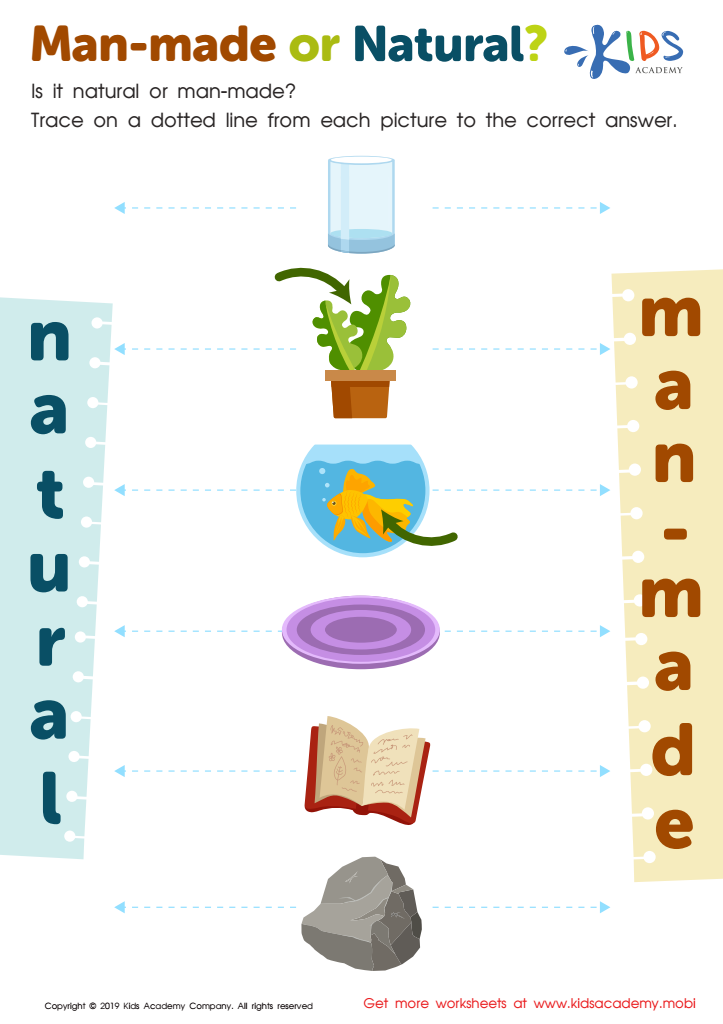
Man-Made or Natural? Worksheet

Man-Made or Natural? Worksheet

Ask your students to name natural and man-made objects. Check the worksheet to help them identify the objects, then trace the dotted line to determine if it's natural or man-made.
Man-Made or Natural? Worksheet
Worksheet
Water World Worksheet

Water World Worksheet

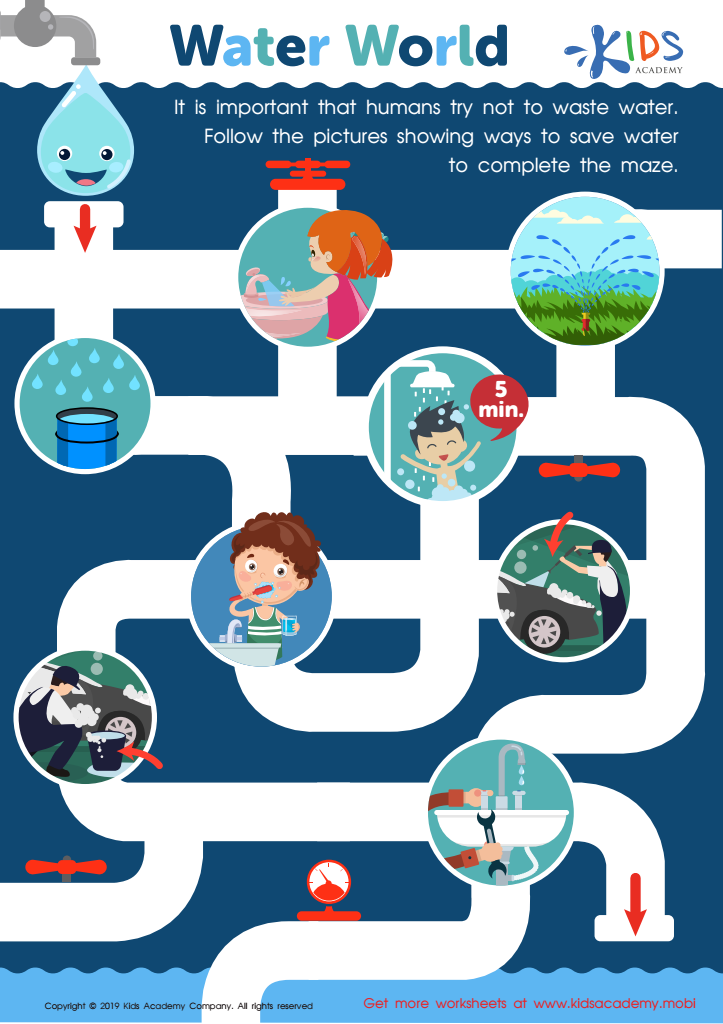
Water is a vital necessity for living. Our bodies depend on it to stay healthy and survive. When we don't drink enough water, we become thirsty and run the risk of getting sick. Luckily, our planet is full of water and natural sources to stay hydrated. To prevent water waste, use this worksheet to teach your students how to conserve it and complete the maze.
Water World Worksheet
Worksheet
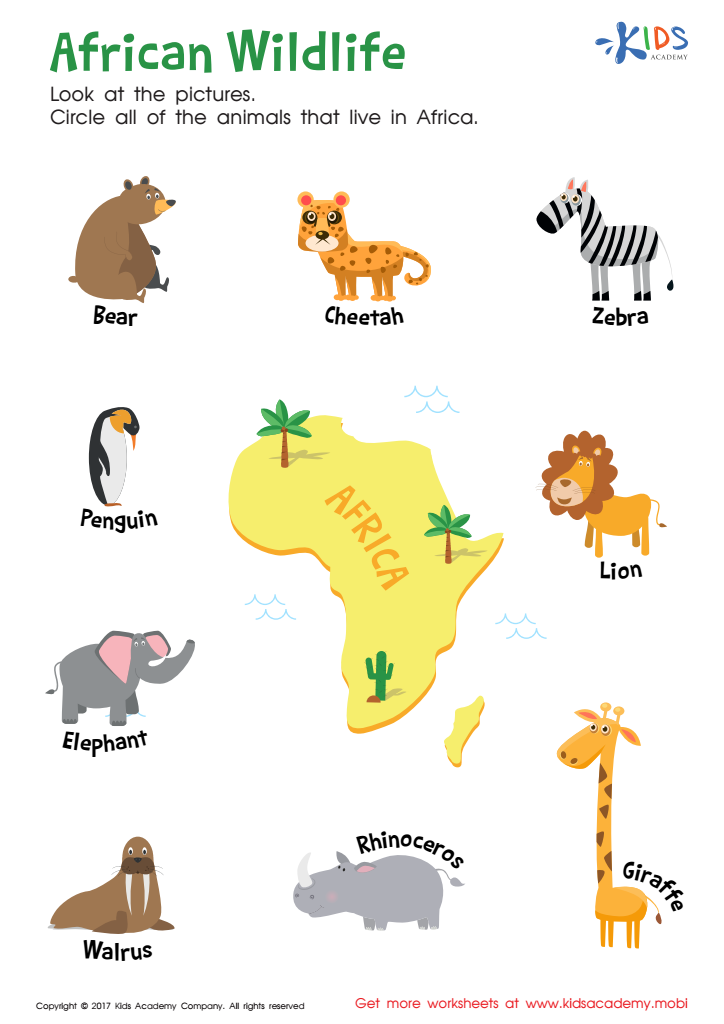
African Wildlife Printable Worksheet

African Wildlife Worksheet

African Wildlife Worksheet
Worksheet
Match Them Up Worksheet


Match Them Up Worksheet

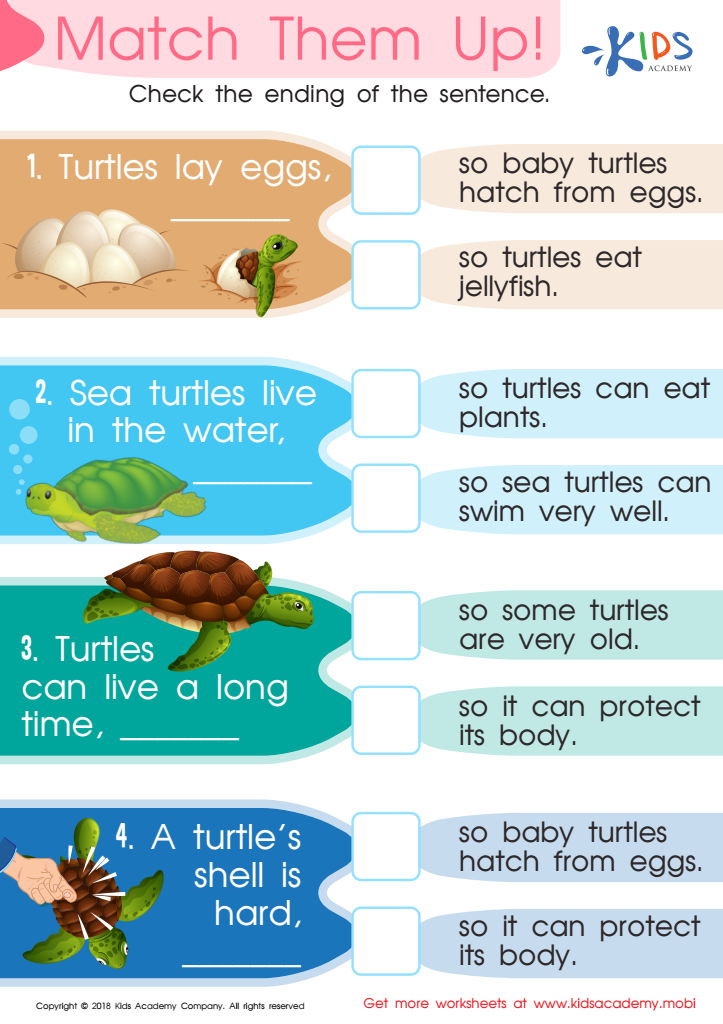
Reading offers a wealth of knowledge, but young readers may struggle to remember info from informational texts. Help your child practice comprehension with this fun turtle-related worksheet. Just read the sentence starters and select the correct ending from the options given. Check the box to indicate the right statement!
Match Them Up Worksheet
Worksheet


... 2 3

Understanding normal plants and animals is crucial for children aged 3-6, as it lays the foundation for their appreciation of the natural world. At this developmental stage, children are naturally curious and eager to explore their surroundings. Introducing them to common plants and animals fosters a sense of wonder and helps build an early connection with nature.

Parents and teachers play a key role in nurturing this curiosity. By engaging children with stories, hands-on activities, and outdoor experiences, adults can teach them about the importance of biodiversity, ecosystems, and respect for living creatures. This knowledge promotes empathy and responsibility towards the environment.

Furthermore, learning about normal plants and animals enhances cognitive and language development. It encourages observation skills, enriches vocabulary, and supports critical thinking as children categorize and compare different species. These lessons are not only educational but also promote social interaction when children share their findings or participate in group activities.

In summary, fostering an understanding of normal plants and animals is essential for holistic childhood development. Parents and teachers should embrace this opportunity to inspire a love for nature, promote ecological awareness, and lay the groundwork for informed and environmentally-conscious future generations.