Critical Thinking Normal Plants and Animals Worksheets for Ages 3-6
3 filtered results
-
From - To
Introducing "Critical Thinking Normal Plants and Animals Worksheets for Ages 3-6" – an engaging way to nurture young minds! These fun, educational worksheets are designed to develop critical thinking and observational skills in preschoolers and kindergarteners. Through interactive activities featuring everyday plants and animals, children learn to identify differences, make connections, and draw conclusions. Perfect for classrooms or at-home learning, these worksheets foster curiosity and creativity, building a foundation for lifelong scientific exploration. Dive into the world of nature-inspired problem-solving and watch your child’s cognitive abilities blossom. Available now at Kids Academy, where learning meets fun!
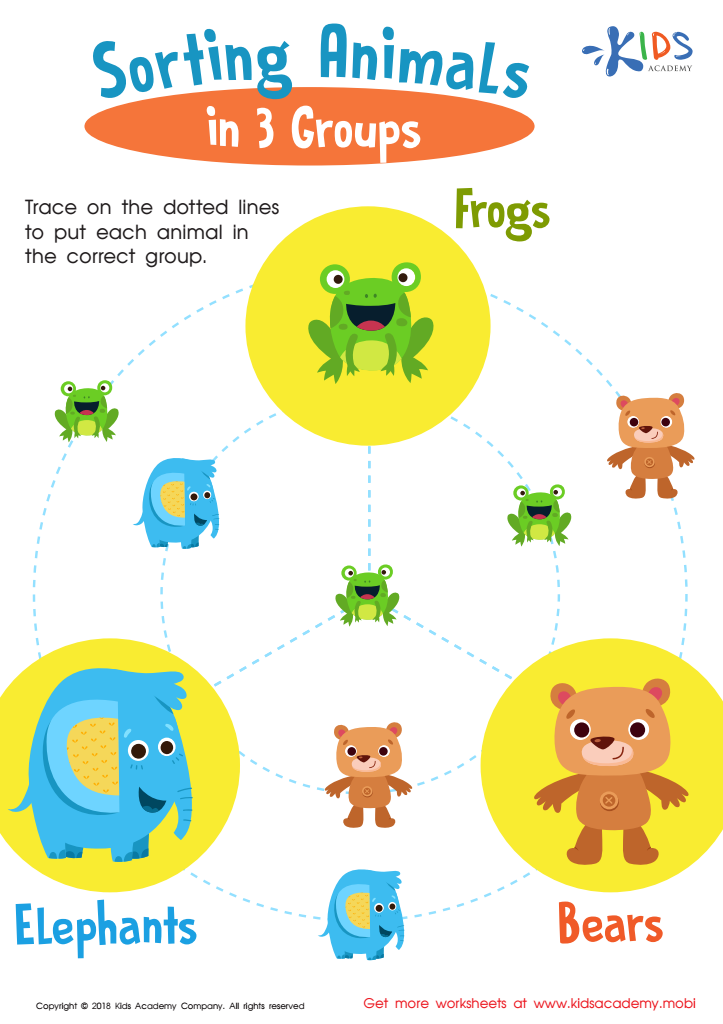
Sorting Animals in 3 Groups Worksheet
 Assign to My Students
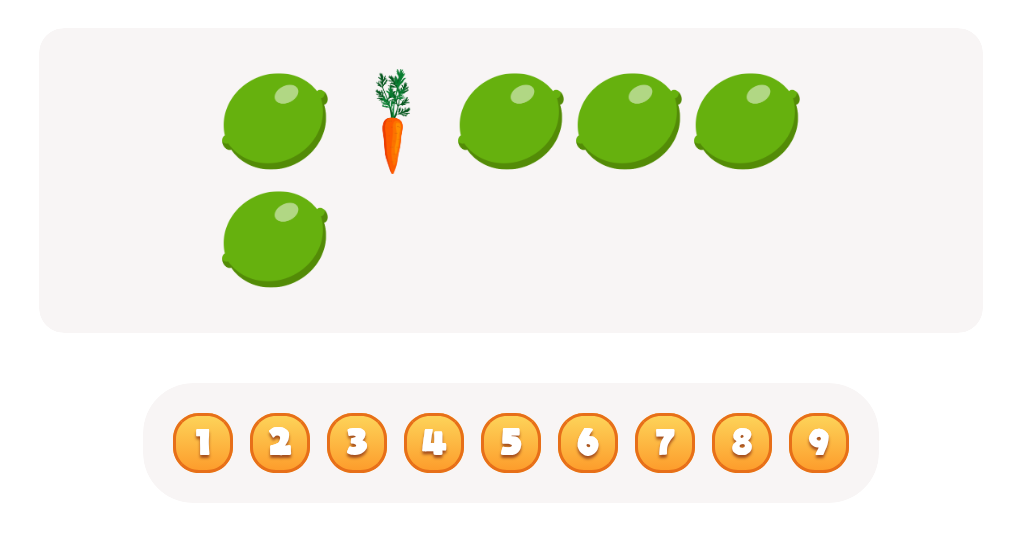

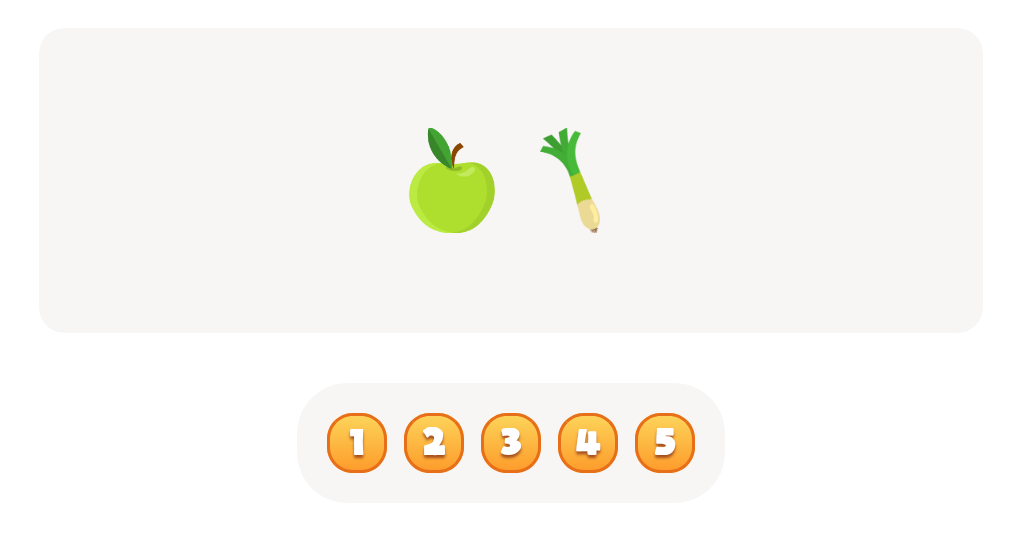
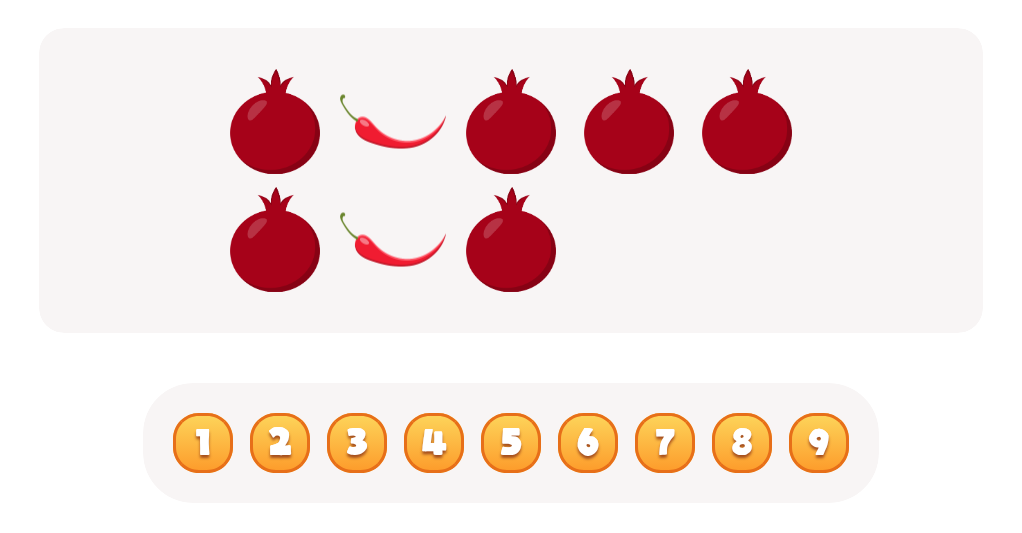
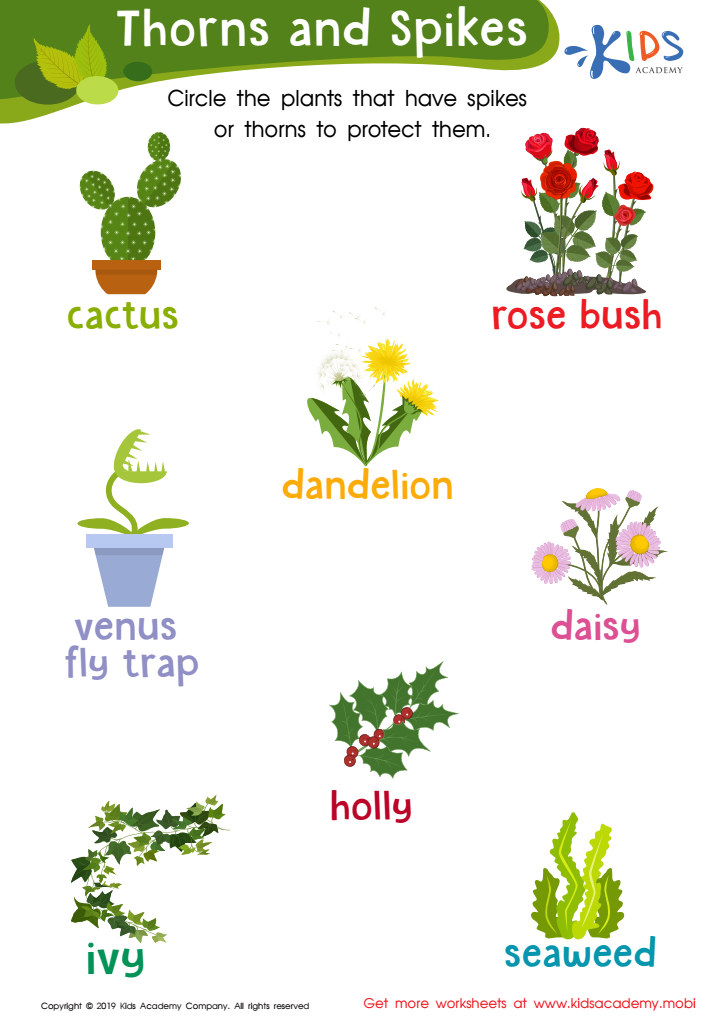
Thorns and Spikes Worksheet
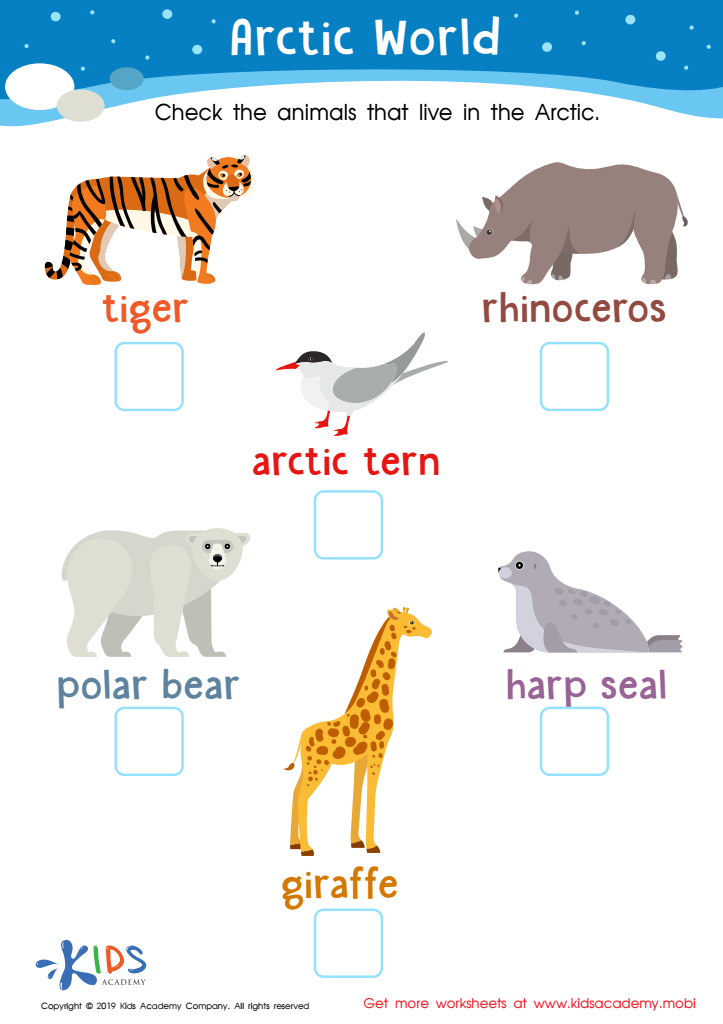
Arctic World Worksheet








Fostering critical thinking skills in young children aged 3-6 is crucial for their development, and introducing concepts related to normal plants and animals can be particularly engaging and valuable. At this age, kids are naturally curious and eager to explore the world around them, making it an ideal time to encourage observation, questioning, and reasoning.
Learning about plants and animals helps children understand basic biological concepts and the importance of nature in our lives. When kids observe and interact with these living organisms, they start to recognize patterns, make connections, and categorize different species. For instance, they might notice that all plants need sunlight and water to grow or recognize that different animals have varied habitats and diets. These observations form the foundation for more complex scientific thinking.
Moreover, nurturing critical thinking about plants and animals can also promote empathy and environmental stewardship. By understanding the needs and roles of various organisms, children learn to appreciate and respect nature, which is crucial for cultivating a generation that values sustainability and conservation.
Ultimately, integrating critical thinking with lessons about plants and animals not only supports cognitive development but also enriches children's early education by making learning dynamic, relevant, and meaningful. This dual approach prepares them for future academic challenges while instilling a lifelong appreciation for the natural world.







