
Alphabet understanding Normal Alphabet Worksheets for Ages 3-7
7 filtered results
Difficulty Level
Grade
Age
-
From - To
Subject
Activity
Standards
Enhance your child's alphabet understanding with our engaging Normal Alphabet Worksheets designed for ages 3 to 7! These worksheets incorporate fun activities that help young learners recognize, write, and comprehend letters effortlessly. Each printable resource introduces letters through colorful visuals, interactive tracing exercises, and imaginative phonics games, ensuring that learning remains enjoyable and effective. Our curriculum is thoughtfully crafted to develop early literacy skills, boost confidence, and foster a love for reading. Explore our wide range of worksheets, perfect for homeschooling or classroom use, and watch your child's alphabet knowledge flourish! Start their learning journey today with our comprehensive resources.
Favorites
With answer key
Interactive
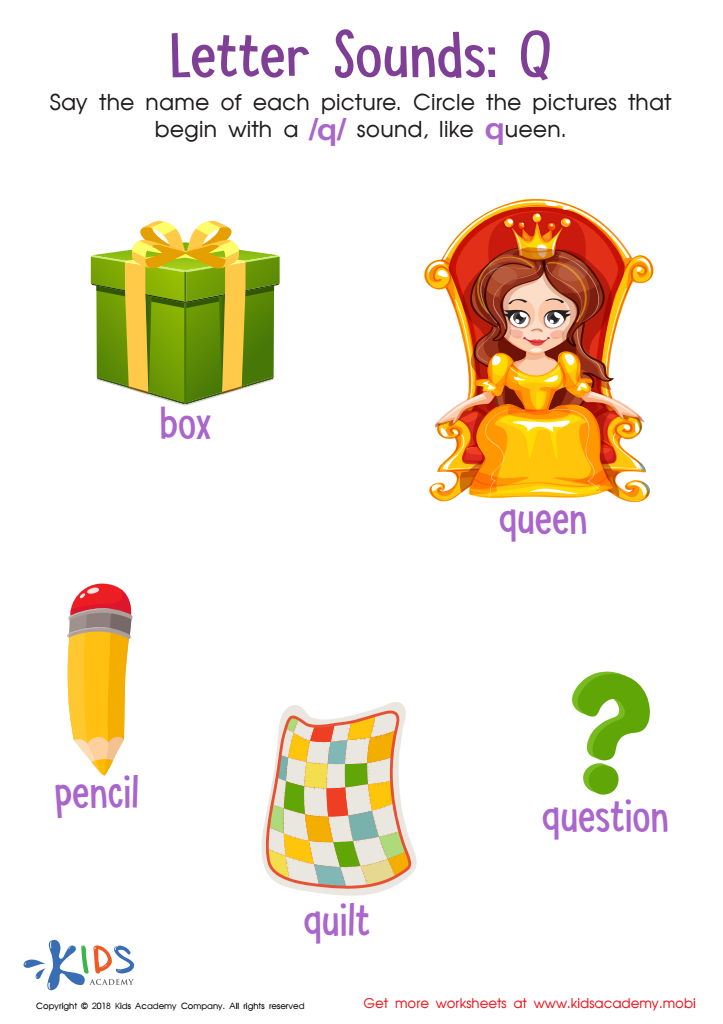
Letter Q Sounds Worksheet
Kids can get confused between "K" and "Q" sounds. Help them learn with this phonics worksheet. They'll name each image and read the word underneath. Point out that words with "Q" also have a "U" which affects how it sounds. Have them circle the matching pictures and watch as they learn this unique letter sound.
 Assign to My Students
Letter Q Sounds Worksheet
Worksheet
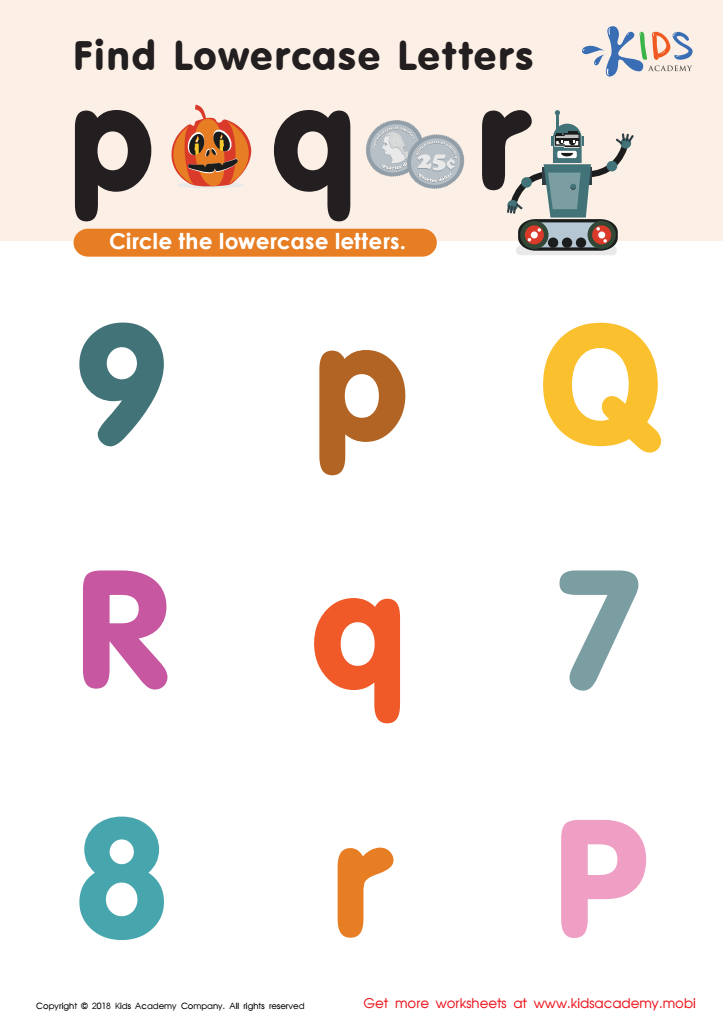
Find lowercase Letters p q r Worksheet
Help your child spot the lowercase letters among the numbers and uppercase letters in this worksheet. It's a great way to teach them to identify and write the lowercase and uppercase letters. Assist them in completing the exercise to give them a better understanding of the alphabets.
Find lowercase Letters p q r Worksheet
Worksheet
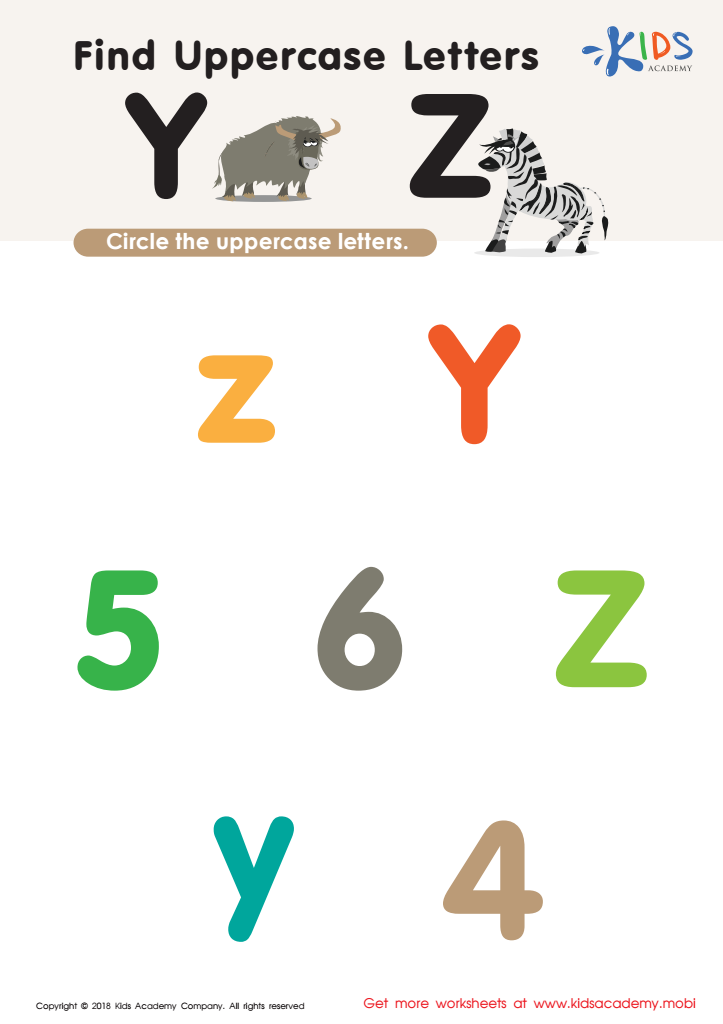
Find Uppercase Letters Y Z Worksheet
Download the worksheet! Help your youngster to learn the alphabet and distinguish uppercase from lowercase letters by having them circle the uppercase ones. It's an important first step towards reading and writing success!
Find Uppercase Letters Y Z Worksheet
Worksheet
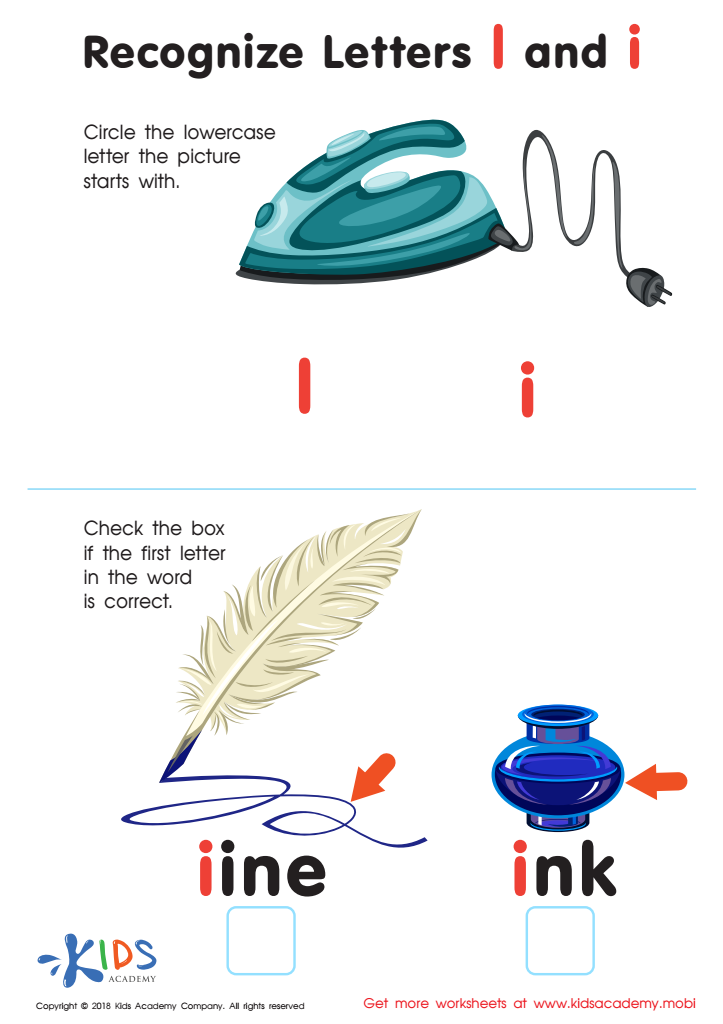
Recognize Letters l and i Worksheet
Help your child become familiar with uppercase and lowercase letters. Have them look at the pictures in the worksheet and circle the lowercase letter the picture starts with. For example: which one is the lowercase "i", the capital "I" or the small "i"?
Recognize Letters l and i Worksheet
Worksheet
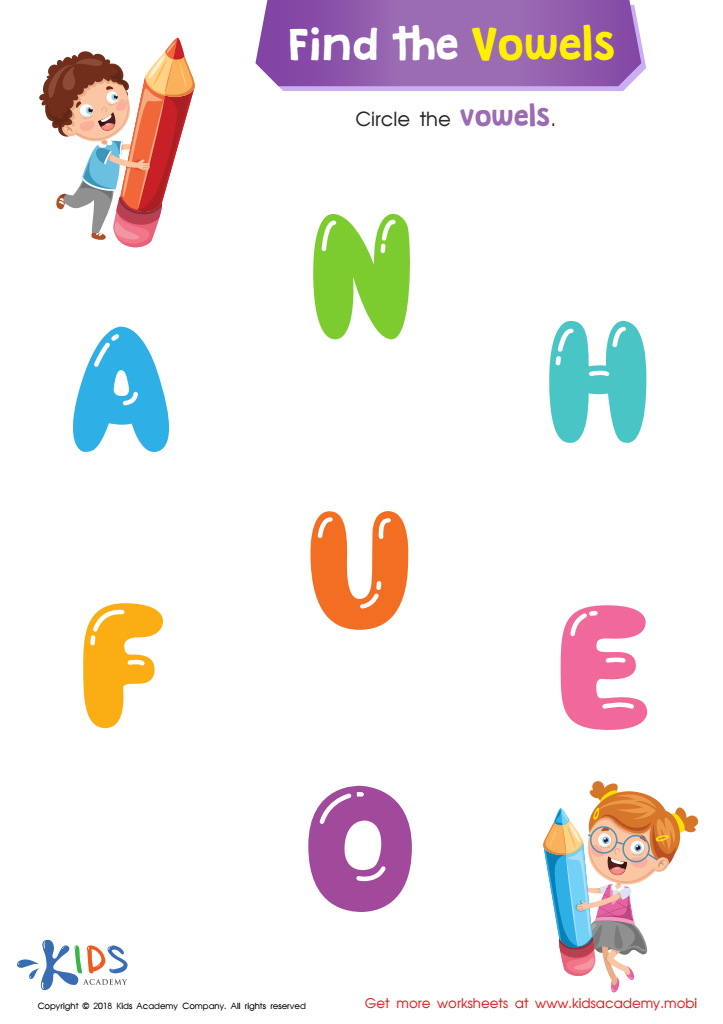
Find the Vowels Reading Worksheet
This worksheet helps kids identify vowels with bright colors and engaging activities to strengthen their visual discrimination and fine motor skills. Young learners will find it easy to succeed and be excited to keep reading!
Find the Vowels Reading Worksheet
Worksheet

Find lowercase letters a b c Worksheet
Help your child identify lowercase letters with this worksheet. Carefully look at each letter and have your child circle the lowercase ones. This exercise is vital in helping them understand the alphabet and the difference between lower and uppercase letters.
Find lowercase letters a b c Worksheet
Worksheet
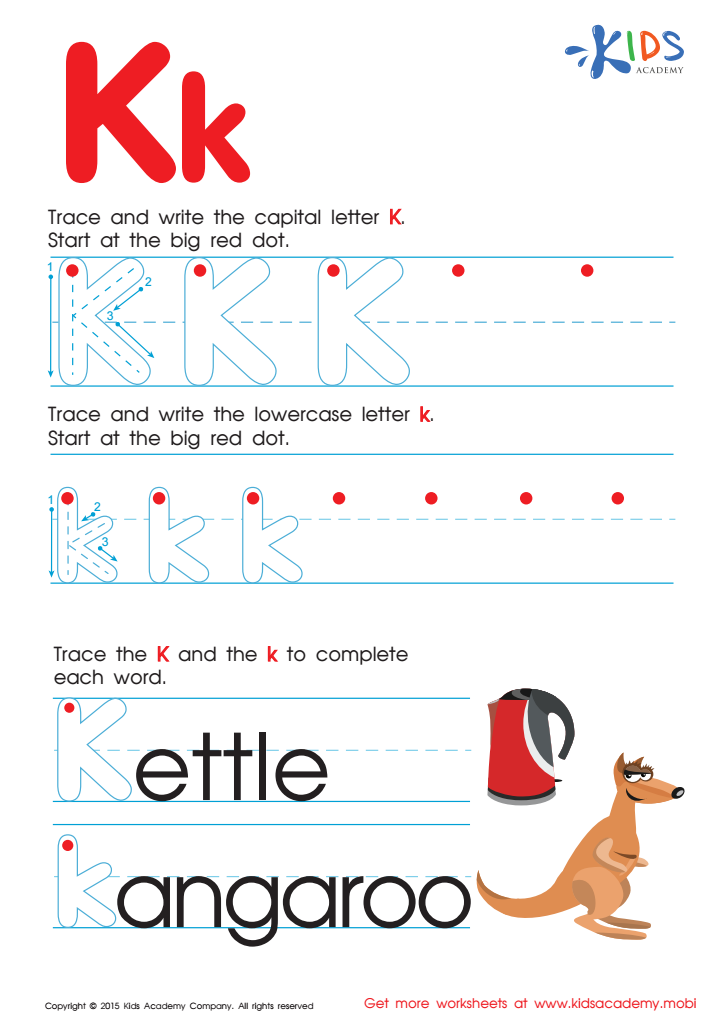
Letter K Tracing Page
Trace and write the letter K; start at the big red dot. Use it to complete words like "Kettle" and "Kangaroo". Visit Kids Academy for more free alphabet worksheets for kindergarten.
Letter K Tracing Page
Worksheet
Join Kids Academy for Free
Who is primarily going to use this learning content?







Understanding the alphabet is a crucial building block for literacy development in early learners, specifically children aged 3-7. This foundational knowledge not only supports reading and writing skills but also enhances cognitive development. Recognizing letters, understanding their sounds, and being able to sequence them is vital as it enables children to decode words, thereby increasing their reading proficiency.
Parents and teachers should care about alphabet understanding because it fosters future academic success. Early familiarity with letters promotes confidence in communication, encourages a love for reading, and equips children with essential skills for more complex learning. Moreover, children who struggle with letter recognition may face challenges in school, leading to feelings of frustration or low self-esteem.
Additionally, tailored activities centered around alphabet recognition can promote a vibrant learning environment. Engaging games, songs, and storytelling enhance engagement and make learning enjoyable. By nurturing a strong grasp of the alphabet, educators and caregivers lay the groundwork for critical thinking, creativity, and effective communication—all skills that are vital for lifelong learning. Ultimately, promoting alphabet understanding between ages 3-7 guarantees children are set on a path toward academic achievement and prepares them for effective participation in an increasingly literate world.







