Letter recognition Normal Letter Sounds Worksheets for Ages 3-7
14 filtered results
-
From - To
Discover our engaging Normal Letter Sounds Worksheets, perfect for children aged 3-7! Designed to enhance letter recognition and phonemic awareness, these worksheets provide a fun and interactive way for young learners to familiarize themselves with the alphabet. Each worksheet features lively illustrations and activities that promote essential early literacy skills. Children will love pairing letters with their corresponding sounds through matching, tracing, and coloring exercises. Our thoughtfully crafted materials not only capture attention but also cultivate a solid foundation for reading success. Start your child’s learning journey today with our vibrant and effective resources tailored to young minds!
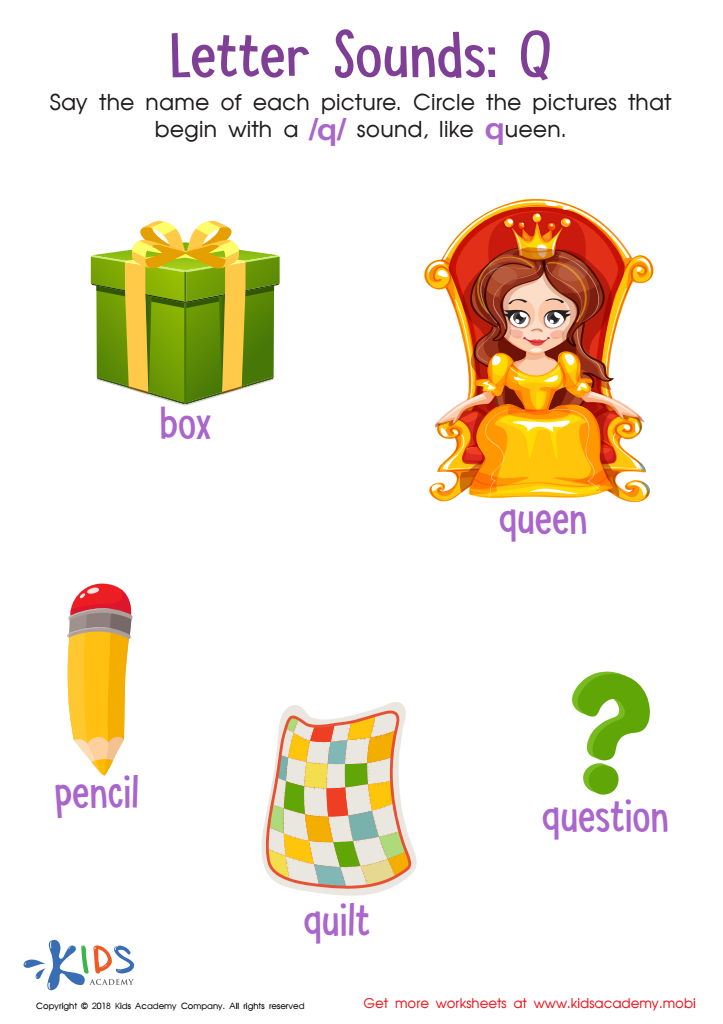
Letter Q Sounds Worksheet
 Assign to My Students
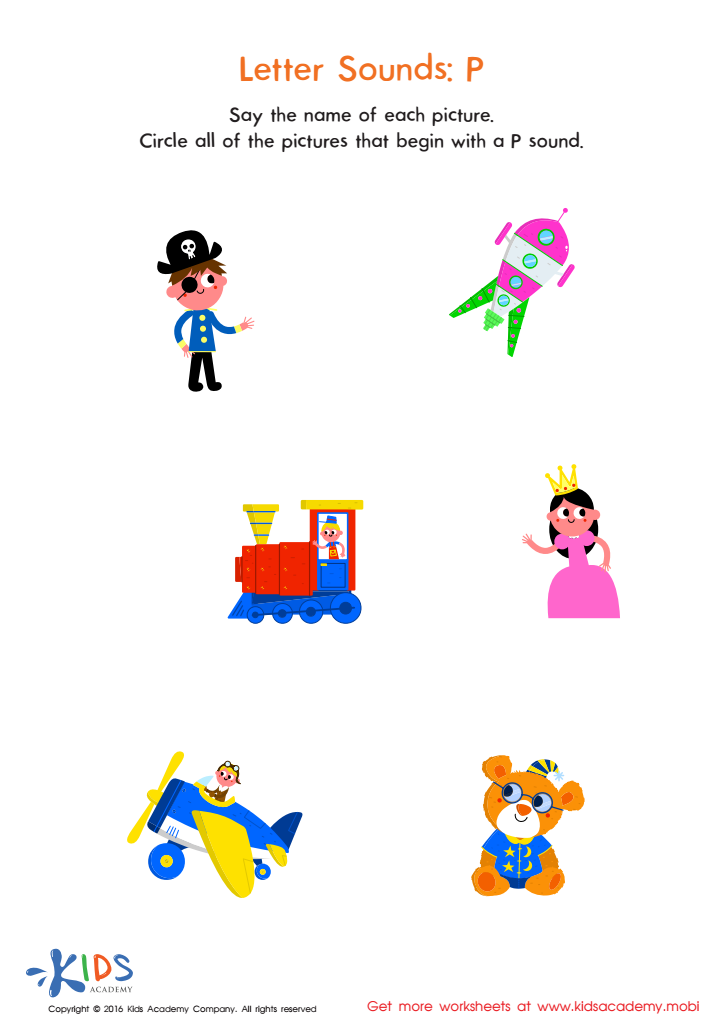
Letter P Sound Worksheet
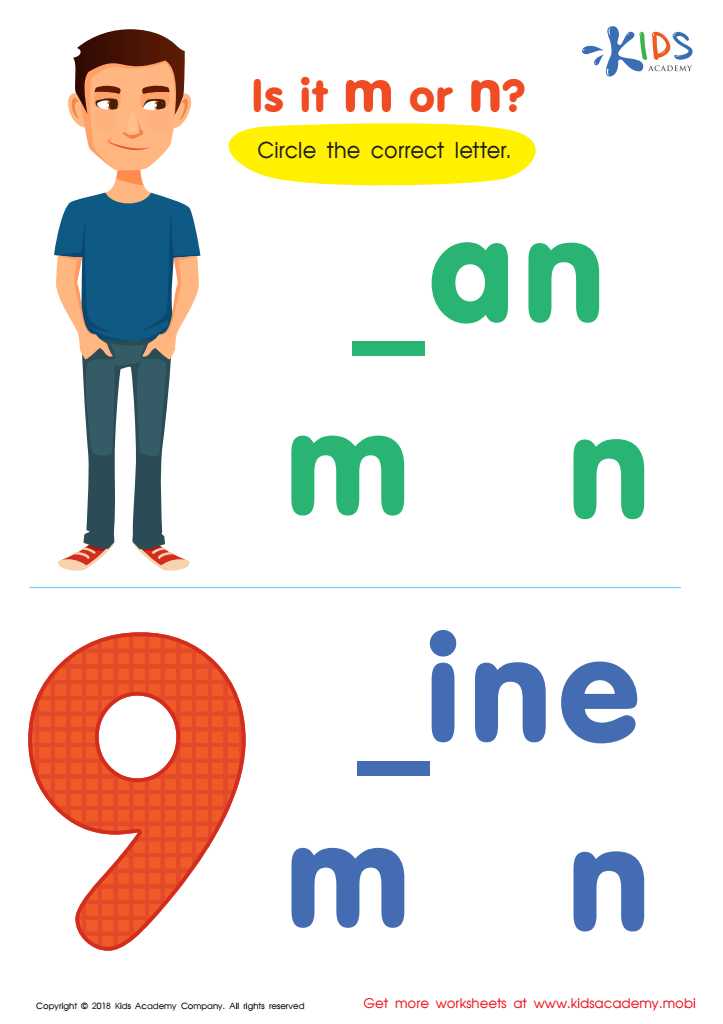
Is It m or n? Worksheet
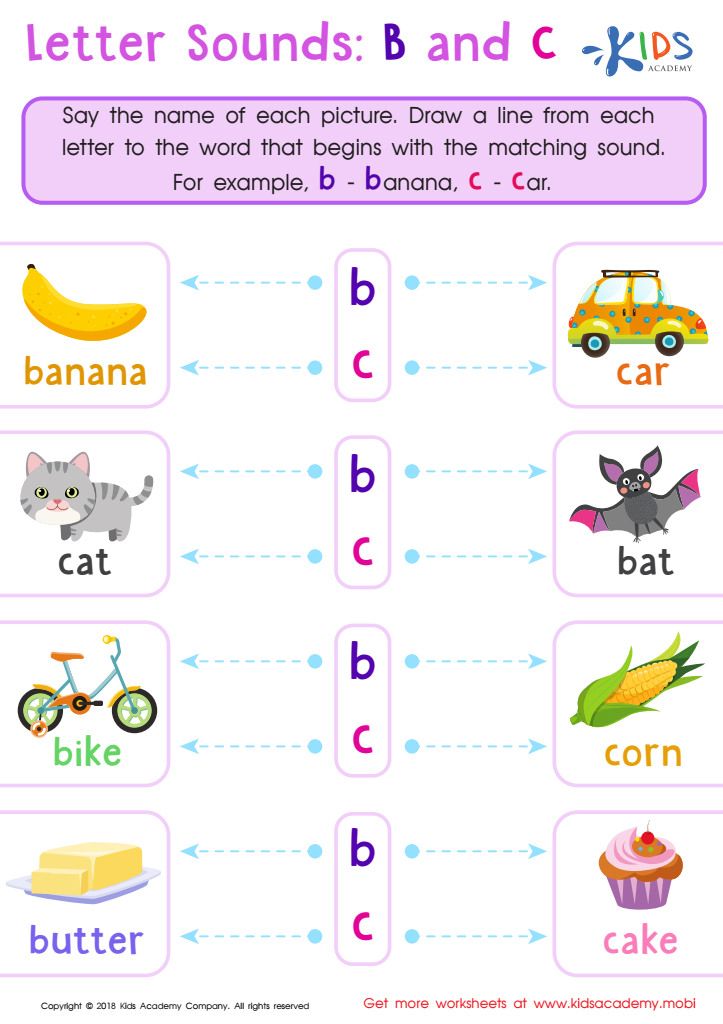
Letter B and C Sounds Worksheet
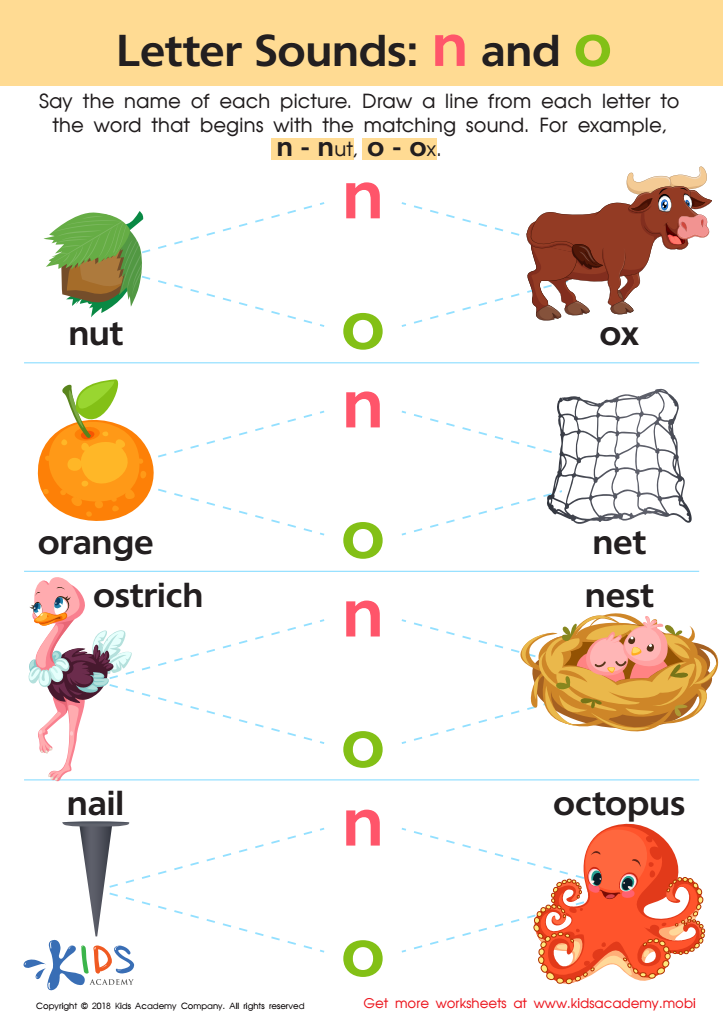
Letter N and O Sounds Worksheet
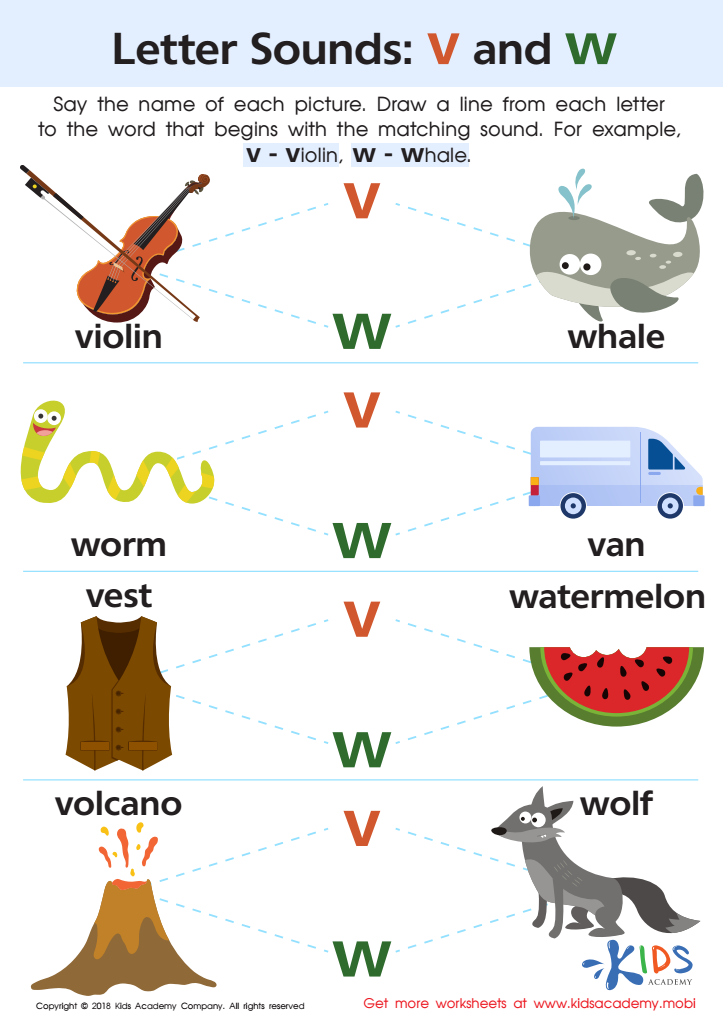
Letter V and W Sounds Worksheet
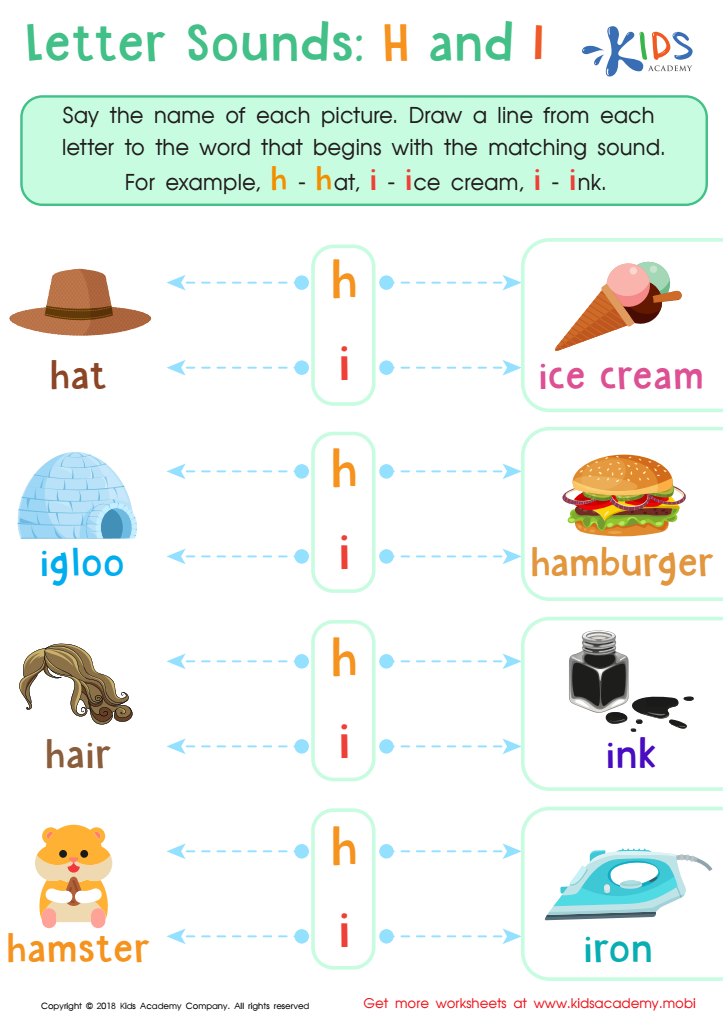
Letter H and I Sounds Worksheet
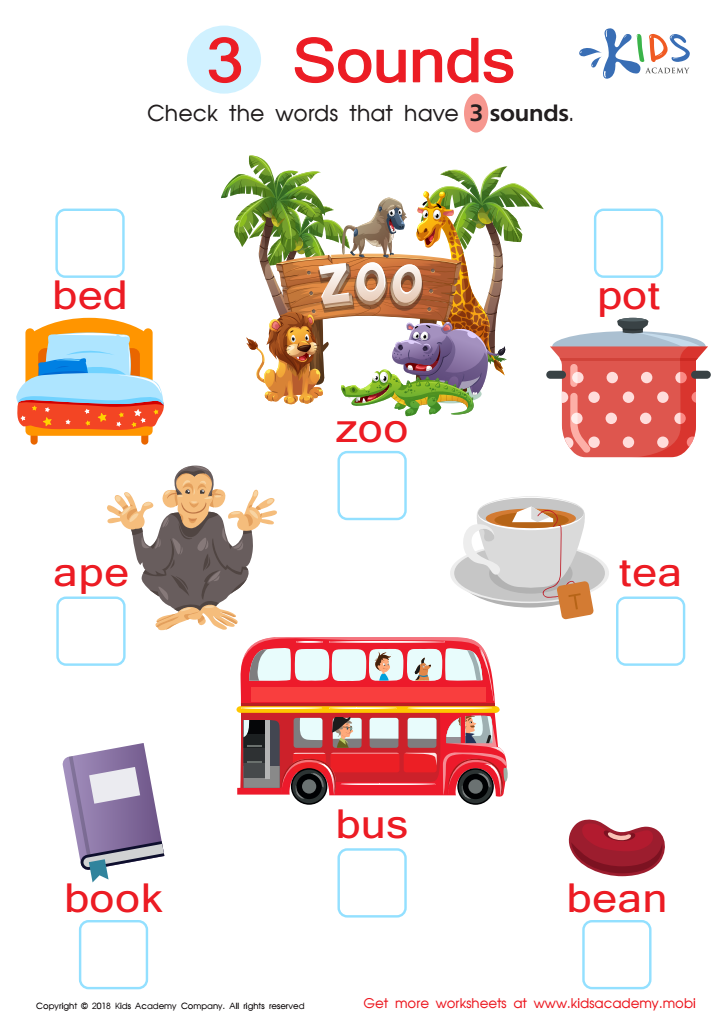
3 Sounds Worksheet
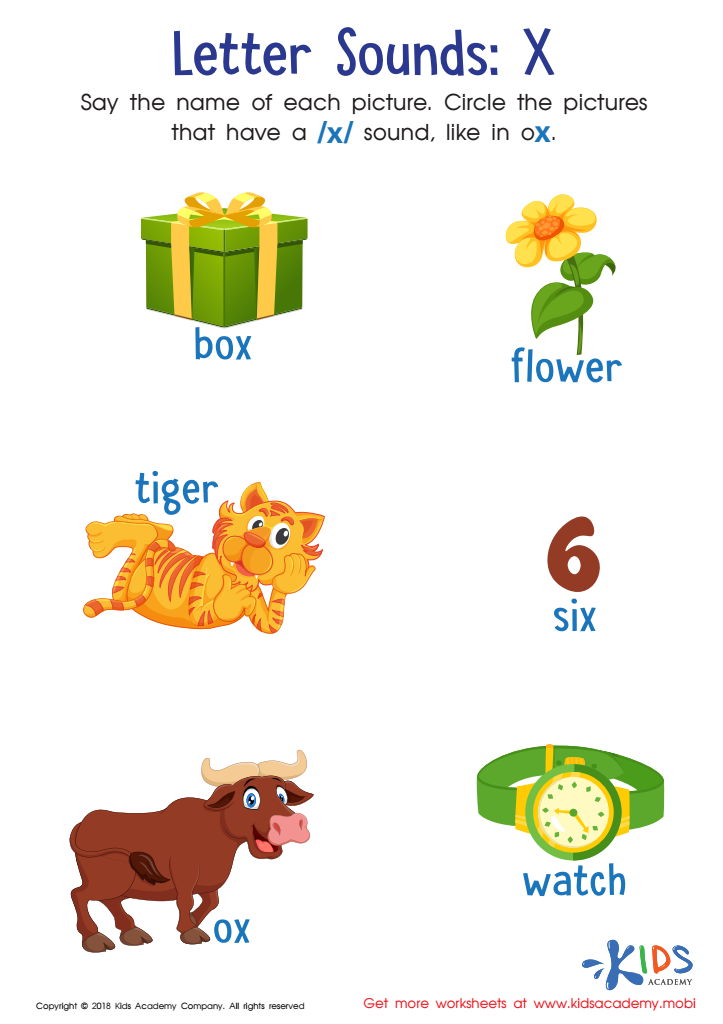
Letter X Sounds Worksheet
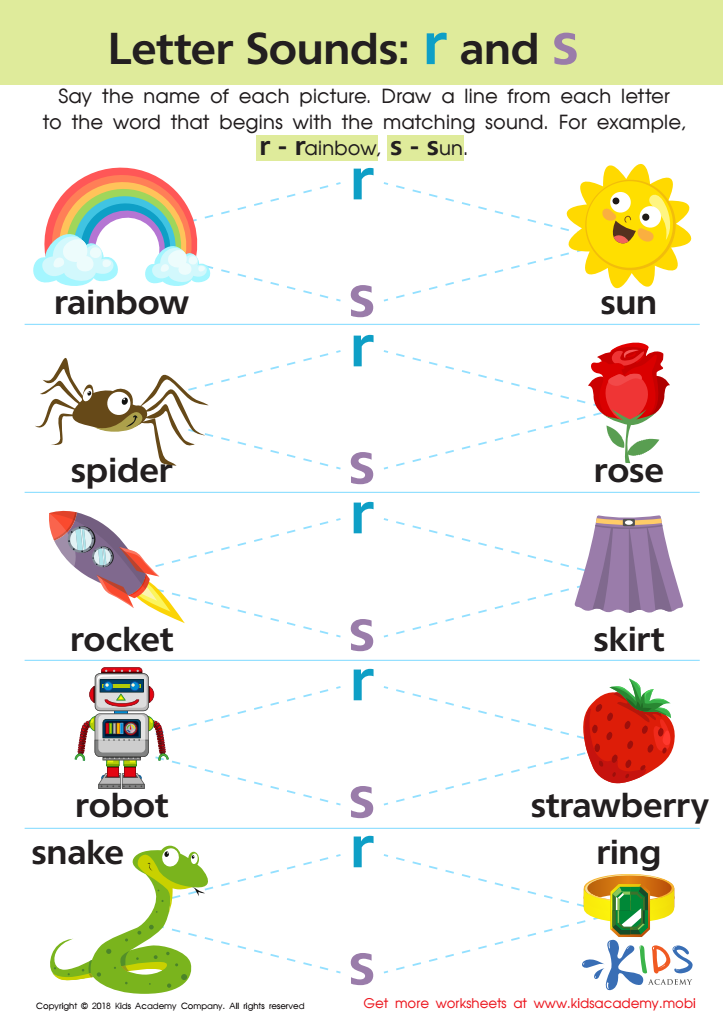
Letter R and S Sounds Worksheet
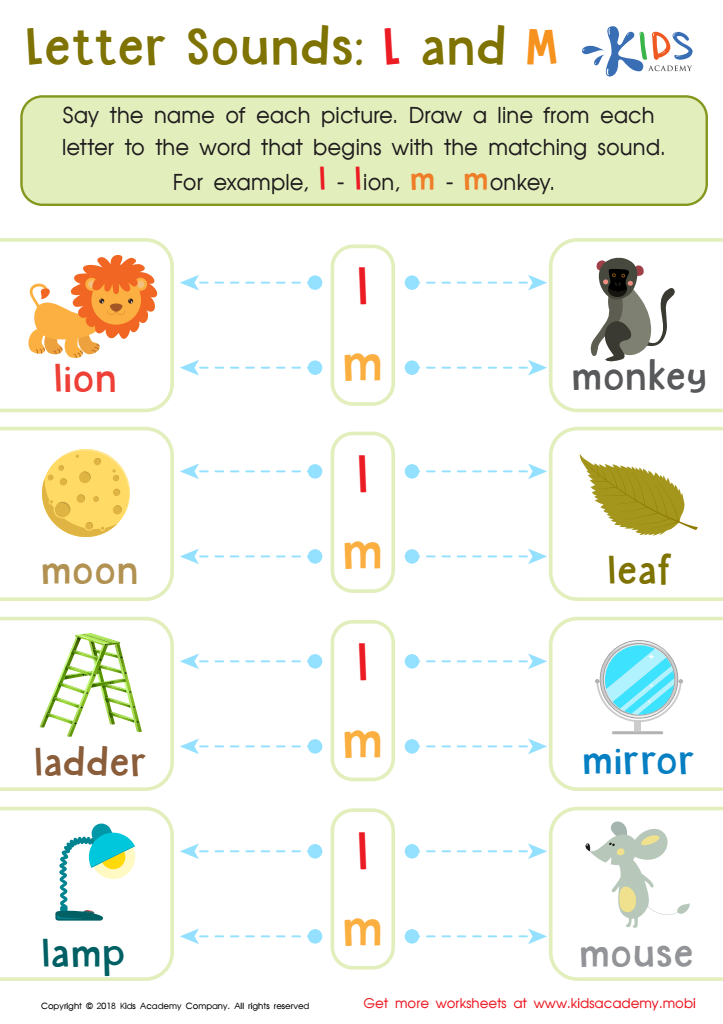
Letter l and M Sounds Worksheet
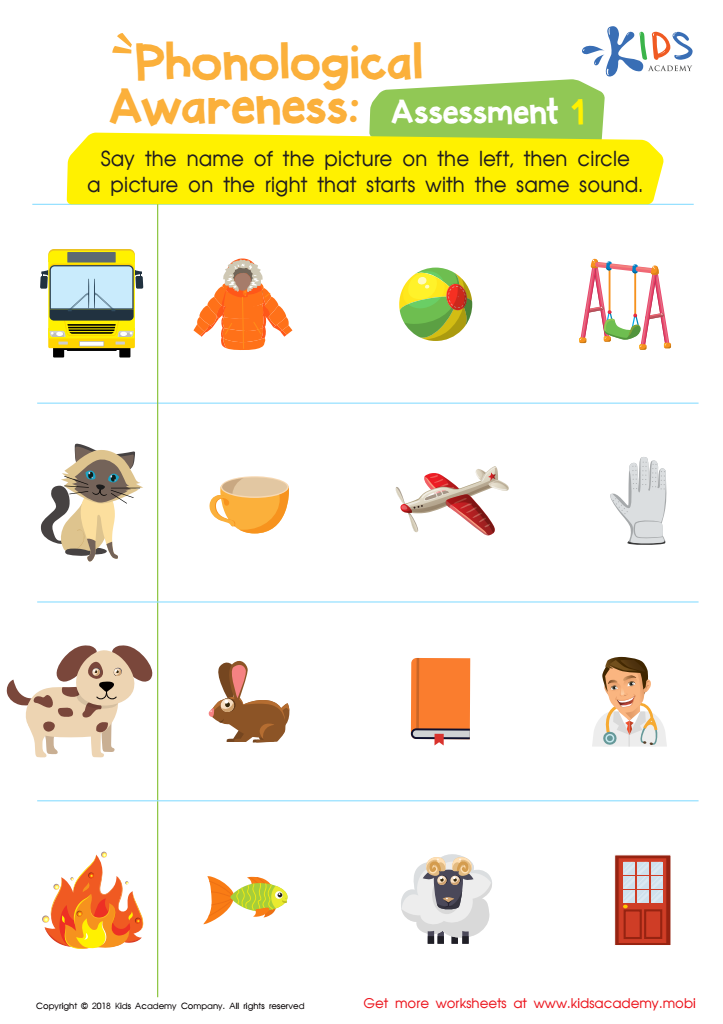
Phonological Awareness: Assessment 1 Worksheet
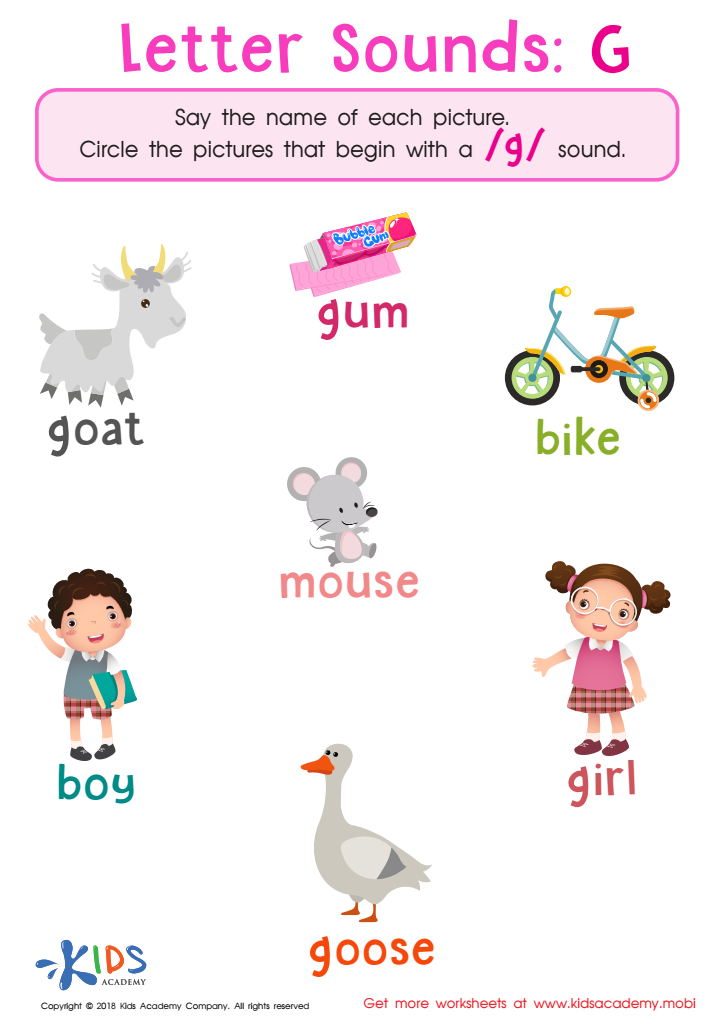
Letter G Sounds Worksheet
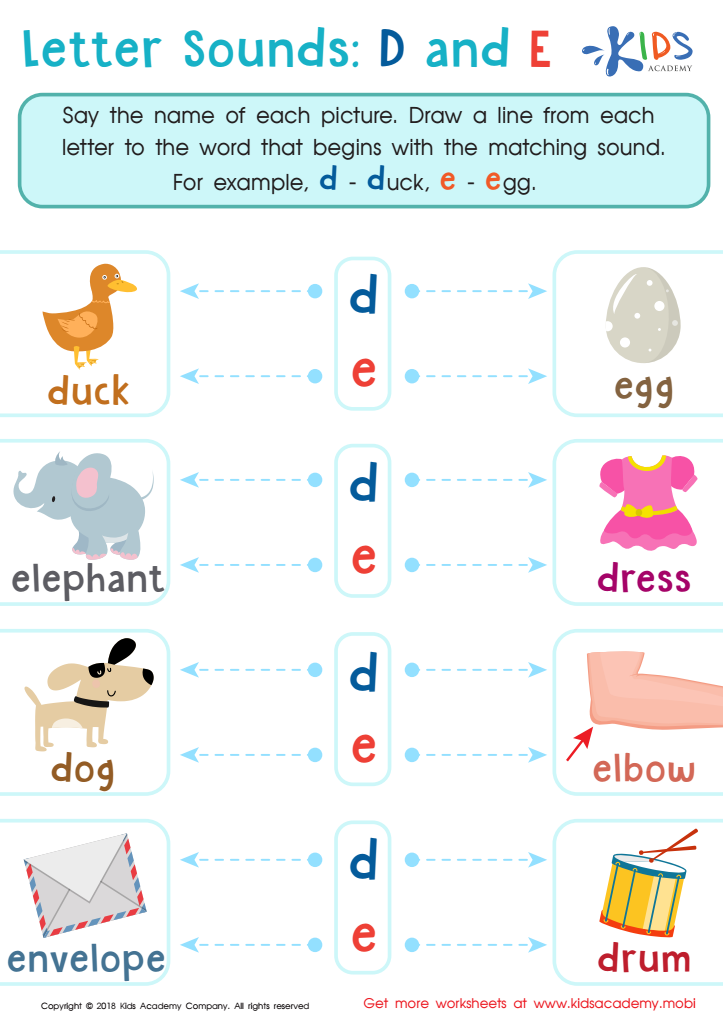
Letter D and E Sounds Worksheet








Letter recognition and understanding normal letter sounds are crucial for children aged 3-7 as these skills form the foundation of literacy development. Early proficiency in recognizing letters helps children identify and differentiate between written symbols, which is essential for reading and writing. As learners become familiar with letters, they can begin to connect them to their corresponding sounds, laying the groundwork for phonemic awareness – a key skill in learning to read.
Parents and teachers play a vital role in nurturing these abilities. By engaging young children in activities that promote letter recognition, such as alphabet games, reading aloud, or singing songs, they create a rich linguistic environment that supports literacy growth. This process not only boosts a child's reading capabilities but also enhances their vocabulary, spelling, and overall communication skills.
Moreover, strong early literacy skills contribute to academic success. When children can recognize letters and associate them with their sounds, they develop confidence and motivation in their learning journey. This early investment in letter recognition and sound understanding ultimately paves the way for proficient reading, helping children navigate their educational environment and pursue lifelong learning. Thus, fostering these skills is essential for parents and teachers alike.






