Normal Phonics Worksheets for Ages 3-7 - Page 8
171 filtered results
-
From - To
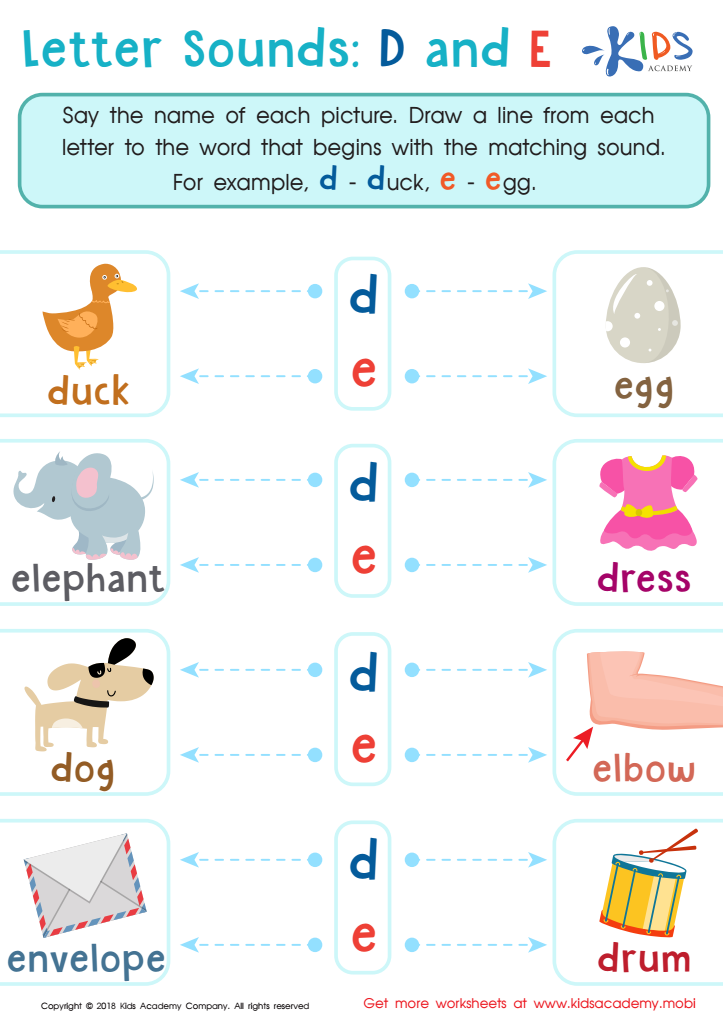
Letter D and E Sounds Worksheet
 Assign to My Students
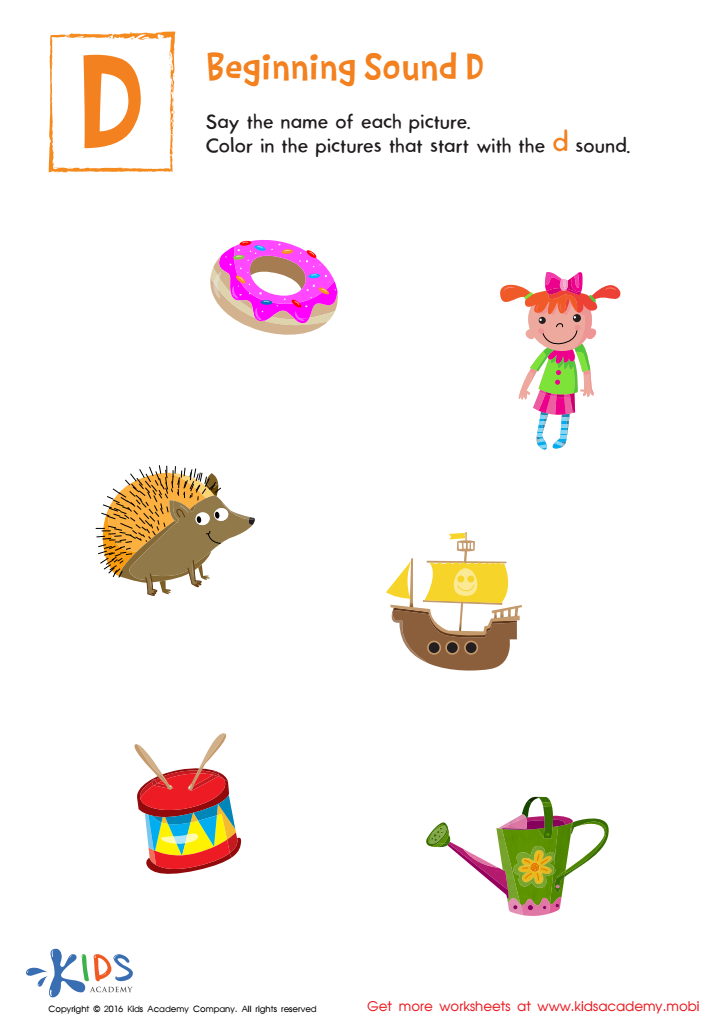
Beginning Sound D Worksheet
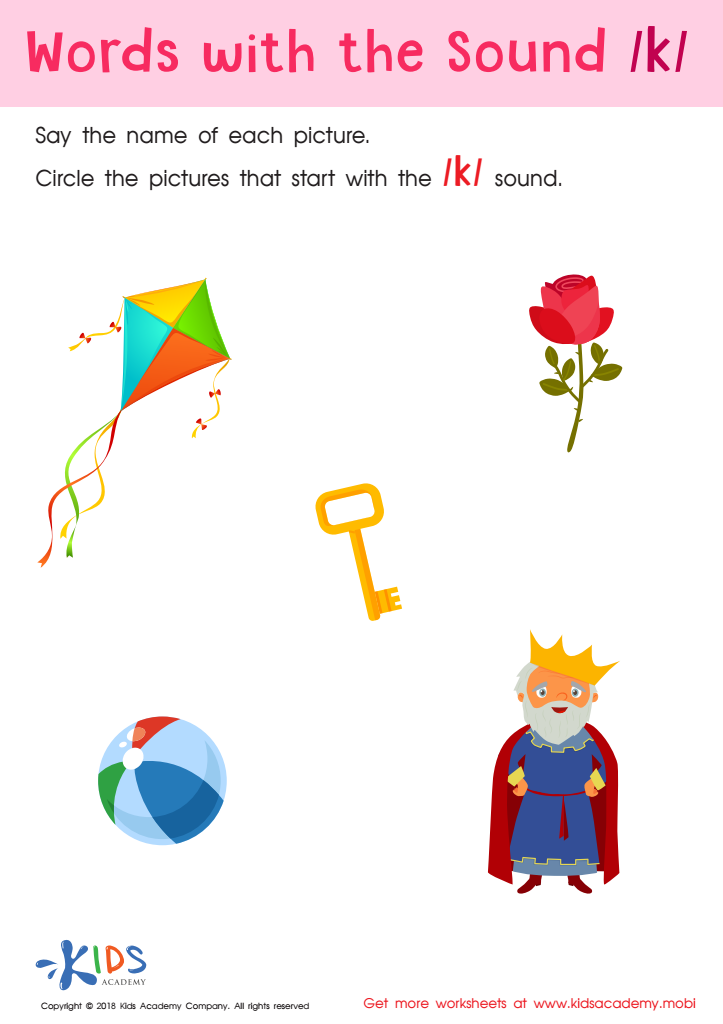
Words with sound k Reading Worksheet








Parents and teachers should care about Normal Phonics for ages 3-7 because it lays the foundational skills necessary for reading success. At these early developmental stages, children are rapidly acquiring language skills, and phonics provides the systematic approach needed to connect sounds with letters. Understanding phonics helps children decode words, enhancing their ability to read fluently and with comprehension.
Engaging with Normal Phonics encourages positive attitudes towards reading. When children grasp the relationship between sounds and letters, they gain confidence, leading to a love for literature and learning. Furthermore, early exposure to phonics can address language delays and set the stage for advanced reading skills as children progress into higher grades.
Normal Phonics also supports individualized learning; each child can progress at their own pace, catering to different learning styles and needs. Moreover, it provides parents and teachers with a strategy to support literacy development effectively, promoting collaboration in a child’s learning journey.
In summary, investing time in Normal Phonics early on fosters essential literacy skills, nurtures a love for reading, and equips children with the tools they need for academic success throughout their educational careers.







