Reading comprehension Normal Phonics Worksheets for Ages 3-7 - Page 3
61 filtered results
-
From - To
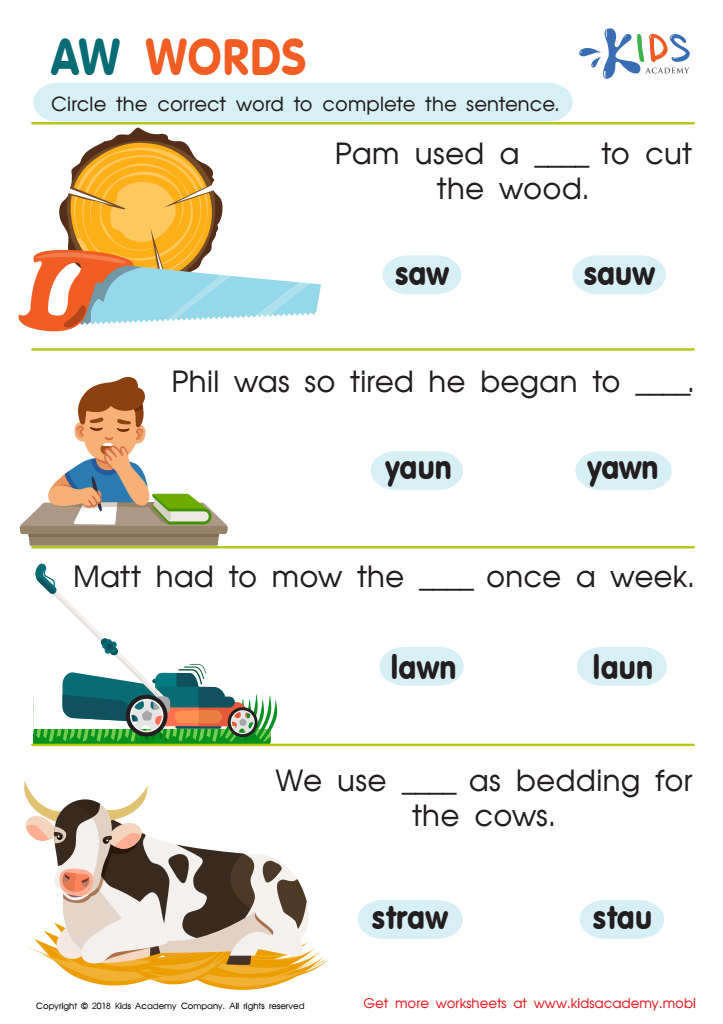
Reading: AW Words Worksheet
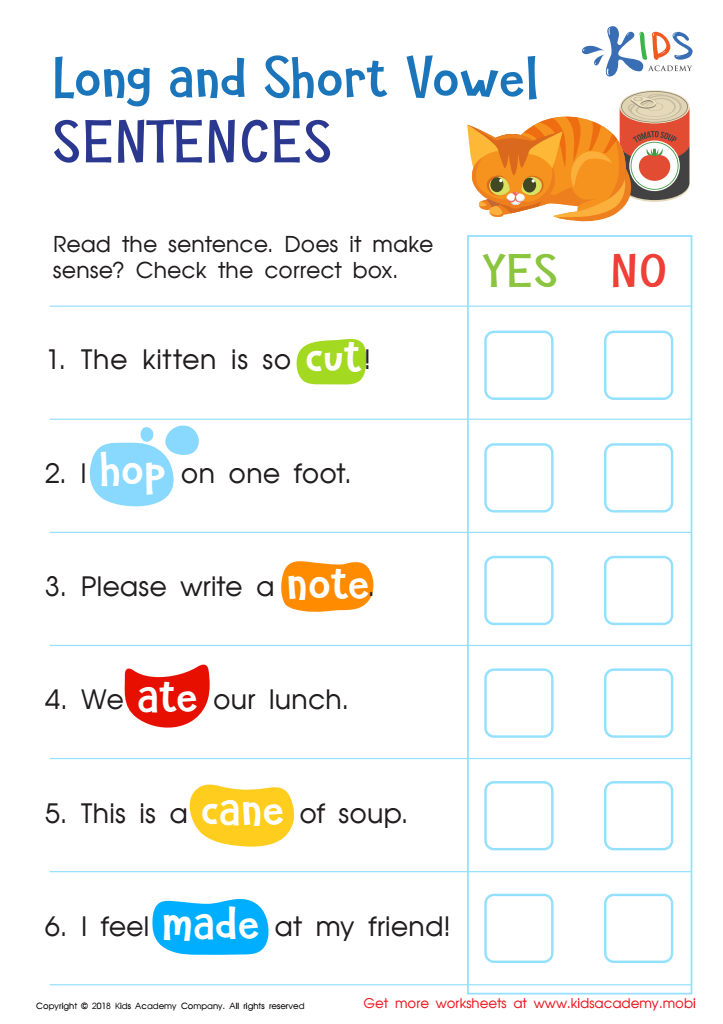
Long and Short Vowel Sentences: Assessment Worksheet
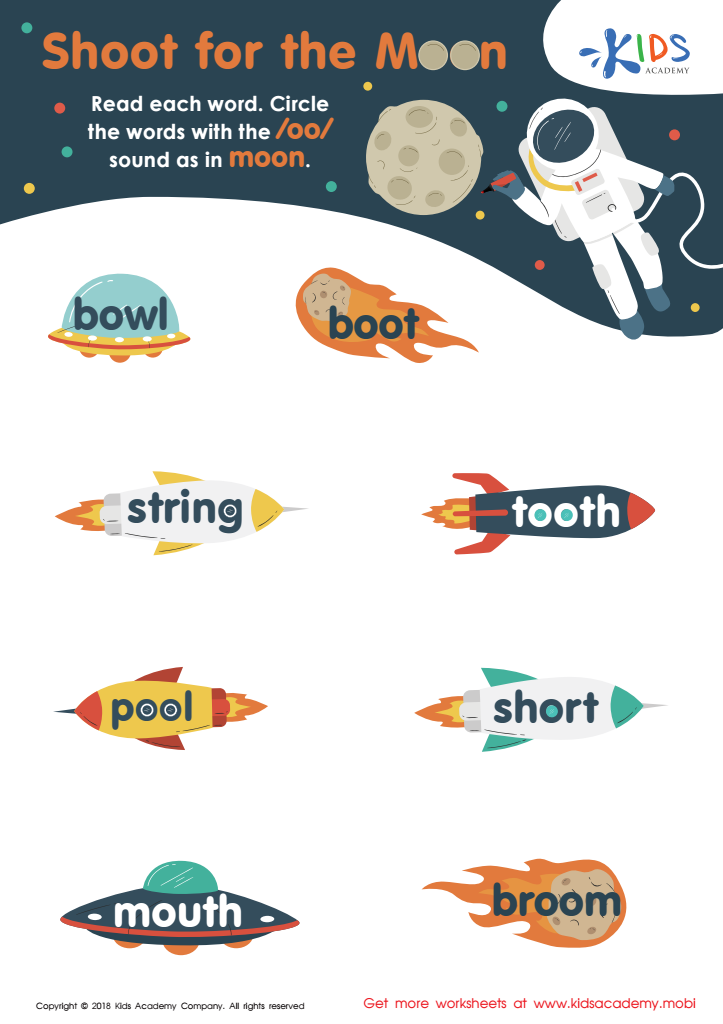
Reading: Shoot for the Moon Worksheet
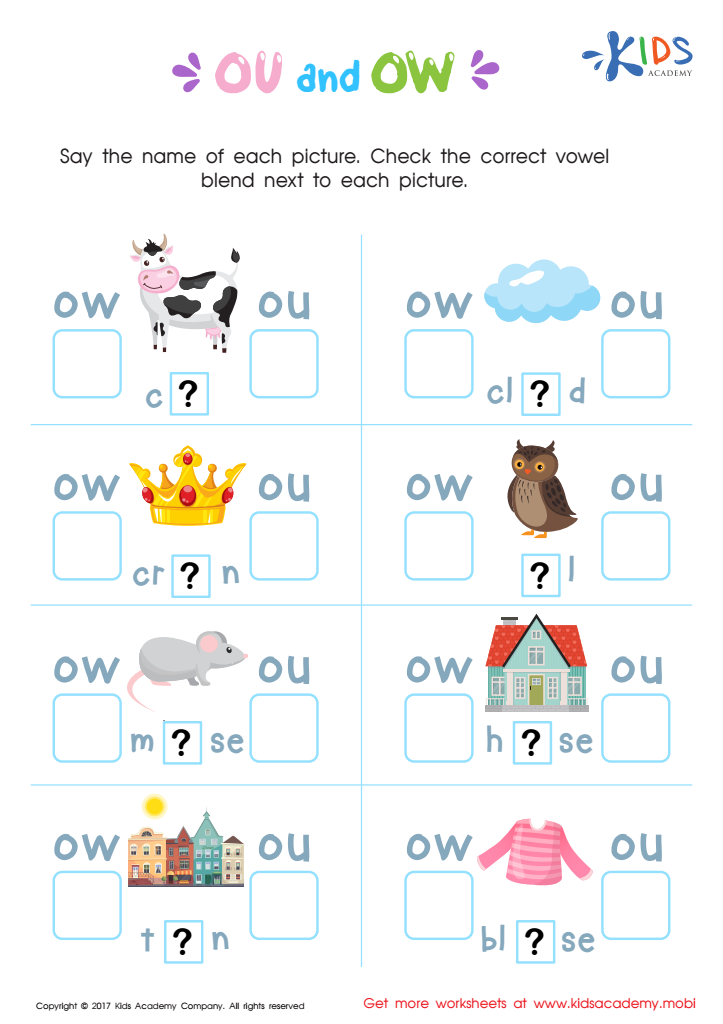
OU and OW Words Worksheet
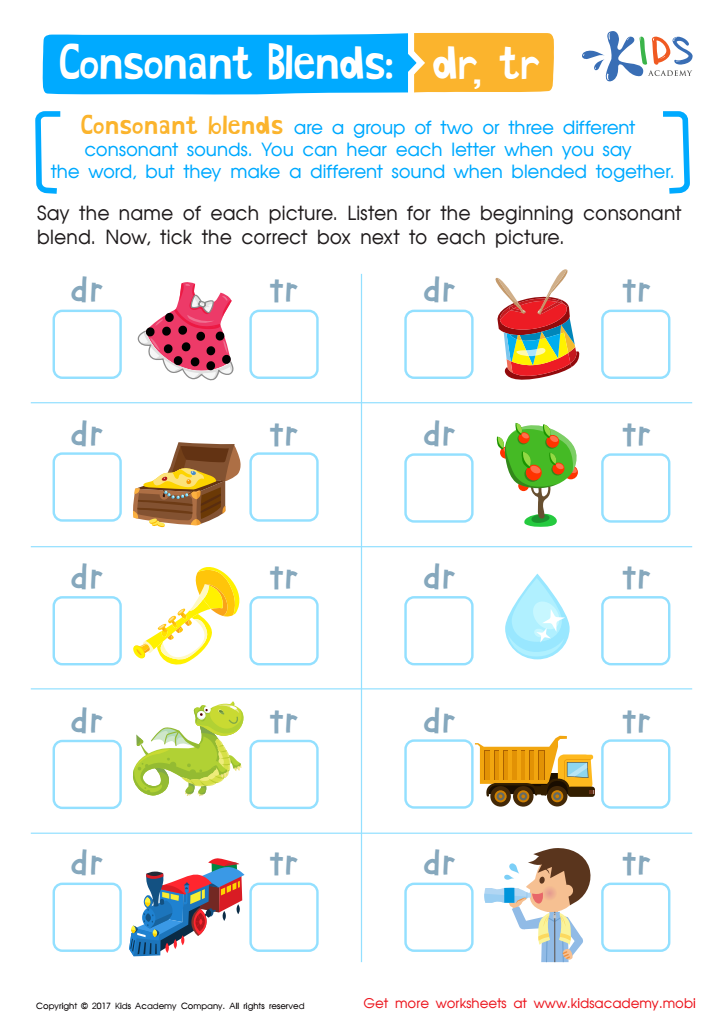
Consonant Blends: "Dr" and "Tr" Printable
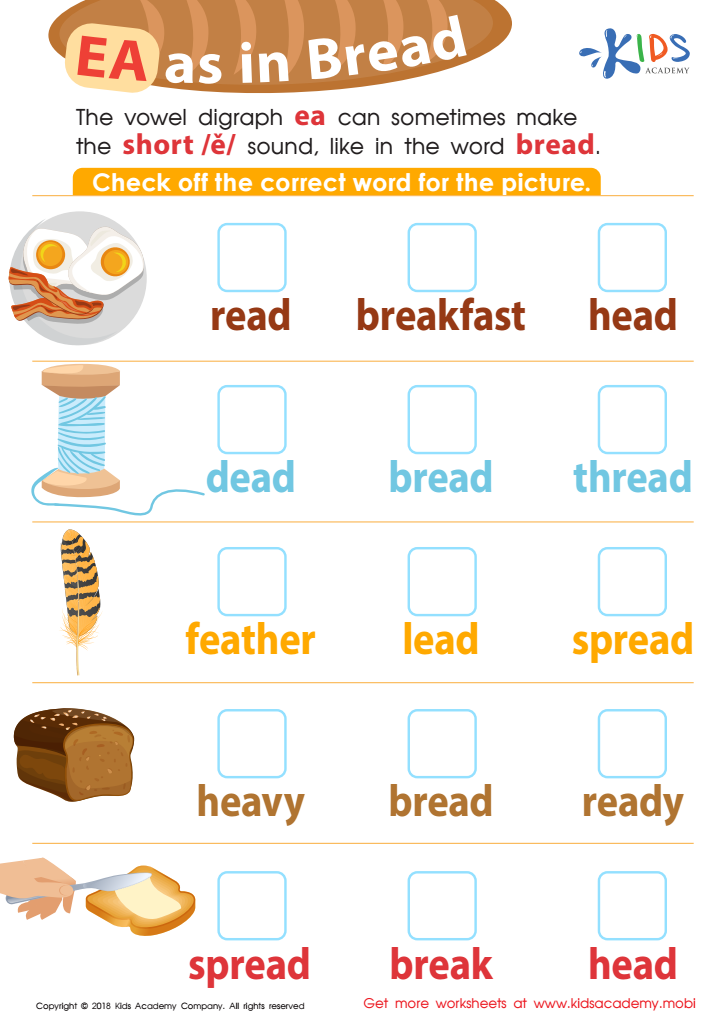
Reading: EA as in Bread Worksheet
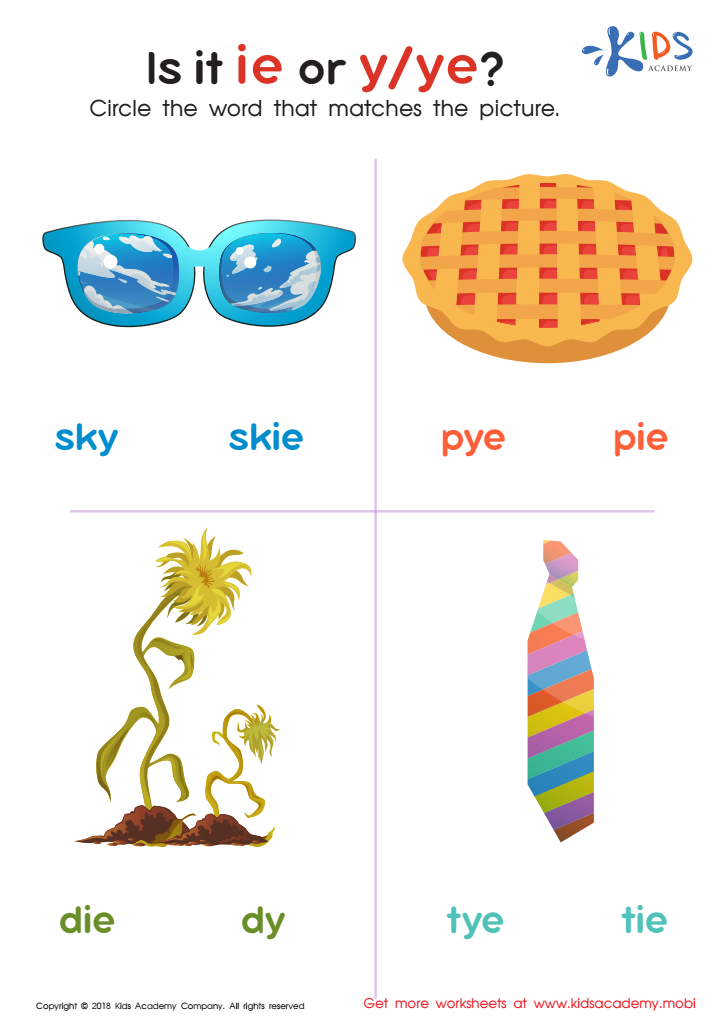
Is It IE or Y/Ye? Worksheet
Long and Short E Worksheet
 Assign to My Students
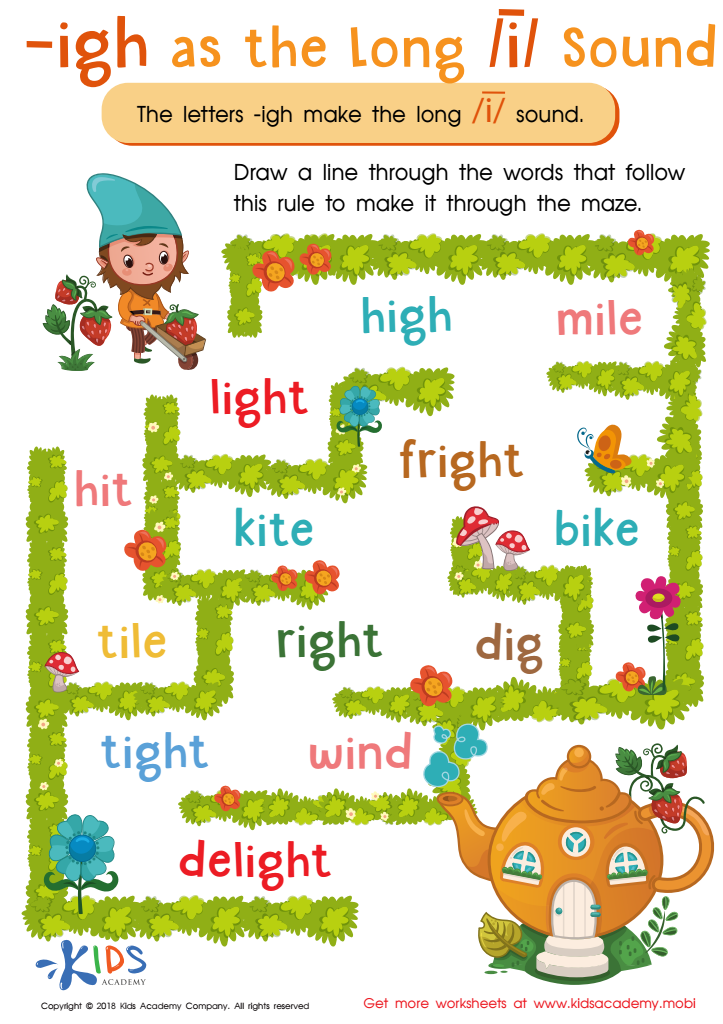
Reading: IGH as Long I Worksheet
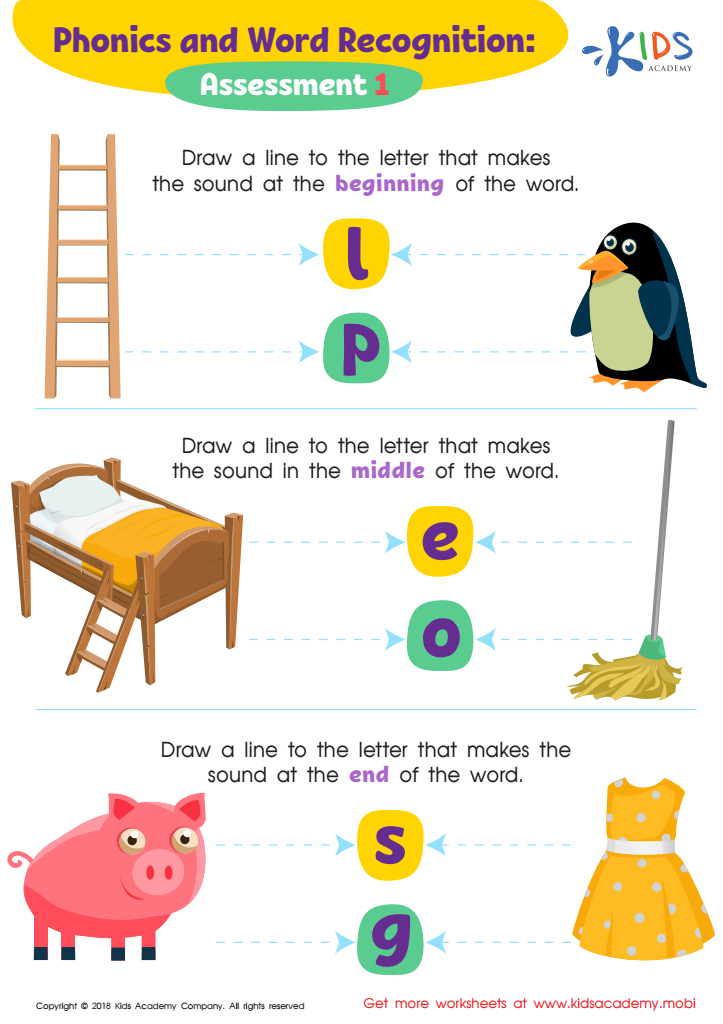
Phonics and Word Recognition: Assessment 1 ELA Worksheet
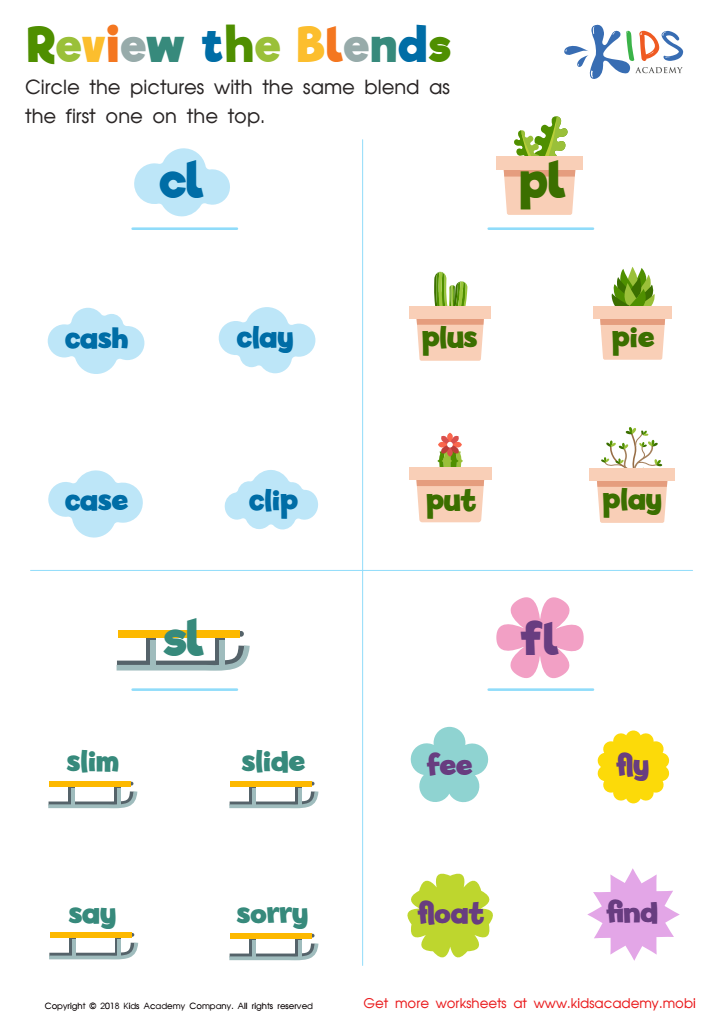
Review the Blends Worksheet
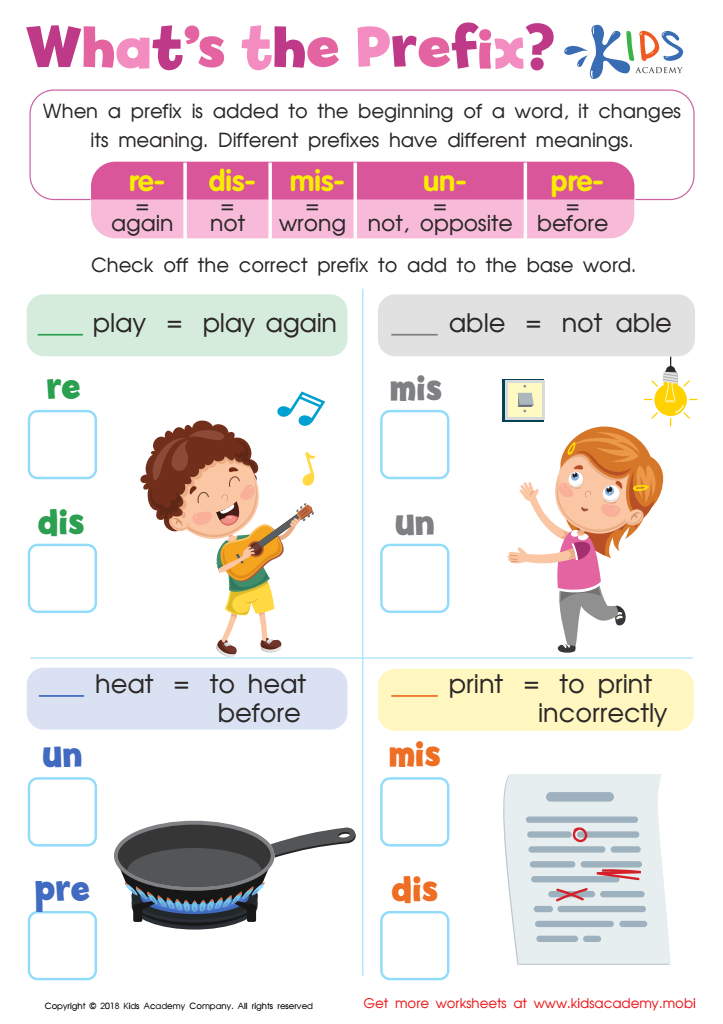
Reading: What Is the Prefix Worksheet
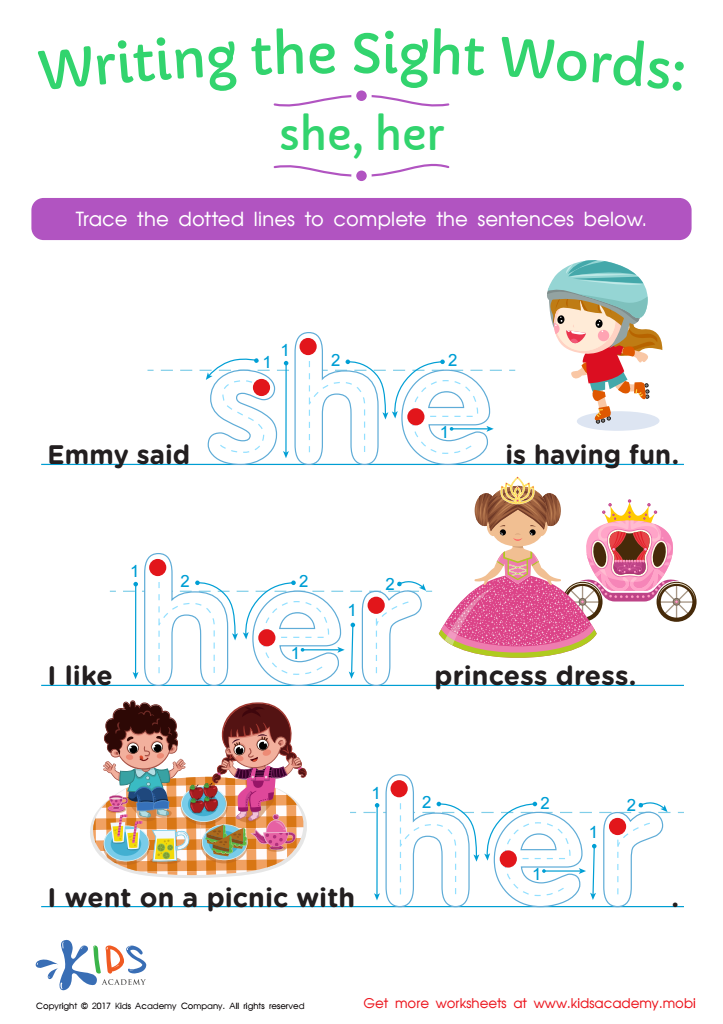
She, Her Printable Sight Words Worksheet








Reading comprehension skills are critical for early learners, and normal phonics is a fundamental component of developing these skills in children aged 3-7. During these formative years, children are introduced to the building blocks of language, and phonics lays the groundwork for understanding how letters and sounds connect to form words and sentences.
When teachers and parents prioritize phonics-based reading programs, they enhance children's ability to decode words, which directly improves their reading fluency and comprehension. As children learn to sound out words confidently, they can then focus on understanding the content, making connections, and engaging with texts, which boosts overall literacy.
Moreover, strong reading comprehension skills are linked to academic success across subjects, as children often need to read and interpret information in various contexts. When parents and teachers invest time in implementing phonics strategies, they foster a child's love for reading, critical thinking, and communication skills.
Ultimately, by caring about phonics and reading comprehension at an early age, parents and teachers empower children with essential life skills, setting them on a path for lifelong learning and achievement.







