Creativity stimulation Normal Coloring Pages Worksheets for Ages 3-7
5 filtered results
-
From - To
Unlock your child's imagination with our Creativity Stimulation Normal Coloring Pages Worksheets, perfect for kids aged 3-7! These engaging activities foster artistic expression, helping young learners develop fine motor skills and hand-eye coordination while having fun. Each coloring page is designed to inspire creativity, allowing children to explore colors, patterns, and their unique artistic voices. As they bring characters and scenes to life, they'll build confidence and enjoy the therapeutic benefits of coloring. Browse our collection to find themes that captivate your child's interests and encourage creativity today! Stimulate your little one's creativity with our enriching coloring pages!
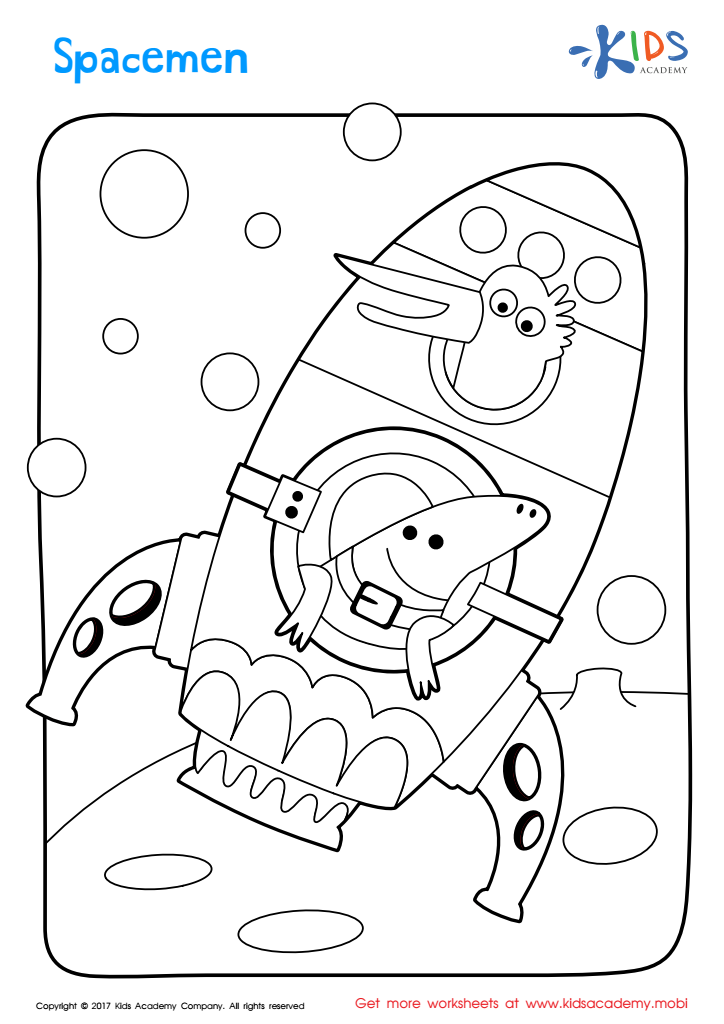
Spacemen Coloring Page
 Assign to My Students
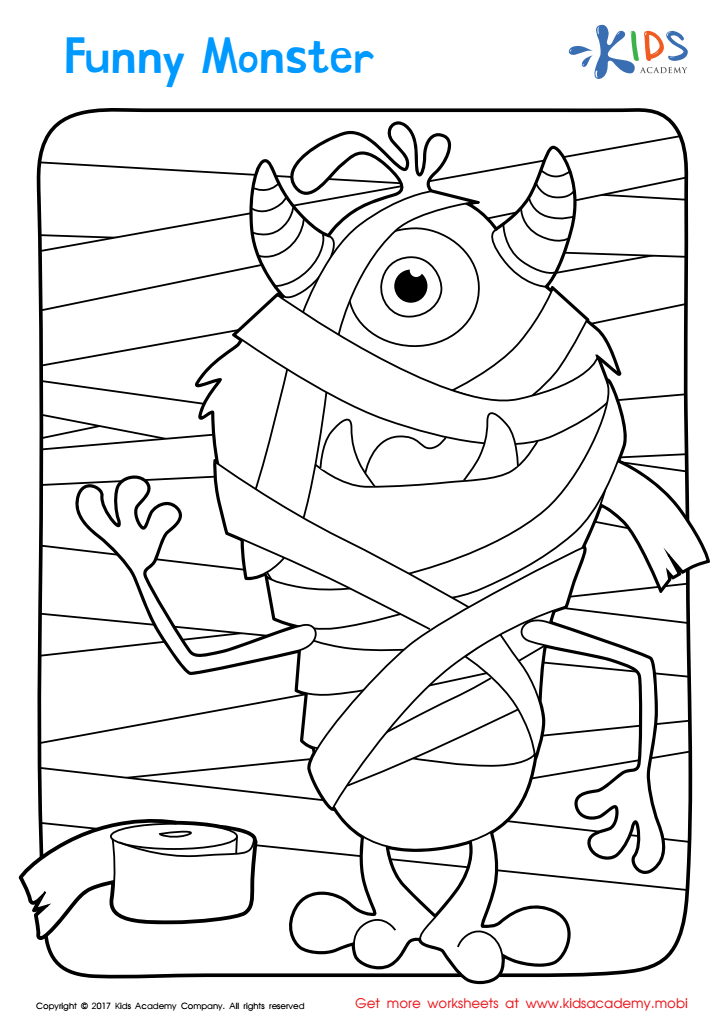
Halloween: A Funny Monster Worksheet
Assign to My Students
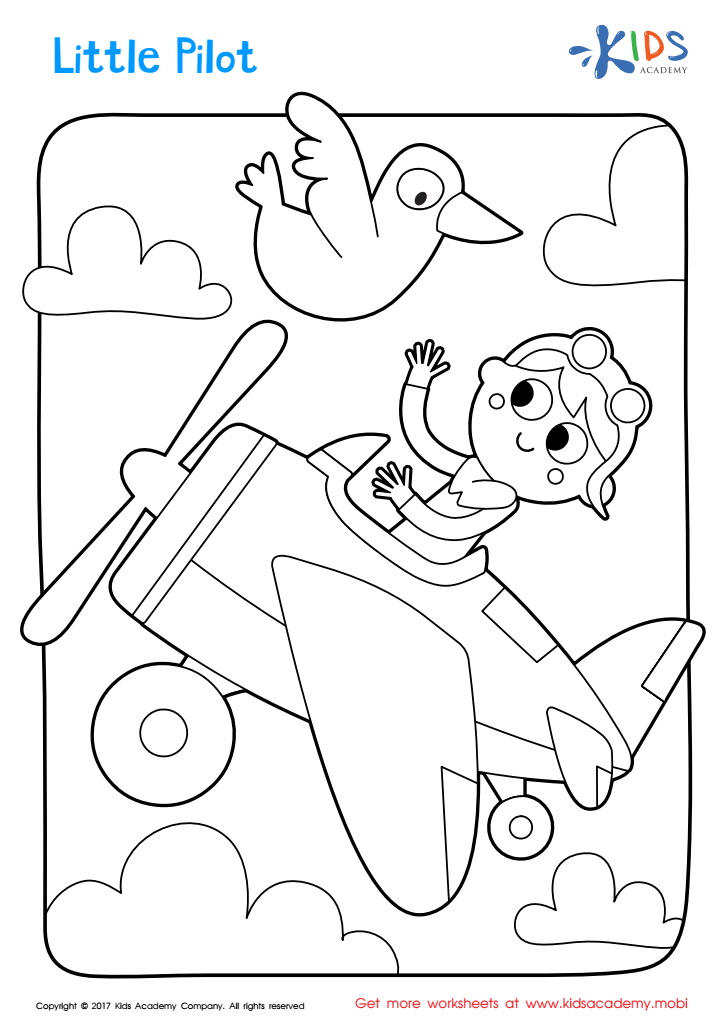
Little Pilot Coloring Page
Assign to My Students
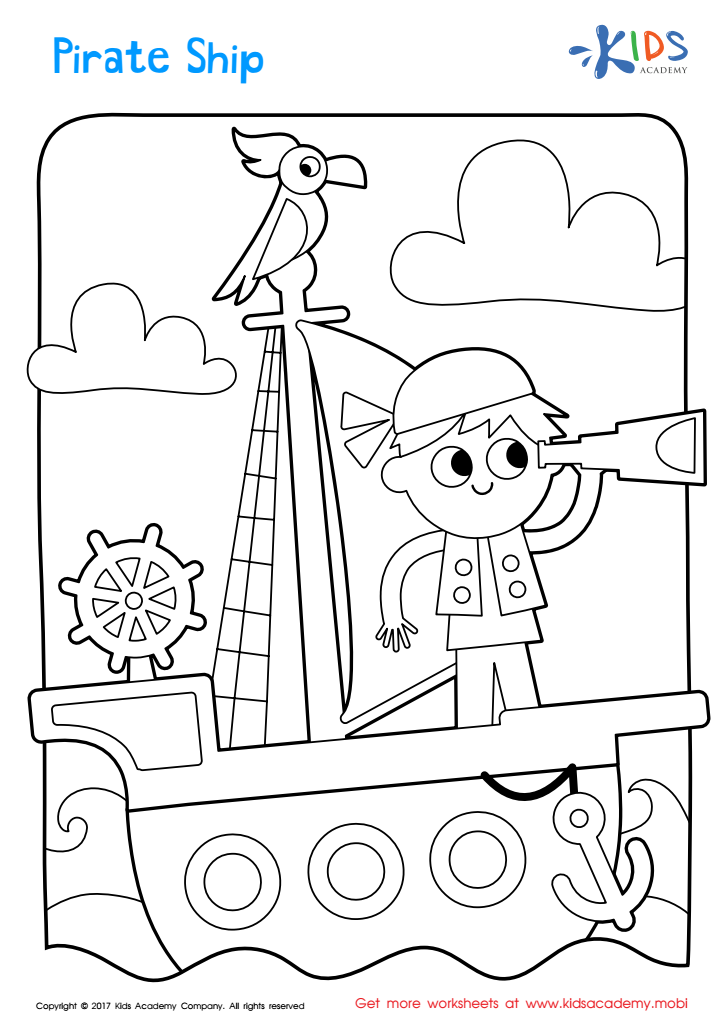
Pirate Ship Coloring Page
Assign to My Students
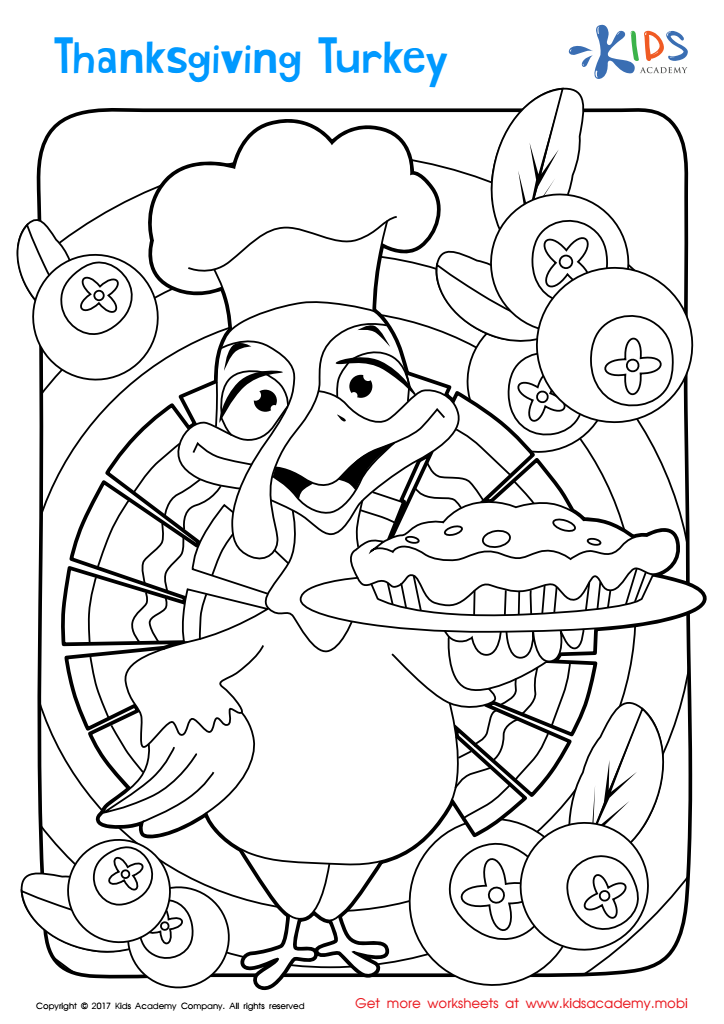
Turkey Thanksgiving Day Worksheet
Assign to My Students







Creativity stimulation through normal coloring pages for children ages 3-7 is crucial for several reasons. At this stage, children are developing their fine motor skills and hand-eye coordination, which are essential for writing and many other tasks. Coloring allows young learners to practice holding tools like crayons and markers, influencing their dexterity and control.
Moreover, coloring pages encourage creative expression, allowing kids to explore their imagination and ideas. As they choose colors and design their creations, they develop decision-making skills and a sense of individuality. These activities can also spark conversations between parents, teachers, and children, enhancing social skills and language development.
Additionally, coloring has been shown to have calming effects, providing a quiet, reflective space for kids that can aid in emotional regulation. Engaging in such creative activities can increase focus and attention span, essential skills for learning in school.
Furthermore, offering diversified coloring pages—ranging from complex designs to thematic images—nurtures each child's unique interests. This fosters a love for creativity and learning that can extend beyond the classroom and into various aspects of life. By prioritizing creativity stimulation through coloring, parents and teachers can significantly contribute to holistic child development.