Color recognition Normal English for Beginners Worksheets for Ages 3-7
9 filtered results
-
From - To
Explore our engaging "Color Recognition Normal English for Beginners Worksheets," designed for children ages 3-7. These thoughtfully crafted printable worksheets introduce young learners to the vibrant world of colors. With colorful illustrations and simple language, these resources enhance recognition skills while promoting vocabulary development. Each worksheet includes fun exercises that encourage children to identify, match, and color various items, helping them easily learn about different shades in an interactive way. Perfect for teachers and parents alike, our color recognition worksheets are an excellent tool to make learning enjoyable and effective for ESL beginners. Start your child's color exploration today!
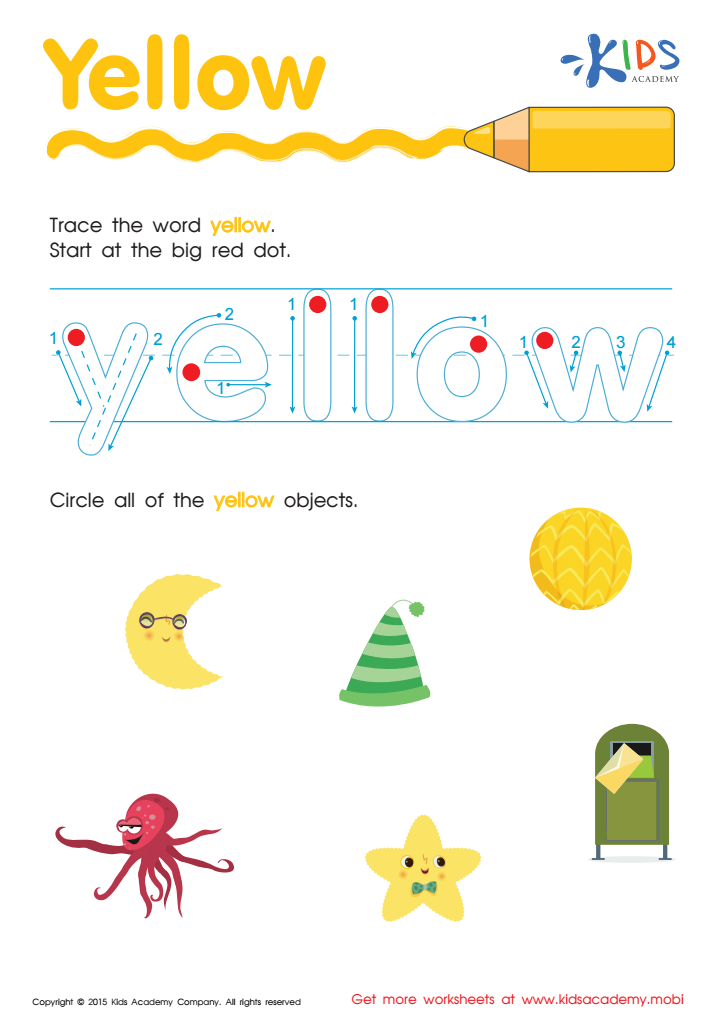
Yellow Tracing Color Words Worksheet
 Assign to My Students
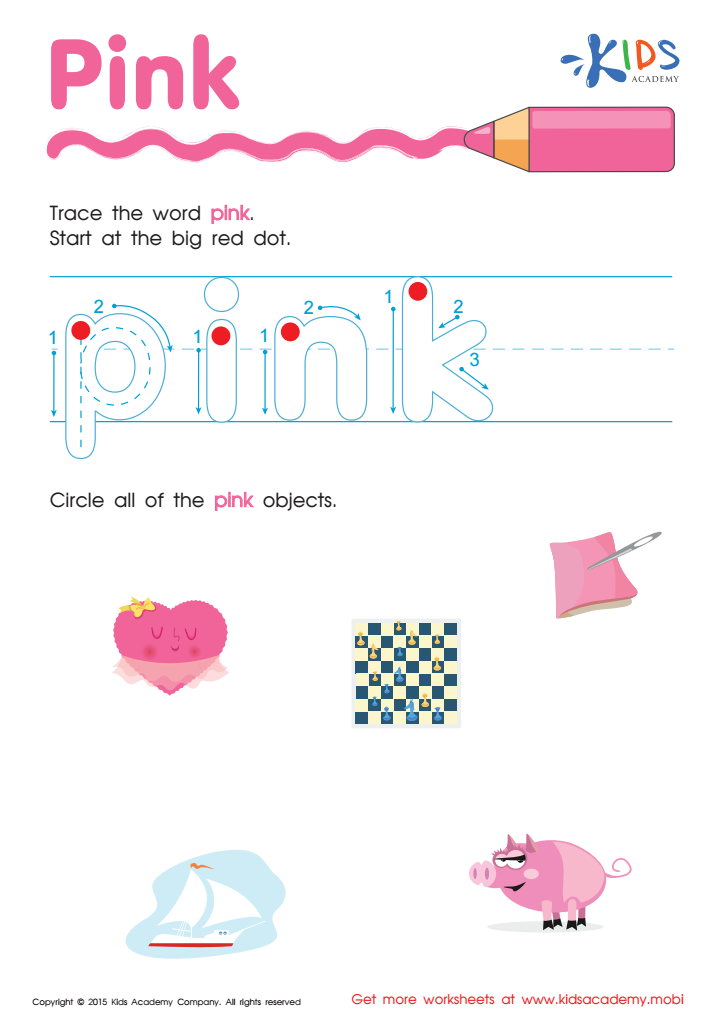
Pink Tracing Color Words Worksheet
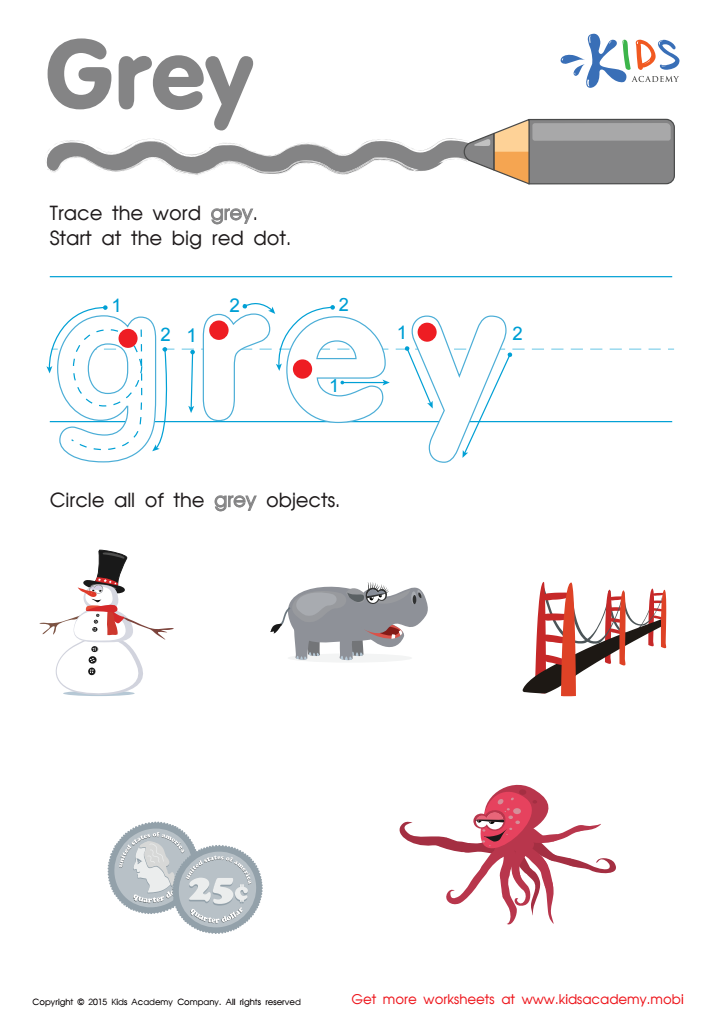
Grey Tracing Color Words Worksheet
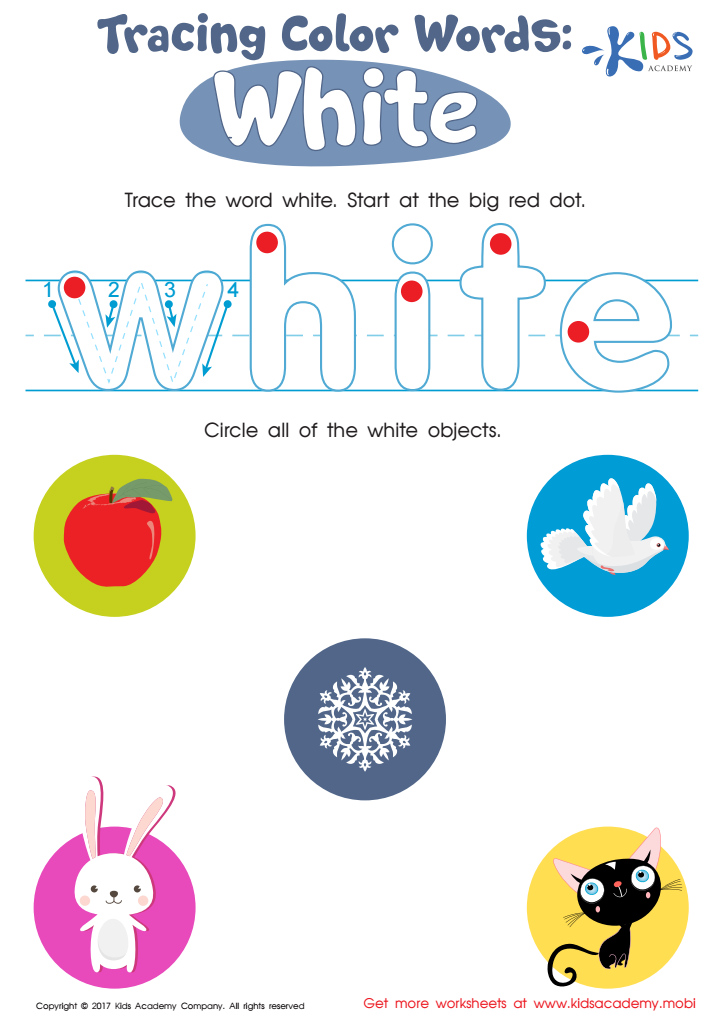
White Tracing Color Words Worksheet
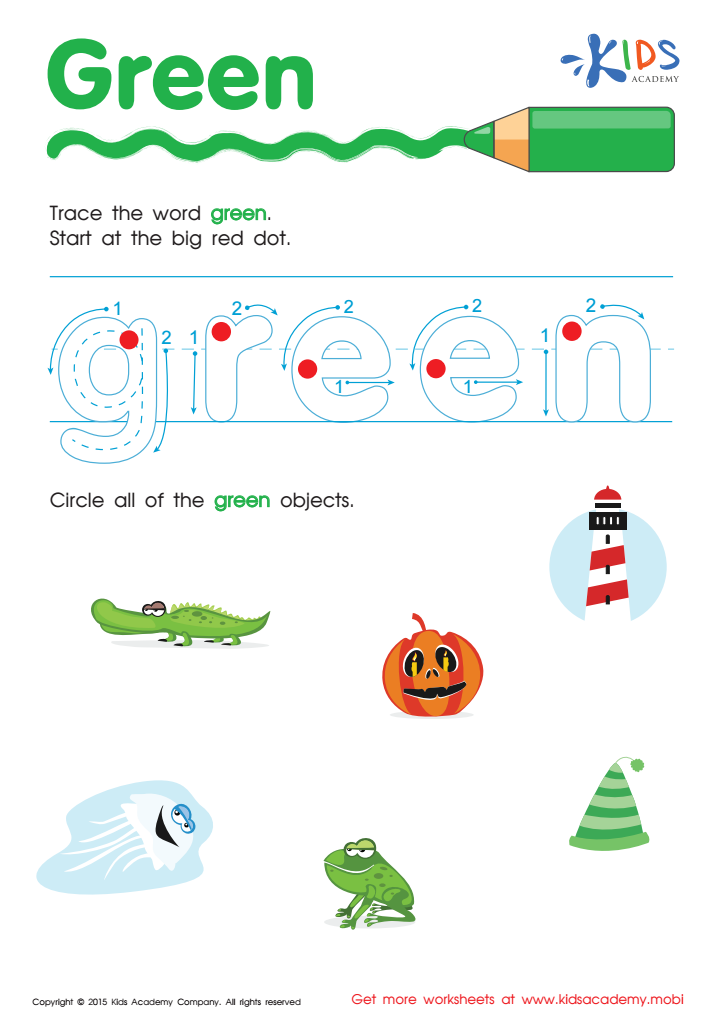
Green Tracing Color Words Worksheet
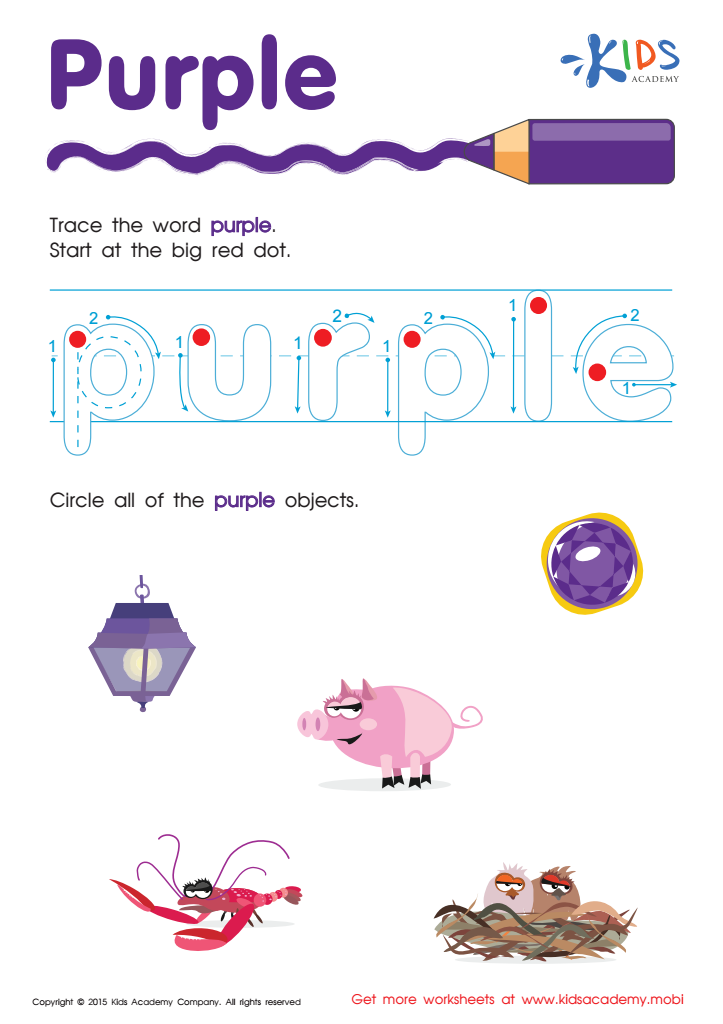
Purple Tracing Color Words Worksheet
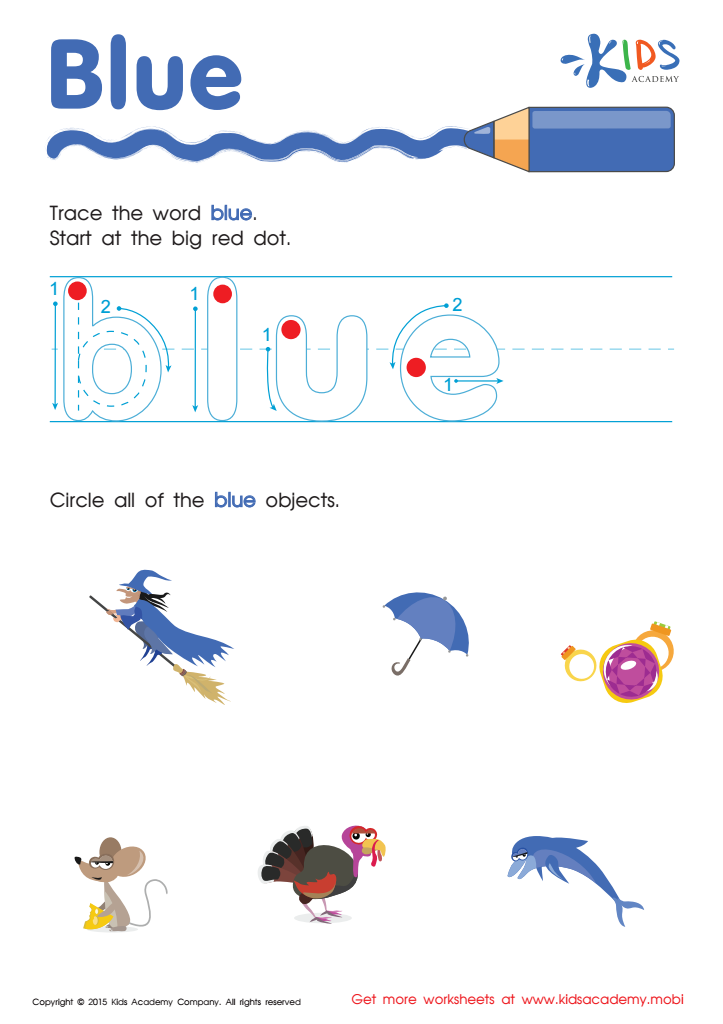
Blue Tracing Color Words Printable
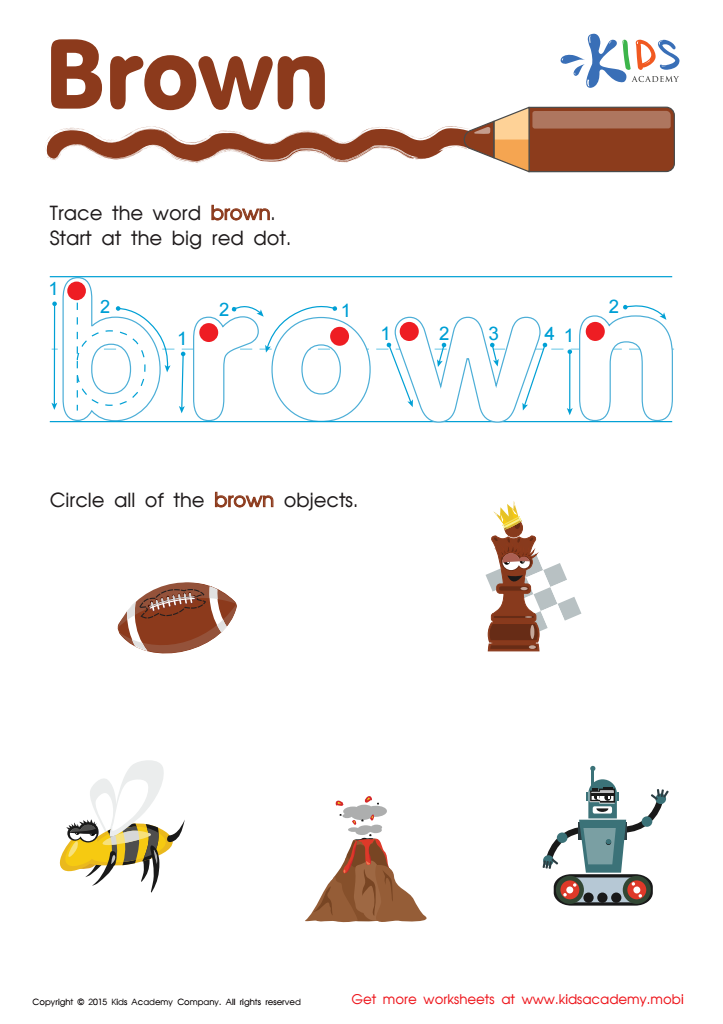
Brown Tracing Color Words Worksheet
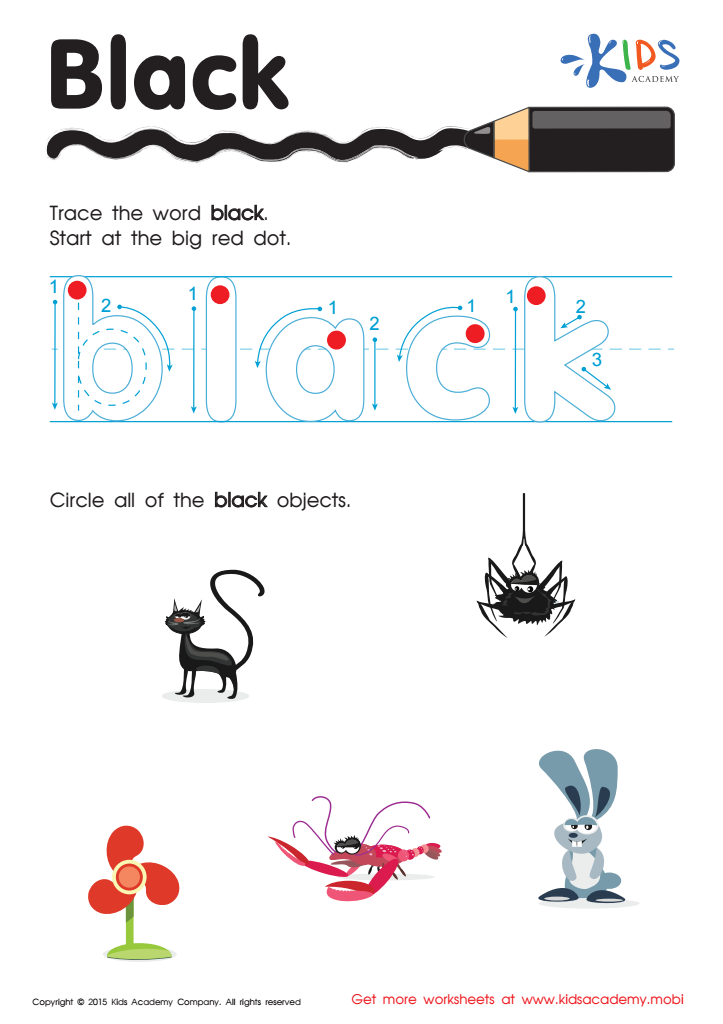
Black Tracing Color Words Printable





Color recognition is an essential skill for young children aged 3-7, and parents and teachers should prioritize it for several reasons. First, recognizing colors helps kids develop their language skills. When children learn color names, they expand their vocabulary and enhance their ability to communicate.
Second, color recognition supports cognitive development. Identifying and sorting colors encourages critical thinking and problem-solving skills as children learn to classify items based on their attributes. This foundational skill also lays the groundwork for more complex concepts in math and science, such as patterns and grouping.
Moreover, understanding colors impacts children's creativity. Whether through painting, drawing, or crafting, recognizing colors allows kids to express themselves artistically. This fosters their imagination and improves fine motor skills.
Lastly, colors are everywhere in our daily lives. When parents and teachers engage children in color-related activities, it helps them make connections with their surroundings, enhancing their observational skills and environmental awareness.
In conclusion, promoting color recognition is crucial for language development, cognitive growth, creativity, and environmental engagement. By emphasizing this skill, parents and teachers can play a vital role in shaping well-rounded, curious, and capable learners.