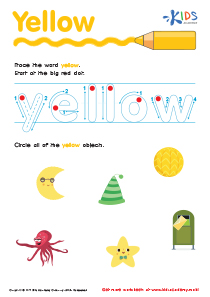
Number Recognition Normal English for Beginners Worksheets for Ages 3-7
10 filtered results
-
From - To
Discover our engaging "Number Recognition Normal English for Beginners Worksheets," designed specifically for children ages 3-7! Ideal for early learners, these worksheets help develop number recognition skills through colorful visuals and interactive activities. Perfect for ESL students, our worksheets encourage children to grasp foundational math concepts while improving their English language skills. Each sheet features fun exercises that promote counting, number identification, and early math abilities, making learning enjoyable and effective. Whether used in the classroom or at home, these resources will nurture a love for numbers and a strong language foundation in young learners. Download your worksheets today and start the fun!
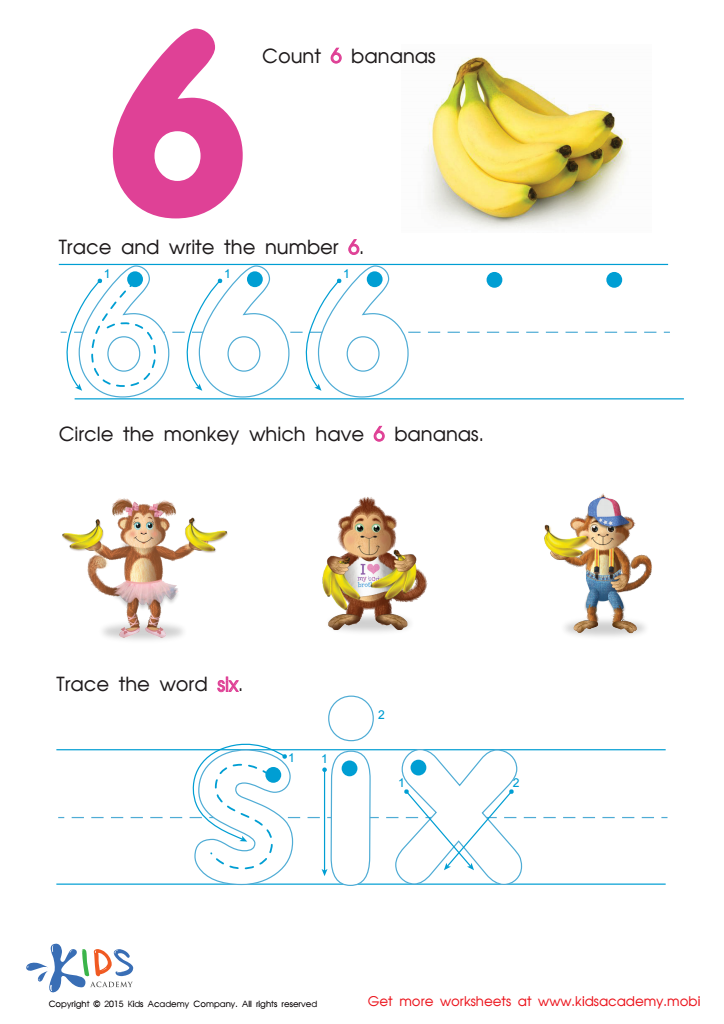
Tracing And Writing Number 6 Worksheet
 Assign to My Students
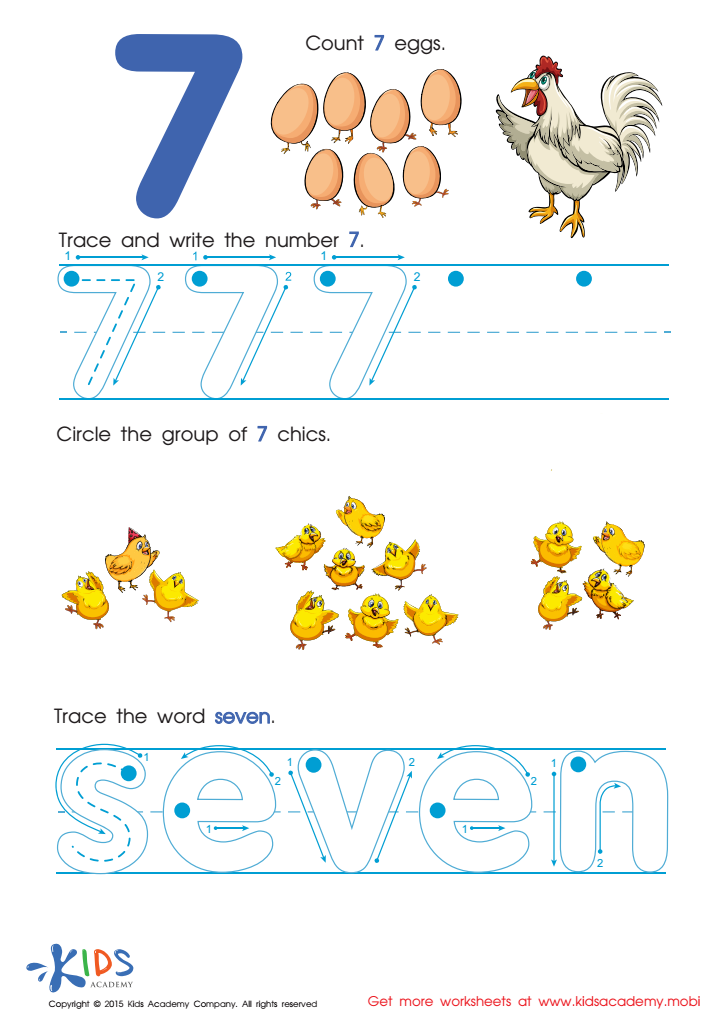
Trace And Write Number 7 with Fun Worksheet
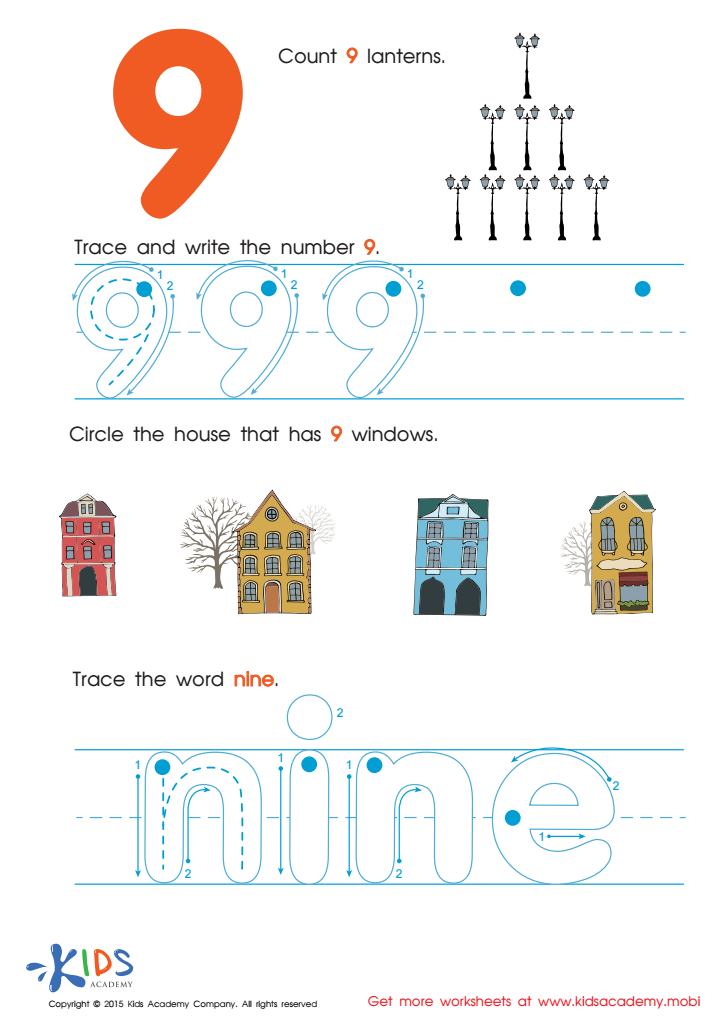
Tracing And Learning to Write Number 9 Worksheet
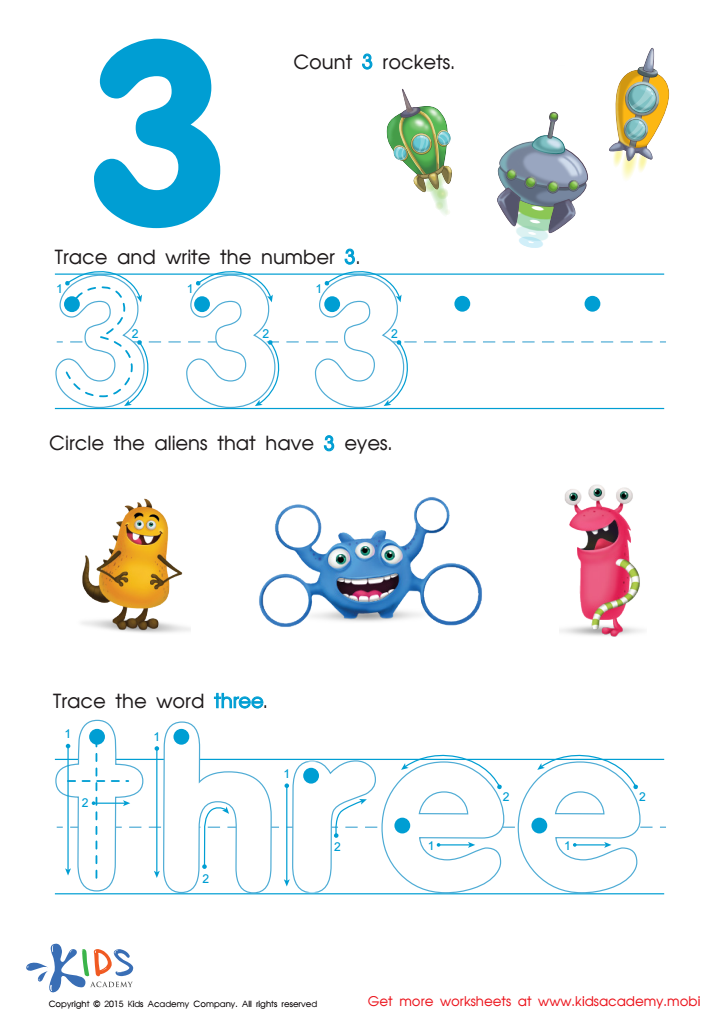
Learning Number Three Worksheet
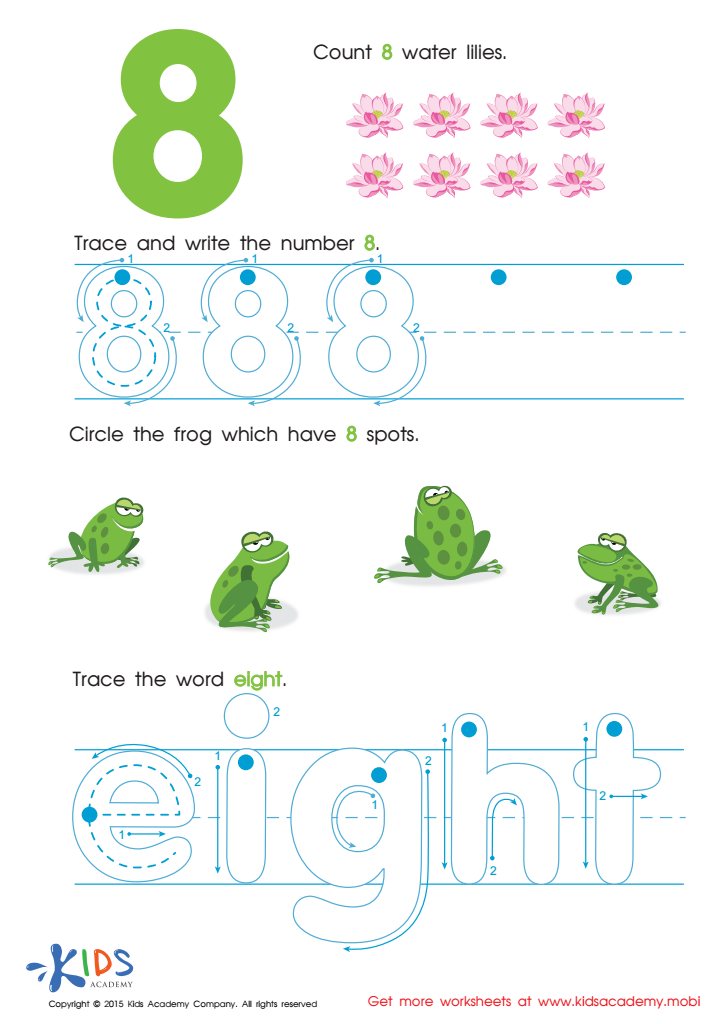
Learn Number 8 Easily Worksheet
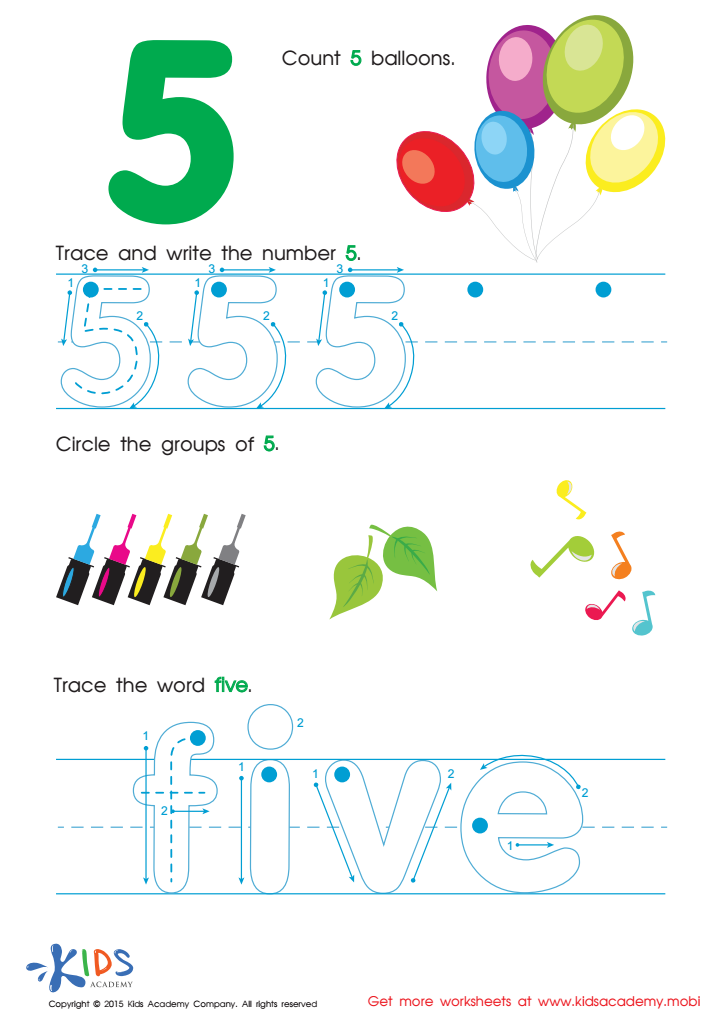
Practice Writing Number 5 Worksheet
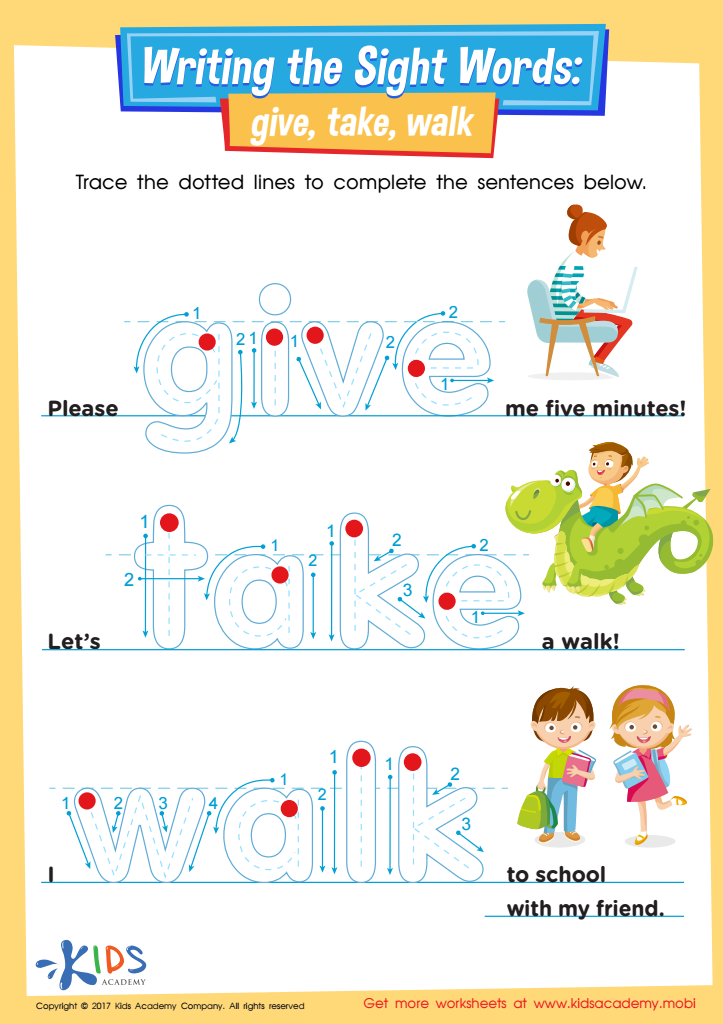
Give, Take, Walk Printable Sight Words Worksheet
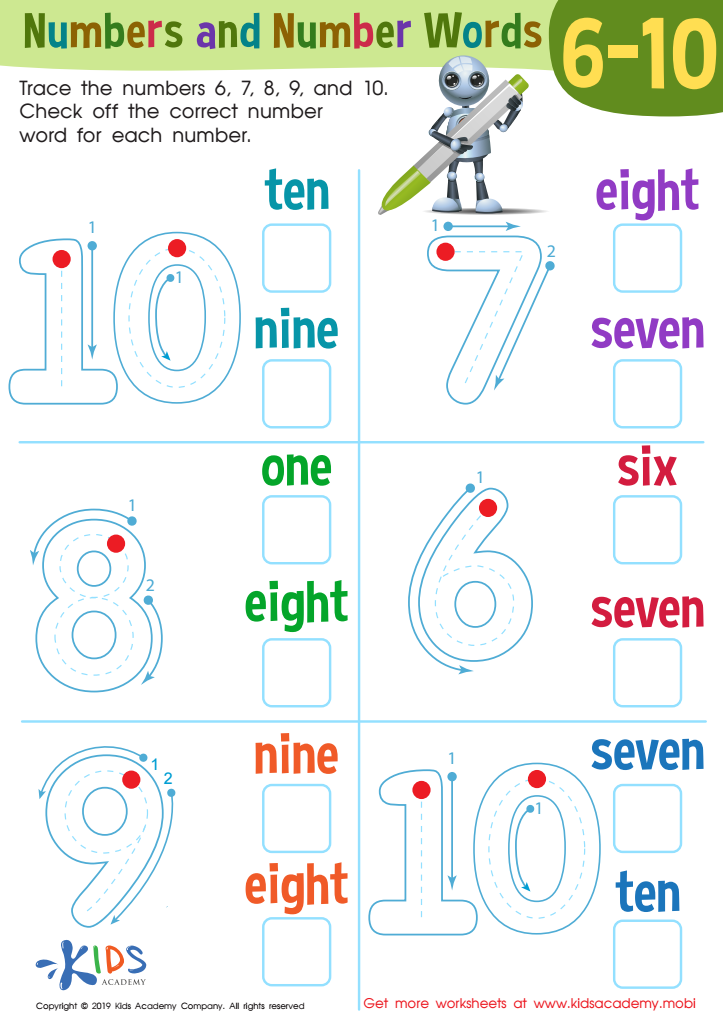
Numbers and Number Words 6–1 Worksheet
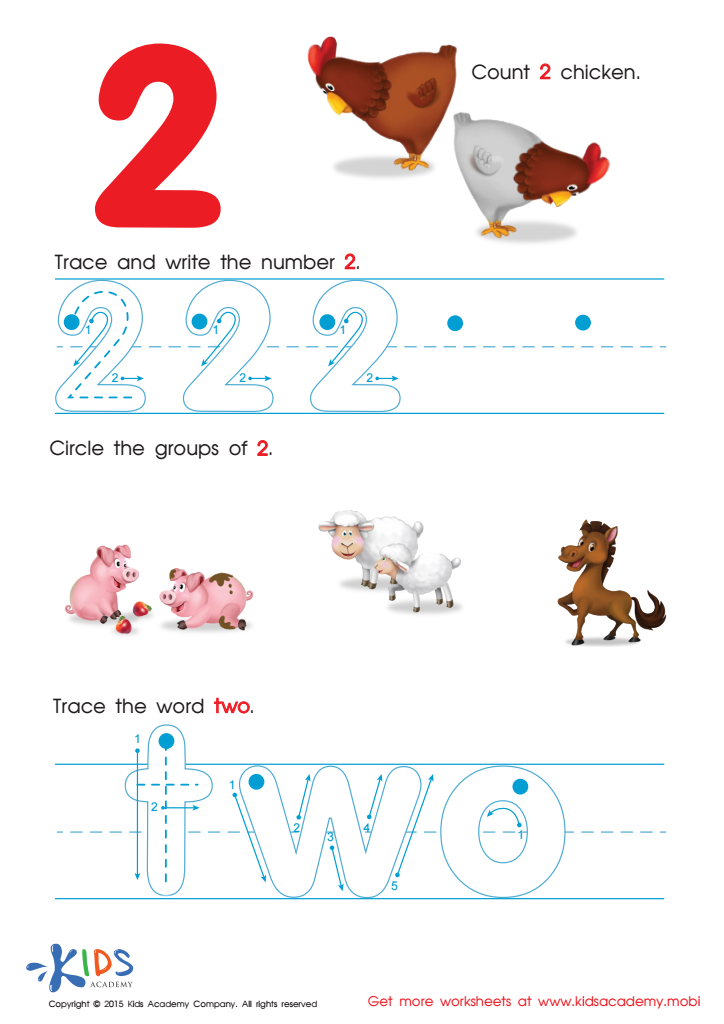
Learn to Write the Number 2 Worksheet
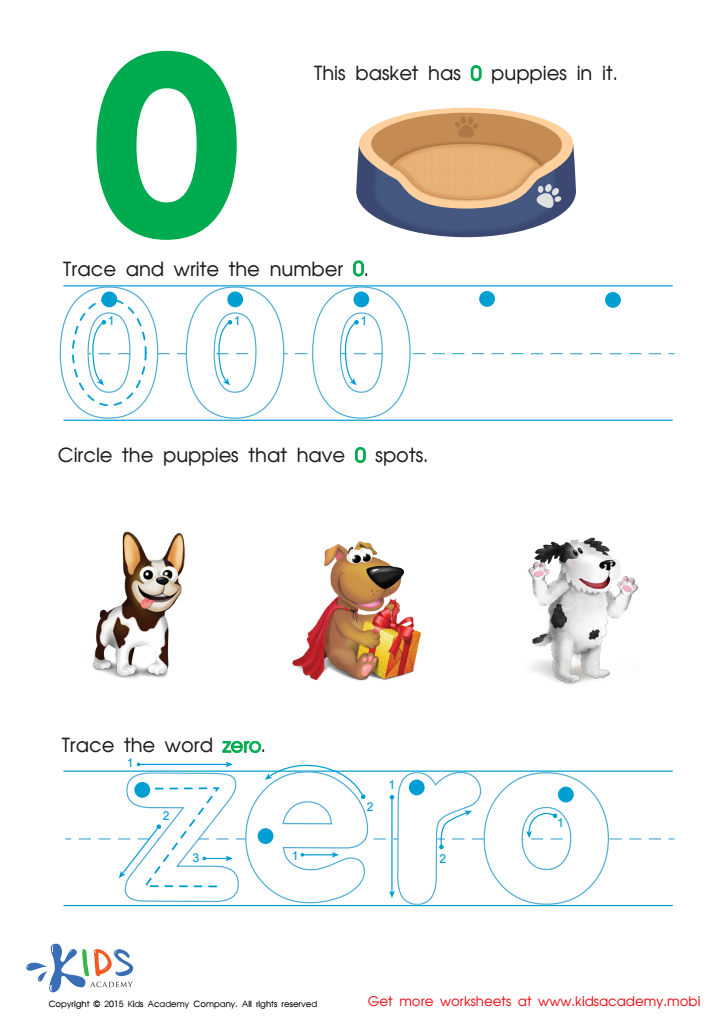
Trace And Write Number 0 Worksheet




Number recognition is foundational for early math development in children aged 3-7. Parents and teachers should prioritize this skill because it lays the groundwork for future mathematical understanding and problem-solving. By recognizing numbers, young learners can engage with counting, basic arithmetic, and more complex concepts as they progress in their education.
Early number recognition enables children to develop confidence in their abilities and a positive attitude towards math. It enhances cognitive skills, including memory, concentration, and critical thinking. Children who recognize numbers can identify them in everyday contexts, such as when counting toys or comparing quantities, fostering practical learning experiences.
Moreover, incorporating number recognition activities makes learning fun and interactive. Games, songs, and visual aids can capture children's interest and maintain their engagement. These experiences encourage a love for learning that can last a lifetime.
Lastly, an understanding of number recognition supports early literacy skills as well, since both numeracy and literacy rely on similar cognitive development pathways. By emphasizing number recognition, parents and teachers prepare children for success in both math and reading, ensuring a well-rounded foundation for future academic achievement. Investing time and resources in this skill is critical for young learners' overall development.