Basic arithmetic practice Normal Worksheets for Ages 3-7
5 filtered results
-
From - To
Introduce young learners to the captivating world of numbers with our Basic Arithmetic Practice Normal Worksheets designed especially for ages 3-7. These engaging worksheets feature age-appropriate exercises that enhance fundamental math skills such as addition, subtraction, and number recognition. With colorful visuals and relatable themes, each worksheet aims to make learning enjoyable and effective. Perfect for classroom use or additional at-home practice, these activities help lay a strong foundation in arithmetic, ensuring your child is well-prepared for future mathematical endeavors. Foster confidence and curiosity in learning with our expertly crafted arithmetic worksheets. Download today and make math fun!
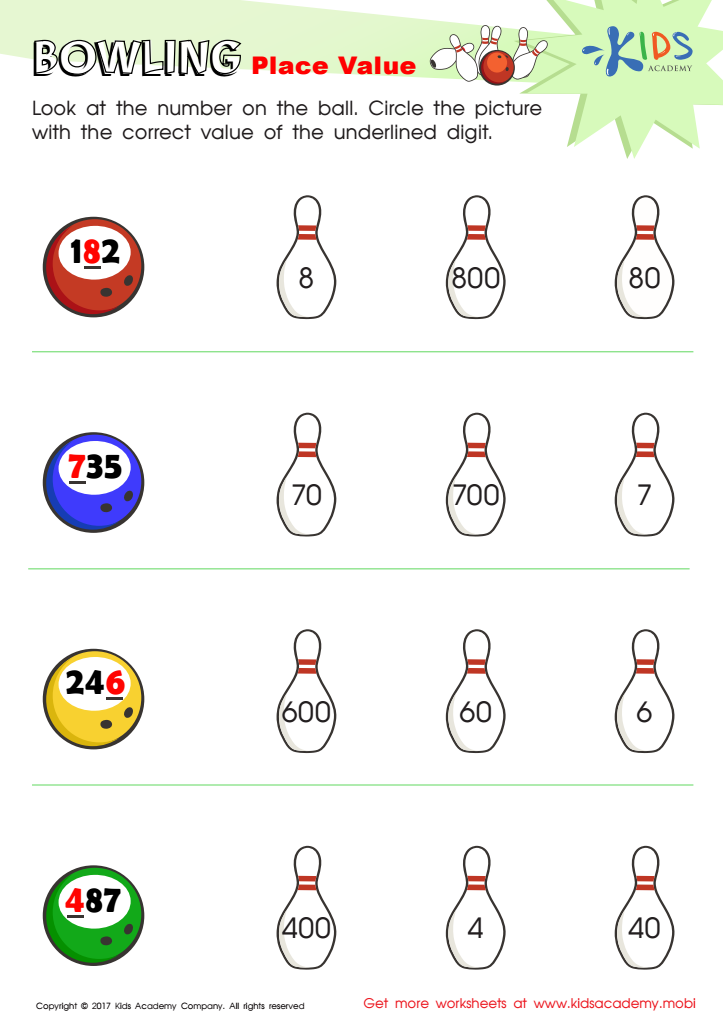
Place Value Worksheet
 Assign to My Students
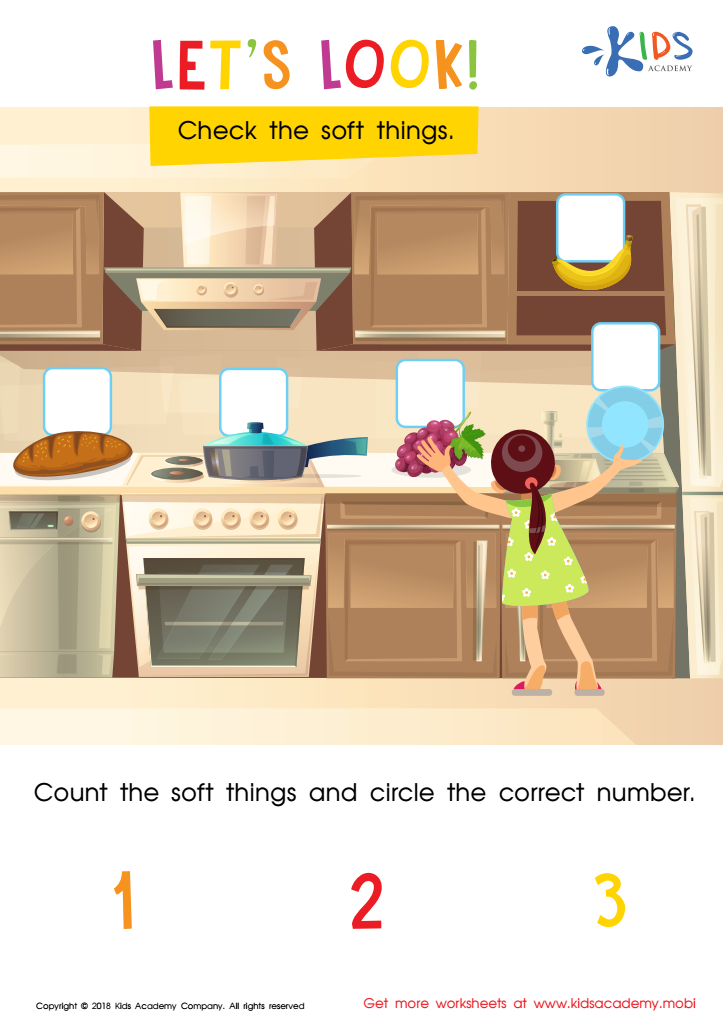
Let's Look! Assessment Worksheet
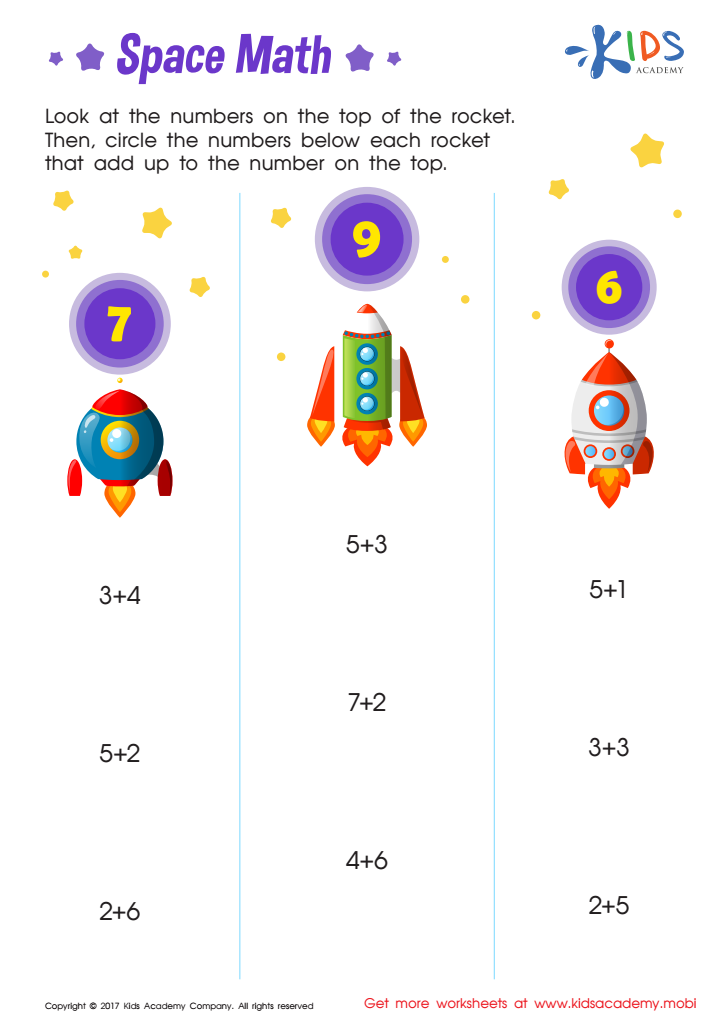
Addition: Space Math Worksheet
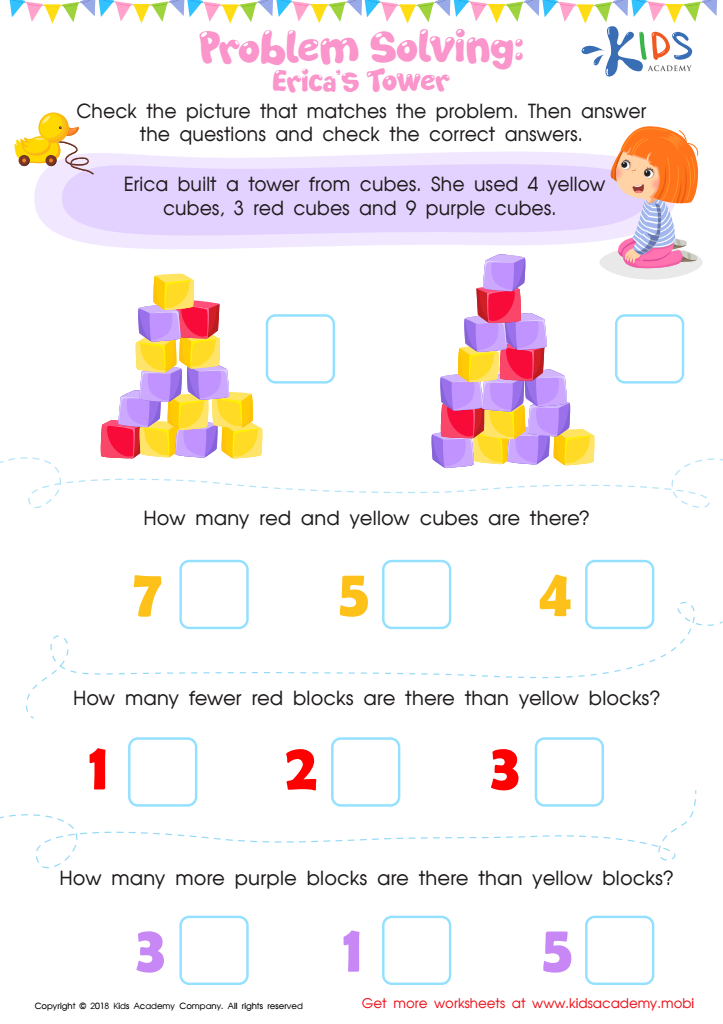
Problem Solving: Erica's Tower Worksheet
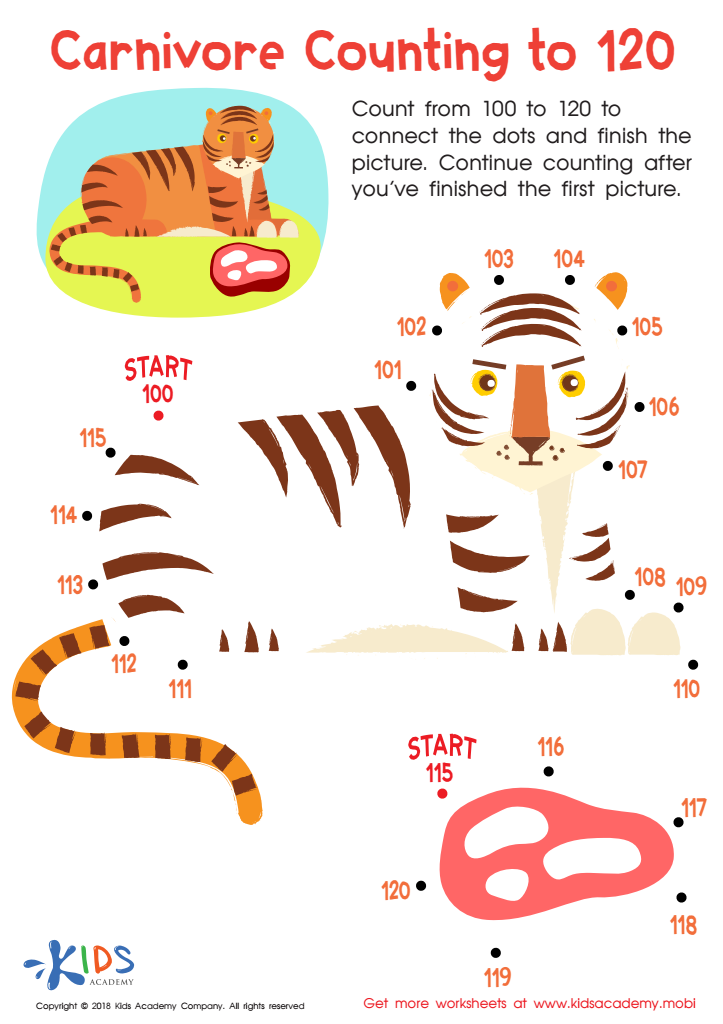
Carnivore Counting to 120 Worksheet








Parents and teachers should prioritize basic arithmetic practice for children aged 3-7 as it is the foundational stage for their cognitive and academic development. During these formative years, young minds are highly receptive to new information and concepts. Basic arithmetic skills such as counting, addition, and subtraction are crucial for developing numerical literacy and problem-solving abilities. Integrating arithmetic practice establishes a solid groundwork for future mathematical learning and builds children's confidence in their abilities.
Early arithmetic exercises also enhance children's logical thinking and reasoning. By engaging in simple calculations, children learn to understand patterns, sequences, and relationships between numbers, which are critical skills both in academics and everyday life. These activities can improve focus, memory, and concentration, making children better prepared for more complex tasks in later grades.
For teachers, incorporating basic arithmetic into the curriculum ensures well-rounded growth, meeting educational standards, and preparing students for future academic challenges. Similarly, parents' involvement at home reinforces these concepts and creates a consistent learning environment.
Furthermore, early exposure to arithmetic through playful and interactive methods shapes children’s attitude towards learning by making it enjoyable and less intimidating. This helps to foster a lifetime love for learning and intellectual curiosity.








