Developing critical thinking Normal Worksheets for Ages 3-7
7 filtered results
-
From - To
Our "Developing Critical Thinking Normal Worksheets for Ages 3-7" are designed to engage young minds and foster their problem-solving abilities. These interactive worksheets feature age-appropriate activities that encourage children to analyze, question, and reason. By exploring various subjects, kids practice logical thinking and build a solid foundation for academic success. Ideal for preschool and early elementary students, our worksheets make learning fun and effective. With themes ranging from simple puzzles to pattern recognition and sequencing tasks, children develop essential critical thinking skills that will benefit them in school and beyond. Start your child's educational journey today with these thoughtfully crafted resources.

Seeds on the Move Worksheet
 Assign to My Students
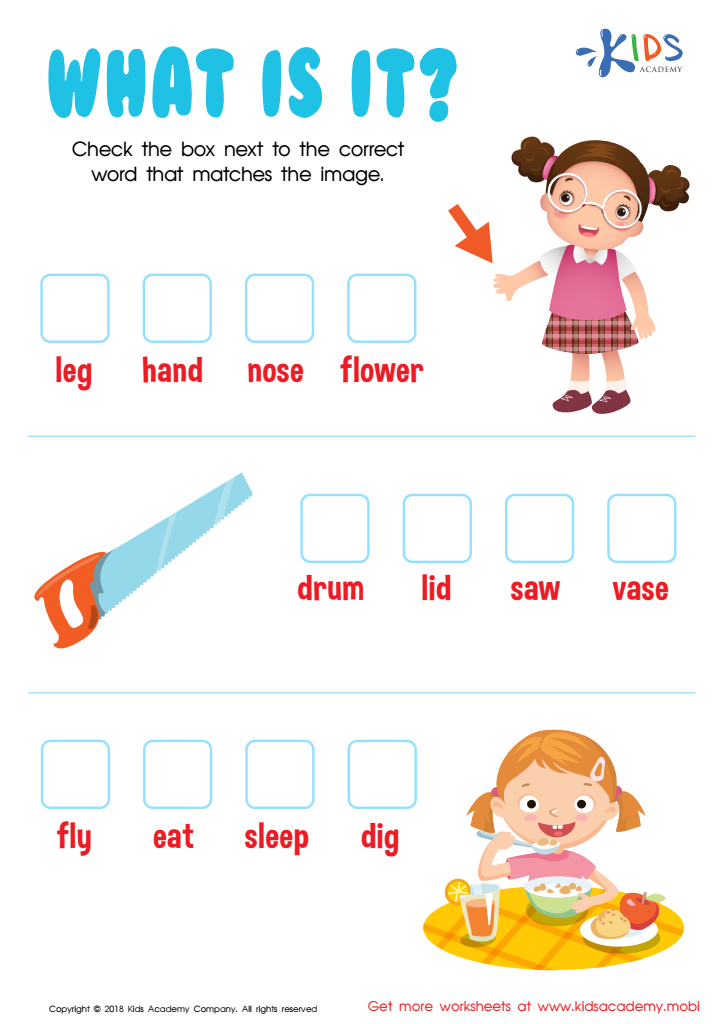
What Is It? Worksheet
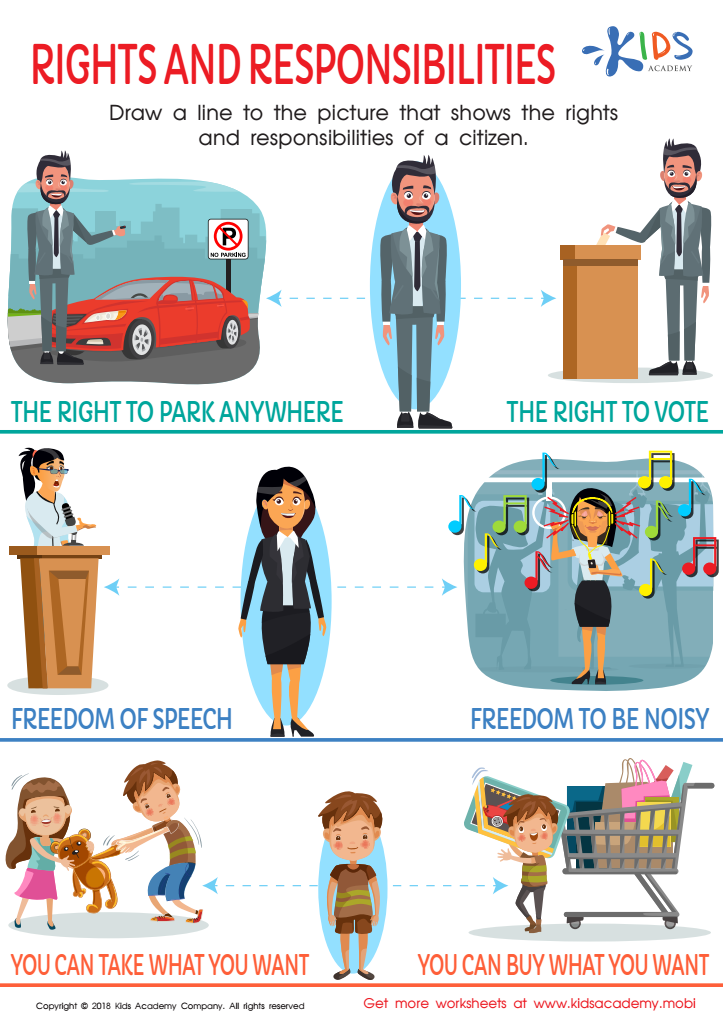
Rights and Responsibilities Worksheet
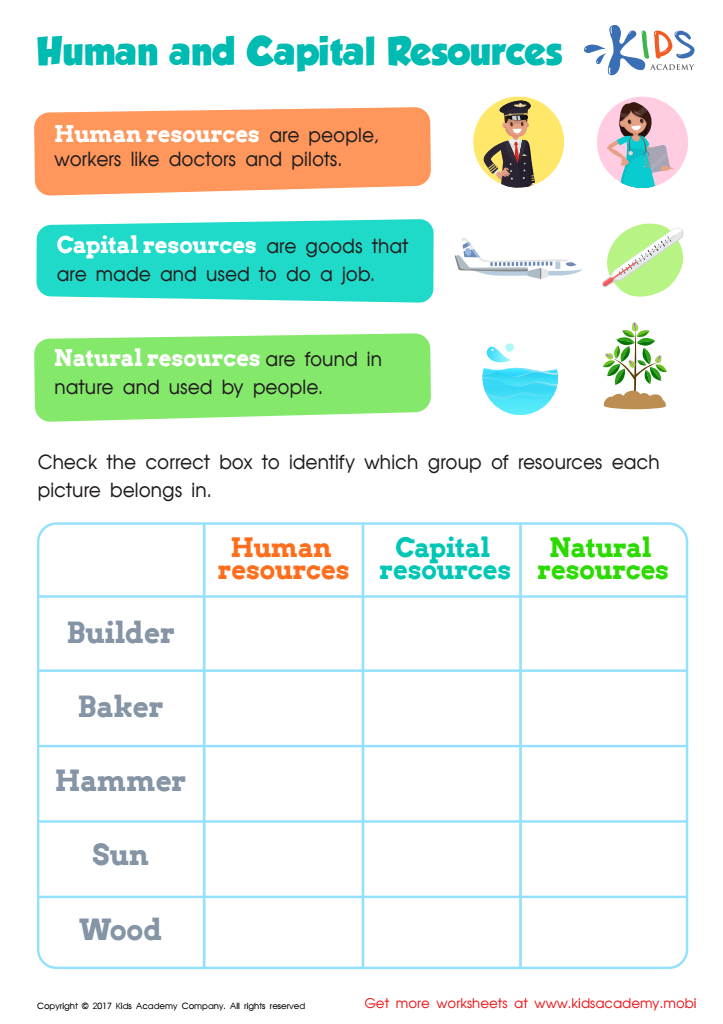
Human and Capital Resources Worksheet
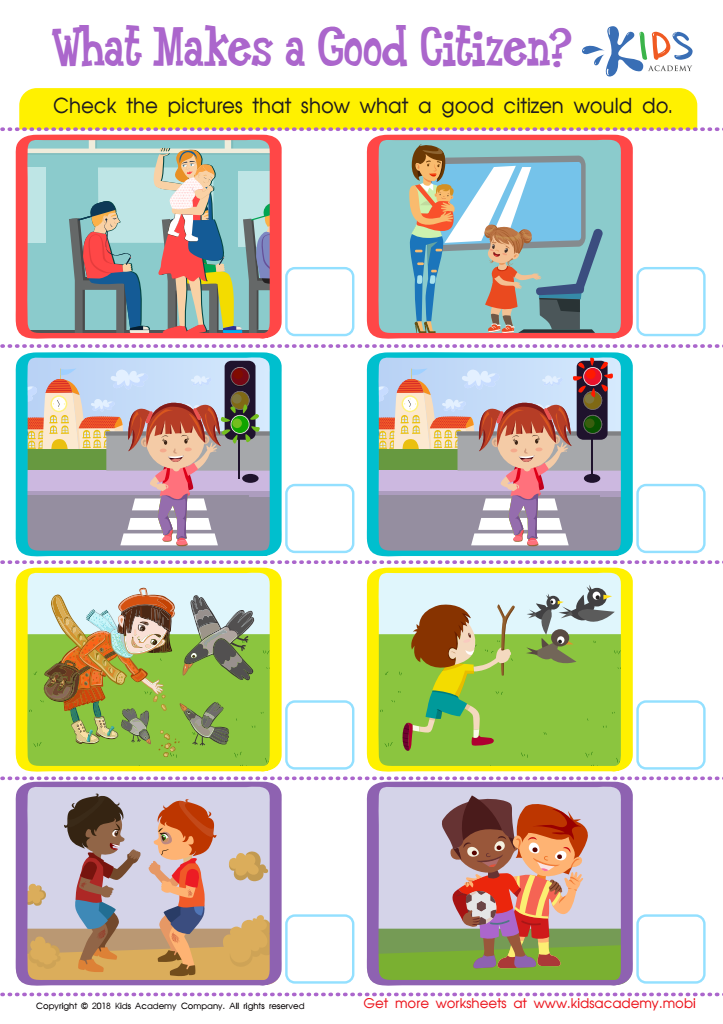
What Makes a Good Citizen? Worksheet
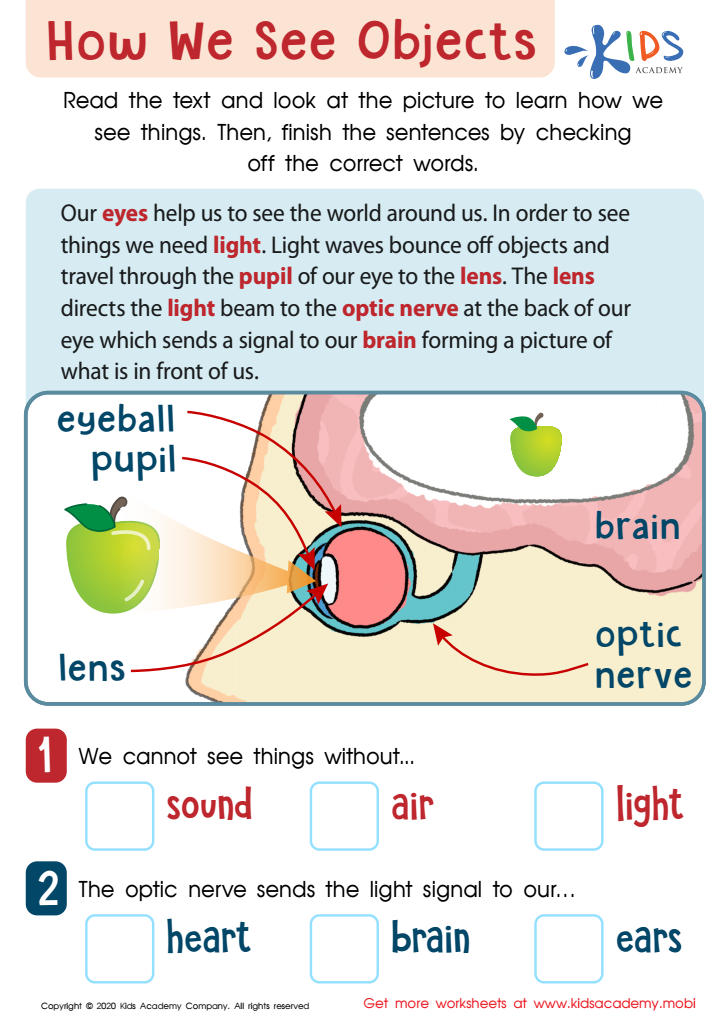
How We See Objects Worksheet

Man-Made or Natural? Worksheet








Developing critical thinking skills in children aged 3-7 is essential as it sets the groundwork for their future learning and problem-solving abilities. At this formative stage, children are naturally curious and eager to explore the world around them. By nurturing critical thinking, parents and teachers help foster an environment where questioning, exploring, and reflecting are encouraged.
Critical thinking enhances a child's ability to reason logically, make informed decisions, and solve problems creatively. When children are taught to analyze situations, compare and contrast different ideas, and consider various outcomes, they become more adept at handling academic challenges. This skill also supports emotional intelligence, as children learn to understand different viewpoints and manage their reactions thoughtfully.
Encouraging critical thinking at an early age promotes lifelong learning. It teaches children that solutions are not always straightforward and that it’s important to evaluate evidence before drawing conclusions. This mindset not only benefits academic performance but also everyday activities, such as making choices or resolving conflicts.
In essence, by investing time in developing critical thinking skills, parents and teachers equip children with the tools needed to navigate complex situations, foster independence, and build confidence in their intellectual capabilities. It’s an investment in their future success and overall personal growth.








