Enhancing Counting Skills Normal Worksheets for Ages 3-7
8 filtered results
-
From - To
Unlock your child's potential with our "Enhancing Counting Skills Normal Worksheets" tailored specifically for ages 3-7! These engaging and interactive worksheets make learning to count fun while reinforcing foundational math skills. Designed to cater to diverse learning styles, our collection includes a variety of colorful exercises focusing on number recognition, counting objects, and simple addition problems. Encourage critical thinking and problem-solving abilities through playful activities that keep young learners captivated. Perfect for both classroom and home use, these worksheets aim to build confidence and competency in counting, laying the groundwork for future mathematical success. Explore our resources today and watch your child thrive!
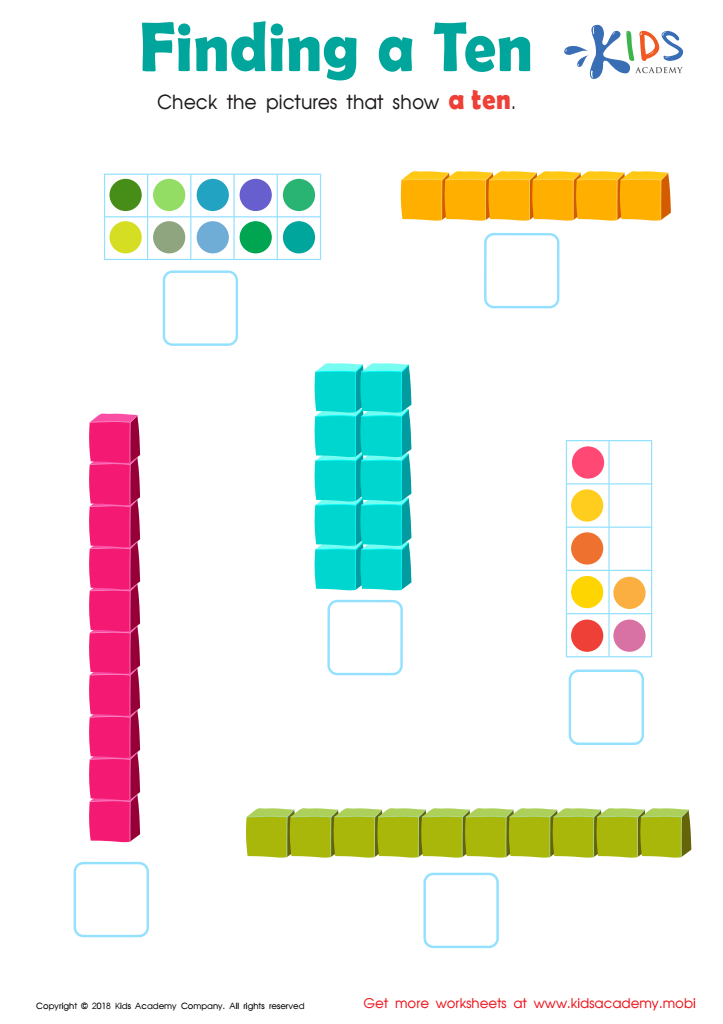
Finding a Ten Worksheet
 Assign to My Students
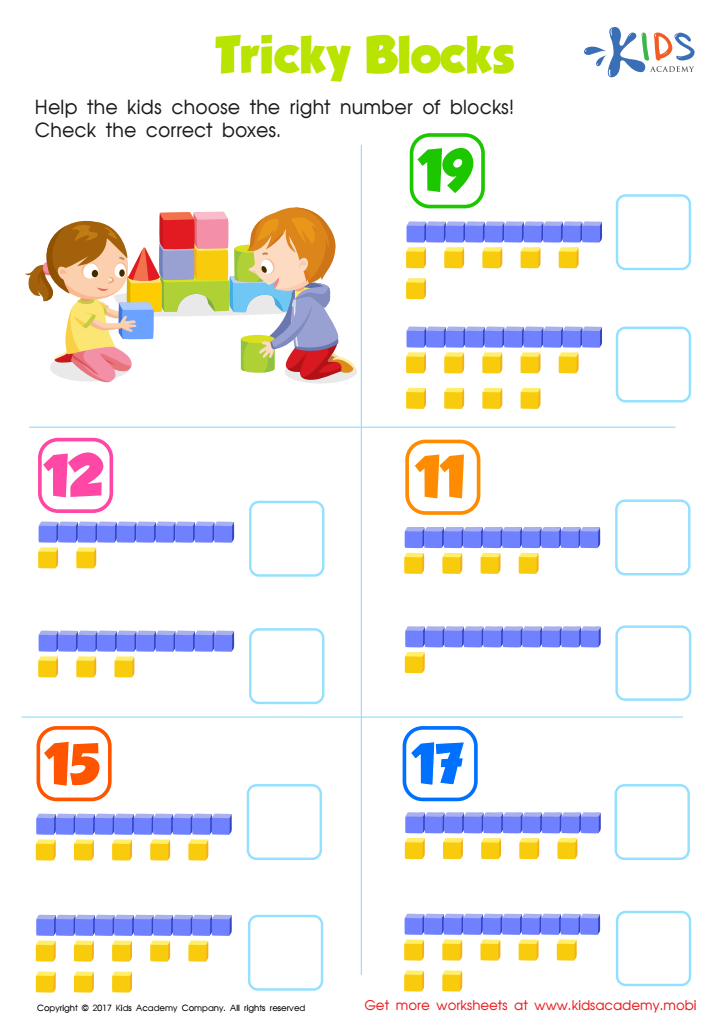
Tricky Blocks Worksheet
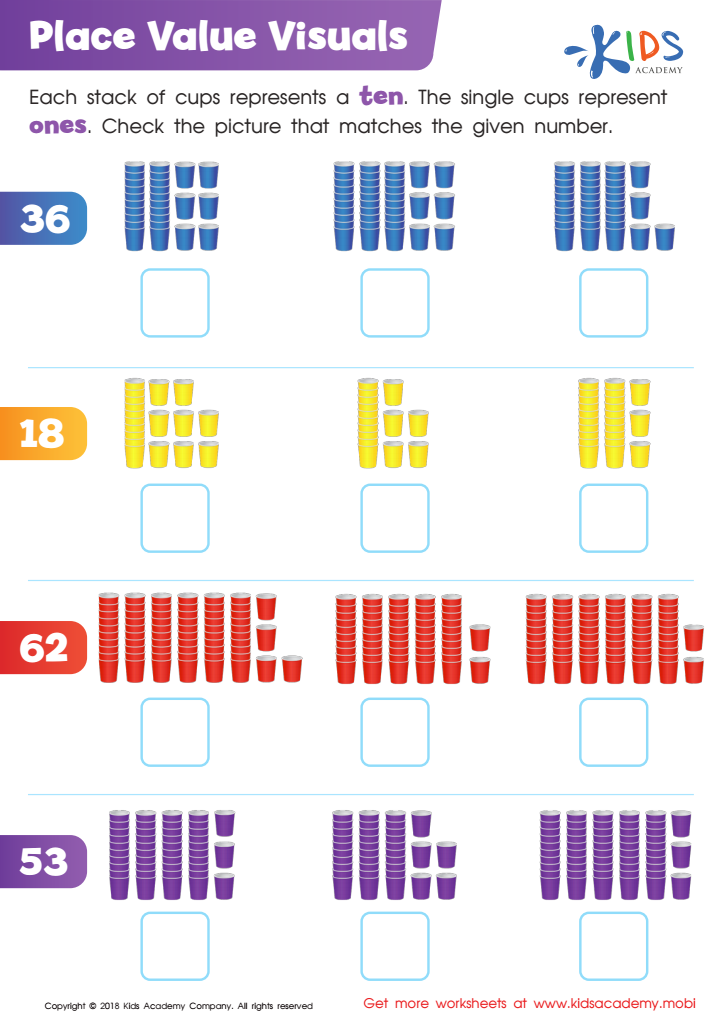
Place Value Visuals Worksheet
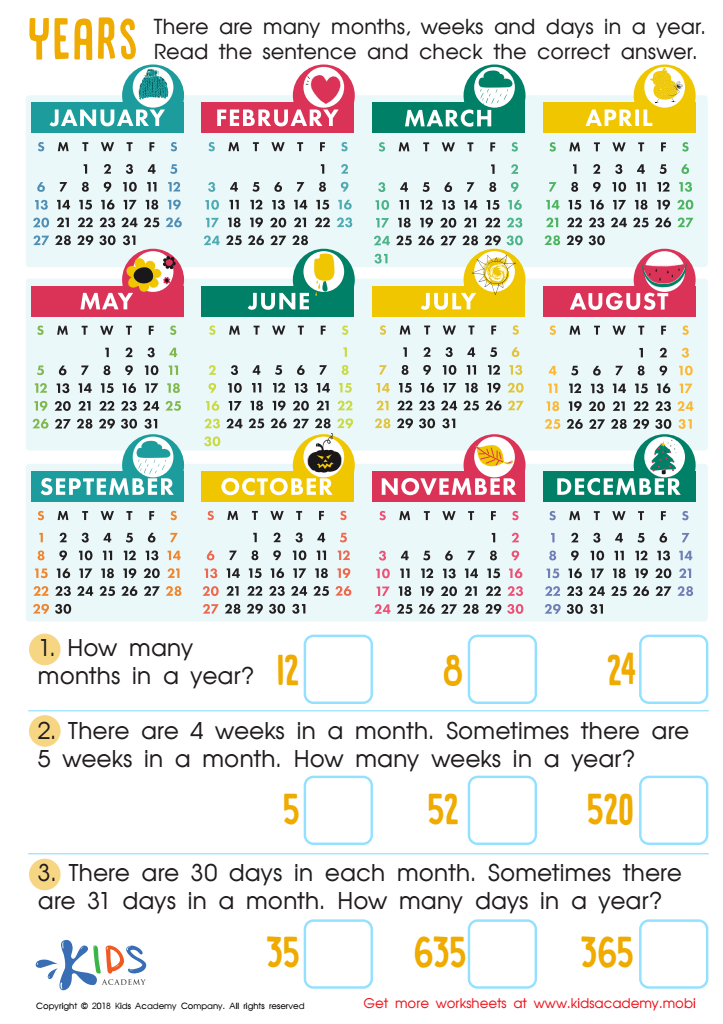
Years Worksheet
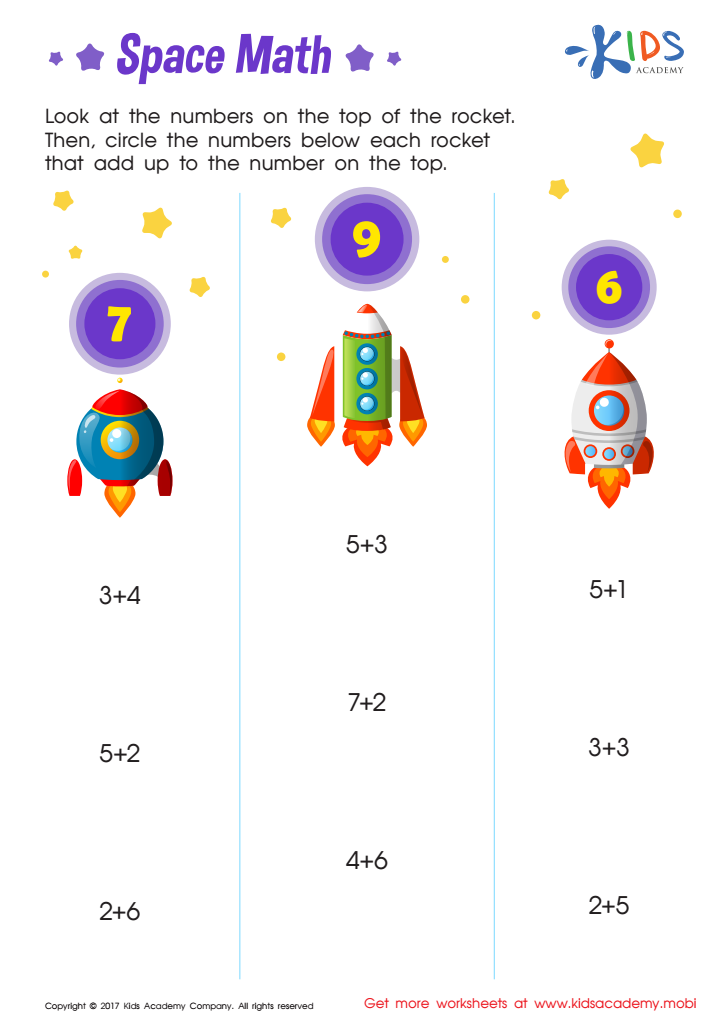
Addition: Space Math Worksheet
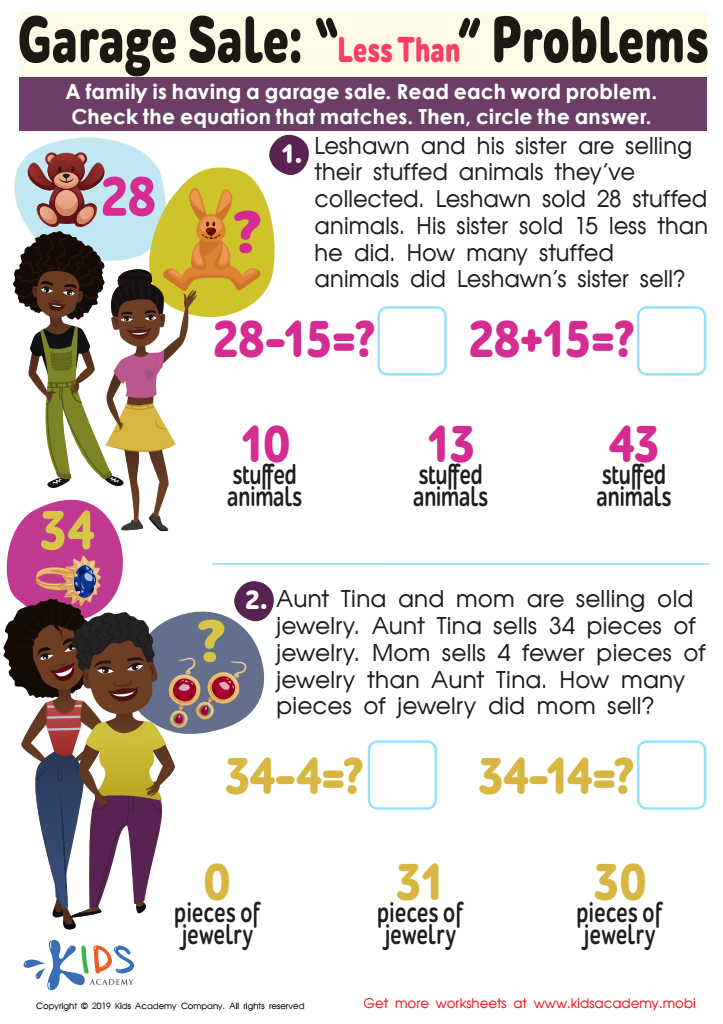
Garage Sale Less Than Worksheet
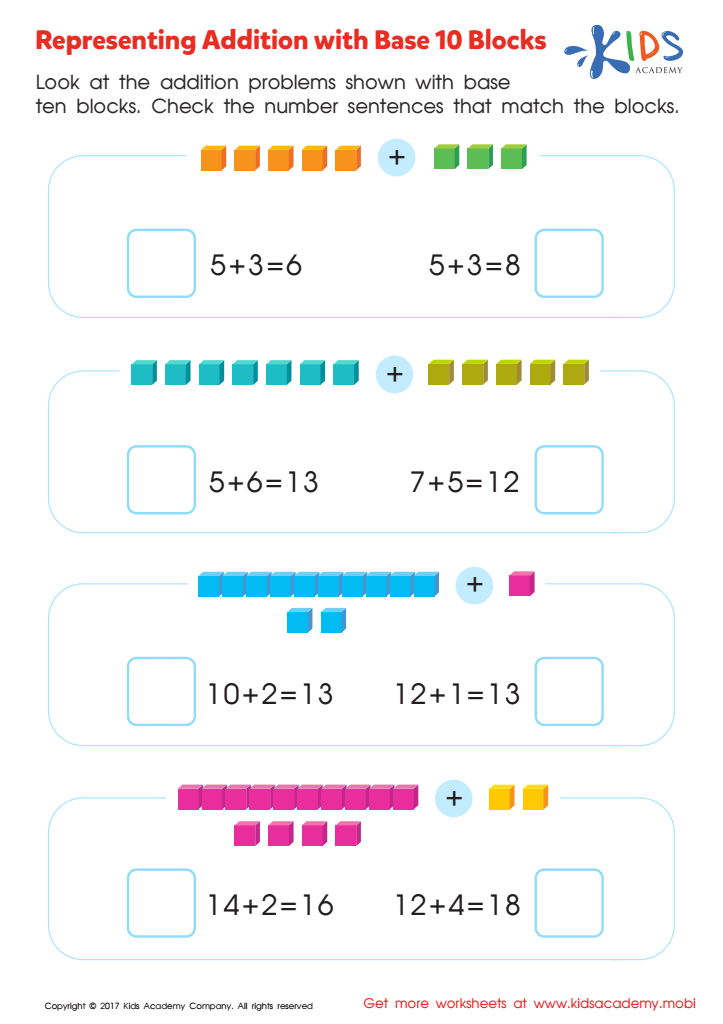
Representing Addition with Base 10 Blocks Worksheet
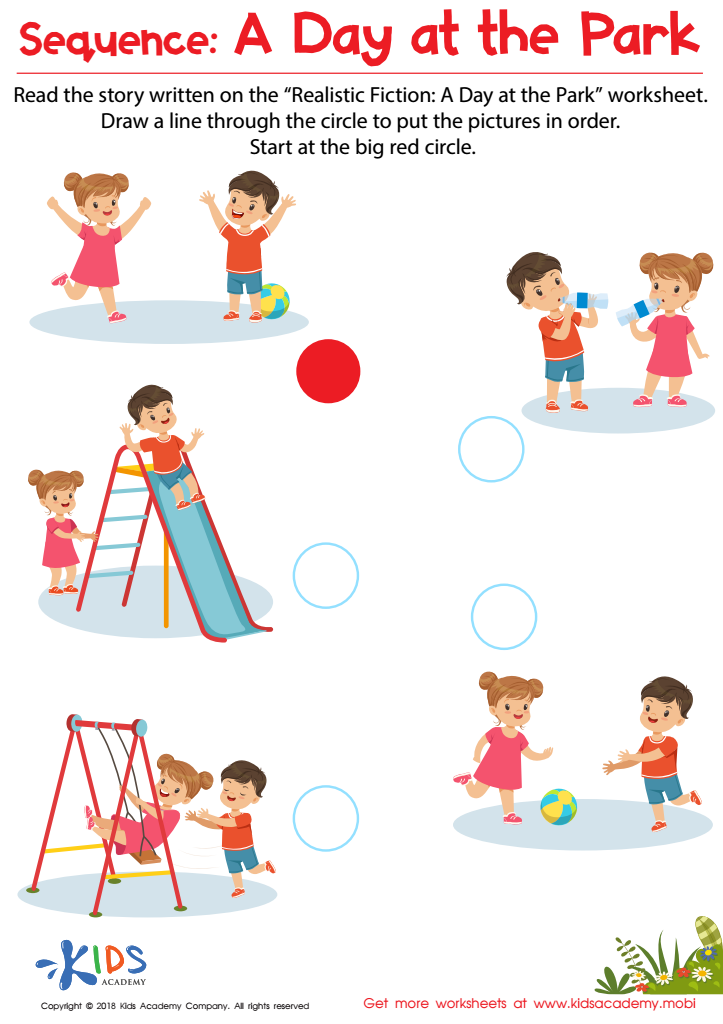
Sequence: A Day at the Park Worksheet








Enhancing counting skills for children aged 3-7 is fundamental for their cognitive and social development. At this critical stage, children are laying the groundwork for later mathematical understanding. Mastering counting not only boosts their numeracy skills but also enhances their ability to recognize patterns, solve problems, and develop logical thinking. These foundational skills are vital as they transition into more complex mathematical concepts in school.
Moreover, improved counting skills can significantly impact a child’s confidence and self-esteem. When they can accurately count, they feel accomplished and more engaged during learning activities. This boost in confidence can lead to a lifelong love for learning and a positive attitude towards mathematics.
Additionally, counting serves as an excellent avenue for parents and teachers to bond. Simple activities, like counting toys or snacks, create enriching and enjoyable learning experiences that foster communication and collaboration between adults and children. In summary, enhancing counting skills in early childhood not only prepares children academically but also nurtures emotional and social growth, setting a solid foundation for their future learning journeys. Parents and teachers play essential roles in this process, as their involvement is crucial in fostering and nurturing these key skills.








