Enhancing observation skills Normal Worksheets for Ages 3-7
14 filtered results
-
From - To
At Kids Academy, we believe that enhancing observation skills is crucial for developing early learners aged 3-7. Our meticulously designed worksheets focus on strengthening children's ability to notice details and make connections in their environment. Through engaging activities, kids will practice vital skills like pattern recognition, comparison, and problem-solving. Our Normal Worksheets promote critical thinking while fostering curiosity and creativity. Tailored to be age-appropriate and interactive, these resources captivate young minds and support their overall cognitive development. Ideal for home or classroom use, our worksheets encourage meaningful learning experiences that lay a strong foundation for future academic success.
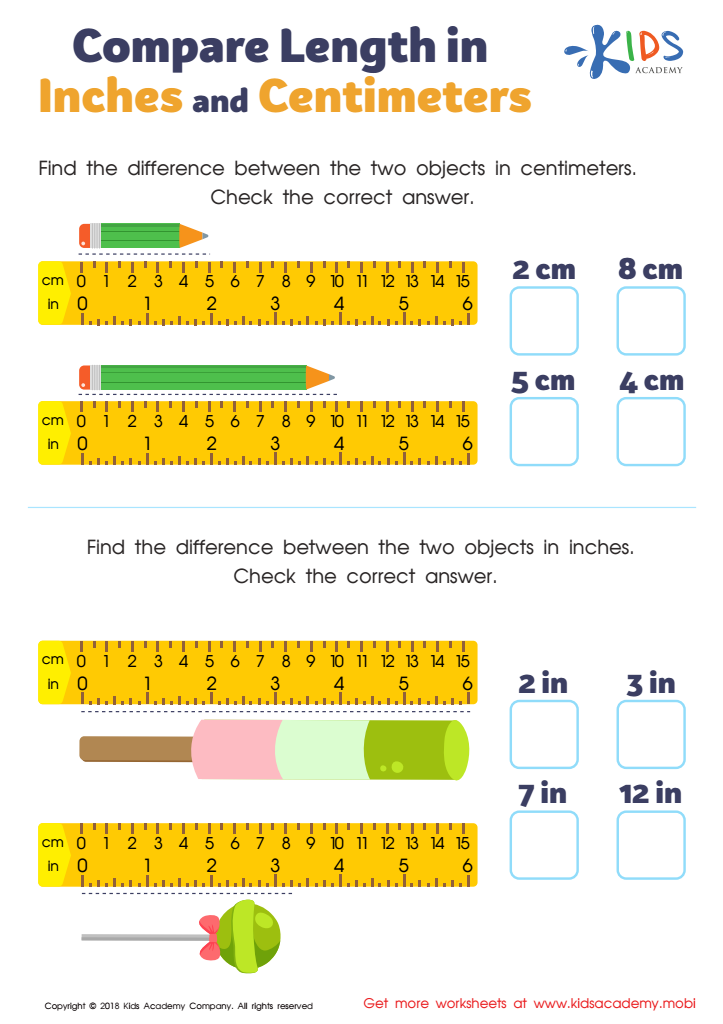
Compare Length in Inches and Centimeters Worksheet
 Assign to My Students
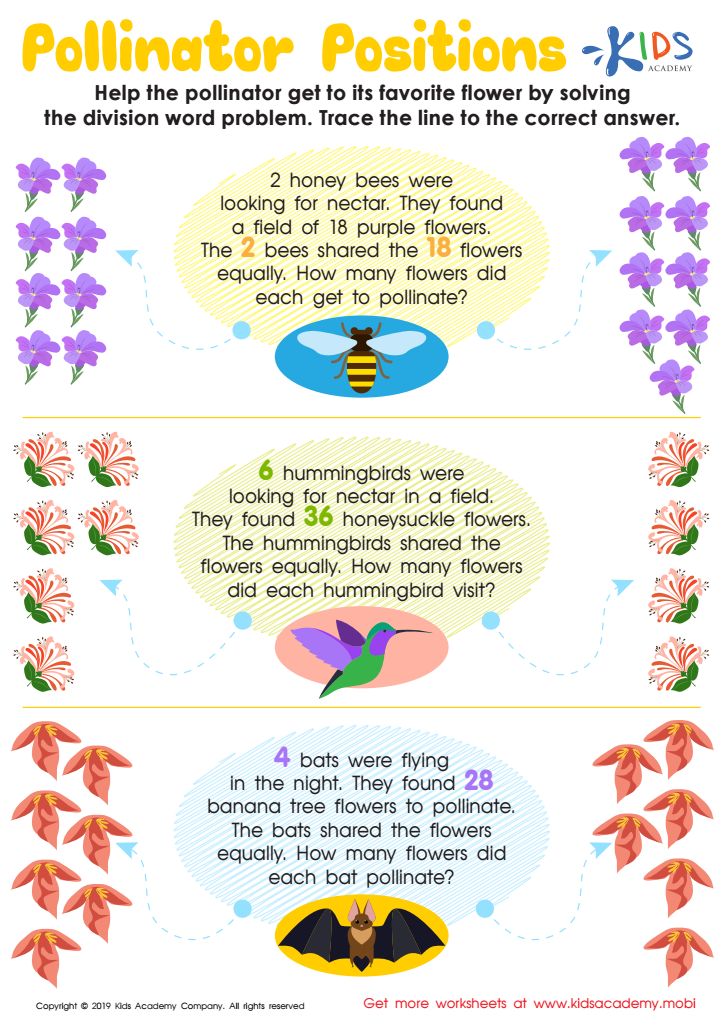
Pollinator Positions Worksheet
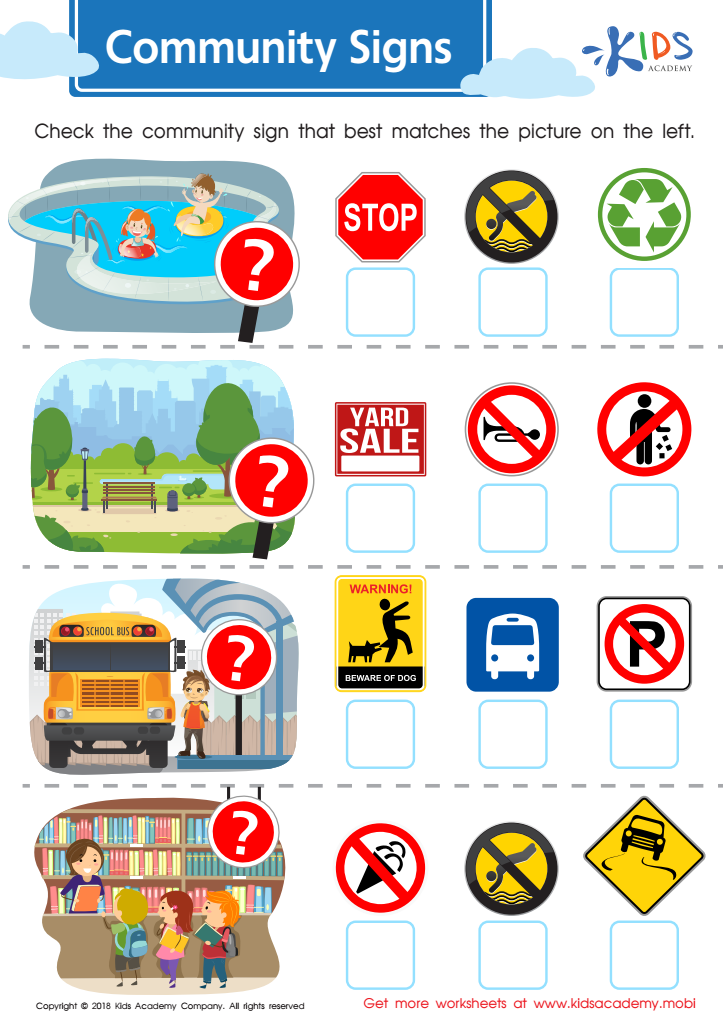
Community Signs Worksheet
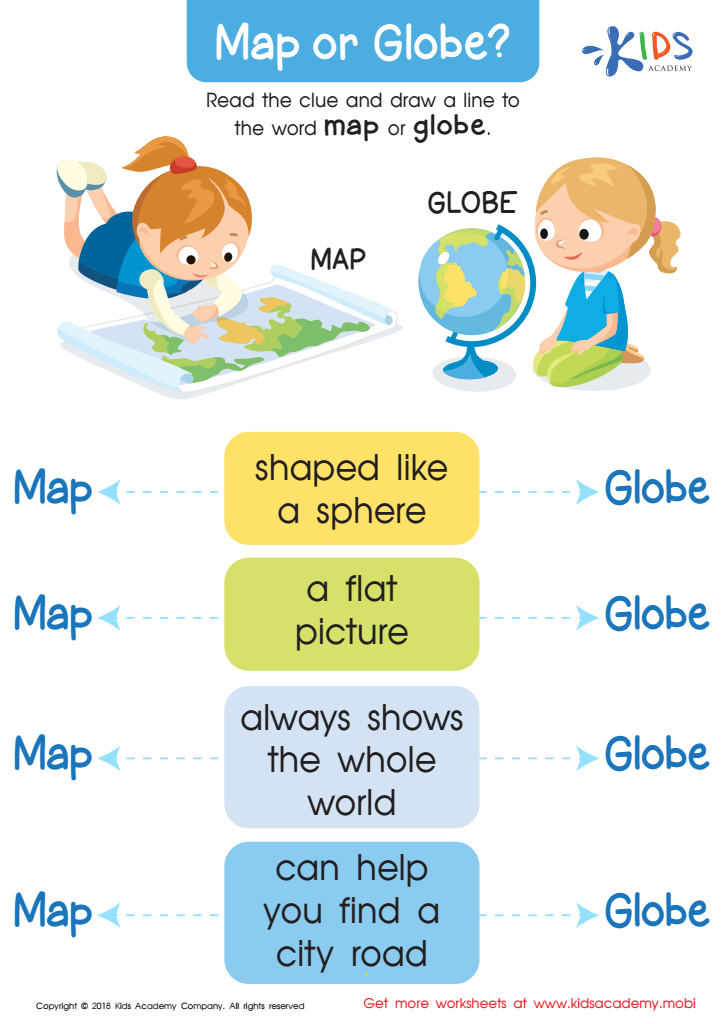
Map or Globe? Worksheet
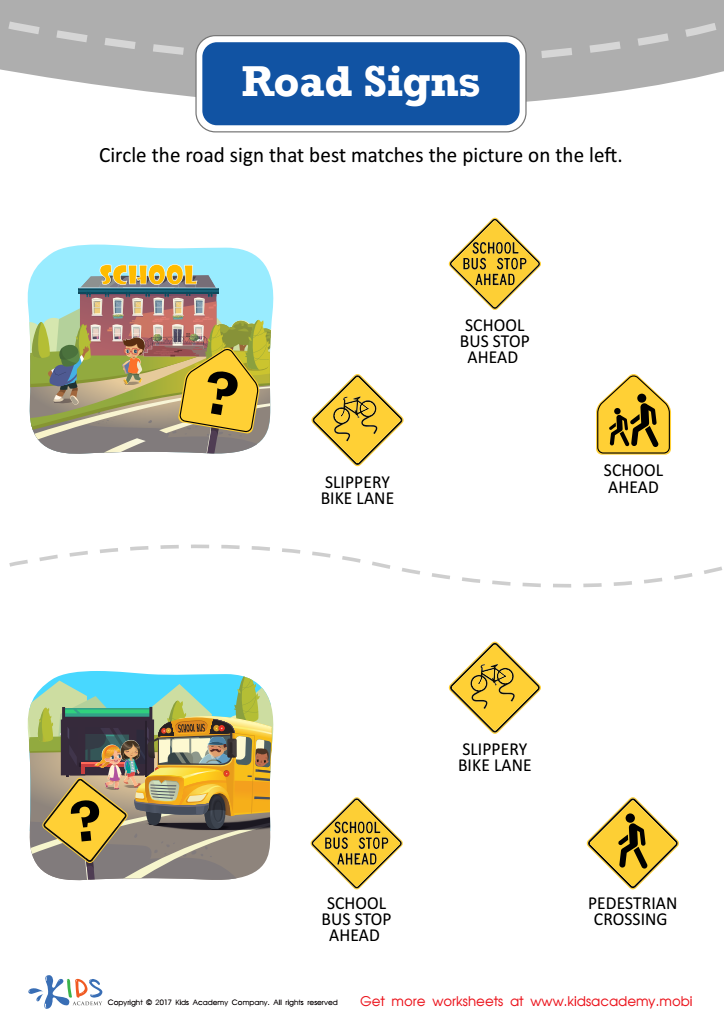
Road Signs (Part 1) Worksheet
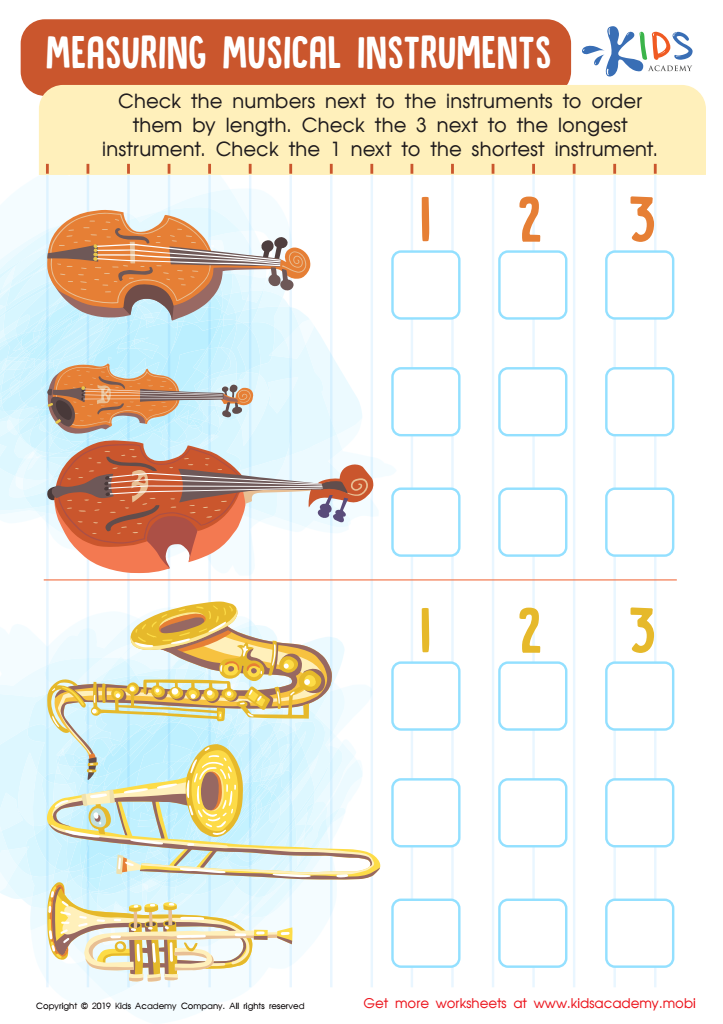
Measuring Musical Instruments Worksheet
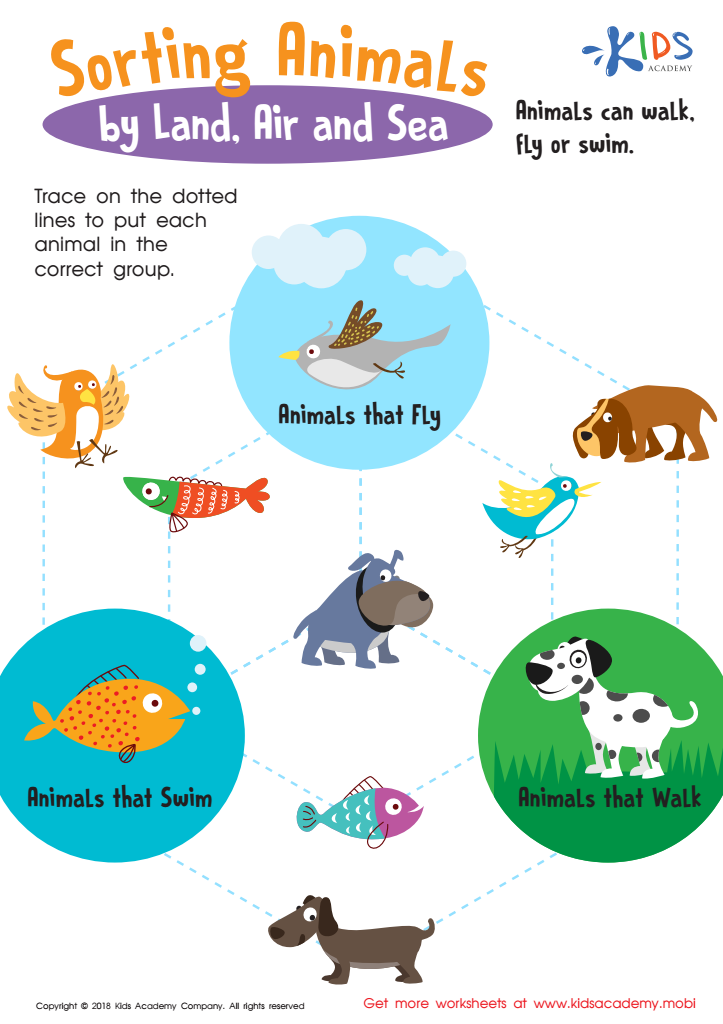
Sorting Animals by Land, Air and Sea Worksheet
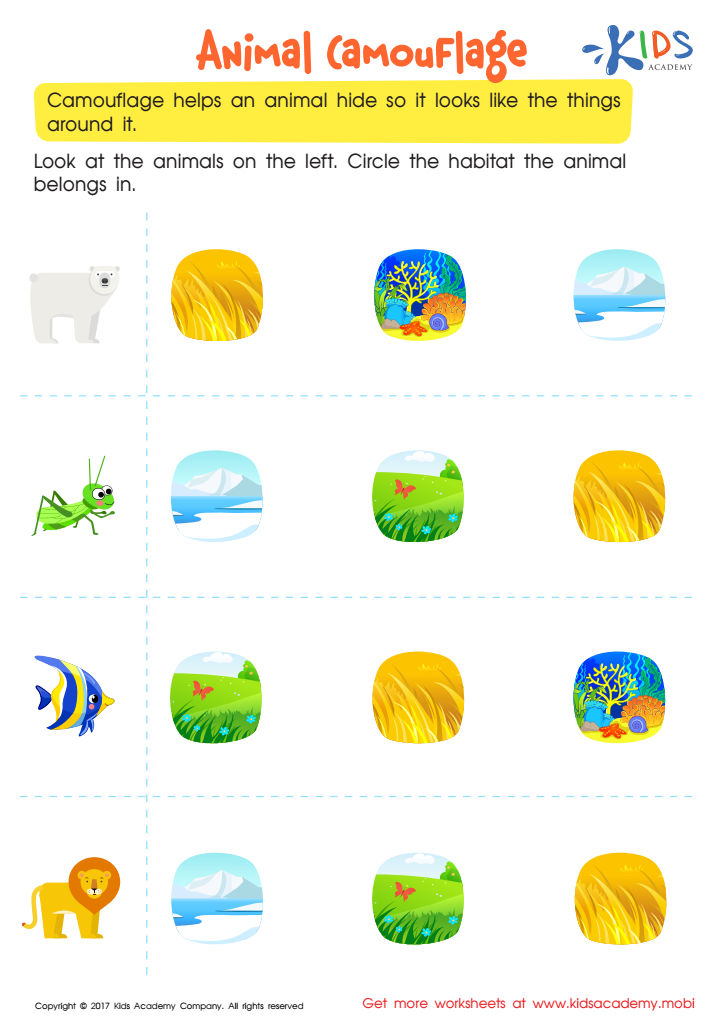
Animal Camouflage Worksheet
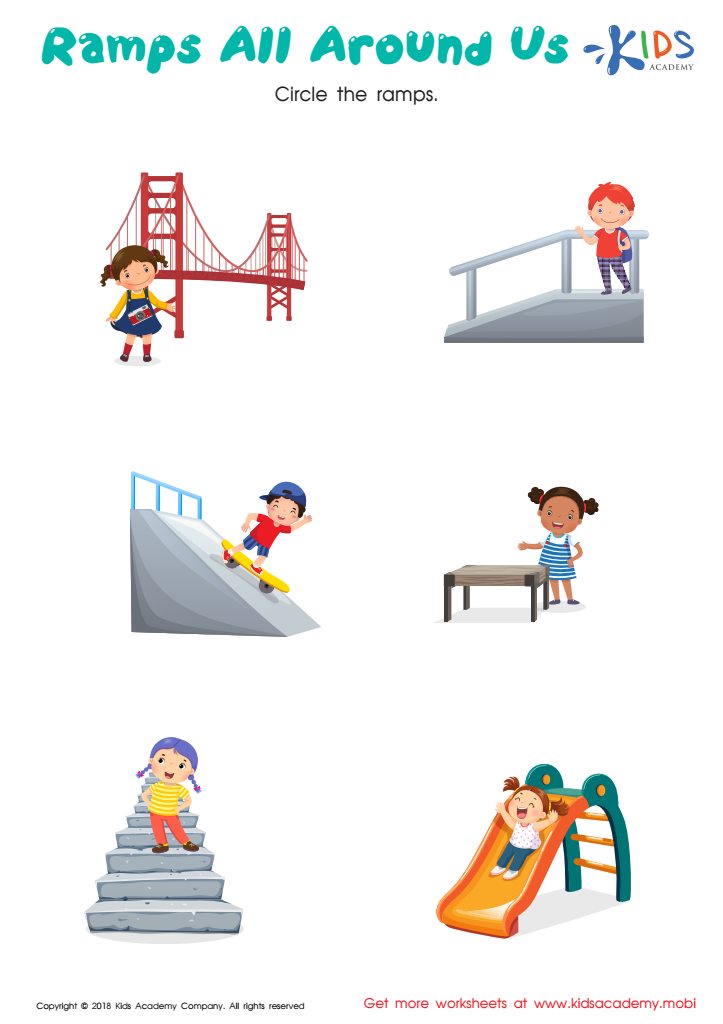
Ramps All Around us Worksheet
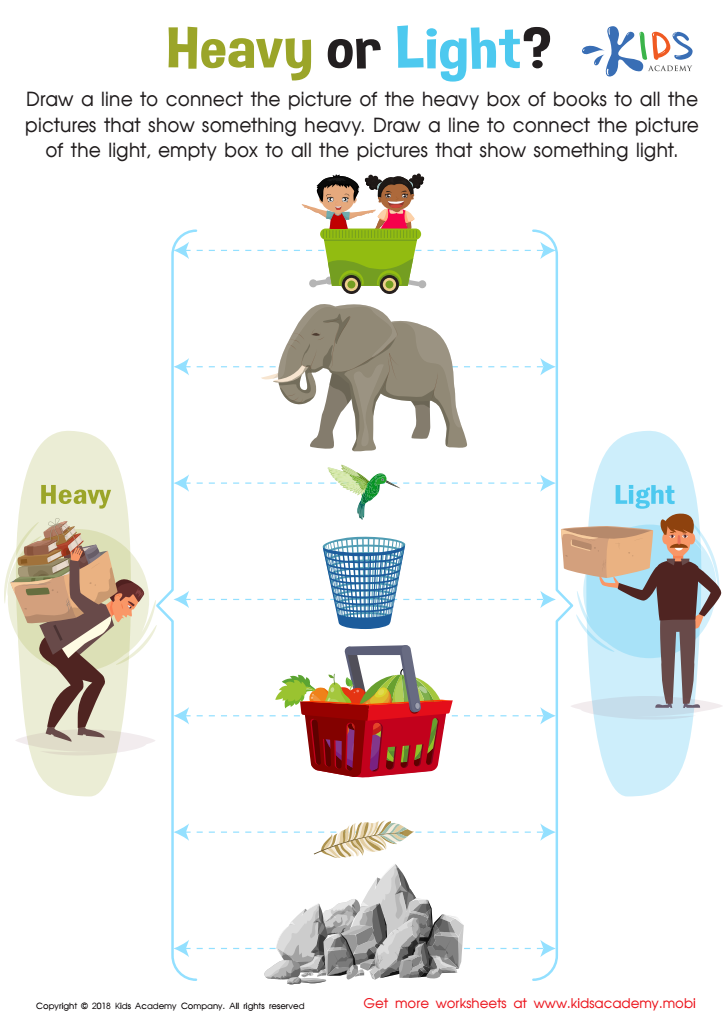
Heavy or Light? Worksheet
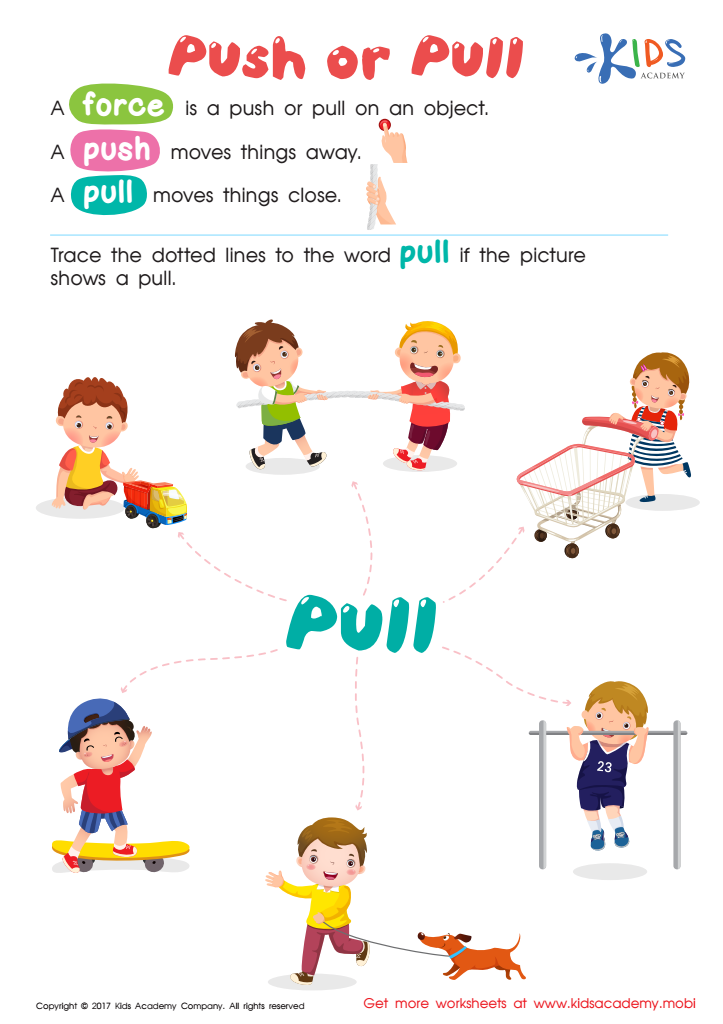
Pull or Push Worksheet
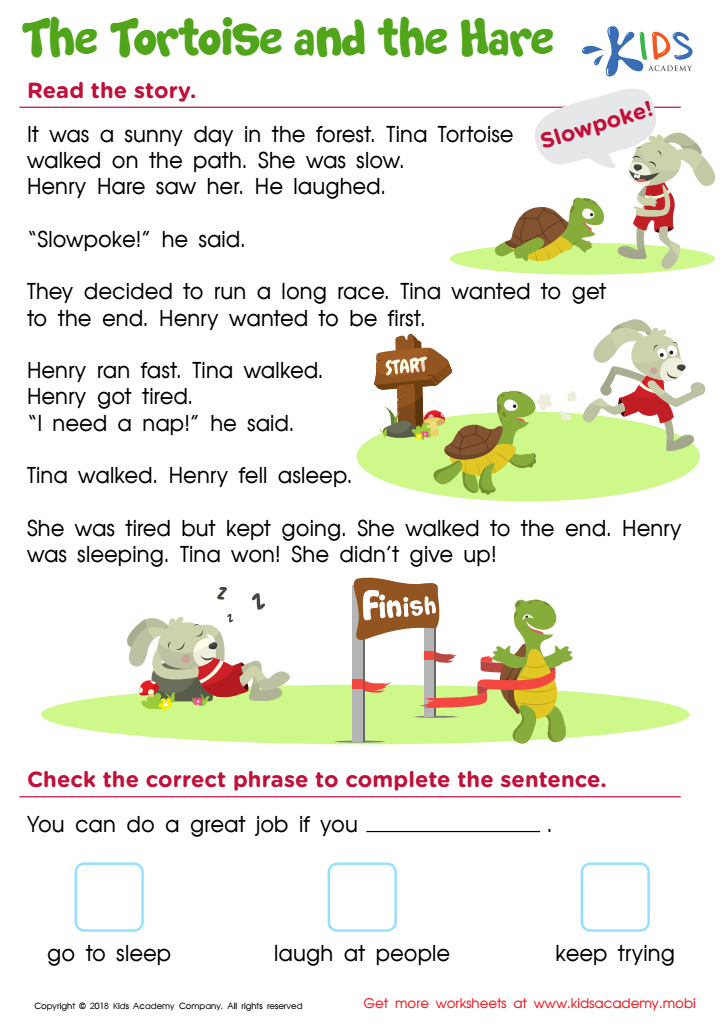
The Tortoise and the Hare Worksheet
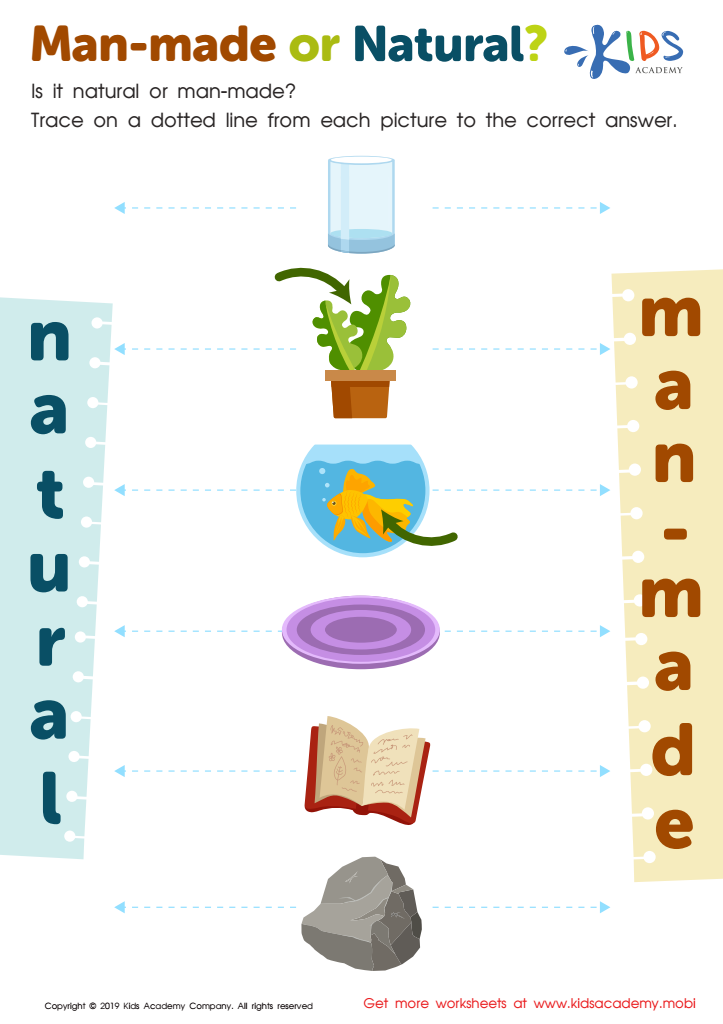
Man-Made or Natural? Worksheet
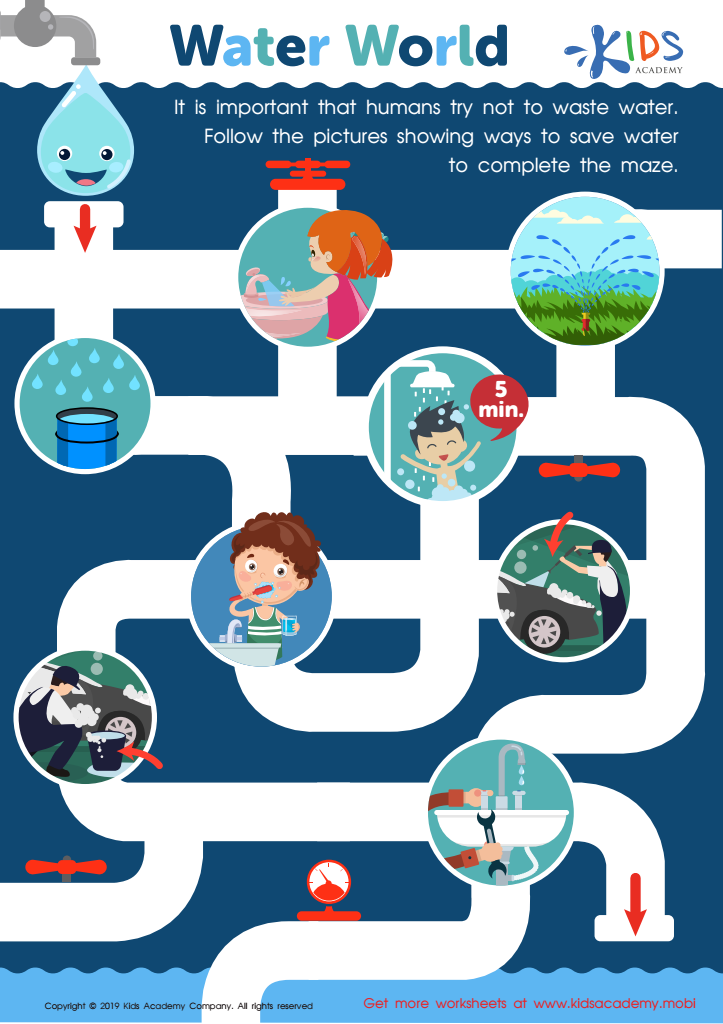
Water World Worksheet



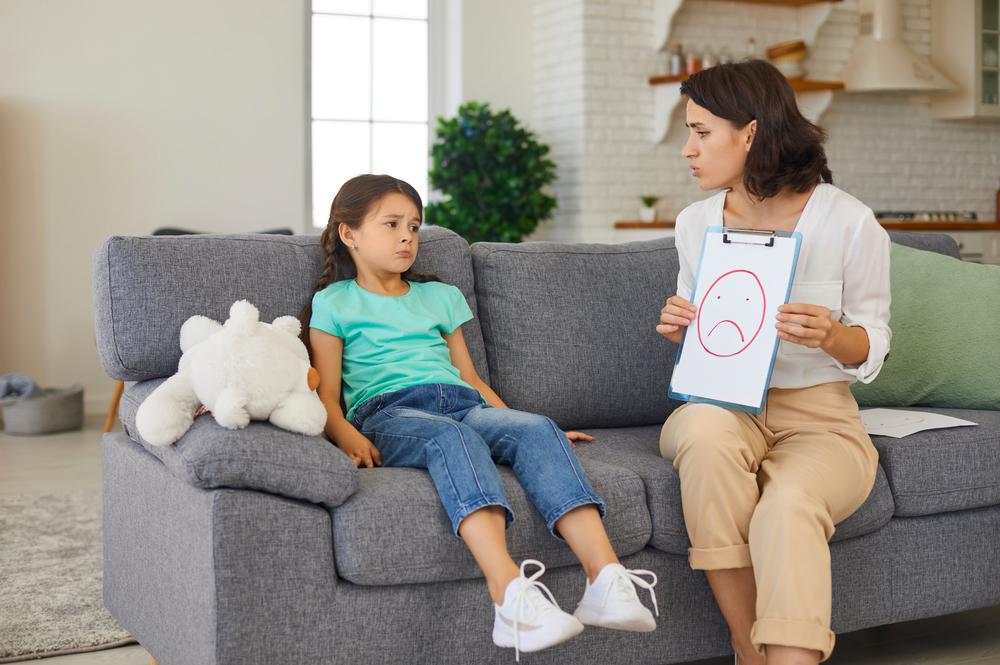




Enhancing observation skills in children aged 3-7 is crucial for both parents and teachers as it lays the foundation for lifelong learning. During these formative years, children are developing critical cognitive and emotional skills, and strong observation abilities directly contribute to their understanding of the world around them. By observing their environment, children learn to notice details, make connections, and develop curiosity, which fosters a love for learning.
Parents and teachers who prioritize observation help children improve their communication skills and critical thinking. When children articulate what they see, they practice language development and improve their ability to express thoughts, leading to better interpersonal skills. Enhanced observation skills also support emotional intelligence, as children become more adept at recognizing and understanding their own emotions and those of others.
Furthermore, engaging in observational activities promotes problem-solving abilities and creativity. Children who regularly practice observation develop an inquisitive mindset, enabling them to explore ideas and experiment with solutions. Ultimately, by nurturing observation skills, parents and teachers create a rich learning environment that encourages independence, fosters self-confidence, and prepares children for future academic challenges, making it essential for holistic early development.








